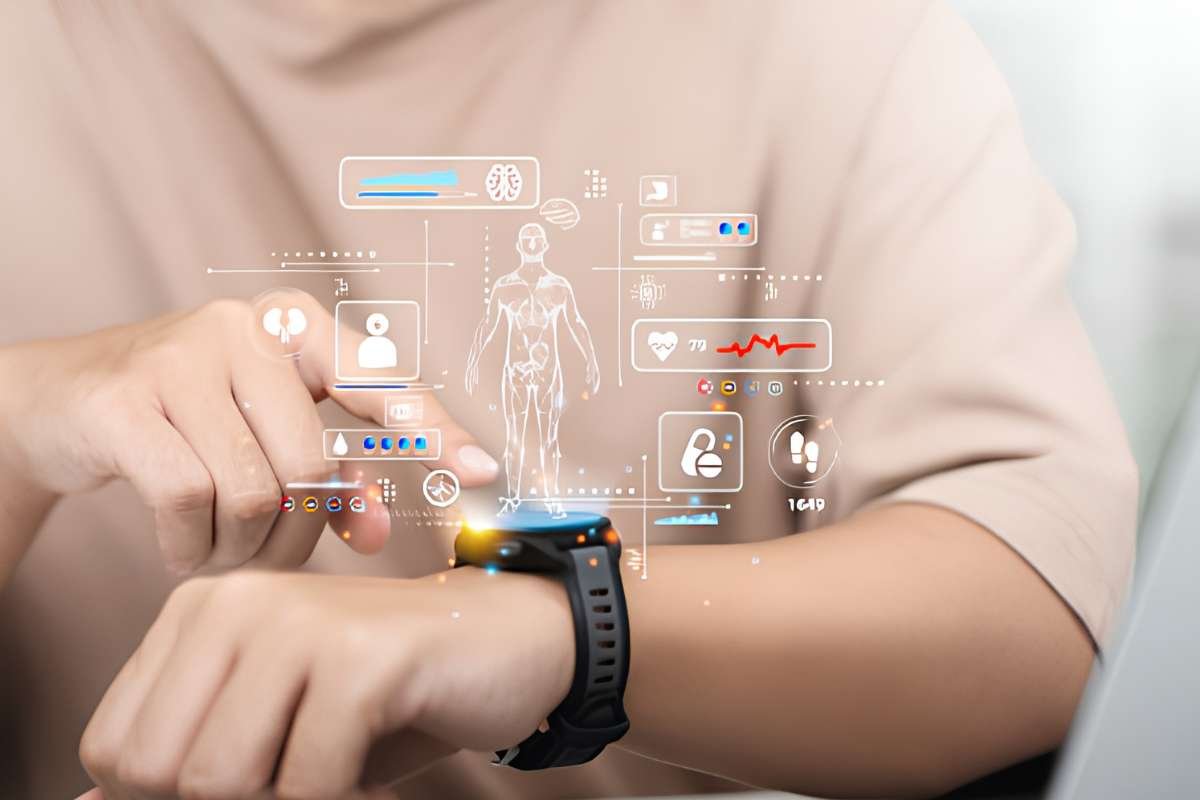
Healthcare is becoming more connected and continuous. Instead of collecting health information only during a doctor’s visit, wearable devices can track selected health measurements during everyday life.
Wearable medical technology includes smartwatches, fitness bands, smart rings, medical patches, and specialized sensors. Depending on the device, they can monitor heart rate, heart rhythm, activity, sleep, oxygen levels, glucose, and other health indicators.
The U.S. FDA describes digital health technologies as tools that use sensors, software, connectivity, and computing platforms for healthcare. Some are general wellness products, while others meet the definition of medical devices.
The key benefit is simple: wearables can give patients and healthcare teams more health information between clinical visits.
How are wearables used for monitoring and preventive care?
Wearable medical technology includes smartwatches, fitness bands, smart rings, medical patches, continuous glucose monitors (CGMs), and health-monitoring apps. These devices can collect health data and help users or healthcare professionals track changes over time.
1. Heart health: smartwatches can spot possible irregular rhythms
Devices and apps: Apple Watch, Samsung Galaxy Watch, Fitbit, ECG apps
Smartwatches can measure heart rate and, on supported models, record an ECG or send notifications about possible irregular heart rhythms.
The Apple Heart Study, conducted with Stanford Medicine, included more than 400,000 participants. It examined whether Apple Watch could identify irregular rhythms linked to atrial fibrillation (AFib). In a related study, 80% of participants who received an irregular rhythm notification while wearing an ECG patch showed AFib on the patch.
A wearable alert is not a diagnosis. It can simply signal that further medical evaluation may be needed.
2. Glucose monitoring: CGMs support diabetes care
Devices and apps: FreeStyle Libre, Dexcom, Medtronic Guardian, connected glucose-monitoring apps
Continuous glucose monitors (CGMs) use a small sensor to measure glucose at regular intervals. Their connected apps can display glucose readings and trends, helping users and healthcare professionals manage diabetes.
The FDA maintains information on authorized sensor-based digital health technologies, including wearable devices.
This is also where medical technology regulations become important. Not every health wearable is authorized for medical use, and regulatory status can vary by device and function.
However, not every wearable claiming to measure glucose is medically reliable. The FDA warns consumers not to use smartwatches or smart rings that claim to measure blood glucose without piercing the skin, because the FDA has not authorized these products to measure or estimate glucose independently.
3. Physical activity: fitness trackers make prevention easier
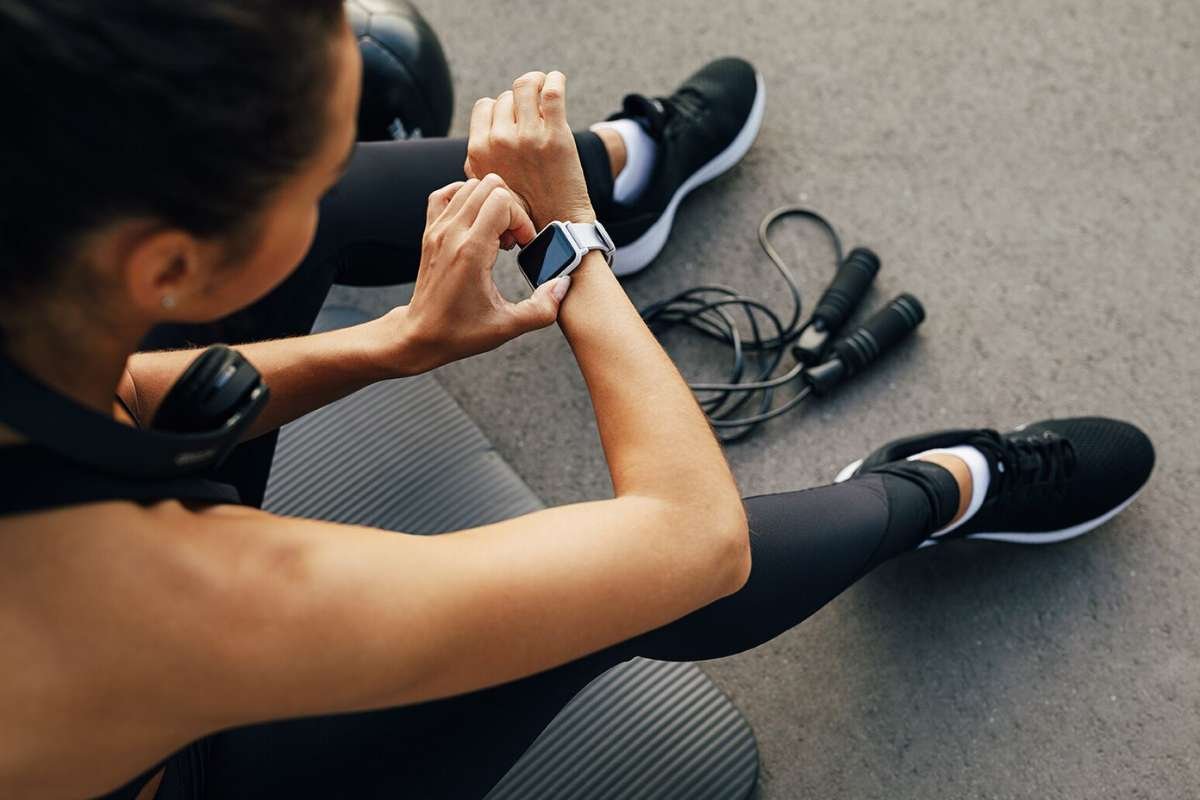
Devices and apps: Fitbit, Apple Watch, Garmin, Samsung Galaxy Watch, Google Fit
Wearables can track steps, movement, exercise, heart rate, and sedentary time. This gives users a clearer view of their daily activity and can support healthier routines.
The World Health Organization is also studying how wearable devices can improve the measurement of physical activity and sedentary behavior at the population level. Its recent work highlights the importance of device selection, data quality, standardization, and research.
The simple benefit is better awareness of daily activity patterns.
4. Sleep tracking: smart rings and watches monitor sleep patterns
Devices and apps: Oura Ring, Apple Watch, Fitbit, Samsung Galaxy Watch, Garmin Connect
Many smartwatches and smart rings estimate sleep duration, sleep stages, and other sleep patterns using sensors and algorithms.
For example, the Oura Ring combines sensor data with its app to provide users with information about sleep and recovery. Apple Watch and Fitbit also offer sleep-tracking features.
This information can help users notice changes over time. However, consumer sleep scores should not automatically be treated as a medical diagnosis. Persistent sleep problems should be discussed with a healthcare professional.
5. Remote patient monitoring: wearables bring care home
Devices and technologies: Remote patient monitors, connected blood-pressure devices, pulse oximeters, wearable ECG monitors, healthcare monitoring apps
Wearable and wireless medical devices can send selected health information from a patient’s home to healthcare professionals.
The FDA notes that wireless medical devices can allow doctors to remotely access and monitor patient data, including information collected outside hospitals and clinics. This can support people managing chronic conditions and help healthcare teams identify changes earlier.
This approach is known as remote patient monitoring (RPM) and is becoming an important part of connected healthcare.
It also connects with the wider discussion around Telemedicine vs. in-person care technology, as both approaches use digital tools to extend healthcare beyond traditional clinical settings.
6. Chronic disease management: wearables track health trends
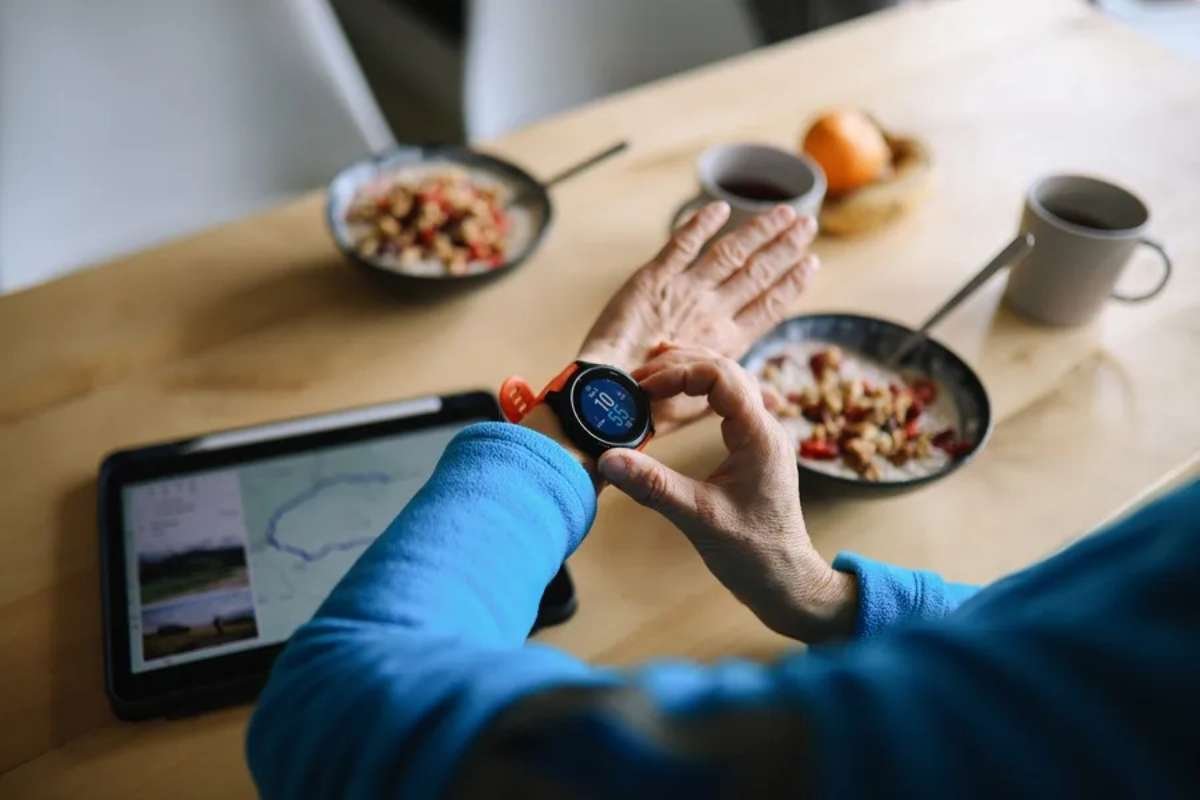
Devices and apps: CGMs, ECG wearables, pulse oximeters, connected blood-pressure monitors, Apple Health, Google Health Connect
Wearables can collect repeated measurements such as heart rate, glucose, oxygen saturation, activity, and other health indicators.
For people managing chronic conditions, these trends can give healthcare professionals additional information between appointments. The FDA’s patient-monitoring research program also highlights the growing role of connected technologies, AI, automation, and interoperability in patient monitoring.
However, more data does not always mean better healthcare. Measurements should be accurate, clinically relevant, secure, and interpreted in the right context.
This is one of the key Challenges in MedTech, particularly as healthcare systems handle larger amounts of connected patient data.
7. Preventive care: turning health data into better habits
Devices and apps: Smartwatches, smart rings, fitness trackers, health apps, CGMs, and connected medical sensors
The broader role of Wearable medical technology is to make health information available more regularly.
A wearable can show changes in activity, heart rate, sleep, glucose, or other measurements. Users can then discuss meaningful changes with healthcare professionals or take steps toward healthier habits.
The goal is not simply to collect more data. It is to turn reliable health data into useful insights for prevention, monitoring, and care.
The growing use of connected devices is also part of the wider medical technology trends shaping modern healthcare.
What are the benefits of wearable medical technology?
The main benefits include:
- Continuous monitoring: Health information can be collected outside the clinic.
- Early signals: Some devices can alert users to changes that may require medical attention.
- Remote care: Healthcare teams can monitor selected information without requiring every patient to visit a hospital.
- Better health awareness: Users can understand patterns in activity, sleep, and other measurements.
- Personalized care: Long-term data can provide additional context for healthcare professionals.
The FDA says digital health technologies can help move healthcare beyond traditional clinical settings by providing information about patient behavior and physiology outside the clinic.
What are the challenges in wearable medical technology?
Wearable technology also has limitations.
Accuracy matters. A consumer health metric is not automatically clinically reliable. Medical use requires appropriate validation and, where applicable, regulatory authorization.
Privacy matters too. Wearables can collect sensitive health information, making secure data storage and sharing important.
Too much data can also create problems. Healthcare professionals need useful signals rather than a constant stream of unnecessary alerts.
Finally, wearable technology is developing quickly, so evidence does not exist at the same level for every feature or condition.
The wider industry is also evolving through the work of Companies leading in medical technology, including companies developing connected devices, monitoring systems, surgical technologies, and other healthcare solutions.
Conclusion
Wearable medical technology is changing how health information can be collected and used. Smartwatches, rings, patches, and medical sensors can support heart monitoring, glucose management, physical activity, sleep tracking, chronic disease care, and remote monitoring.
The biggest advantage is continuous health information outside the traditional healthcare setting, but wearables should not replace doctors or clinically validated tests. Their real value comes from combining reliable technology, strong clinical evidence, secure data, and professional interpretation.
As wearable healthcare technology develops, the focus will shift from simply collecting more data to turning that data into accurate, useful, and actionable health insights.
FAQs
1. What is wearable medical technology?
Wearable medical technology uses wearable devices and sensors to monitor health information.
2. How is wearable technology used in healthcare?
It supports heart monitoring, glucose tracking, activity, sleep, chronic disease management, and remote patient monitoring.
3. Are smartwatches medical devices?
Some smartwatch features are medical devices, while others are designed only for general wellness.
4. Can wearable devices diagnose diseases?
Some authorized devices support disease detection, but wearable alerts do not replace professional medical diagnosis.
5. What is the future of wearable technology in healthcare?
The future includes continuous monitoring, connected care, AI-powered analysis, and more clinically validated wearable devices.