A missed heartbeat rarely announces itself. It shows up quietly, on a graph, hours before anyone feels it. That quiet signal is exactly what today’s connected devices are built to catch. Wearable health technology has moved past step counters and sleep scores into territory once reserved for hospital equipment: heart rhythm checks, blood-oxygen readings, even early fall detection.
Rings, patches, smart textiles, and watches now sit on bodies worldwide, feeding data to phones, clouds, and clinicians in real time. This article looks at how these devices actually work, what their specifications really mean, which categories dominate the market, and where genuine healthcare value separates from marketing promise. The goal is a clear-eyed picture, not a sales pitch.
Inside wearable health technology
These devices sit on or close to the body, tracking health, fitness, or other body-related information during daily activities.
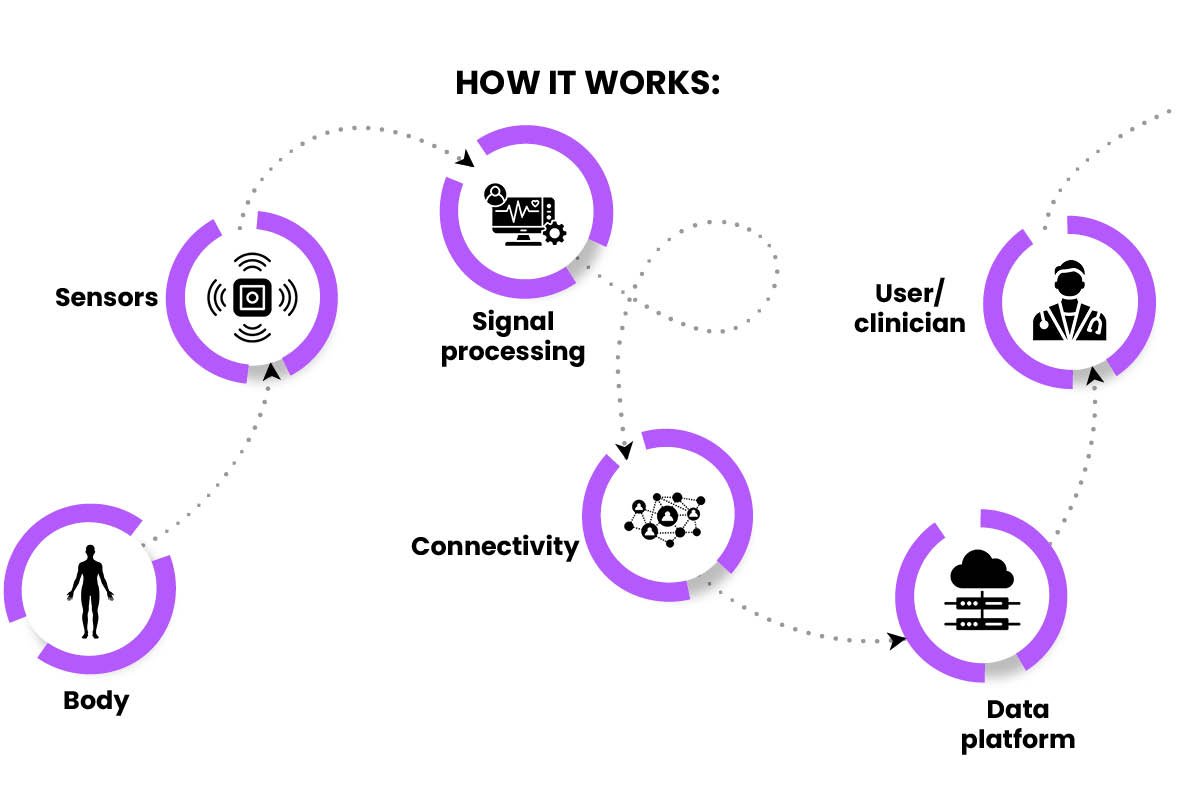
| How it works: Body → Sensors → Signal processing → Connectivity → Data platform → User/clinician |
Sensors capture physiological, behavioral, or environmental signals. Processing converts raw signals into usable data, while connectivity sends that information to an app or healthcare platform for interpretation, forming the backbone of wearable health technology.
Three device types:
- Fitness device: Tracks activity and exercise.
- Consumer health device: Monitors personal health metrics.
- Medical device: Supports clinical assessment or care under relevant regulatory standards
The key difference lies in what the device measures, how the data is used, and whether it is intended for personal wellness or clinical care.
What does the current device market actually contain?
Today’s connected health device market spans the body, with sensors and monitoring tools built into familiar forms of clothing, accessories, and medical devices.
| Body location | Device types | Primary function |
| Head | EEG headbands, sleep-monitoring systems | Track brain activity and sleep patterns |
| Ears | Temperature-sensing earrings, in-ear sensors | Collect physiological signals |
| Eyes | Smart glasses, vision-assistance systems | Support vision assistance and hands-free applications |
| Chest | ECG patches, vital-sign patches | Monitor cardiac and physiological measurements |
| Arm | Glucose patches, blood-pressure devices, smartwatches, bracelets | Support continuous health monitoring |
| Finger | Smart rings | Capture health and activity metrics |
| Waist | Sensor belts | Monitor movement and body signals |
| Clothing | Smart shirts, sensor-enabled garments | Integrate health monitoring into everyday wear |
| Feet | Smart socks, smart insoles | Measure movement, pressure, and related signals |
| Respiratory system | Connected inhalers | Record medication use and support respiratory care |
Medical Futurist’s 18-category framework shows the sheer range of devices now entering connected healthcare.
How wearables turn body signals into data?
Every wearable begins with a simple task: detect a physical or chemical signal, convert it into digital data, and make that information useful for health monitoring.
The sensing chain: body signal → sensor → digital data
Light | PPG
Photoplethysmography uses light and photodetectors to detect blood-volume changes beneath the skin, producing pulse measurements.
Electricity | ECG
ECG electrodes detect cardiac electrical activity through skin contact, creating waveforms for heart analysis.
Motion | IMU
Accelerometers measure movement, while gyroscopes track rotation. Together, they assess posture, gait, activity, and falls.
Heat | Temperature
Thermistors measure skin temperature, helping track changes over time.
Chemistry | Biochemical sensing
Glucose and biochemical sensors interact with molecules in interstitial fluid, sweat, or samples, converting chemical activity into measurable signals.
Pressure | Strain
Flexible sensors detect pressure, deformation, breathing patterns, and movement, adding useful context.
Each sensor type answers a different question, and most modern devices combine several to build a fuller picture of health.
Specifications buyers should examine
Core measurement chain:
Sensor type → Measurement range → Accuracy → Sampling frequency → Wear duration
These specs show what is measured, within what limits, how close readings may be, how often data is captured, and how long the device can be worn.
Checklist by category:
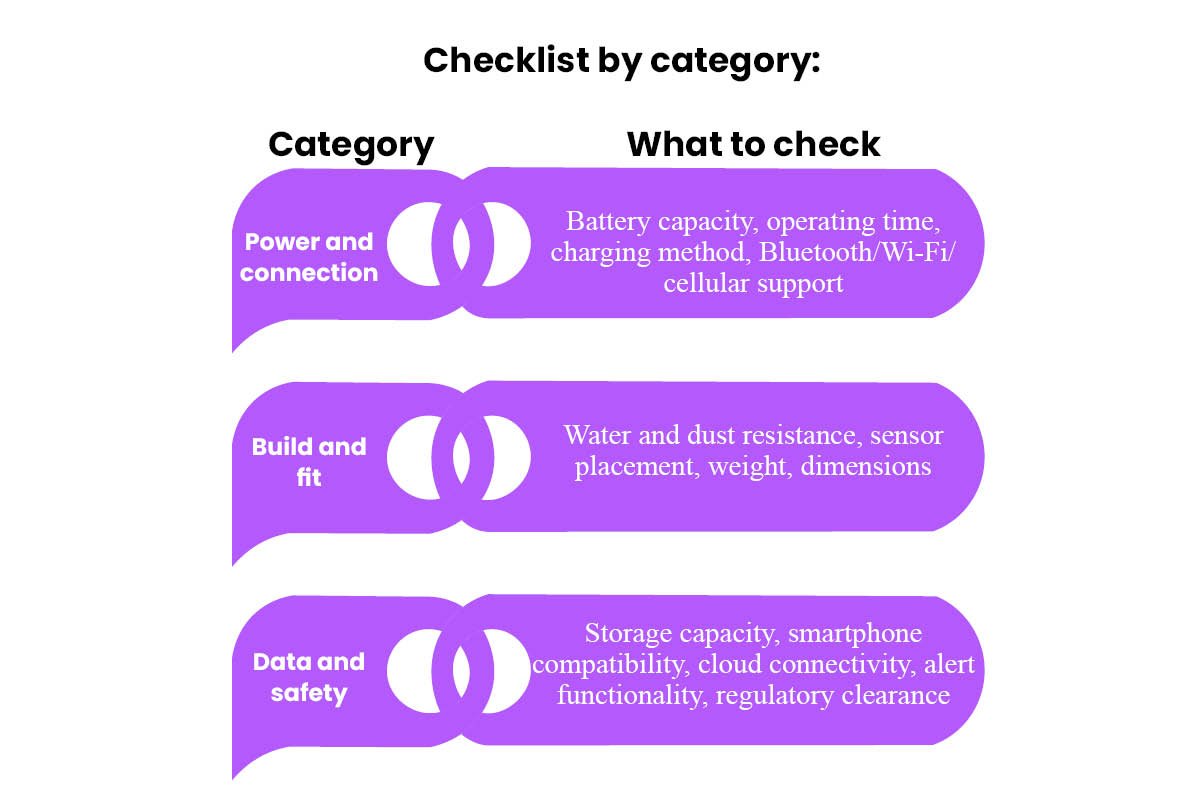
| Category | What to check |
| Power and connection | Battery capacity, operating time, charging method, Bluetooth/Wi-Fi/cellular support |
| Build and fit | Water and dust resistance, sensor placement, weight, dimensions |
| Data and safety | Storage capacity, smartphone compatibility, cloud connectivity, alert functionality, regulatory clearance |
Medical Futurist’s breakdowns show wear duration and sensing location worth comparing.
Bottom line: A longer spec list rarely means sharper accuracy.
Which wearable categories are leading the global market?
Market leader: Smartwatches and fitness bands hold the largest share of wearable health technology sales worldwide.
Why they win:
- Familiar form factor, worn like an ordinary watch
- Built-in smartphone connectivity
- Multiple sensors packed into one device
- Large existing consumer base
- Daily fitness and health tracking functions
- Strong app ecosystems
- Frequent, habitual use
Rising but smaller: Smart rings, skin patches, smart textiles, and biochemical sensors serve niche needs and grow steadily, yet none match wristwear’s installed base.
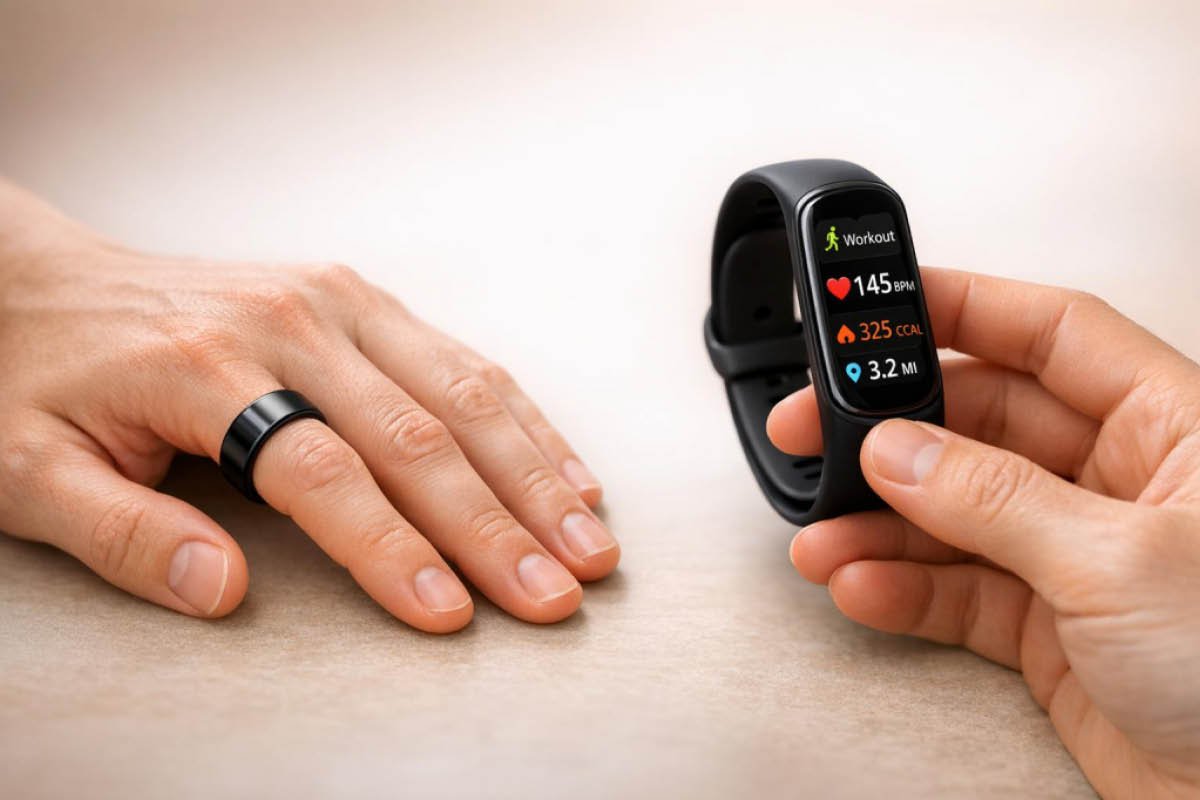
Lumitex traces this dominance historically, while Medical Futurist’s broader device list shows how varied the category has become.
Why are smartwatches still the commercial anchor?
One device, seven sensors: PPG, ECG, accelerometer, gyroscope, temperature sensing, GPS, and wireless connectivity all sit inside a single casing.
What that combination unlocks:
- Activity tracking through the day
- Heart-rate monitoring at rest and during exercise
- Sleep measurement across sleep stages
- Rhythm screening for irregular beats
- Structured exercise tracking with GPS routes
- Notifications and alerts for unusual readings
Medical Futurist points to functions like atrial-fibrillation detection and blood-oxygen measurement on advanced models.
The appeal: buyers get a full health-monitoring toolkit without wearing several separate sensor-enabled devices.
The clinical payoff behind the data
A single wearable reading rarely means much alone; its clinical value comes from what happens next.
The six-stage flow:
Continuous measurement (heart rate, glucose, oxygen, sleep, movement)
- Physiological trend forms over hours or days
- Abnormal signal appears (irregular rhythm, missed dose, a fall)
- Alert reaches the patient or care team
- Clinical review confirms whether action is needed
- Intervention follows: a medication adjustment, a call, or a hospital visit
This flow supports cardiovascular monitoring, diabetes management, respiratory care, sleep tracking, fall detection, medication adherence, post-discharge follow-up, and chronic disease management alike.
Medanta credits wearable health technology with flagging concerning changes early, though Roche notes that scaling this across healthcare systems still carries real implementation hurdles.
The hidden business engine of wearables
The data path: Wearable, smartphone or app, cloud storage, analytics platform, electronic health record, clinician, patient.
Stakeholder ledger:
- Hospitals: remote monitoring, fewer unnecessary visits
- Providers: richer, longitudinal patient information
- Insurers: prevention-oriented programs, backed by evidence and privacy safeguard
- Tech companies: steady demand for sensors, connectivity, cloud infrastructure, analytics, cybersecurity
- Manufacturers: recurring revenue through software, subscriptions, and data services
FPT places connected health devices within broader public-health monitoring systems. Forbes highlights their growing role linking patients directly with providers, reshaping how each side benefits commercially.
What still holds these devices back
Before any hospital adopts these devices at scale, five problems still need answers.
- Accuracy: Movement, loose placement, poor skin contact, and environmental noise all distort sensor readings.
- Validation: A consumer measurement is not automatically a clinical one.
- Privacy: Physiological data ranks among the most sensitive information a person generates.
- Interoperability: Device output must fit into existing hospital systems, not sit apart from them.
- Adoption: Cost, battery life, comfort, connectivity, and user compliance decide whether a device gets worn at all.
According to Roche, accuracy, privacy, interoperability, cost, and accessibility remain the hardest problems left to solve.
Where is sensing headed next?
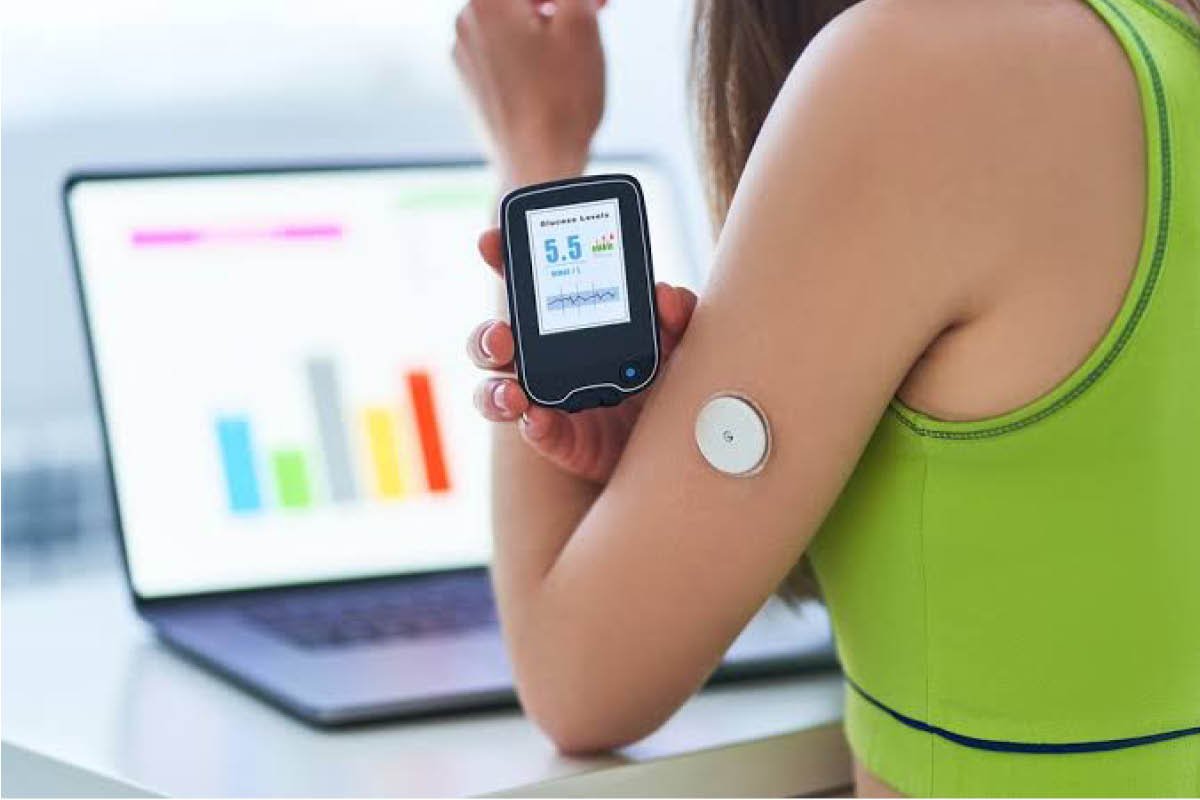
The next wave moves past the wrist: smart textiles, electronic tattoos, flexible patches, smart earrings, biochemical sensors, in-ear monitoring, advanced rings, and sensor-integrated clothing all point toward smaller, less noticeable sensing platforms.
Medical Futurist’s examples already show sensing spreading into unconventional body locations, and research groups along with manufacturers continue exploring biochemical and flexible sensing methods. No single format looks set to dominate. What’s clear is a steady pull toward smaller, quieter, more specialized health-monitoring wearables.
Conclusion
Better sensors produce better measurements. Better connectivity makes those measurements accessible to the right people at the right time. Better clinical integration decides whether that information actually changes care outcomes.
Wearable health technology works best as one part of a larger healthcare infrastructure, supporting doctors and established diagnostic methods rather than standing in for them.