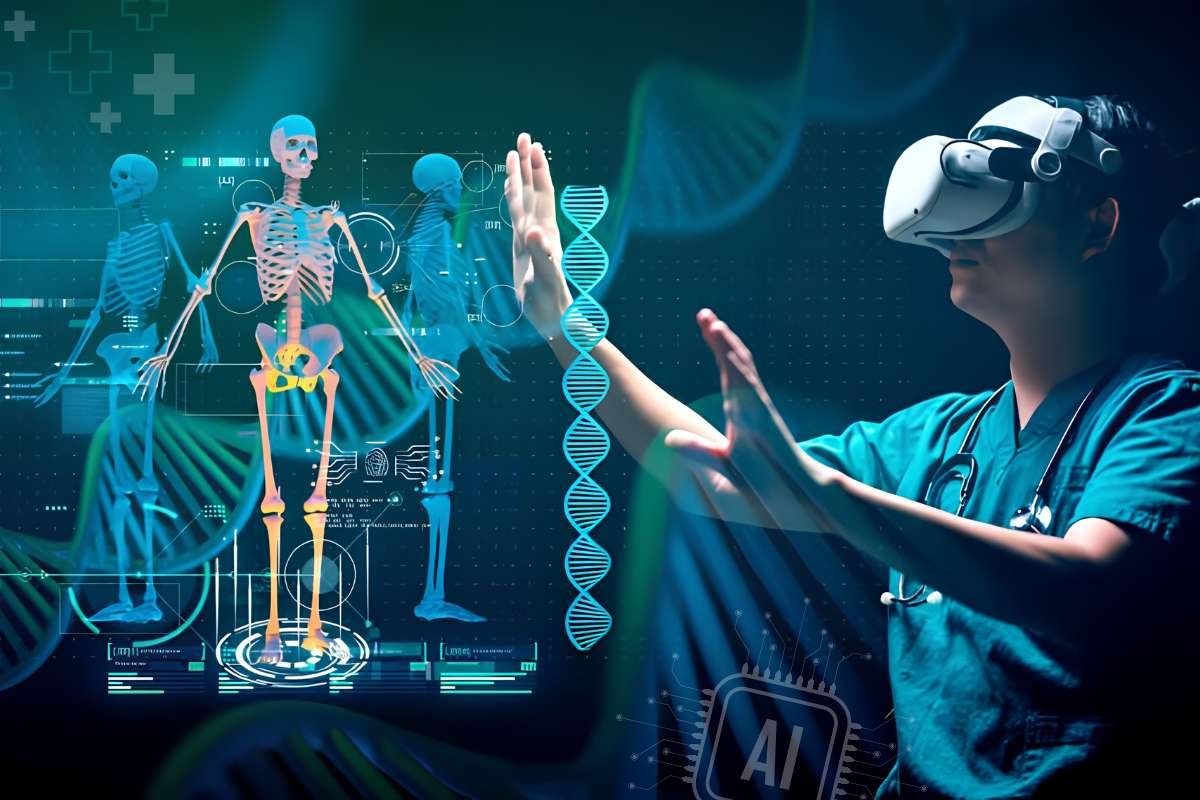
AI in medical technology means using artificial intelligence in medical devices and healthcare software to analyze data, identify patterns, and support diagnosis or treatment.
AI is already being used in real healthcare settings. The U.S. FDA says more than 1,600 AI-enabled medical devices had been authorized for marketing in the U.S. by September 2026. These devices cover areas such as radiology, cardiovascular care, neurology, and other medical fields.
In simple words, AI helps medical professionals process information faster and spot useful patterns.
How artificial intelligence is used in diagnostics and treatment tools
AI is entering healthcare at several points in the patient journey. Here are the most important applications.
1. AI helps doctors read medical images
Medical imaging is one of the biggest uses of AI in healthcare.
AI can analyze X-rays, CT scans, MRIs, and retinal images. It can highlight unusual patterns and help doctors focus on areas that may need closer examination.
Real-world example: The FDA lists AI-enabled systems that can help detect diabetic retinopathy from retinal images and systems that improve the quality of medical images.
Why it matters: Doctors can use AI as an additional tool when reviewing large numbers of medical images.
2. AI can support early disease detection
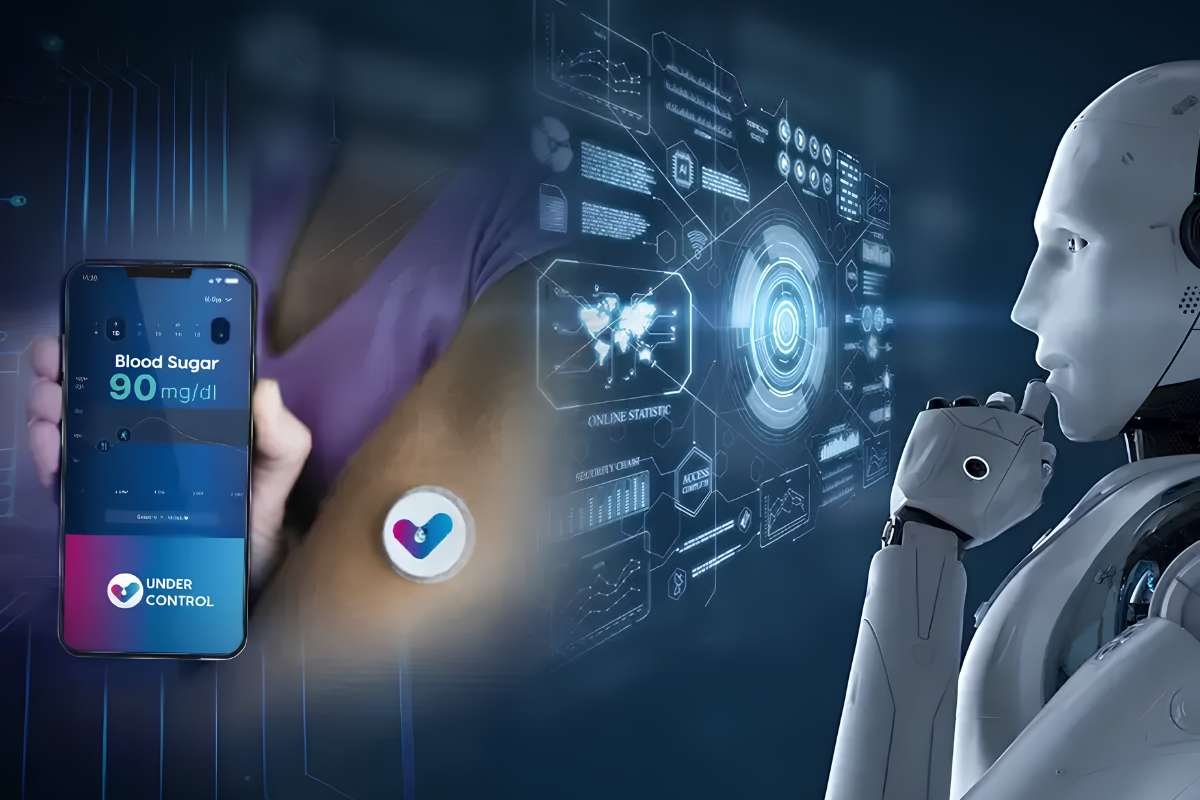
AI can look for patterns linked to disease and flag cases that may need further medical review. The FDA identifies early disease detection, diagnosis, prognosis, and risk assessment as important applications of AI and machine learning in medical devices.
Real-world example: AI-based medical imaging tools are being developed to help identify signs of conditions such as cancer and cardiovascular disease.
The key point is simple: AI can flag a possible problem, while a qualified healthcare professional evaluates what it means for the patient.
This is also connected to Medical technology regulations, because AI-enabled medical tools must meet applicable safety and regulatory requirements before they can be used for approved medical purposes.
3. AI supports diabetes care
AI is also being used in technologies that continuously monitor patients.
Real-world example: The FDA lists AI algorithms that can help automate insulin dosing using continuous glucose monitor readings.
This shows how AI can do more than analyze information. In some regulated medical systems, it can use incoming patient data to support an ongoing treatment process.
Wearable and connected devices are also becoming important in this area. Wearable medical technology/Wearable Technology in Healthcare can collect health data continuously and support monitoring outside traditional clinical settings.
4. AI can help assess heart-related risks
AI can analyze signals and health data to identify patterns linked to cardiovascular problems.
Real-world example: The FDA lists a smart sensor device that can estimate the probability of a heart attack among its AI-enabled medical device examples.
This type of technology can give healthcare professionals another source of information when assessing a patient’s condition.
5. AI is entering the operating room
AI is moving beyond diagnosis and into surgery.
Real-world example: Medtronic’s Touch Surgery Aide is an AI-enabled surgical computing platform designed to provide real-time information during procedures. Its Instrument Exit Point application received FDA clearance and uses computer vision during robotic procedures.
In simple terms, AI can watch specific aspects of a procedure and provide information to the surgical team.
This example also connects with Medtronic’s approach to medical technology, which shows how established medical technology companies are incorporating AI and digital tools into surgical care.
6. AI can improve medical images

Not every AI medical tool directly diagnoses a disease. Some tools first improve the quality of medical information.
For example, the FDA lists deep-learning software that sharpens medical images. Better image quality can help healthcare professionals work with clearer information during diagnosis.
This is a simple but important use of AI: better data can support better clinical analysis.
These developments are part of wider Medical technology trends, where AI, imaging, automation, and connected devices are becoming increasingly important.
7. AI can support personalized treatment
Every patient is different. AI can analyze patient information to help identify patterns that may support more personalized care. The FDA identifies personalized diagnostics as one application of AI/ML-based medical devices.
For example, an AI system may analyze medical measurements and other patient data and provide information that a clinician can consider when planning care.
AI does not automatically decide what treatment a patient should receive. The clinical context still matters.
What are the main benefits of AI in medical technology?
AI can provide several practical benefits:
- Faster data analysis
- Support for early disease detection
- Medical image analysis
- Continuous patient monitoring
- Decision support for healthcare professionals
- Personalized medical insights
- Support for some repetitive healthcare tasks
The FDA says AI/ML technologies can help derive useful insights from the large amounts of data generated during healthcare delivery. These benefits also show why Companies leading in medical technology are investing in AI, medical imaging, robotics, monitoring systems, and other digital healthcare solutions.
What are the risks of medical AI?
AI can be useful, but healthcare requires careful testing and oversight.
Poor-quality or biased data can affect AI performance. Patient privacy and cybersecurity also matter because medical systems handle sensitive information.
WHO’s latest guidance on AI-related health research highlights concerns involving bias, fairness, transparency, accountability, privacy, and potential harm. WHO also recommends keeping human autonomy and safety at the center of AI use in healthcare.
These concerns are part of the wider Challenges in MedTech, where companies and healthcare organizations must balance innovation with safety, privacy, regulation, and patient needs.
So, the goal should not be simply to use more AI. The goal is to use well-tested AI in the right medical setting with proper human oversight.
What is the future of AI in medical technology?
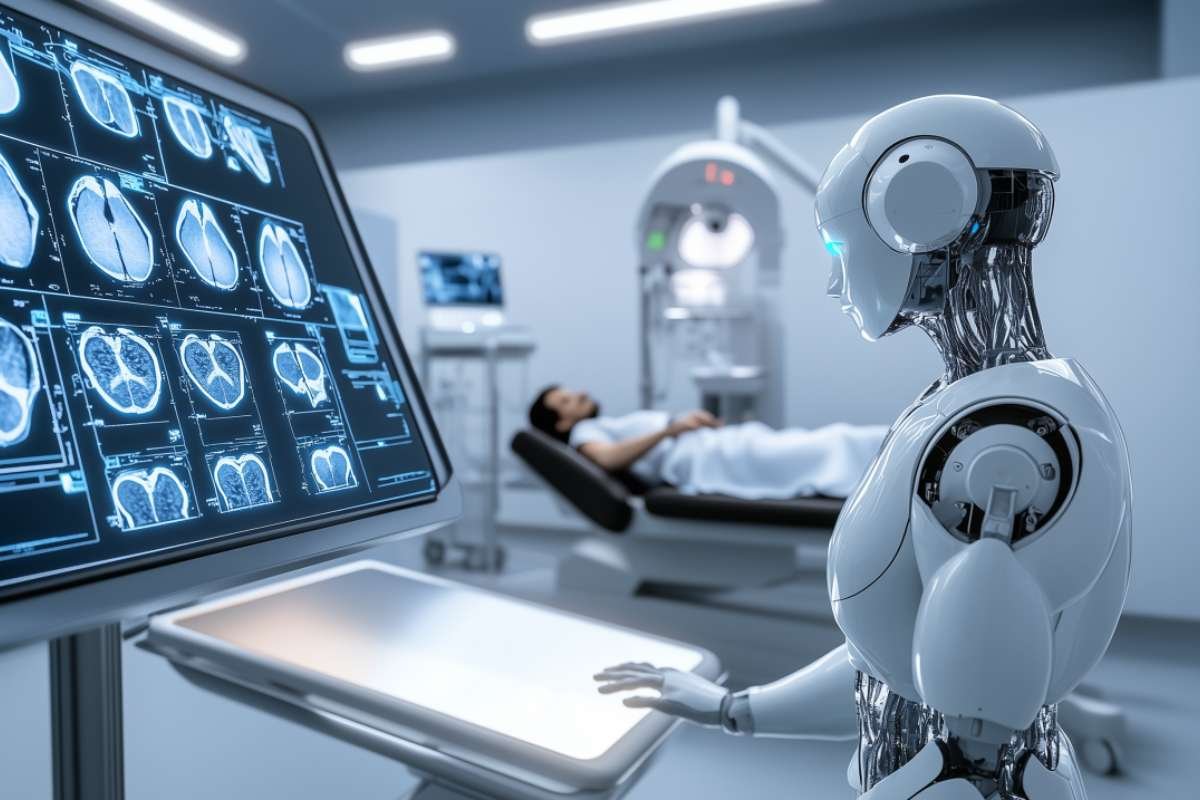
AI is likely to become more closely connected with medical devices, imaging systems, patient monitoring, and clinical workflows.
The FDA’s growing list of authorized AI-enabled devices shows that these technologies are moving beyond research into real medical applications. At the same time, healthcare organizations will need strong testing, data protection, monitoring, and human review.
The future of medical AI is therefore less about AI replacing doctors and more about AI helping doctors work with complex medical information.
Conclusion
AI in medical technology is helping healthcare professionals detect diseases, analyze images, monitor patients, assess risks, and support treatment.
Real-world examples already include AI for diabetic-retinopathy detection, image enhancement, heart-risk assessment, insulin dosing, and real-time surgical support.
But medical technology in AI must be accurate, tested, secure, and responsibly used. Human judgment remains important, especially when AI is involved in decisions that can affect patient health.
FAQs
1. What is AI in medical technology?
AI in medical technology is the use of artificial intelligence in medical devices and software to analyze health data, identify patterns, and support diagnosis, monitoring, or treatment.
2. How is AI used in medical diagnosis?
AI can analyze medical images, patient data, and health signals to identify patterns that may indicate disease or health risks. The FDA lists applications including image analysis, early disease detection, diagnosis, and risk assessment.
3. What is an example of AI in healthcare?
Examples include AI systems that detect diabetic retinopathy, improve medical images, estimate heart-attack risk, and support insulin dosing.
4. Can AI replace doctors?
AI is mainly used to support healthcare professionals. Medical decisions still require appropriate clinical judgment, oversight, and accountability.
5. Is medical AI safe?
Safety depends on the specific AI system, its intended use, testing, data quality, monitoring, and regulatory controls. WHO recommends strong ethical safeguards, transparency, human oversight, and protection of patient rights.
6. Why is AI important in medical technology?
AI can process large amounts of medical data quickly and help healthcare professionals identify patterns, support diagnosis, monitor patients, and improve some healthcare workflows.