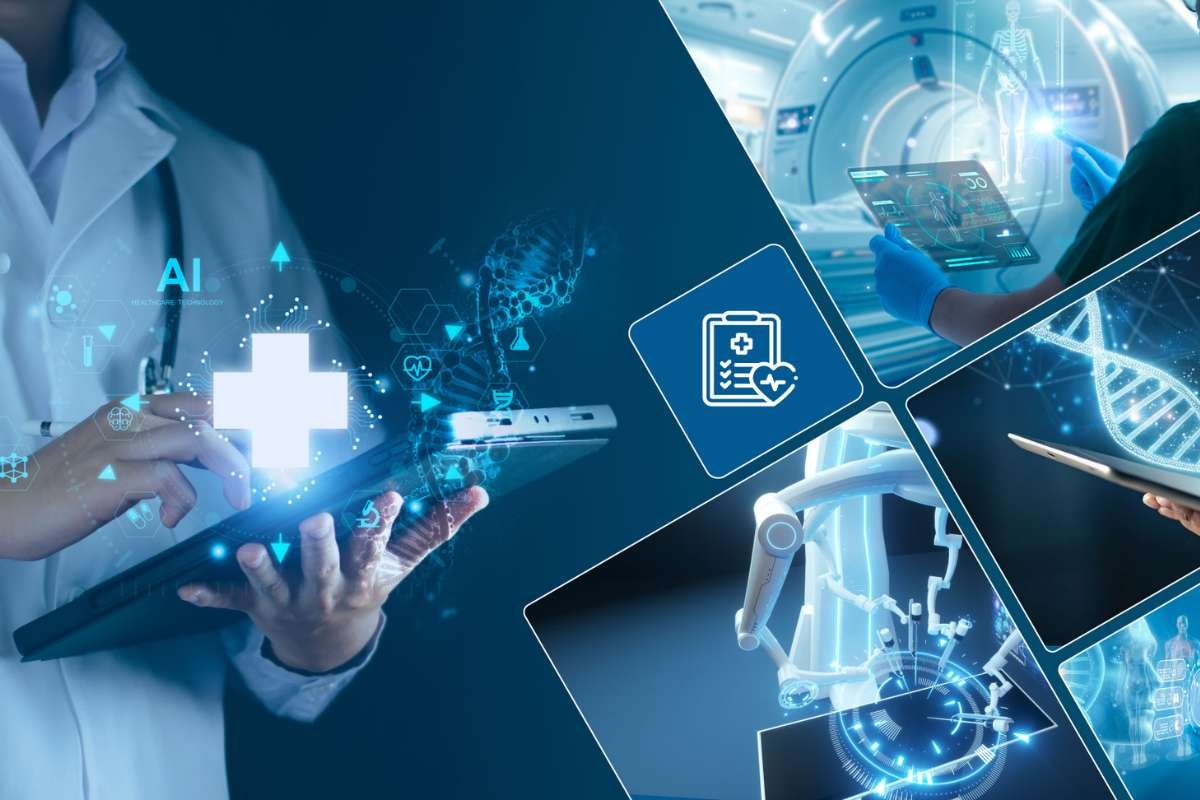
Medical technology has become a central part of modern healthcare. It helps doctors detect diseases earlier, monitor patients, perform complex procedures, and manage health information more efficiently. Medical technology trends are also changing how healthcare providers use connected devices, software, data, and automation.
The term covers much more than hospital machines. It includes diagnostic tests, medical implants, surgical systems, wearable sensors, healthcare software, telemedicine platforms, and other technologies used to support patient care.
The World Health Organization (WHO) defines health technology broadly as the use of organized knowledge and skills through devices, medicines, procedures, and systems to solve health problems and improve quality of life.
So, what are the main types of medical technology?
At a practical level, they can be grouped into four broad areas:
- Medical devices and equipment – technologies used to diagnose, treat, monitor, or support patients.
- Diagnostic technology – tests and systems that help identify diseases and health conditions.
- Wearable and remote-monitoring technology – sensors and devices that collect health information outside traditional clinical settings.
- Digital health and healthcare IT – software, connected systems, electronic records, telehealth, and tools that manage or use health data.
These categories can overlap. A modern glucose sensor, for example, can be both a medical device and a connected digital health technology.
What are the 5 main types of medical technology?
The types of medical technology are broad because healthcare technology supports nearly every stage of care. Here is a simple overview.
1. Medical devices and equipment: the technology behind patient care
Medical devices are among the most familiar forms of medical technology. They range from simple tools to highly advanced systems.
WHO notes that there are an estimated 2 million different kinds of medical devices on the global market, grouped into more than 7,000 generic device categories.
Examples include:
- Pacemakers
- Ventilators
- Infusion pumps
- Blood pressure monitors
- Surgical instruments
- Artificial joints
- Hearing aids
- Prosthetic devices
- Patient monitors
- Robotic surgical systems
The U.S. Food and Drug Administration (FDA) also describes medical devices as ranging from simple products such as tongue depressors to complex programmable pacemakers and robotic surgical systems.
Medical equipment can be further divided by purpose. Cardiovascular devices support heart care, respiratory devices assist breathing, neurological devices support neurological diagnosis and treatment, while implants and prosthetics replace or support damaged body structures.
A real-world example is Siemens Healthineers, whose medical technology portfolio includes computed tomography (CT), magnetic resonance imaging (MRI), X-ray, ultrasound, laboratory diagnostics, molecular medicine, and digital health solutions. Companies leading in medical technology are increasingly combining medical devices with software, connectivity, and data-driven solutions.
Why it matters: These technologies allow healthcare professionals to measure, monitor, diagnose, treat, and support patients with greater precision.
2. Diagnostic technology: finding the problem earlier

Diagnostic technology helps healthcare professionals identify diseases, injuries, and changes in a patient’s health.
WHO describes diagnostics as essential tools for identifying diseases and health conditions and starting appropriate treatment.
Diagnostic technology generally falls into two important areas:
In vitro diagnostics (IVD)
These tests examine samples outside the body.
Examples include:
- Blood tests
- Urine tests
- Pregnancy tests
- Pathology tests
- Genetic tests
- Infectious disease tests
In vivo diagnostics
These examine the body directly or measure physiological conditions.
Examples include:
- X-rays
- CT scans
- MRI scans
- Ultrasound
- ECG
- Pulse oximeters
- Endoscopy
- Blood pressure measurement
Diagnostic technology plays a role in screening, diagnosis, treatment planning, monitoring, and disease surveillance. Medical technology regulations are important in this area because diagnostic devices and tests must meet applicable safety, quality, and performance requirements.
For example, an ECG can record the heart’s electrical activity, while an MRI can create detailed images of internal structures. Laboratory testing can identify biological markers that may indicate infection, disease, or another health condition.
Companies such as Siemens Healthineers operate across both imaging and laboratory diagnostics, showing how diagnostic technology increasingly combines hardware, software, and data.
3. Wearable medical technology: healthcare on the move
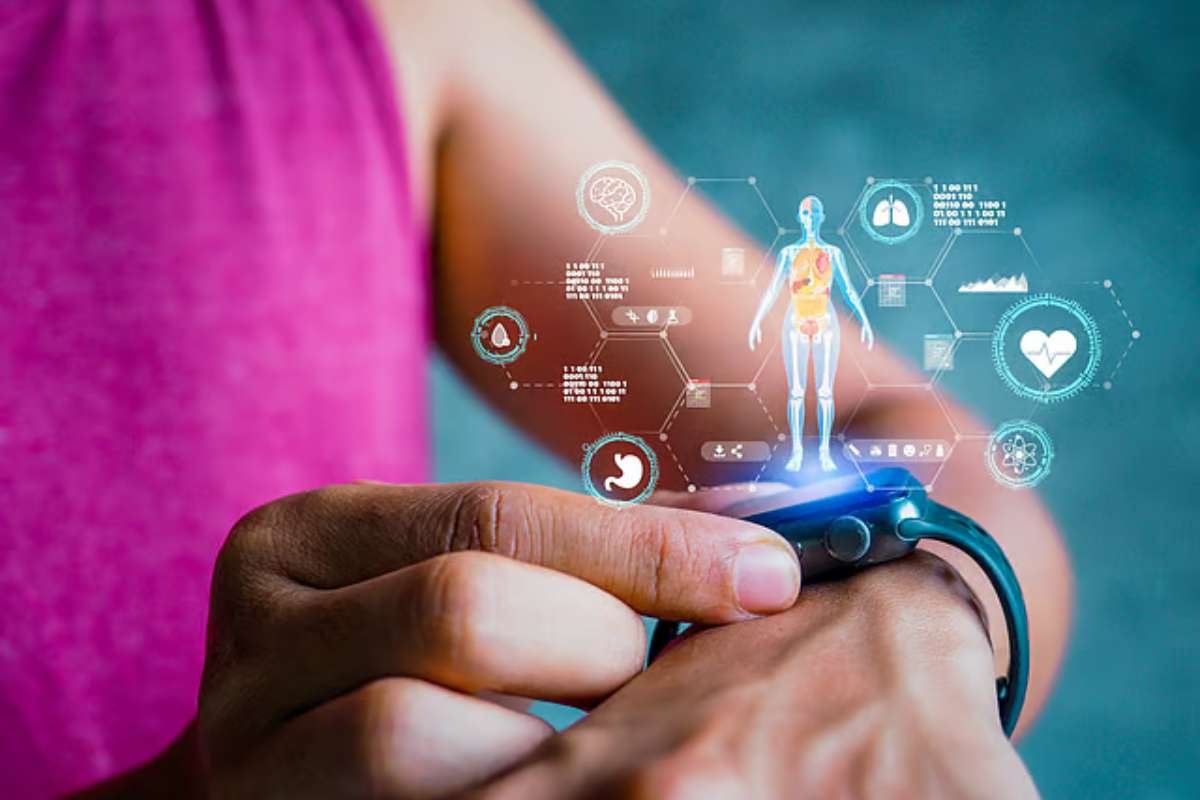
Wearable technology has changed how health information can be collected outside hospitals and clinics. Wearable medical technology, also known as Wearable Technology in Healthcare, includes connected devices that can monitor selected health or fitness measurements.
Wearables include:
- Smartwatches
- Smart rings
- Continuous glucose monitors
- Wearable ECG systems
- Health-monitoring patches
- Fitness and activity trackers
- Remote patient-monitoring sensors
The FDA identifies sensor-based digital health technologies that can be wearable, including smartwatches, rings, patches, and bands. Some are designed for continuous or spot-check monitoring and can be used in non-clinical settings such as the home.
Apple Watch is one widely known consumer example. Apple’s health platform includes features for heart-rate monitoring, ECG, irregular-rhythm notifications, sleep-related measurements, and other health metrics. Apple also states that its health features are developed with clinical experts and supported by scientific validation.
However, an important distinction exists: not every wearable is a medical device.
Some wearables focus on general wellness, such as tracking steps or exercise. Others may have specific medical functions and can fall under medical-device regulation.
The FDA explains that digital health technologies range from general-wellness applications to technologies that meet the definition of a medical device.
This distinction matters when evaluating the reliability and intended use of a health product.
4. Digital health and mobile health: care beyond the clinic
Digital health brings computing, connectivity, software, and sensors into healthcare.
The FDA includes mobile health (mHealth), health information technology, wearable devices, telehealth, telemedicine, and personalized medicine within the broad digital health category.
Common examples include:
- Health and medication apps
- Telemedicine platforms
- Remote patient monitoring
- Digital therapeutics
- Clinical decision-support software
- Mobile health applications
- Online appointment systems
- Connected medical devices
These technologies can help patients communicate with healthcare professionals, access health information, monitor conditions, and manage aspects of their care remotely.
For example, telemedicine can connect a patient with a healthcare professional without requiring an in-person visit for every interaction. Telemedicine vs. in-person care technology is therefore an important comparison when considering how digital tools can support different healthcare needs.
WHO’s digital-health framework also categorizes digital interventions according to how they address individual and health-system needs.
5. Healthcare IT: turning health data into useful information
Healthcare IT focuses on the systems used to store, share, process, and manage health information.
Important examples include:
- Electronic health records (EHRs)
- Electronic medical records (EMRs)
- Hospital information systems
- Laboratory information systems
- Radiology information systems
- Clinical decision-support systems
- Health data platforms
- Patient portals
Healthcare IT can connect information from different parts of a healthcare organization. This can help authorized professionals access relevant patient information and support clinical workflows.
Modern healthcare IT also increasingly connects with medical devices and diagnostic systems. For example, Siemens Healthineers describes healthcare IT solutions that support imaging and laboratory workflows, data management, decision-making, and clinical care.
This shows an important trend in the types of medical technology: hardware and software are becoming increasingly connected with AI in medical technology.
A diagnostic machine may collect information, software may process it, and a healthcare information system may make the result available to the appropriate clinical team.
How these technologies work together
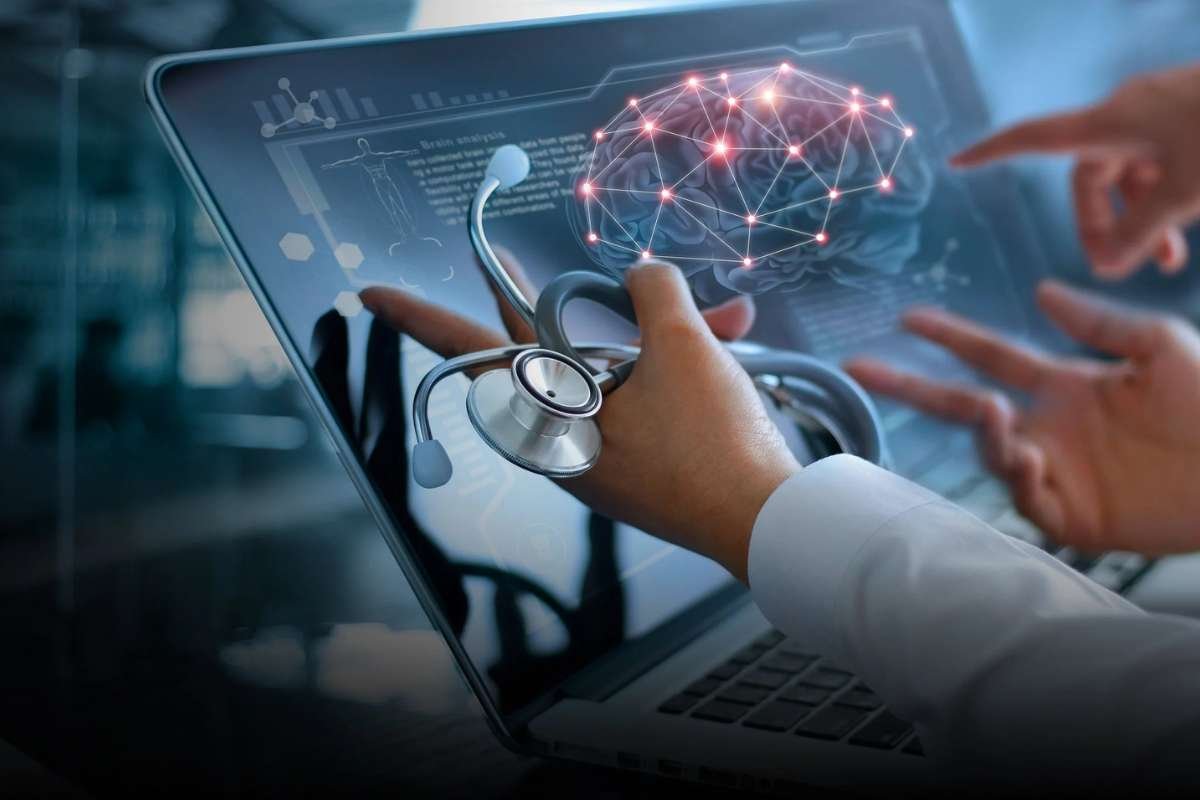
The different types of medical technology should not always be viewed as separate systems.
Consider a patient with diabetes.
A glucose-monitoring device can collect glucose data. A connected application can display and organize the information. A healthcare professional can review relevant data remotely, while an electronic health record can hold broader patient information.
The result is a connected healthcare process rather than one isolated technology.
The same pattern appears in modern imaging. A scanner creates medical images, software processes the information, healthcare professionals interpret the results, and digital systems can store and share the relevant records.
This connection between devices, diagnostics, software, data, and healthcare professionals is one of the most important developments in modern medical technology.
Conclusion
The main types of medical technology include medical devices, diagnostic technologies, wearable and monitoring systems, digital health, and healthcare IT.
From MRI machines and laboratory tests to glucose sensors, smartwatches, telemedicine, and electronic health records, these technologies support different stages of healthcare.
The categories often overlap. A connected medical device can collect patient data, software can analyze it, and healthcare IT can help make the information available to the clinical team.
Understanding these categories makes it easier to see how medical technology is changing healthcare, and why the focus should remain on safe, evidence-based, accessible, and patient-centered use.
FAQs
1. What are the main types of medical technology?
The main types include medical devices, diagnostics, wearables, digital health, and healthcare IT.
2. What are examples of medical technology?
Examples include MRI scanners, X-rays, pacemakers, glucose monitors, ECG devices, and telemedicine platforms.
3. What is diagnostic medical technology?
It includes tests and tools such as blood tests, X-rays, CT scans, MRI, ultrasound, and ECG used to detect health conditions.
4. Are smartwatches medical technology?
Some smartwatch features can qualify as medical technology, while others are designed only for general health and fitness tracking.
5. Why is medical technology important?
It helps healthcare professionals prevent, diagnose, monitor, treat, and manage diseases while improving patient care.