Leading MedTech innovators bridge the gap between technology and clinical reality by embedding AI, continuous monitoring, and automation directly into everyday workflows.
According to McKinsey, digital health tools could unlock $350 billion in annual value, provided they fix operational bottlenecks rather than add complexity.
By analyzing top healthcare leaders, this article breaks down the key strategies turning cutting-edge technology into scalable, life-saving care.
What top 5 companies and researchers teach us about advancing healthcare tech
1. Focus on patient empathy over pure data collection (Praesentia / Hany Demian)
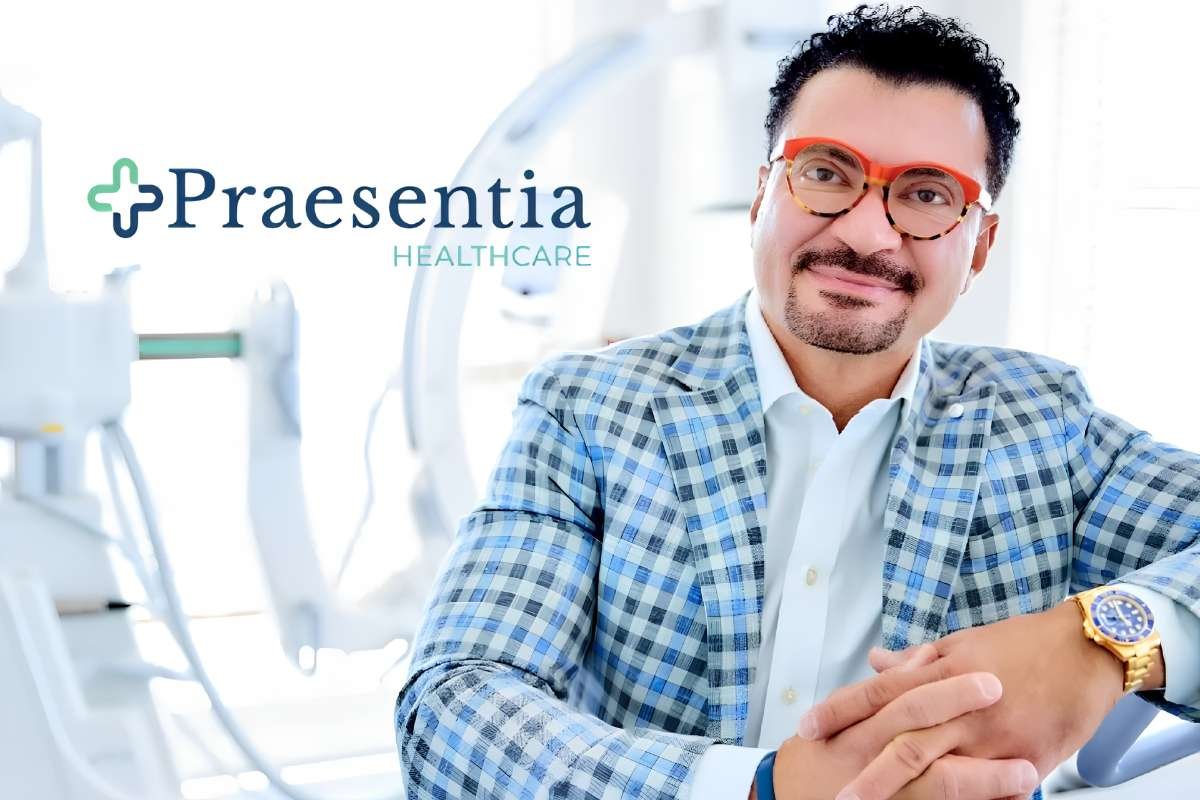
The explosion of digital health platforms has created massive volumes of medical data. However, as featured in cover stories on enterprise health technology, raw data alone does not improve patient outcomes. Hany Demian, founder of Praesentia, emphasizes that true healthtech progress is measured by actionable clinical impact rather than the sheer volume of terabytes collected.
- Real-World Strategy: Praesentia focuses on transforming complex digital streams into empathetic, personalized care plans.
- Key Insight: Medical technologies must translate dense data into clear, actionable insights for providers and patients, reducing administrative friction rather than increasing cognitive overload.
“The healthtech revolution is generating oceans of data, yet true progress is measured not in terabytes, but in human impact.” – Hany Demian.
2. Standardize systems for long-term therapeutic stability (OGRD Alliance / Dr. Ramón Gutiérrez)
In complex fields like oncology and immunotherapy, rapid treatment scaling often fails without systematic rigor. As highlighted by Dr. Ramón Gutiérrez at OGRD Alliance, advancing medical technology requires a disciplined framework focused on system-level stability.
- Verified Stat: According to clinical research published by the National Institutes of Health (NIH), standardized digital tracking in immunotherapy protocols improves treatment compliance and patient monitoring accuracy.
- Key Insight: Innovation must slow down enough to establish reproducible, system-level safety standards before scaling across global hospital networks.
3. Redefine chronic care through decentralized access (Marcos Rabello)

Managing chronic conditions remains one of global healthcare’s highest financial burdens. Healthcare visionary Marcos Rabello demonstrates how shifting chronic care monitoring from centralized hospitals to continuous, home-based digital systems fundamentally transforms outcomes.
- Real-World Strategy: Rabello’s models in Brazil leverage remote patient monitoring (RPM) and mobile health software to bridge geographical gaps in specialized care.
- Key Insight: The future of medical device technology is decentralization, delivering hospital-grade monitoring straight into patients’ homes.
4. Target precision therapeutics with AI and biomarkers (Antharis Therapeutics / Dr. Raphael Ribeiro-Pinaud)
Oncology is shifting away from broad-spectrum treatments toward highly targeted therapies. Dr. Raphael Ribeiro-Pinaud, a leading visionary at Antharis Therapeutics, highlights how coupling artificial intelligence with biomarker discovery accelerates the development of novel antibody treatments.
- Verified Stat: The World Health Organization (WHO) notes that early-stage targeted diagnostics and AI-driven precision therapies can double 5-year survival rates across select oncology subtypes.
- Key Insight: Combining machine learning algorithms with biopharmaceutical discovery shortens trial timelines and ensures therapies match specific genetic profiles.
5. Bridge rehabilitation with continuous assistive tech (Dr. Barry D. Jordan)
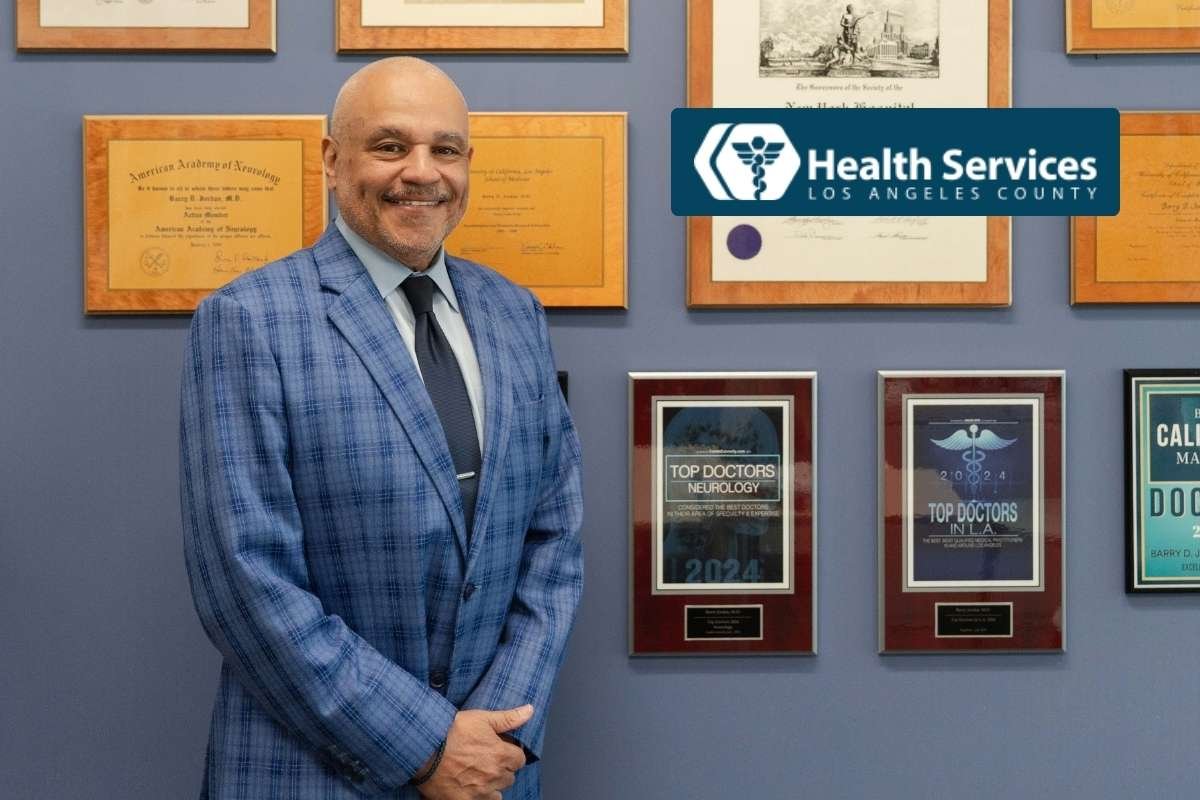
Neurological recovery from stroke or traumatic brain injury requires months or years of structured support. Research pioneer Dr. Barry D. Jordan underscores the role of adaptive medical tech in facilitating continuous neuro-rehabilitation outside traditional clinical settings.
- Real-World Strategy: Implementing smart assistive devices and remote tracking ensures brain injury patients maintain rehabilitation consistency throughout their recovery journey.
- Key Insight: Medical technology should empower patient independence by providing continuous feedback loops between neuro-rehabilitation therapy and daily living.
Key core takeaways from medical technology lessons from leading innovators
| Innovation Pillar | Industry Challenge | Innovator’s Solution | Primary Benefit |
|---|---|---|---|
| Data Utility | Data Overload without context | Patient-centric data synthesis | Reduced provider burnout & better care |
| Systematic Safety | Unpredictable treatment scaling | Standardized protocol frameworks | Higher therapy reproducibility & safety |
| Chronic Care Access | Hospital overload & geographic barriers | Decentralized remote monitoring | Proactive, home-based disease management |
| Oncology Precision | High failure rate of broad therapies | AI-assisted biomarker-targeted therapies | Enhanced drug efficiency & faster trials |
| Neuro-Rehabilitation | Disrupted post-discharge care | Smart assistive tracking systems | Long-term patient independence |
Conclusion
The core medical technology lessons from leading innovators demonstrate that sustainable healthcare progress requires more than just modern software or high-tech devices. True innovation happens when technology serves human empathy, enforces clinical safety, and decentralizes care delivery.
As health systems navigate rising costs and aging demographics, adopting these principles will ensure that future medical technology continues to save lives while remaining accessible to all.
FAQs on medical technology lessons from leading innovators
1. What are the main medical technology lessons from leading innovators?
Leading innovators teach us to prioritize patient empathy over data accumulation, standardize safety protocols, decentralize care through remote monitoring, and leverage AI for precision medicine.
2. How is artificial intelligence transforming diagnostic medical technology?
AI transforms diagnostics by rapidly identifying complex disease patterns, accelerating biomarker discovery, and customizing precision treatment plans.
3. Why is data interoperability important for modern healthtech companies?
Data interoperability enables seamless communication across medical systems to provide clinicians with instant, comprehensive patient histories.