Key Takeaways
- Japan and the U.S. jointly intervened to strengthen the weakening yen.
- Officials signaled readiness for additional coordinated currency intervention if needed.
- Markets now expect a Bank of Japan rate hike in September.
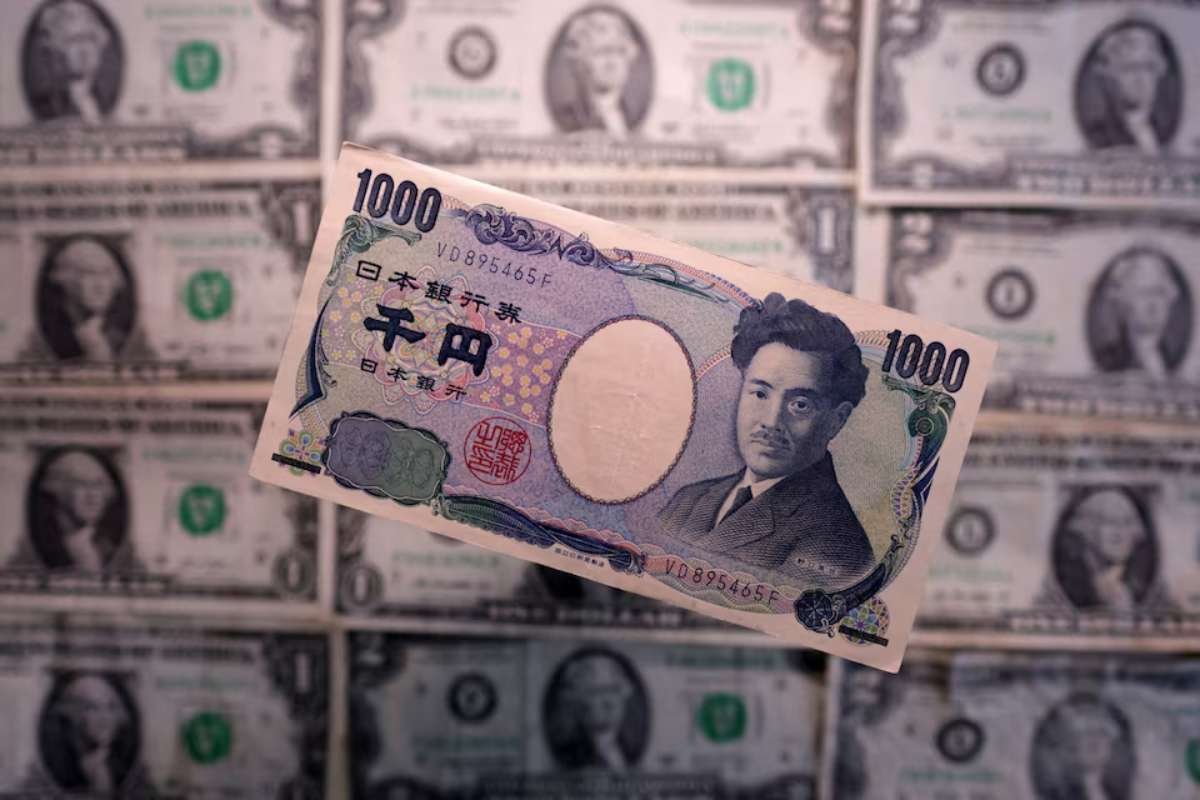
Japan and the United States confirm they jointly bought yen in currency markets to halt the Japanese currency’s slide to a 40-year low, officials say Monday, adding they stand ready to intervene again if needed, as the Japan yen rate remains under close watch.
Japan’s Finance Ministry says the coordinated intervention took place Friday in partnership with the U.S. Treasury Department to steady the Japan yen rate. The action marks the first joint currency intervention by the two countries since 2011, when they worked together after Japan’s devastating earthquake.
Finance Minister Satsuki Katayama says the intervention aims to counter excessive volatility and disorderly movements in the yen.
“We will not hesitate conducting further coordinated intervention,” Katayama tells reporters.
The yen strengthens more than 1% to 155.20 per U.S. dollar following the announcement, reaching its strongest level since early May after falling near 164 per dollar last month, its weakest level in about four decades, moving the Japan yen pair sharply higher.
Officials stress coordination and market stability
Japanese and U.S. officials say the intervention reflects close coordination to reduce financial market volatility and limit broader global risks for the Japan yen.
President Donald Trump says Sunday the United States is helping support the yen as a sign of friendship with Japan and to strengthen the global economy.
Japan’s top currency diplomat, Atsushi Mimura, says the government will continue aligning its currency policy with the Bank of Japan’s monetary policy, as the yen’s swings continue to weigh on Japan’s trade and export performance.
“The joint intervention is the culmination of Japan’s alliance with the United States,” Mimura says.
U.S. Treasury Secretary Scott Bessent also confirms Washington’s participation in Friday’s intervention and says the United States remains prepared to act again if necessary.
“We strongly support Japan’s decisive market and monetary steps to correct the substantial undervaluation of the yen,” Bessent says in a statement posted on X.
Bessent also says the United States is considering expanding the Federal Reserve’s repurchase facility in the coming months. The facility provides temporary dollar liquidity and could help Japan manage future market operations without selling U.S. Treasury securities.
Markets turn attention to Bank of Japan
The intervention shifts investor focus to the Bank of Japan, which last week leaves interest rates unchanged while signaling the possibility of a rate increase at its September policy meeting, a key test for the Japan yen.
Analysts say the coordinated action strengthens expectations that the central bank could tighten monetary policy sooner rather than later.
Naomi Muguruma, chief bond strategist at Mitsubishi UFJ Morgan Stanley Securities, says the latest comments from Japanese and U.S. officials reinforce expectations for a September rate increase.
“I feel like a September rate hike is a done deal,” Muguruma says.
The yield on Japan’s two-year government bond briefly rises to 1.545%, its highest level since 1995, as markets price in a greater likelihood of higher interest rates.
Japan has struggled for months to stabilize the yen as higher import costs fuel inflation and weigh on households. Previous unilateral intervention by Tokyo and the Bank of Japan’s June rate increase provide only temporary support for the currency.
Some economists caution that coordinated intervention alone may not reverse the yen’s long-term weakness because higher energy costs and the gap between Japanese and U.S. interest rates continue to pressure the currency.
“The announcement effect of joint intervention is much bigger than solo action by Japan,” says Tsuyoshi Ueno, senior economist at NLI Research Institute, echoing broader coverage of the intervention. “But the fundamentals driving yen weakness haven’t changed.”