Key Takeaways
- Kioxia’s planned U.S. listing could attract more global AI-focused investors.
- Improved U.S. liquidity could make Kioxia easier for large funds to invest in.
- Kioxia shares have surged 456% this year, leading Nikkei 225 gains.
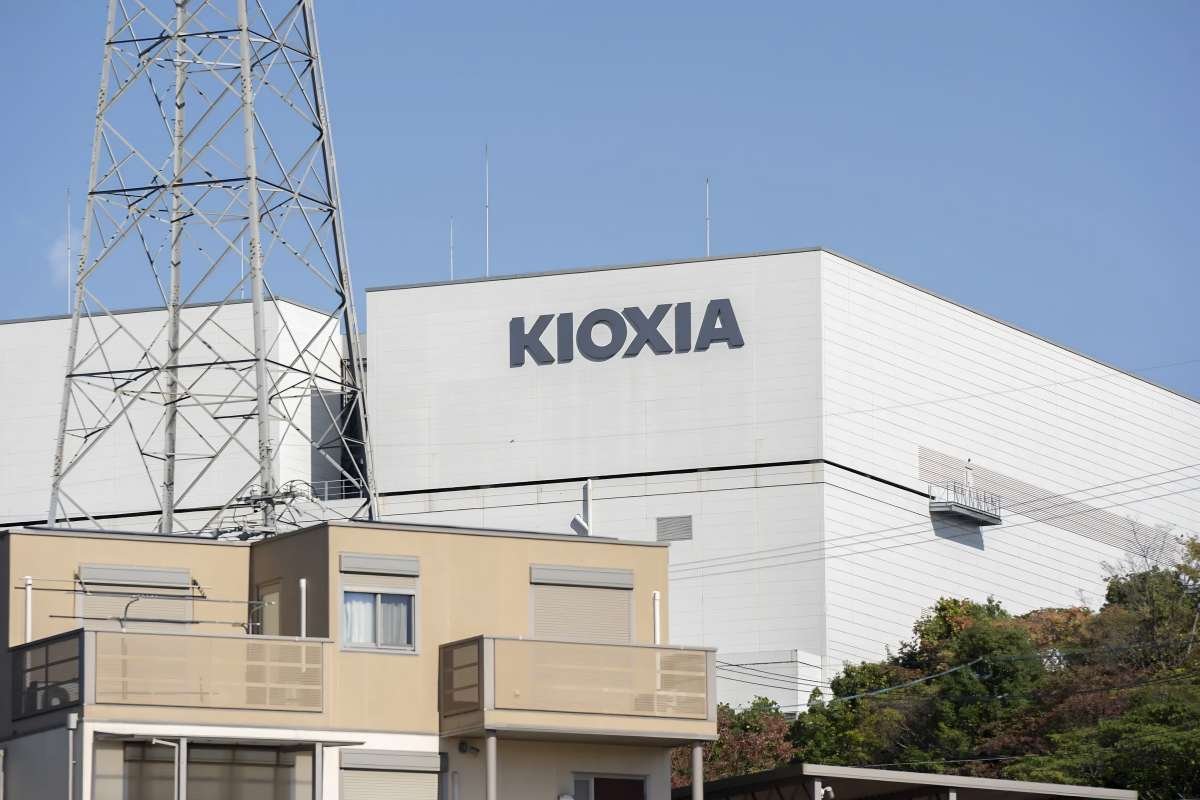
The planned Kioxia U.S. Listing could boost the Japanese chipmaker’s visibility among global AI investors by improving access to liquidity, Voya Investments portfolio manager Sebastian Thomas said.
U.S. listing could broaden Kioxia’s investor base
Kioxia, a major Japanese memory-chip maker, said in May it was preparing to list American depositary shares in the United States as it seeks to expand its investor base.
The company’s shares have surged 456% this year, making Kioxia the strongest gainer on Japan’s benchmark Nikkei 225 index. The rally reflects growing investor interest in companies tied to the artificial intelligence boom and the semiconductor supply chain.
Thomas, who leads Voya Investments’ $14 billion Global Artificial Intelligence fund, said U.S. trading could help overcome one of the main obstacles to investing in Japanese technology companies: limited liquidity.
“There are a lot of interesting companies in Japan, particularly that are part of the supply chain,” Thomas said in an interview with Reuters on Thursday. “It’s an issue of finding ones that have sufficient liquidity where we can invest.”
Kioxia is not currently held by the Voya fund, and neither are several Japanese technology companies that have helped drive the Nikkei’s gains. Thomas said the fund has invested in Japanese companies in the past but generally favors larger, more liquid stocks.
Liquidity remains a key hurdle
Thomas said a U.S. listing could make Japanese companies easier for international investors to access, pointing to South Korea’s SK Hynix as an example.
SK Hynix listed on the Nasdaq in July, a move that Thomas said changed the liquidity calculation for investors. Voya has exposure to SK Hynix as well as U.S.-listed memory-chip maker Micron Technology, giving the fund exposure to the memory-chip sector without holding Kioxia.
“We tend to skew a bit more liquid and larger,” Thomas said.
The potential Kioxia U.S. Listing comes as investors continue to focus on the companies supplying the computing infrastructure needed for AI systems. Memory chips are an important part of that infrastructure, particularly as demand for AI-related computing capacity grows.
Voya fund focuses on AI infrastructure
The Voya Global Artificial Intelligence fund has generated about 600% in cumulative returns since its launch 10 years ago this month, calculated on a pretax, distribution-reinvested basis.
The fund invests across the AI industry, with Nvidia as its largest holding. It also owns companies developing AI applications and businesses that could benefit from adopting the technology, including pharmaceutical company Eli Lilly.
The fund is affiliated with Sumitomo Mitsui DS Asset Management and includes about $5 billion in Japanese money. Despite that exposure, Kioxia is not part of the portfolio.
Thomas said the U.S. market could make Japanese companies more accessible to global funds that require sufficient trading liquidity before taking significant positions.
For Kioxia, the Kioxia U.S. Listing could therefore offer more than an additional trading venue. It could give the company greater exposure to international investors seeking semiconductor and AI-related opportunities while addressing the liquidity concerns that have kept some Japanese technology stocks outside large global portfolios.