Key Takeaways
- $100,000 earners increasingly feel financial pressure from rising household costs.
- Gas prices are changing how lower-income shoppers plan and spend.
- Dollar General sees bargain shopping spreading across income groups.
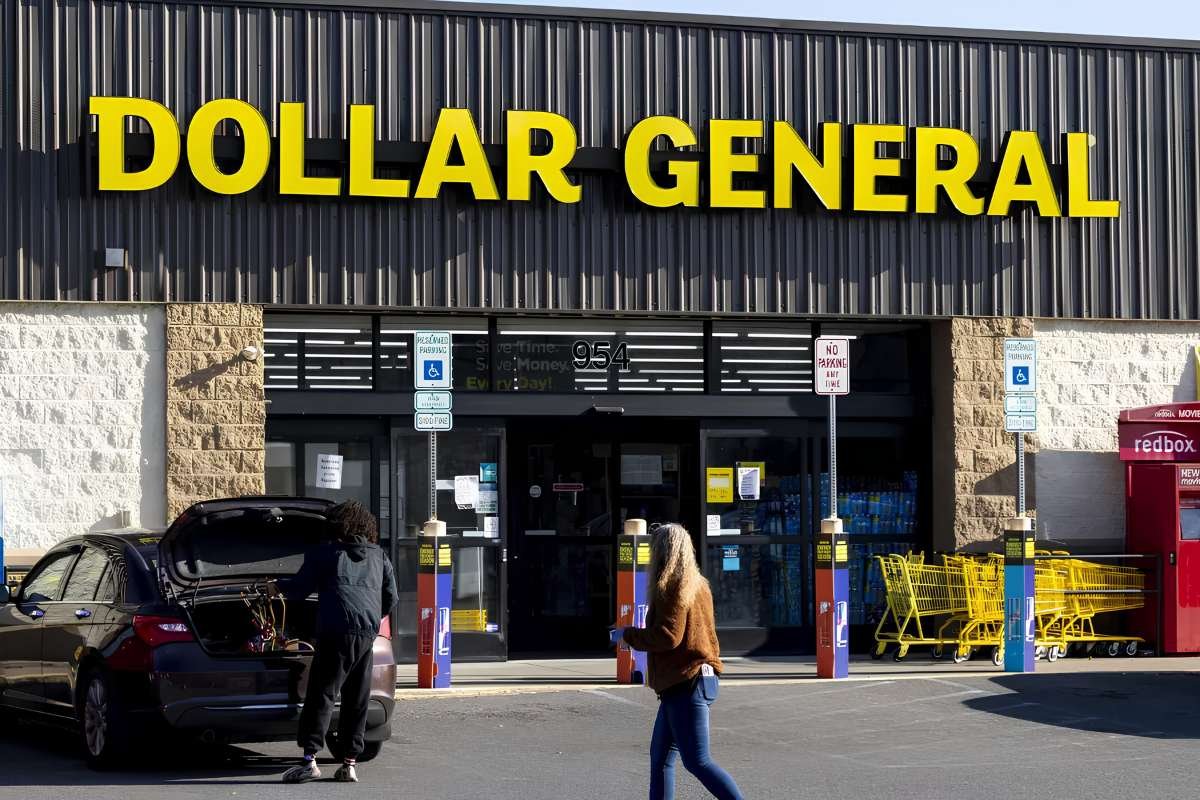
Dollar General CEO Todd Vasos says Americans earning $100,000 or more increasingly are shopping like lower-income consumers as inflation and gasoline prices squeeze household budgets.
Inflation changes how Americans shop
Vasos made the comments Tuesday at the Goldman Sachs Global Consumer and Retail Conference, saying higher costs have changed shopping habits across income groups. He said Dollar General’s core customers, whom he defines as people earning less than $45,000 annually, adjust their behavior when gasoline reaches $4 a gallon.
Those customers tend to shop closer to home, make more frequent trips and spend less during each visit, Vasos said. The pattern reflects uncertainty about future prices and household expenses.
“But the interesting thing with this economy, because of the other sustained headwinds of inflation over the years that have passed, even that middle to upper middle is acting more like a lower-income shopper these days,” Vasos said, according to a Seeking Alpha transcript.
Gasoline prices have added to the pressure. AAA reported a national average of about $4.48 a gallon on Sept. 20, up from about $3.20 a year earlier. AAA said crude oil prices remain elevated amid continued volatility around the Strait of Hormuz.
Vasos said rising costs extend beyond fuel, citing utilities, vehicles, insurance, food and caregiving as expenses affecting household budgets.
Six-figure households cut back
“I would tell you, what we’re hearing more and more from them is ‘I don’t feel like I’m higher income at $100,000 any longer,'” Dollar General CEO Todd Vasos said, pointing to the combined effect of higher living costs.
The comments echo findings from a 2025 Harris Poll survey on inflationary pressure on consumer spending. The survey found that 64% of six-figure earners said earning six figures was no longer a sign of wealth but instead the minimum needed to stay financially afloat.
The survey also found financial pressure among households earning $200,000 or more. Many reported using credit cards, rewards points and buy-now, pay-later services to manage everyday expenses, according to the Harris Poll.
Libby Rodney, chief strategy officer and futurist at the Harris Poll, said the results showed that high earners can face financial anxiety despite their incomes.
“Our data shows that even high earners are financially anxious,” Rodney said in a statement released with the survey.
Michael Green, chief strategist and portfolio manager at Simplify Asset Management, has separately argued that conventional measures of financial hardship may not reflect current household costs. Green wrote that a crisis threshold based on current spending patterns could reach $140,000.
Consumers keep spending despite pressure
Despite the strain, U.S. consumers continue to spend. Retail sales increased 1.2% in August, according to the latest government data, with spending remaining resilient even as inflation and fuel costs weigh on household budgets.
Dollar General CEO Todd Vasos said continued employment is a key reason consumers have been able to absorb higher prices and adjust their spending.
“Having 2,000 items at or below $1 is very meaningful for the consumer, always has, but especially in this environment,” Vasos said.
His comments point to a broader shift in retail behavior: Higher incomes do not necessarily translate into greater willingness to pay when essential expenses rise. For Dollar General, that creates an opportunity to attract shoppers across income groups as households look for lower-cost options.