Key Takeaways
- Inditex plans 20 U.S. expansion projects across Zara, Bershka and Massimo Dutti by 2027.
- Zara is targeting Denver, Phoenix and Pittsburgh for new stores.
- Some middle-income shoppers are shifting from luxury brands toward Zara and Massimo Dutti.
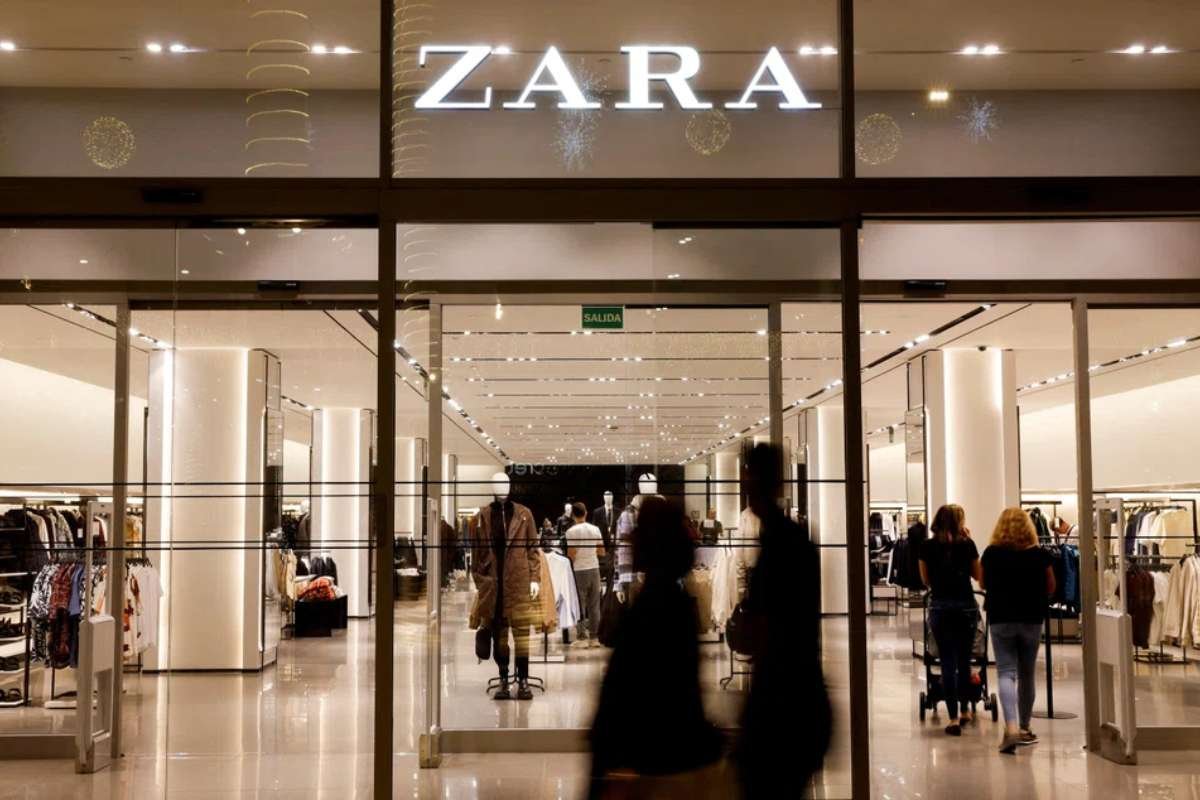
Inditex, the Spanish owner of Zara, is pursuing its Inditex U.S. Expansion with 20 store projects planned through 2027 as it targets selective growth and shoppers moving away from luxury.
Inditex targets U.S. cities
Zara stores are planned for Denver, Phoenix and Pittsburgh, while Inditex will expand its Massimo Dutti and Bershka brands in New York after launching both in Miami.
The U.S. is Inditex’s second-largest market by sales after Spain. The retailer has expanded gradually, using online orders to gauge demand in individual cities before committing to physical stores.
“The U.S., due to the population due to the level of relevance, is attracting a lot of interest,” CEO Oscar Garcia Maceiras told Reuters in London.
The Inditex U.S. Expansion includes 20 projects by the end of 2027, including new stores, expansions and refurbishments across Zara, Bershka and Massimo Dutti. The company is also opening stores in Brazil and South Korea while continuing projects across Europe, which accounts for 67% of total sales.
Garcia Maceiras said the company is focused on “selective growth” and wants each store to be profitable.
Bigger stores, fewer locations
Inditex has changed its store strategy since the pandemic, reducing its global store count while increasing its focus on larger flagship locations.
The company now has about 2,000 fewer stores than it had in January 2019. Its store count has fallen 27% from its peak, while total selling space has declined only 7%.
“As the business has scaled they’ve been able to access more prime locations, so that has enabled them to reduce the store count but actually improve the quality of where they’re selling and attract more footfall,” said Edward Kevis, global equity fund manager at Aviva Investors in London and an Inditex shareholder.
Inditex is also using refurbished stores to improve sales performance. Garcia Maceiras said Zara’s Oxford Street store in London, which reopened in June after a five-month renovation, has produced a “significant improvement” in conversion rates, or the share of browsing customers who make a purchase.
Luxury shoppers look to Zara
The Inditex U.S. Expansion comes as luxury fashion companies face pressure from weaker investor expectations about growth. The company’s market value has recently overtaken luxury group Hermes, while Hermes shares have fallen 34% this year and LVMH shares have declined 37%.
Inditex, meanwhile, remains close to a record high reached in August.
Garcia Maceiras said some shoppers are changing how they buy clothing after price increases across luxury fashion. Consumers who once spent more on luxury handbags or shoes may now mix lower-priced brands such as Zara and Massimo Dutti into their wardrobes.
“Many customers are mixing in their wardrobes different types of products, from different segments of the market,” Garcia Maceiras said, adding that there may be “some degree of trading down from luxury.”
Inditex is also expanding its budget brand Lefties, which is often viewed as a competitor to Shein. The European Union’s decision to end duty-free access for e-commerce parcels in July has prompted Shein to raise prices.
Garcia Maceiras, who had previously supported the policy change, said Inditex remains focused on its own business.
“Our global market share is around 2%, so we remain focused on our own business,” he said. “If it’s something that provides the different players a level playing field, the same rules for everybody, for us, it’s fine.”