Key Takeaways
- The policy rate rises to 4.35% with an 8 to 1 vote.
- The inflation forecast reaches 4.8% for the June quarter.
- The economic growth forecast drops to 1.3% for 2026.
- The consumer prices increase 4.6% in March, the highest level recorded.
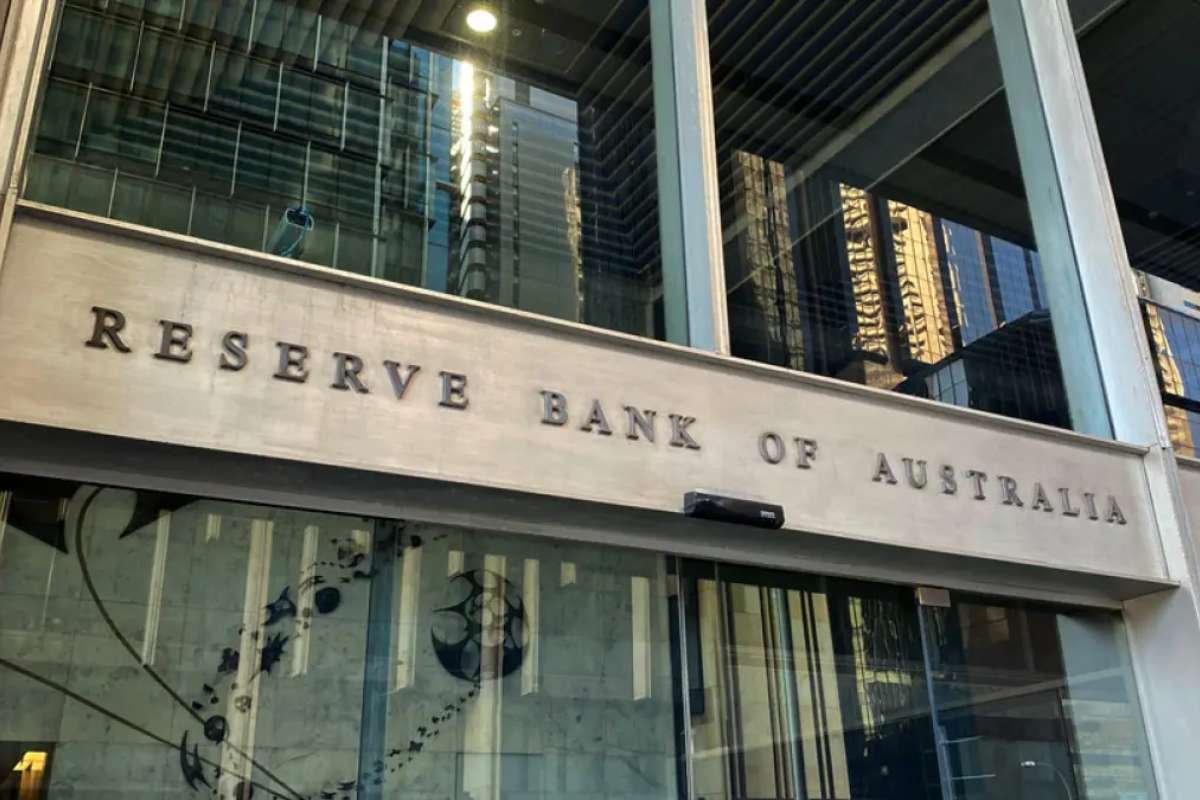
The Reserve Bank of Australia raised its policy rate to 4.35%, matching the peak level recorded in December 2024. The move marks the third consecutive increase and reflects continued pressure from rising prices across the economy. The decision was widely expected and signals a continued focus on controlling inflation, as Australia Raises Interest Rate once again to curb price growth.
Inflation Trends And Policy Direction
The central bank stated that inflation increased during the second half of 2025, supported by higher fuel and commodity prices. These increases have begun to affect a broader range of goods and services. The bank noted that rising fuel costs are contributing to higher overall price levels and may lead to further price increases across multiple sectors.
Inflation is expected to remain above the target range of 2% to 3% for an extended period. The bank revised its projections, with inflation forecast at 4.8% for the June quarter and 4% for the year ending 2026. These figures are higher than the earlier estimates of 4.2% and 3.6%, reinforcing concerns as Australia Raises Interest Rate to address persistent inflation.
Recent data supports this trend. Consumer prices rose by 4.09% in the first quarter compared to the previous year. This marks the highest level recorded in more than two years. In March, inflation increased further to 4.6%, which is the highest level since monthly data tracking began in 2025.
The bank also noted that inflation risks remain elevated. It stated that external cost pressures and supply factors may continue to influence price movements. These conditions suggest that inflation may take longer to return to the target range.
Growth Outlook And Future Rate Expectations
The economic growth outlook has been revised downward. Growth for 2026 is now projected at 1.3%, compared to the earlier estimate of 1.8%. This adjustment reflects the impact of tighter financial conditions and ongoing inflation pressures.
Despite the revised outlook, recent data shows some strength in economic activity. The economy expanded by 2.6% year on year in the fourth quarter, marking the fastest growth rate in two years. This indicates that demand conditions remain stable, even as borrowing costs increase.
The board decision showed strong support for the rate increase. Eight members voted in favor of raising the rate, while one member supported keeping the rate unchanged at 4.1%. This distribution highlights a clear majority view on the need to address inflation through tighter monetary policy, especially as Australia Raises Interest Rate to maintain price stability.
The central bank also indicated that further rate increases may be required. Its projections show that the policy rate could reach 4.7% by December 2026. This level is 50 basis points higher than earlier forecasts. If reached, it would represent the highest policy rate since December 2011.
The outlook continues to be shaped by both domestic and external factors. Price pressures remain persistent, while growth expectations are moderating, reinforcing the trend as Australia Raises Interest Rate to control inflation. The data indicates that inflation control remains the primary focus of monetary policy.
Overall, the combination of elevated inflation, revised growth forecasts, and the potential for further rate increases highlights a period of adjustment for businesses and financial markets. The current policy direction reflects a continued effort to stabilize prices while managing economic growth.