Key Takeaways
- The recall covers 3791 autonomous vehicles with software defect identified.
- The defect rate is estimated at 100 percent by federal regulators.
- The incident occurred on April 20 on a 40 mph roadway.
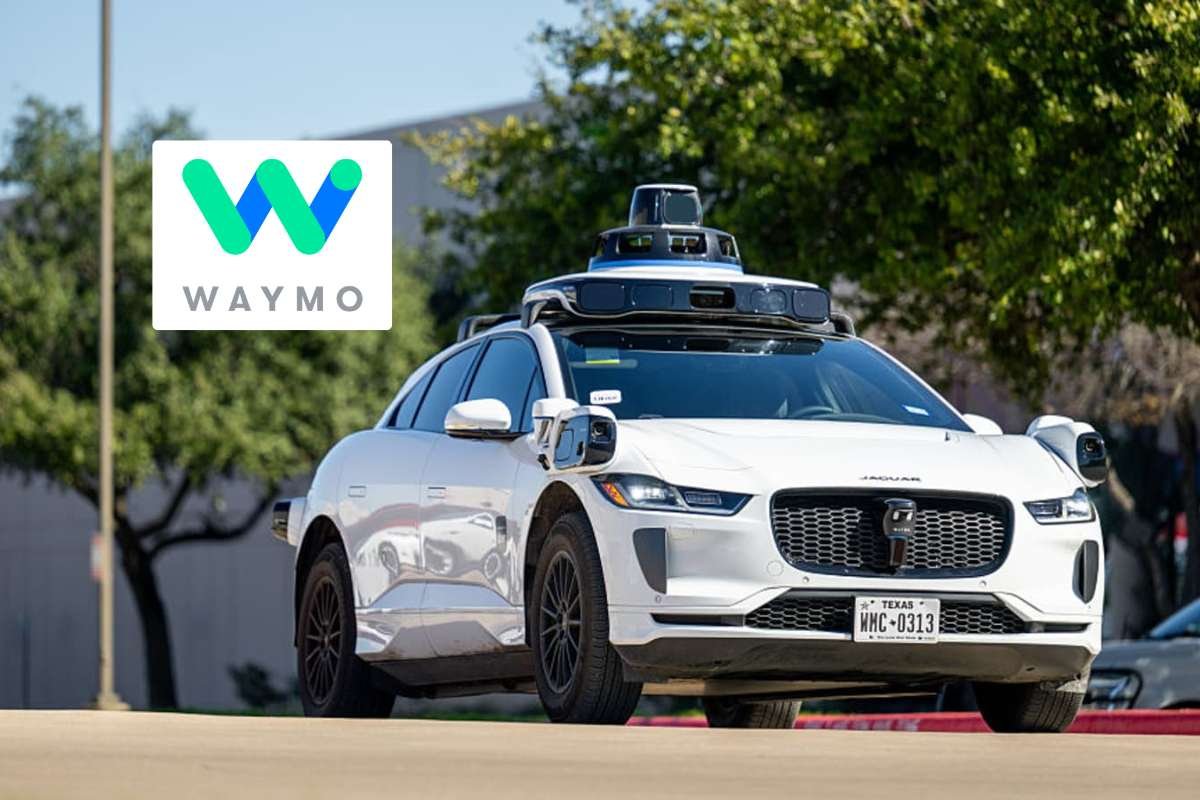
Waymo has initiated a recall of 3791 autonomous vehicles after a software issue was identified in its automated driving systems. The action follows an incident where a vehicle did not fully stop after detecting flooded road conditions, raising safety concerns linked to the Waymo recall.
Software Limitation Identified In Flood Detection Response
According to the National Highway Traffic Safety Administration, the issue affects vehicles equipped with Waymo’s 5th and 6th-generation automated driving systems. Regulators reported that the systems may slow down when approaching standing water but fail to come to a complete stop in certain conditions.
The defect was observed during an incident on April 20, when an unoccupied vehicle encountered a flooded section of roadway with a speed limit of 40 mph. The system identified the hazard but did not execute a full stop response.
Regulators noted that entering flooded road conditions can result in loss of vehicle control, increasing the risk of accidents. Based on the findings, the defect rate across the affected fleet was estimated at 100 percent as part of the ongoing Waymo recall investigation.
The recall applies to vehicles manufactured starting March 17, 2022, and includes units operating across multiple urban markets.
Immediate Software Update And Fleet-Wide Deployment
Waymo responded by implementing software updates on the same day as the incident. The company introduced additional restrictions to improve system response in adverse weather conditions. These updates included changes to weather detection controls and adjustments to mapping data used by the vehicles.
All 3791 vehicles received an interim software update by April 20. The company formally initiated the recall process on April 24.
Because Waymo owns and operates its entire fleet, it was able to deploy the update directly without requiring external notifications or service visits. This allowed immediate mitigation of the identified issue across all affected vehicles.
Waymo currently operates autonomous vehicles in several cities, including San Francisco, Los Angeles, Phoenix, and Austin. The scale of operations required a coordinated update to maintain system performance across different environments.
The recall highlights the importance of continuous software monitoring and rapid deployment capabilities in autonomous vehicle systems. As operations expand, the Waymo recall also underscores how environmental response systems remain critical for maintaining reliability and safety.