A golf ball disappears into a lake or lands deep in the rough. For one golfer, it is a loss. For another business, it is an opportunity to recover, clean, and resell a product that still has value. Clean Green Golf Balls demonstrates how this overlooked market can give used golf balls a second life in the marketplace.
Founded by brothers Rami and Sami Mubasher, the Texas-based company collects used golf balls, sorts them by brand and condition, and resells them to golfers seeking more affordable alternatives to new products.
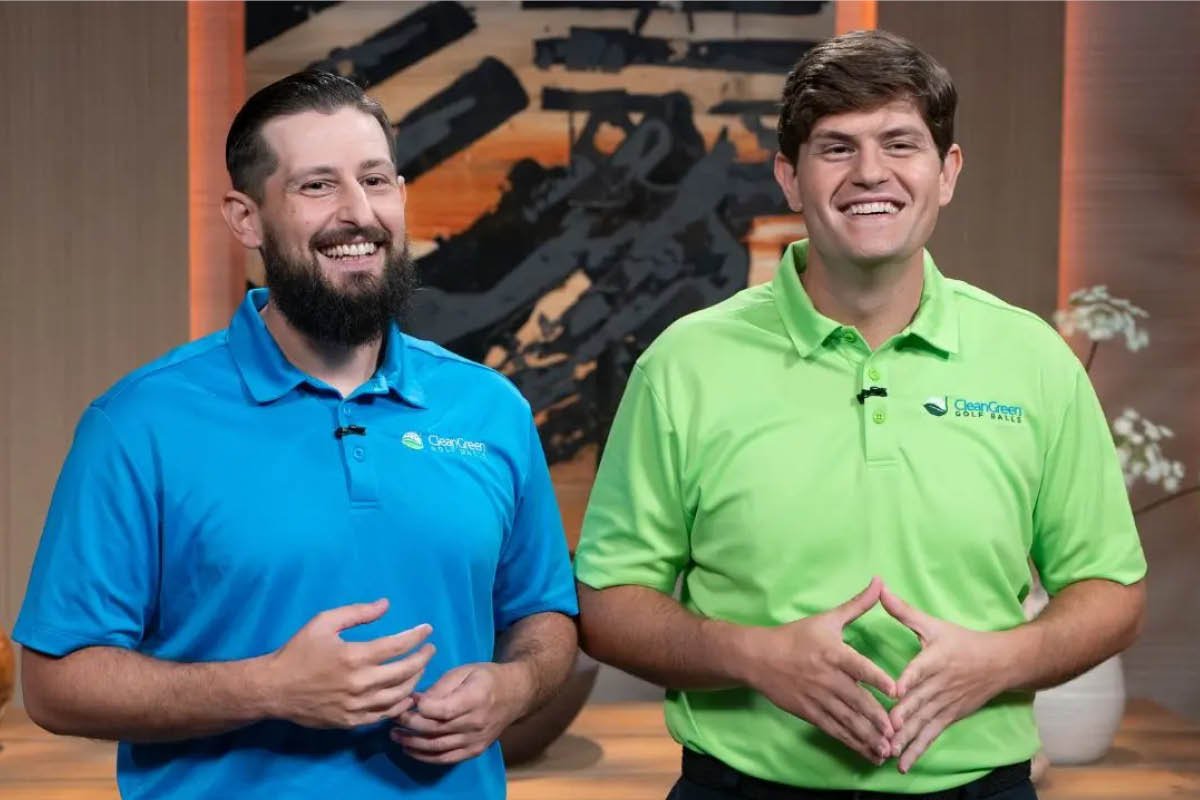
The business appeared on Shark Tank Season 17, Episode 13, which aired on March 11, 2026. ABC’s official episode announcement identifies Clean Green Golf Balls as a family-owned golf ball recycler. The Clean Green Golf Balls on Shark Tank appearance brought its golf ball recovery and resale model to a wider audience.
How Does Clean Green Golf Balls Turn Used Products Into Sales?
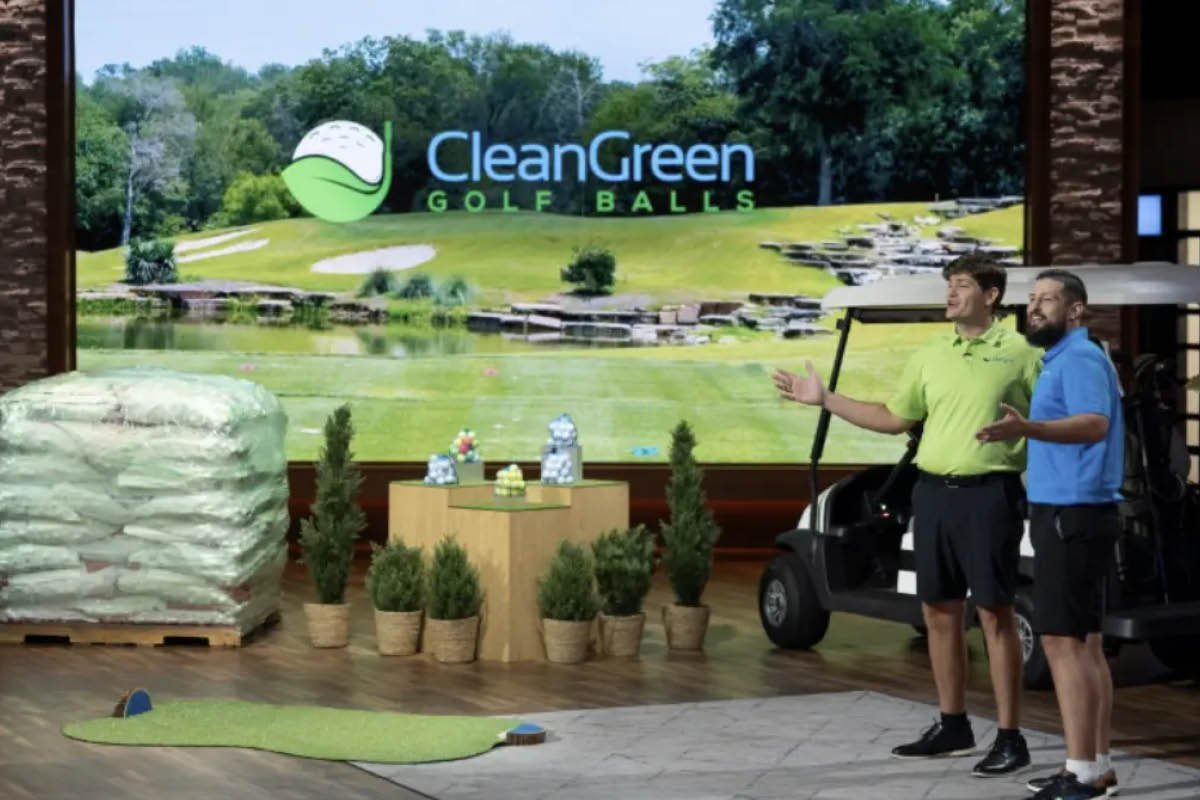
Clean Green Golf Balls collects used golf balls, transports them to its Texas warehouse, and cleans, dries, and sorts them by brand, model, and condition before resale. Its published process outlines these steps.
The official grading guide distinguishes grades such as Mint, Near Mint, and Good, helping customers choose based on condition and budget.
By preparing recovered balls for resale rather than manufacturing new ones, the company creates value through collection, processing, and distribution.
From Lost Ball to Sale
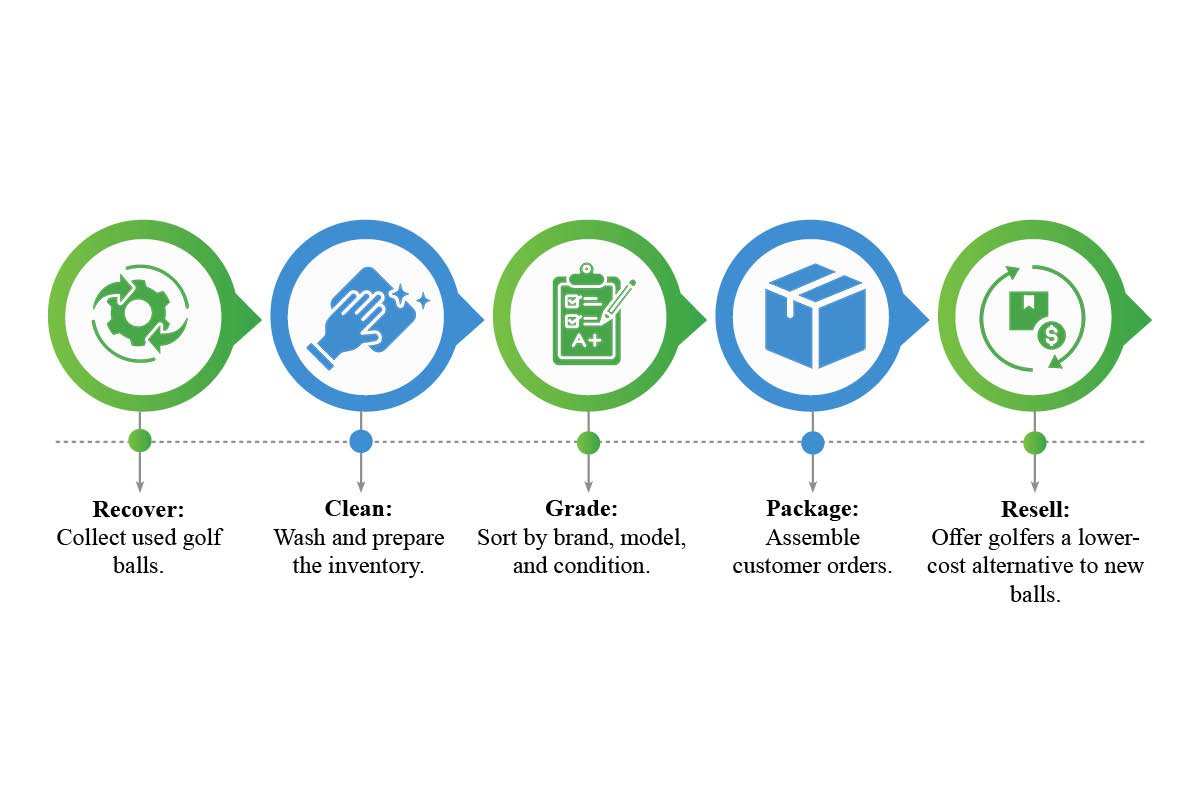
Recover → Clean → Grade → Package → Resell
- Recover: Collect used golf balls.
- Clean: Wash and prepare the inventory.
- Grade: Sort by brand, model, and condition.
- Package: Assemble customer orders.
- Resell: Offer golfers a lower-cost alternative to new balls.
How Did Clean Green Golf Balls on Shark Tank Perform?
The founders reportedly sought $350,000 for 5% equity, implying a $7 million valuation based on their initial offer.
Reported sales figures show growth over several years: $3 million in 2022, $4.3 million in 2023, and $6 million in 2024. The company also reportedly projected $7.1 million in revenue for the year discussed during the pitch. The projection should not be treated as confirmed revenue.
The increase from $3 million in 2022 to $6 million in 2024 represents a doubling of reported annual sales over that period. This suggests the business had found meaningful demand, although sales growth alone does not establish profitability.
The reported final deal was $350,000 for 15% equity, alongside a $1 royalty per unit until $1.05 million had been repaid. This differed from the original offer, increasing the reported equity stake from 5% to 15% and adding a royalty obligation.
The terms illustrate a consideration for entrepreneurs: raising capital involves more than securing an investment amount. Equity affects ownership, while royalties can influence future cash flow. According to the reported deal details, the final agreement included both an increased equity stake and a royalty obligation.
The Shark Tank Deal
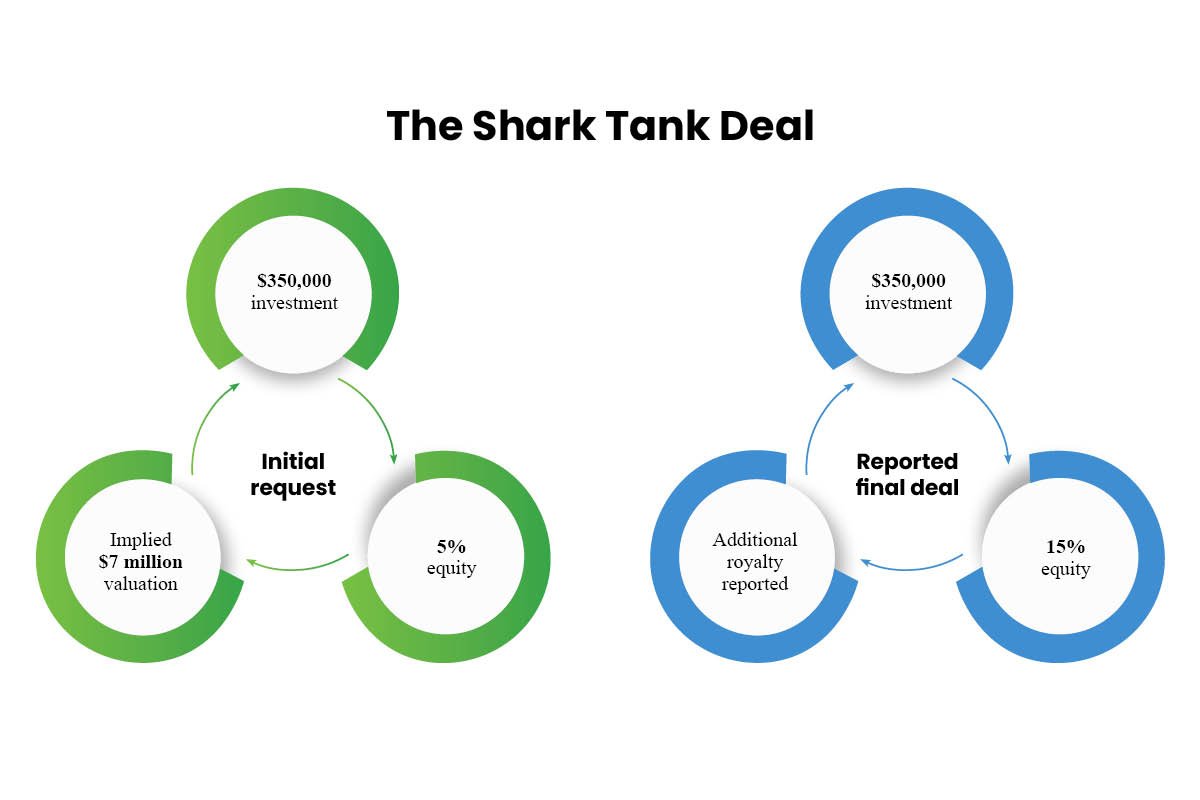
| Initial request | Reported final deal |
| $350,000 investment | $350,000 investment |
| 5% equity | 15% equity |
| Implied $7 million valuation | Additional royalty reported |
Can the Golf Ball Resale Business Generate Sustainable Profits?
Revenue growth can indicate demand, but it does not automatically establish profitability. The financial figures discussed during the Clean Green Golf Balls on Shark Tank pitch offer a starting point for examining the economics of its resale model and the costs that can affect its margins.
The pitch recap reports an average selling price of approximately $1.25 per ball and a landed cost of around $0.32. The difference is $0.93 per ball before other expenses. It should not be interpreted as net profit because the business also needs to cover processing, labour, packaging, fulfilment, marketing, and other operating costs.
The same recap reports annual profit of approximately $700,000, a customer acquisition cost of $14, and an average order value of $50. These figures provide context for the business’s reported performance, but they should be treated as reported pitch figures rather than independently audited financial results.
The reported investment deal also included a royalty arrangement. Before assessing its effect on profitability, the exact contractual terms, including what qualifies as a royalty-bearing unit, need to be confirmed.
The central question is whether the company can retain sufficient margin after all operating expenses while maintaining sales. The reported figures suggest a business worth examining, but they are not enough on their own to establish its long-term financial sustainability.
Understanding the Reported Unit Economics
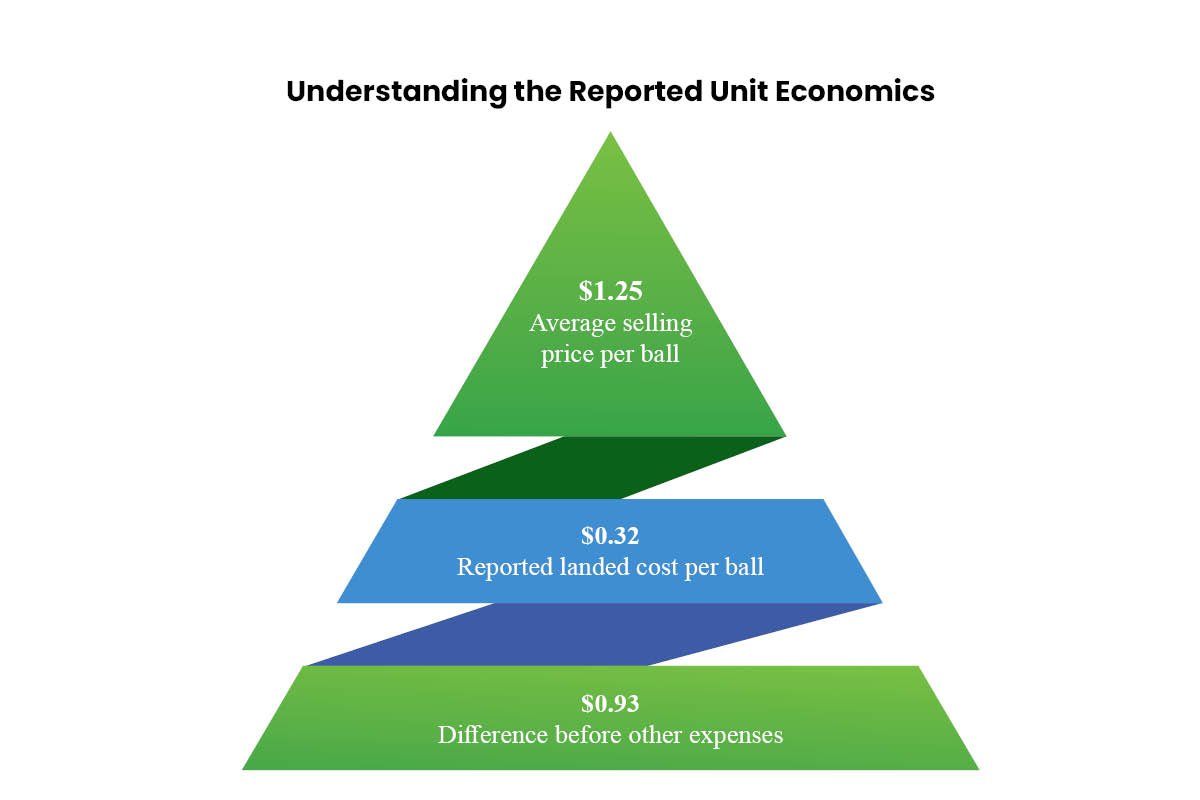
- $1.25 – Average selling price per ball
- $0.32 – Reported landed cost per ball
- $0.93 – Difference before other expenses
Key takeaway: The difference between selling price and landed cost is not net profit.
What Growth Opportunities Could Help the Business Expand?
The Clean Green Golf Balls business model offers opportunities to build on its existing online store by offering recovered golf balls across different brands, models, and condition grades. Its current range of pack sizes also gives golfers options based on their budgets and playing needs. Expanding product selection and making these options accessible to more customers could create opportunities for growth.
The company’s direct online sales channel provides a route to reach buyers beyond its immediate market. However, the extent of these opportunities will depend on customer demand and the company’s ability to maintain product quality and manage fulfilment efficiently. Without published customer-retention data, repeat purchases should be viewed as a potential opportunity rather than an established growth driver.
How Much Can Golfers Save on Used Golf Balls?
Affordability is central to the company’s appeal. Its store offers recovered balls from recognised brands, allowing golfers to consider premium models without paying the full price of new products.
The company has listed a dozen Titleist Pro V1 mixed-year balls at $23.95 and a 48-ball mixed-brand pack at $47.95. Prices and availability can change, so buyers should check the official Titleist Pro V1 listing and mixed-brand pack for current details.
A fair comparison should match the same brand, model, condition, quantity, and shipping costs. Recovered balls may have logos, scuffs, or discoloration, making transparent grading important to customer satisfaction.
For golfers who frequently lose balls, the potential savings can make used products attractive. For the business, competitive pricing can help attract buyers, but prices must still cover the cost of recovering, preparing, and delivering the inventory.
What Challenges Could Limit Clean Green Golf Balls’ Growth?
One challenge highlighted by the Clean Green Golf Balls business model is balancing affordability with consistent product quality. An independent review published by Independent Golf Reviews in February 2023 examined several of the company’s recycled golf ball packs. The reviewer found variations in models, logos, marker marks, and surface scuffs, highlighting the differences customers may encounter when purchasing used rather than new balls.
The company’s own product descriptions also acknowledge that recovered balls may have scuffs, discoloration, logos, and play marks. Its grading system therefore plays an important role in setting customer expectations and helping buyers choose products that suit their needs.
As the business grows, maintaining clear grading standards and accurate product descriptions will be essential to customer trust. Buyers need to understand the condition they can expect from each grade, while the company must maintain consistent quality across its inventory. Balancing product condition with affordability will remain an important challenge as it seeks to retain customer confidence and expand its business.
Does Reselling Used Golf Balls Deliver Environmental Benefits?
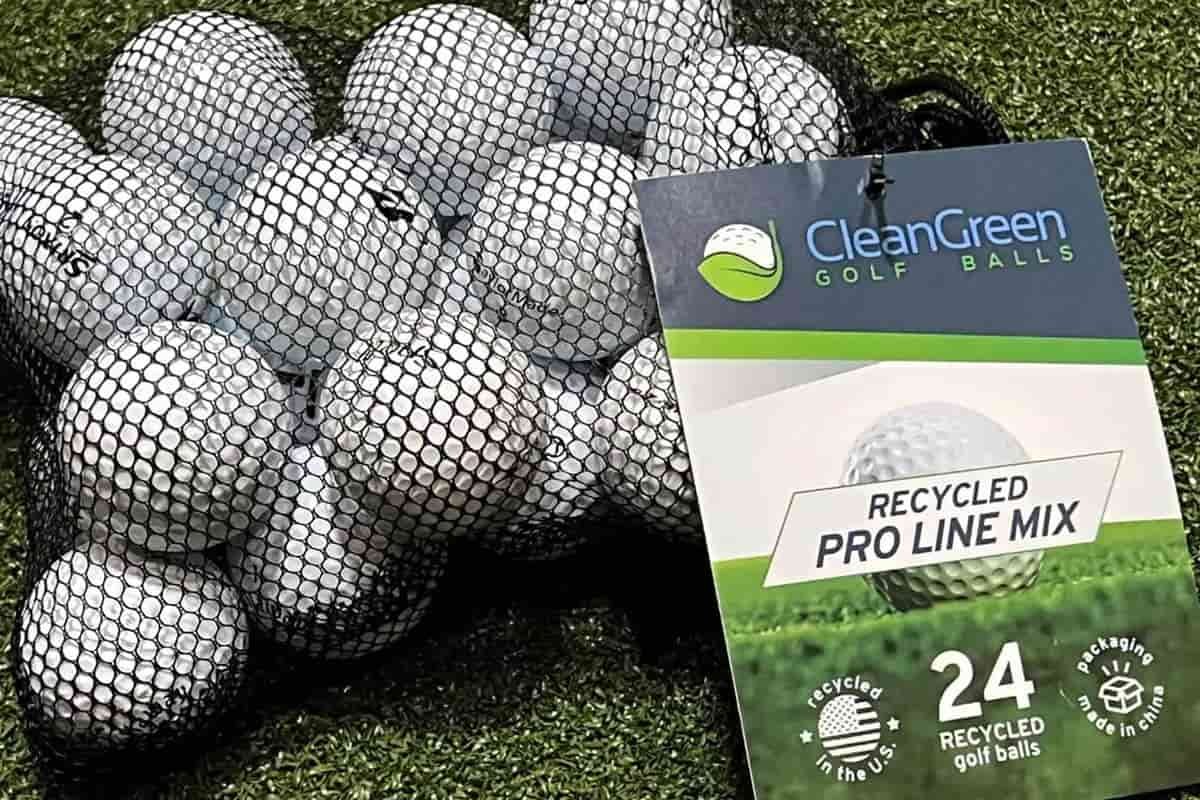
Clean Green Golf Balls recovers used golf balls, cleans them, sorts them by make, model, and condition, and resells them to golfers. Its recovery and processing methods are outlined on the company’s About page, while its grading guide explains how balls are classified by condition.
By returning recovered balls to use, the company operates a reuse-based resale model. However, the scale of its environmental contribution cannot be established without figures on the number of balls recovered and measurable waste or emissions reductions.
The company also describes community initiatives on its social-impact page, including golf equipment donations and support for junior golf. These initiatives illustrate its stated community involvement, separate from the environmental benefits of reusing golf balls.
Conclusion: What Can Entrepreneurs Learn From Clean Green Golf Balls?
The Clean Green Golf Balls on Shark Tank story shows how an overlooked product can become a business opportunity when supported by a practical resale model. Its journey highlights an important lesson for entrepreneurs: finding value in an existing product is only the beginning. Long-term potential depends on earning customer trust through consistent quality, transparent grading, and accessible pricing.
As the company continues to build on its recovery and resale model, its ability to meet customer expectations will remain central to its prospects. Ultimately, Clean Green Golf Balls demonstrates that a discarded product can find a new market, but turning that opportunity into a lasting business requires more than a good idea. It takes the discipline to deliver value consistently, one customer at a time.
Frequently Asked Questions (FAQs)
1. Is Clean Green Golf Balls still in business?
Clean Green Golf Balls has an official online store selling recovered golf balls in different brands and grades. Visit its official website for current products.
2. Did Clean Green Golf Balls get a deal on Shark Tank?
Yes. Reports state the company secured a deal of $350,000 for 15% equity, plus a $1 royalty per unit until $1.05 million was repaid.
3. Are Clean Green Golf Balls legit?
The company sells recovered golf balls that are cleaned, sorted, and graded before resale. Customers can review its official grading guide.
4. How does Clean Green Golf Balls make money?
It recovers, cleans, grades, and resells used golf balls online, earning revenue from customers seeking more affordable alternatives to new balls.
5. How much can golfers save by buying used golf balls?
Savings vary by brand, condition, and pack size. Comparing the price per ball with equivalent new products helps golfers assess the value.
Read More Shark Tank pitches: Snitch India: Five Sharks, One Big Bet and a 25x Valuation Jump