Expense management technology helps businesses automate expense tracking, approvals, and reimbursements. It connects corporate cards, enforces spending policies, and provides real-time expense visibility, making financial management faster, more accurate, and easier.
Managing business expenses has become more challenging than ever. Employees use corporate cards, book travel online, work remotely, and make purchases across multiple vendors and currencies. While these changes improve flexibility, they also create new financial challenges for businesses. Manual expense reports, paper receipts, delayed approvals, and policy violations can lead to higher costs, inaccurate financial records, and compliance risks.
This is where expense management technology plays a vital role. Modern expense management platforms automate the entire expense lifecycle, from capturing receipts and syncing corporate card transactions to enforcing company spending policies and generating real-time reports. Instead of waiting until month-end to review expenses, finance teams can monitor company spending as it happens and make faster, data-driven decisions.
As businesses continue their digital transformation in finance journey, expense management is becoming an essential part of a broader Accounting Technology ecosystem. When integrated with Cloud Accounting, Accounting Automation, and AI in Accounting, expense management solutions help organizations reduce manual work, improve financial accuracy, and gain complete visibility into business spending.
Whether you’re a startup, a growing business, or a large enterprise, adopting the right expense management solution can streamline workflows, strengthen compliance, and support smarter financial planning.
What is expense management technology and why do businesses need it?
Expense management technology is a digital solution that automates expense tracking, approvals, reimbursements, and reporting. It gives businesses real-time visibility into spending, strengthens compliance, reduces manual work, and helps finance teams make faster and more informed decisions.
Businesses today have employees working remotely, traveling frequently, using corporate cards, and making online purchases from different locations. Managing these expenses manually often leads to delays, errors, duplicate claims, and poor visibility into company spending.
With expense management technology, every transaction is recorded as it happens. Finance teams can monitor budgets in real time, identify unusual spending, enforce company policies automatically, and access complete audit records whenever needed. This not only improves financial control but also supports Accounting Automation by reducing repetitive tasks and allowing finance professionals to focus on planning, analysis, and business growth.
How does expense management technology work? Here’s the simple process
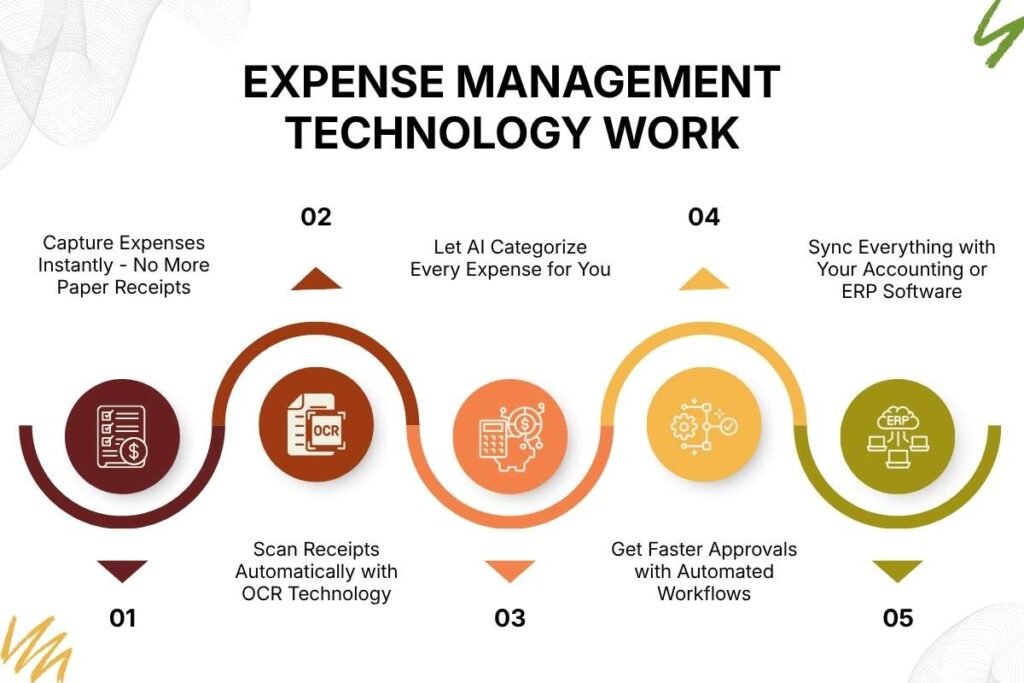
Expense management technology works by automatically capturing business expenses, scanning receipts, checking company policies, sending expenses for approval, and syncing approved data with accounting software. This reduces manual work, improves accuracy, and gives businesses real-time visibility into their spending.
Modern expense management software connects employees, managers, corporate cards, banks, and accounting systems into one automated workflow. Instead of managing expenses manually, every step happens digitally, saving time and reducing errors.
1. Capture expenses instantly – no more paper receipts
The process starts when an employee spends money for business purposes. They can:
- Take a photo of a receipt using a mobile app
- Upload an invoice
- Pay with a connected corporate card
The software records the expense immediately and stores the receipt securely in the cloud.
Example: A sales executive pays for lunch with a company card after meeting a client. The transaction appears instantly in the expense management system, so there is no need to enter the details manually later.
2. Scan receipts automatically with OCR technology
Instead of typing receipt details manually, the software uses Optical Character Recognition (OCR) to read the receipt and extract important information, such as:
- Merchant name
- Purchase date
- Expense amount
- Currency
- Tax details
- Payment method
Employees simply review the information and submit the expense, making the process faster and more accurate.
3. Let AI categorize every expense for you
Artificial Intelligence (AI) automatically places each expense into the correct accounting category based on the receipt and spending history.
| Expense | Automatically Assigned Category |
|---|---|
| Airline ticket | Business Travel |
| Fuel purchase | Transportation |
| Hotel booking | Accommodation |
| Software subscription | Software & SaaS |
| Client lunch | Business Entertainment |
Over time, the AI learns from previous transactions and company rules, making future categorization even more accurate.
This automation also supports AI in Accounting by reducing manual bookkeeping and keeping financial records consistent.
4. Get faster approvals with automated workflows
After an employee submits an expense, the software automatically sends it to the right manager for approval. Approval rules can be based on:
- Expense amount
- Department
- Project
- Employee role
- Business location
- Cost center
For example:
Expenses below ₹5,000 can be approved automatically.
Expenses above ₹50,000 may require approval from both the department head and finance manager.
International travel expenses may need additional executive approval.
This speeds up approvals while ensuring every expense follows company policies.
5. Sync everything with your accounting or ERP software
Once an expense is approved, the software automatically transfers the data to your accounting or ERP system. This removes the need to enter the same information twice.
Popular integrations include:
- SAP S/4HANA
- Oracle Fusion Cloud ERP
- Microsoft Dynamics 365 Finance
- QuickBooks
- Xero
Automatic integration keeps financial records accurate, speeds up month-end closing, and improves financial reporting.
If you’re choosing the right financial system, it’s also helpful to understand the differences between Enterprise Resource Planning (ERP) and accounting software, as expense management solutions can integrate with both based on your business needs.
Core components of expense management technology
Although solutions vary by provider, most platforms include several essential capabilities that work together to simplify expense management.
| Component | Purpose | Business Benefit |
|---|---|---|
| Mobile Expense App | Capture receipts from anywhere | Faster expense submission |
| OCR Technology | Extract receipt information automatically | Reduced manual data entry |
| AI Categorization | Classify expenses intelligently | Higher accuracy |
| Approval Workflow Engine | Automate approvals | Faster reimbursements |
| Corporate Card Integration | Import transactions instantly | Real-time spending visibility |
| Policy Enforcement Engine | Check expenses against company rules | Better compliance |
| Reporting Dashboard | Analyze spending trends | Smarter budgeting |
| Accounting Integration | Sync with financial software | Accurate bookkeeping |
These components form the foundation of a modern expense management technology solution and help finance teams improve efficiency while maintaining greater control over organizational spending.
“For accounting and finance teams, automation reduces data entry errors and speeds reconciliation, allowing stakeholders to focus on higher-value activities such as financial analysis and strategic planning.” – Michael Sindicich, CEO, Navan Expense, Forbes Finance Council.
The 7 powerful features of expense management technology that help businesses control every rupee
Expense management technology helps businesses automate expense tracking, connect corporate cards, enforce spending policies, speed up reimbursements, and provide real-time spending insights. It reduces manual work, improves compliance, prevents unnecessary expenses, and gives finance teams better control over company budgets.
Today, expense management software does much more than store receipts. It combines automation, artificial intelligence (AI), cloud technology, and real-time financial data to simplify the entire expense process, from purchasing to recording it in the accounting system.
1. Real-time corporate card integration for instant expense tracking
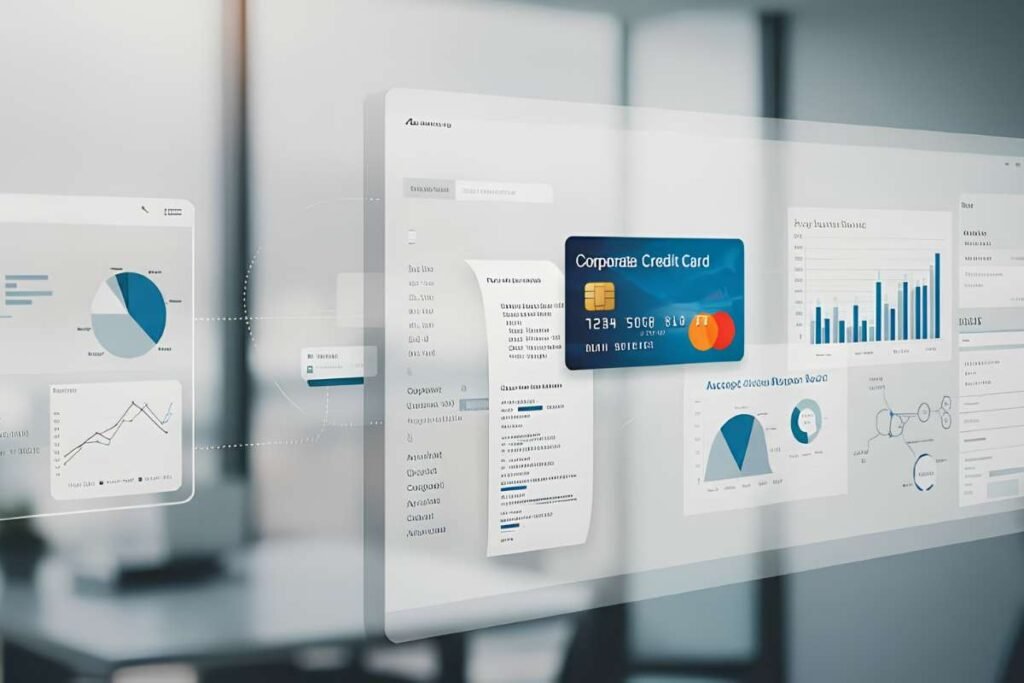
One of the biggest advantages of expense management technology is its ability to connect directly with corporate credit cards and banking systems through secure APIs. Every time an employee uses a company card, the transaction is automatically imported into the expense management platform within seconds.
This means finance teams don’t have to wait for employees to submit expense reports. Instead, they can monitor business spending in real time and quickly identify unusual or unauthorized transactions.
How it works
- An employee pays using a corporate card.
- The transaction is automatically imported into the expense management software.
- The employee uploads or confirms the receipt.
- AI categorizes the expense.
- The software checks it against company policies.
- After approval, the expense syncs with the accounting or ERP system.
Benefits
- Instant transaction capture
- Less manual data entry
- Faster expense reconciliation
- Better cash flow visibility
- Quicker month-end closing
Companies using platforms like SAP Concur and Brex rely on real-time card integrations to improve spending visibility and reduce manual expense reporting.
2. Automated spend policy enforcement prevents overspending
Spend policy enforcement automatically checks every employee expense against company rules before it is approved. It helps businesses reduce policy violations, prevent fraud, and maintain financial compliance without manual reviews.
Every organization has spending rules, but reviewing every expense manually is slow and prone to errors. Modern expense management technology automates this process by checking expenses against predefined policies before they reach the finance team.
If an expense exceeds a spending limit, lacks a receipt, or violates company rules, the system immediately flags or blocks it.
Common spending rules
- Maximum hotel cost per night
- Daily meal allowance
- Travel class restrictions
- Department budgets
- Approved vendors
- Project spending limits
Automatic policy checks
- Duplicate expense claims
- Missing receipts
- Spending limit violations
- Unauthorized merchants
- Budget availability
- GST or VAT compliance
According to the Association of Certified Fraud Examiners (ACFE), strong internal controls and automated monitoring significantly improve an organization’s ability to detect occupational fraud.
3. Mobile expense reporting makes submitting expenses easier

Employees no longer need to save paper receipts until they return to the office. Most expense management platforms include mobile apps that let users submit expenses from anywhere.
Employees can:
- Scan receipts using their phone
- Submit expense reports instantly
- Check reimbursement status
- Receive approval notifications
This feature is especially useful for sales teams, consultants, remote employees, and field service professionals who travel frequently.
4. Multi-currency support simplifies global business expenses
Businesses operating across different countries often deal with multiple currencies and tax regulations.
Modern Expense Management Technology automatically:
- Converts foreign currencies using current exchange rates
- Calculates applicable taxes
- Stores both local and base currency values
- Reduces exchange rate errors
- Simplifies international reimbursements
This helps multinational companies maintain accurate financial records while reducing manual calculations.
5. Smart mileage and business travel tracking saves time
Employees who travel frequently often spend time manually calculating mileage. Modern expense management software automatically tracks travel using GPS and mapping technology.
It can:
- Calculate travel distance
- Apply company reimbursement rates
- Record travel history
- Generate accurate mileage reports
Business travel expenses such as flights, taxis, hotels, meals, and parking can also be combined into one expense report, making reimbursement faster and more organized.
6. Automated reimbursements improve employee experience
Waiting weeks for expense reimbursements can frustrate employees and create unnecessary administrative work. With expense management technology, approved expenses are automatically routed to payroll or payment systems, enabling faster reimbursement processing.
Employees can also track reimbursement status through self-service dashboards, reducing follow-up emails to the finance team.
Case Study: Global organizations using SAP Concur Expense have automated approval workflows that reduce reimbursement delays and provide employees with complete visibility into the status of their expense claims.
7. Intelligent expense analytics helps businesses spend smarter
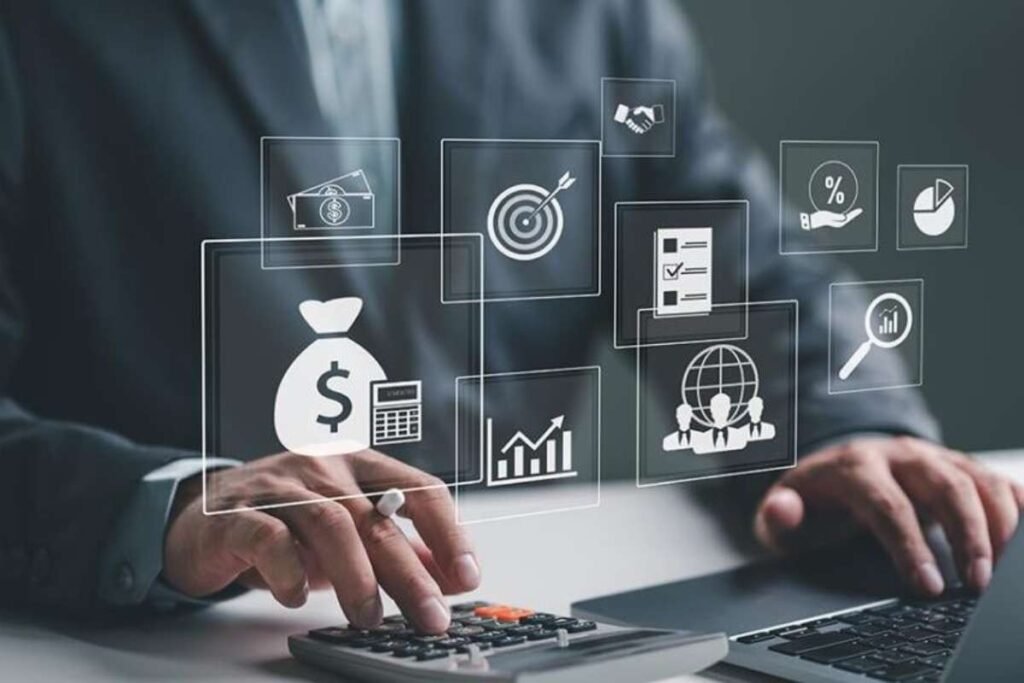
One of the most valuable features of expense management technology is its ability to turn expense data into useful business insights. Interactive dashboards help finance teams quickly identify spending patterns and make informed decisions. Rather than reviewing reports only at month-end, finance leaders can monitor spending trends continuously and take corrective action before small issues become major financial risks.
For example, businesses can easily answer questions like:
- Which department spends the most?
- Which vendors receive the highest payments?
- Are travel expenses increasing?
- Which projects are exceeding budget?
- Where are policy violations happening most often?
These insights help businesses improve budgeting, negotiate better vendor contracts, identify unnecessary expenses, and forecast future spending more accurately. Organizations that regularly analyze expense data are also better positioned to control costs during periods of inflation, optimize resource allocation, and support long-term financial planning.
According to Deloitte’s Global Finance Trends, organizations that use advanced finance analytics make faster and more informed financial decisions than those relying on manual reporting. As finance teams shift from transaction processing to strategic business partnering, intelligent expense analytics has become a critical tool for improving financial performance and operational efficiency.
Conclusion:
Managing business expenses manually is slow, error-prone, and difficult to scale. Expense management technology solves these challenges by automating every step of the expense process, from capturing receipts and tracking corporate card transactions to enforcing company policies and generating real-time reports.
More importantly, it helps businesses spend smarter, not just faster. Finance teams gain better visibility into company expenses, employees receive quicker reimbursements, and leaders can make informed decisions using accurate financial data. When integrated with other accounting technology solutions like Cloud Accounting, Accounting Automation, and AI in Accounting, expense management becomes a key part of a modern, connected finance system that supports long-term business growth.
FAQs:
1. What is expense management technology?
Expense management technology is software that automates business expense tracking, approvals, reimbursements, and reporting. It helps businesses reduce manual work, improve compliance, and monitor spending in real time.
2. Why is expense management technology important for businesses?
It gives finance teams real-time visibility into company spending, reduces errors, speeds up approvals, and helps businesses stay within budget while following company expense policies.
3. How does expense management technology work?
It captures expenses through receipts or corporate cards, automatically categorizes them, checks company policies, routes them for approval, and syncs approved expenses with accounting or ERP software.
4. What are the main features of expense management technology?
Key features include real-time corporate card integration, automated policy enforcement, mobile expense reporting, AI-powered expense categorization, automated reimbursements, and expense analytics.
5. Can small businesses use expense management technology?
Yes. Small businesses can automate expense tracking, reduce paperwork, improve cash flow visibility, and save time without needing large finance teams.