The main types of workforce management include operational, strategic, and adaptive approaches, each shaping how teams are structured, scheduled, and optimized. This article breaks down how these types differ in focus and execution, where each one works best, and what they reveal about efficiency, flexibility, and long-term workforce performance.
Every business needs people to do its work. Teams may work in offices, on shop floors, or from home. Each setup has its own way of getting things done.
Managers must plan time, tasks, and roles so work runs well each day. They also need to make sure workers are not confused or overworked. To do this, many companies use different types of workforce management to guide how teams are set up and how work is shared.
When this is done well, people know their roles and can stay on track. This helps teams work better and keeps the business steady over time.
In this article, we will take a look at the different types in which a workforce is managed and how each type can affect the overall workforce planning. So let us begin!
Types of workforce management strategies
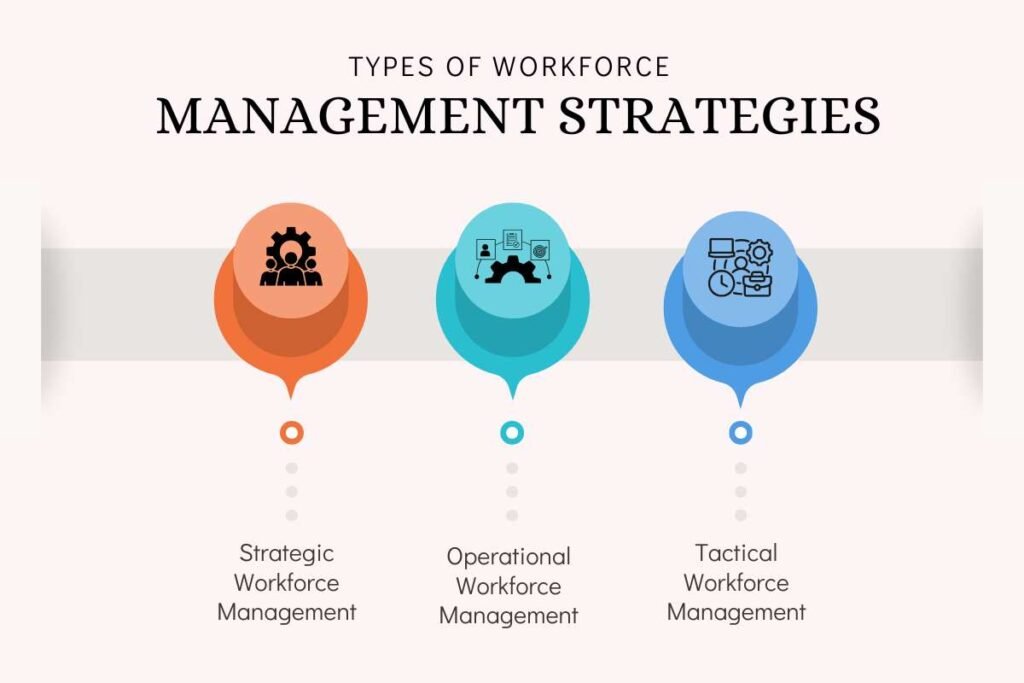
Before choosing a workforce approach, it helps to see how different strategies work. Each type focuses on a different need, from long-term planning to daily execution. Businesses often use a mix of these based on their goals, size, and industry. Understanding the types of workforce management makes it easier to build a plan that actually works.
1. Strategic workforce management
Long-term workforce planning starts with business direction, not headcount. This approach links hiring, training, and team structure with future goals. Leaders look at growth plans, new markets, and skill trends before making decisions. The aim is to build strength early and avoid rushed hiring later. Teams stay ready for change instead of reacting under pressure.
A company planning a new product needs skilled people months in advance. It studies the skills required, checks current gaps, and starts hiring or training early. This avoids last-minute stress and poor hiring choices. The same applies to companies entering new regions, where local talent must be ready before launch.
Pros:
- Aligns workforce plans with long-term goals
- Helps find skill gaps early
- Improves hiring and training decisions
- Reduces last-minute staffing pressure
- Builds a stable and future-ready team
Cons:
- Needs strong data and planning tools
- Takes time to show clear results
- Requires coordination across teams
- Plans must change with market shifts
How to implement:
These types of workforce management plans need to be tied to your business goals. Study growth targets, new projects, and expected skill needs. Use workforce data to find gaps in skills, roles, and capacity. Build a hiring and training plan based on these gaps, and review it often as business needs change. Keep leaders from HR and business teams involved so plans stay aligned and practical.
Best for: Enterprises, scaling companies, and businesses planning expansion or transformation
2. Operational workforce management
Daily work runs well only when the right people are available at the right time. This approach focuses on shifts, attendance, and workload balance. Managers adjust staffing based on demand, absences, and real-time needs. The goal is to keep operations smooth without wasting time or money.
In a hospital, patient flow can change fast. More staff are needed during peak hours, while fewer are needed during quiet periods. Retail stores also see spikes on weekends and holidays. Teams use schedules and demand patterns to match staff levels with actual need. Quick decisions help avoid delays and service gaps.
This is one of the types of workforce management that moves fast. Managers often adjust plans during the day. They respond to absences, demand spikes, and workload changes without delay.
Pros:
- Keeps daily operations stable and efficient
- Improves service quality and response time
- Reduces overstaffing and understaffing
- Makes scheduling and attendance easy to track
- Provides clear short-term performance insights
Cons:
- Focus stays on short-term needs
- Can become reactive under pressure
- Needs constant monitoring and updates
- May ignore long-term workforce planning
How to implement:
Start with clear demand patterns based on past data. Create shift schedules that match peak and low periods. Use tools to track attendance, leave, and workload in real time. Train managers to adjust staffing quickly when conditions change. Review performance often to improve scheduling accuracy and reduce gaps.
Best for: Retail, healthcare, customer service, logistics, and operations-heavy industries
3. Tactical workforce management
Tactical workforce management connects long-term plans with daily work. This is one of the types of workforce management that focuses on short-term needs over weeks or months. Managers adjust staffing, training, and resource use based on upcoming demand. This helps teams stay prepared without making long-term commitments.
A company preparing for a product launch may need extra support for a few months. Instead of hiring full-time staff, it may shift internal teams or hire temporary workers. This helps meet demand without increasing long-term costs. Seasonal demand works the same way, where teams prepare in advance for busy periods.
This approach gives flexibility while still following a plan. It helps avoid sudden pressure and keeps teams ready for short-term goals.
Pros:
- Bridges long-term plans and daily work
- Helps manage short-term demand
- Supports better use of available resources
- Reduces sudden workload pressure
- Allows flexible staffing decisions
Cons:
- Depends on accurate short-term forecasts
- Plans may change quickly
- Needs strong coordination between teams
- Limited impact on long-term workforce strength
How to implement:
Start by reviewing short-term business goals and expected demand. Identify where extra support or skill shifts are needed. Reassign internal staff or hire temporary workers based on this need. Adjust schedules and workloads in advance instead of reacting late. Track results closely and refine plans as demand changes.
Best for: Businesses handling seasonal demand, product launches, short-term projects, or demand shifts
Why is workforce management important?
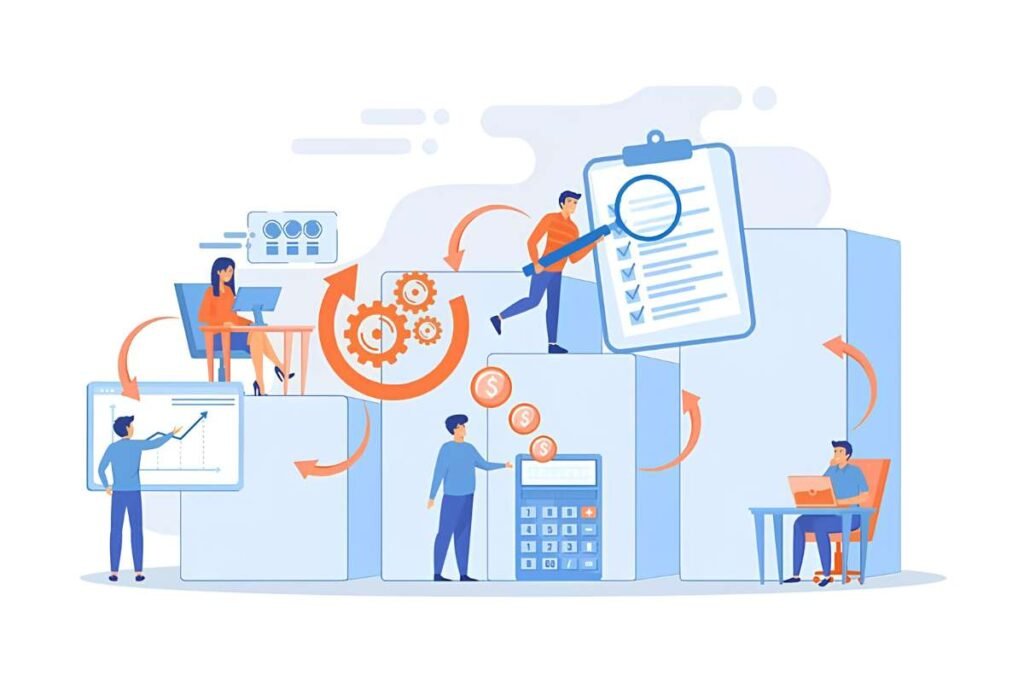
Once the right approach is in place, the real value becomes clear. Workforce management affects how work flows, how teams perform, and how costs are controlled. It shapes both daily operations and long-term results. The points below explain why it matters across the business.
- Improves operational efficiency: Workforce management ensures the right people are available at the right time. This keeps work flowing without delays or gaps. Teams handle demand better and avoid wasted effort.
- Controls labor costs: It helps track working hours, overtime, and staffing levels. Managers can avoid overstaffing or excessive overtime. This keeps costs stable without affecting output.
- Enhances employee experience: Different types of workforce management will have different schedules. Clear schedules and balanced workloads reduce stress. Employees know their shifts and can plan ahead. This improves satisfaction and reduces turnover.
- Supports better decision-making: Managers use data on attendance, demand, and performance. This helps them adjust plans based on real needs. Decisions become faster and more accurate.
- Ensures compliance and reduces risk: Workforce management helps follow labor laws and company policies. It tracks working hours, breaks, and safety rules. This lowers the risk of penalties and disputes.
Workforce management trends in 2026
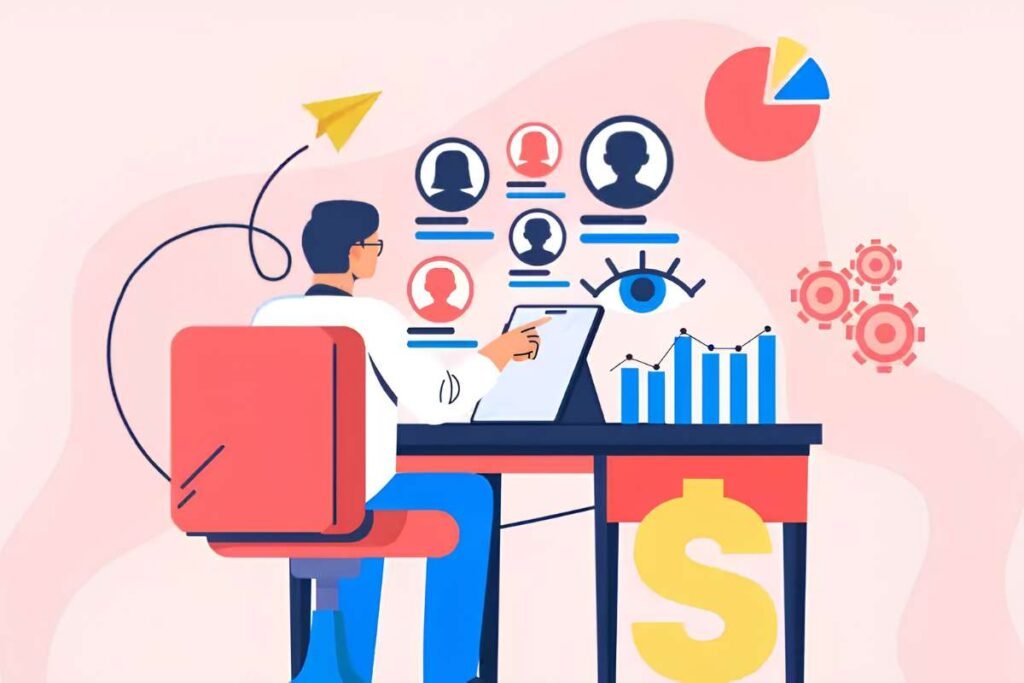
Workforce management in 2026 is shifting toward skills, not job titles. Teams now move based on skills, which makes them faster and more flexible. Managers focus on what employees can do, not just what their role says. This change helps businesses respond quickly to new demands and projects.
Technology is also changing how workforce decisions are made. AI tools now help plan staffing, build schedules, and track performance in real time. Managers use live data to adjust shifts, manage workloads, and avoid delays. At the same time, short-term planning has become more dynamic, with frequent updates based on demand.
This shift toward skills reflects a clear need. 83% of HR professionals and IT leaders agree that skills improvement is imperative within their organisations. This shows why companies are investing in training, upskilling, and internal mobility. Workforce management is about building the right capabilities for the future.
Conclusion:
Good planning helps teams work better each day. When tasks and roles are clear, people can focus on their work without stress. This makes it easier to meet goals and avoid delays.
Managers also need to adjust plans as work changes. Employees may grow, shift, or face new tasks over time. A clear system helps them stay ready for these changes and keep work running smoothly. To support this, many companies use different types of workforce management to guide their teams.
It gives leaders a simple way to stay organized and helps workers stay on track. When used well, it builds strong teams and leads to steady results over time.
People also ask
1. What does workforce management mean?
It is the process of planning, tracking, and guiding how work gets done in a team. It covers schedules, tasks, performance, and staffing needs.
2. Why do businesses use different approaches?
Not all work is the same. A retail store, a remote team, and a factory all operate differently. That is why different types of workforce management are used to fit each setup.
3. What are the main types used today?
Common approaches include time-based scheduling, demand-based planning, etc. Each one supports a different way of working.