Key takeaways
- Apple price increase for several MacBook and iPad models after memory and storage chip costs climbed.
- Strong demand from AI data centers has tightened supply and pushed up component prices across the tech industry.
- iPhones, Apple Watches, and AirPods have not changed in price for now.
Apple has raised prices for several MacBook and iPad models after a sharp jump in memory and storage chip costs, making many of its computers and tablets more expensive.
Apple adjusts prices across MacBook and iPad lineup
Apple has changed prices for several MacBook and iPad models after memory and storage parts became more expensive. The new prices are already live in the company’s online stores in several markets.
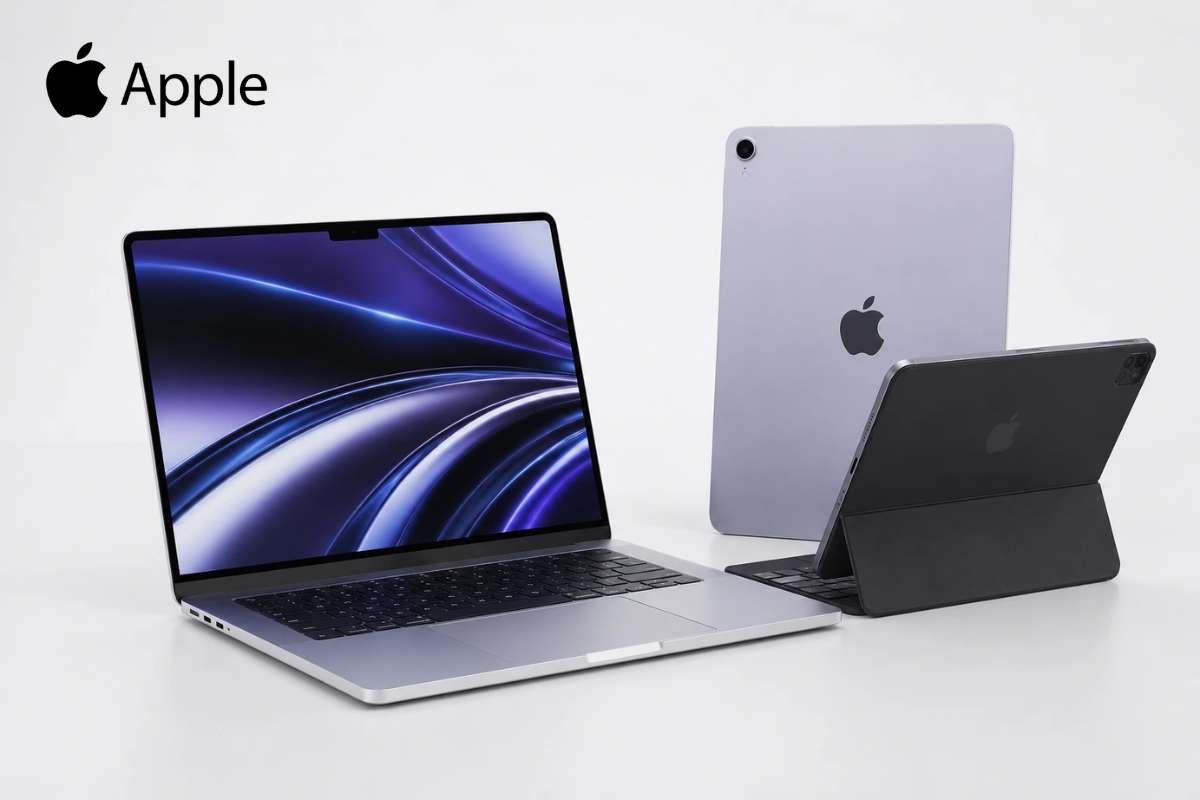
The biggest changes affect both lower-cost and high-end MacBooks, along with several iPad models. The MacBook Neo now starts at $699 instead of $599. MacBook Air models are about $200 more expensive, while some MacBook Pro models cost $300 more than before. Apple price increase for the iPad, iPad mini, iPad Air, and iPad Pro.
The changes cover a wide range of storage and memory options. That matters because buyers often choose higher-capacity models for work, school, and creative tasks. Even small upgrades can now add more to the final price than they did earlier this year.
Apple has not announced similar price increases for the iPhone, Apple Watch, or AirPods. Those products still sell at their current prices. The company has also not said whether the changes will stay in place long-term or spread to other devices later.
Higher memory costs are affecting the tech industry
The price changes reflect a wider rise in memory and storage chip costs across the tech industry. Strong demand for AI data centers has increased the need for DRAM and NAND memory, which has tightened supply for laptops, tablets, and other consumer devices.
Many memory makers have focused on high-value AI server orders. That has left fewer chips available for consumer electronics. As a result, device makers now face much higher production costs than they did a year ago. Industry forecasts also point to more pressure on memory prices in the months ahead.
This shift has created a ripple effect across hardware markets. PC makers, tablet makers, and accessory brands all depend on the same supply chains. When memory prices rise, companies often have to choose between lower margins and higher retail prices.
Apple has more pricing power than many rivals, but it still faces the same component market. The company can absorb some cost increases, yet large jumps in chip prices can still affect its product strategy. That makes memory supply one of the most important cost factors in consumer electronics right now, and a major driver of the Apple price increase across its ecosystem.
Broader impact on consumer electronics
Apple’s decision shows how the global memory shortage is affecting even the biggest tech companies. If supply stays tight, higher component costs could lead to more price changes across the PC, tablet, and gaming hardware markets.
For now, Apple has limited the changes to products that depend most on memory and storage parts. Future pricing will likely depend on how quickly chip supply improves and whether memory costs begin to fall later this year.
The impact may also reach buyers who wait for seasonal sales or back-to-school promotions. Retail discounts can soften the blow, but they may not fully offset the higher base prices if component costs remain elevated. reinforcing concerns around the Apple price increase for entry-level devices less affordable for some shoppers.
For buyers, the changes mean a new MacBook or iPad may now cost more than expected. The wider electronics market is also still adjusting to supply limits caused by the fast growth of AI infrastructure. If those pressures continue, more companies may follow Apple’s lead and adjust prices to protect margins.