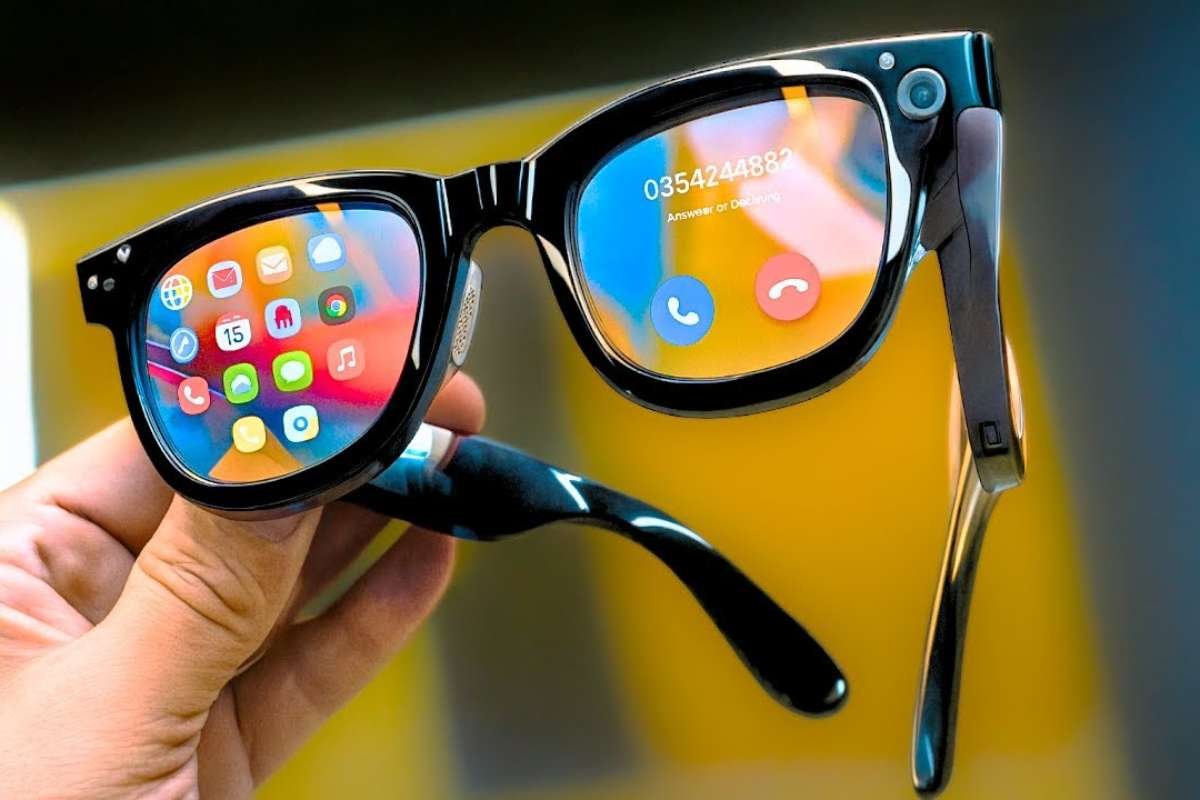
“By 2030, AI-powered wearable devices are expected to become as common as smartphones.”
Industry analysts say the global smart glasses market is already growing at a double-digit pace, fueled by rapid advances in artificial intelligence, lightweight optics, and real-time computing.
What once felt like science fiction is now sitting comfortably on our faces. In 2026, AI smart glasses have evolved far beyond basic notifications or camera features. They translate in real time, recognize objects, enhance hearing, navigate cities, and act as context-aware AI assistants before you even ask. This shift marks a turning point: smart glasses are no longer experimental gadgets but practical, everyday tools.
The real breakthrough lies in usability. The Best AI Smart Glasses available today are slimmer, lighter, and far more intuitive than earlier generations, making them suitable for all-day wear. From professionals seeking hands-free productivity and travelers navigating new environments to creators capturing immersive moments, AI smart glasses are quietly becoming an essential digital companion.
With dozens of options entering the market, this guide cuts through the noise to highlight the top 10 best AI smart glasses in 2026, helping you choose a device that truly fits your lifestyle, needs, and future.
What are AI Smart Glasses?
AI smart glasses are next-generation wearable devices that combine artificial intelligence, augmented reality (AR), and real-time computing into a sleek pair of eyewear. Designed for hands-free use, they deliver information directly in your field of vision, without constantly checking your phone.
In simple terms, AI smart glasses act as a digital layer over the real world.
Key Features of AI Smart Glasses
- AI-Powered Assistance: Understands voice commands, context, and surroundings
- Real-Time Translation: Instantly translates text and conversations
- Object & Text Recognition: Identifies places, objects, and written content
- Navigation Support: Turn-by-turn directions in your line of sight
- Spatial Audio & Voice Control: Natural interaction without screens
- Prescription-Friendly Designs: Built for all-day comfort and daily wear
What Makes Them Different in 2026?
- Lightweight, stylish designs that look like regular glasses
- On-device AI processing with reduced phone dependency
- Proactive AI that offers suggestions before you ask
The best AI smart glasses in 2026 are no longer just gadgets. They’re practical tools for productivity, travel, accessibility, and entertainment, making technology natural, intuitive, and seamlessly part of daily life.
Best AI Smart Glasses Comparison Table (2026 Buyer’s Guide)
Before diving into individual reviews, here’s a quick comparison of the Best AI Smart Glasses available today
| Model | Display Type | Battery Life (Approx.) | Cost (USD) | Best For |
| Snap Spectacles (Gen 4) | Transparent AR waveguide | ~30–45 minutes active use | ~$380 | AR creators & developers |
| Lenovo ThinkReality A3 | Dual micro-OLED | ~2–3 hours (tethered) | ~$399 | Enterprise & professional workflows |
| TCL RayNeo X2 (AR Hybrid) | Full-color waveguide | ~2 hours | ~$699 | Smart navigation & live AR info |
| Rokid Max AR Glasses | Micro-OLED virtual screen | ~3–4 hours | ~$439 | Entertainment & media consumption |
| Rokid AI Glasses Style | No display (audio-first) | ~5–6 hours | ~$299 | Everyday AI assistance |
| TCL RayNeo Air 2 | Micro-OLED | ~4 hours | ~$399 | Portable virtual screen users |
| Solos AirGo V2 Smart Glasses | Optional camera module (no AR display) | ~8–10 hours | ~$299 | Long-wear AI interactions |
| XREAL Air 2 Pro | Micro-OLED with electrochromic dimming | ~4–5 hours | ~$449 | Immersive viewing & productivity |
| Ray-Ban Meta Headliner AI Glasses | No display (audio + camera) | ~6 hours | ~$329 | Social sharing & hands-free AI |
| Ray-Ban Meta Smart Glasses (Wayfarer) | No display (audio + camera) | ~6–8 hours | ~$379 | Best all-round consumer AI glasses |
The table above gives a quick overview of the Best AI Smart Glasses, highlighting how each model differs in AI features, display type, battery life, and price. Some glasses are built for immersive AR visuals, while others focus on voice-based AI and hands-free assistance. Understanding these differences makes it easier to choose the right pair based on your daily needs. Below, we explore each model individually to help you decide which one fits you best.
Top 10 Best AI Smart Glasses: Lowest to Highest Rated Models
The Best AI Smart Glasses in 2026 are ranked from lowest to highest based on overall ratings, considering real-world performance, AI capabilities, comfort, and value for money. This ranking helps you quickly identify which models deliver the most reliable and well-rounded experience.
10. Snap Spectacles (Gen 4)
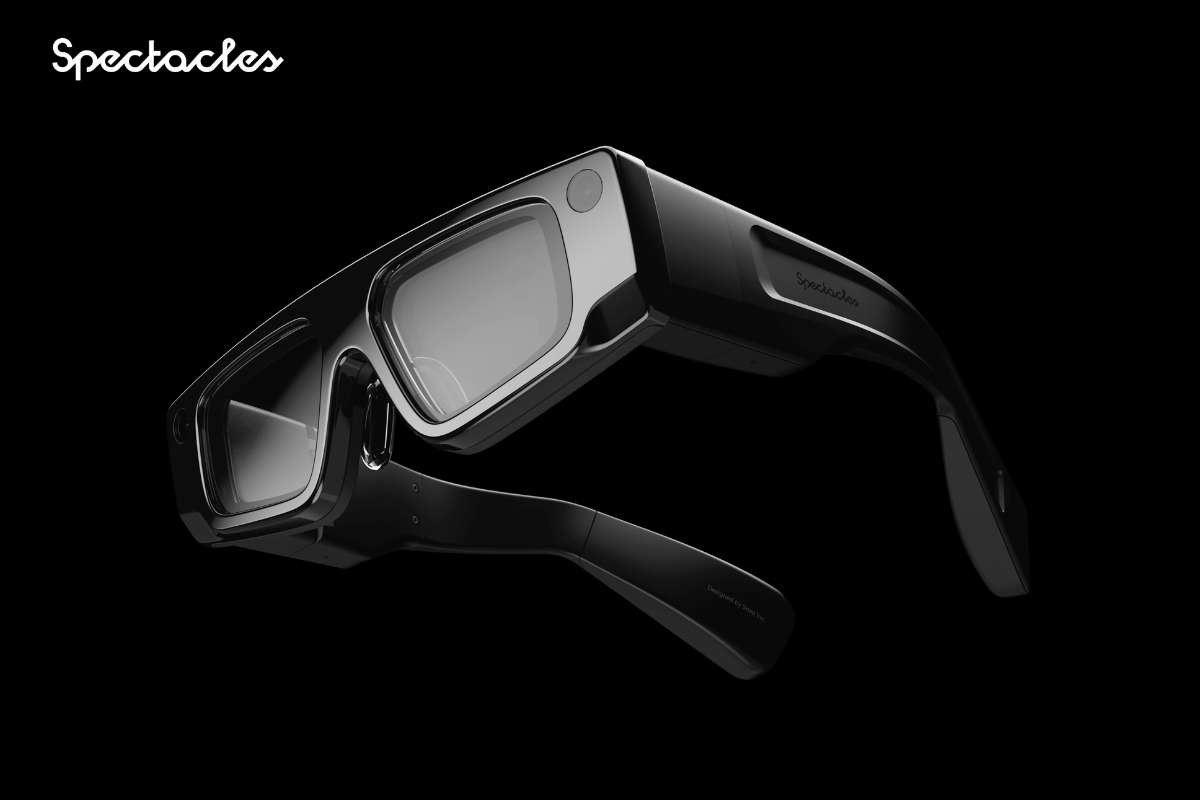
| Launch / Release | 2024 |
| Approx. Price (USD) | $380 |
| Rating (★/5) | ★★★☆☆ (3.5) |
| Made By | Snap Inc. |
Key Features:
- Dual AR displays
- Gesture-based controls
- Spatial audio integration
Snap Spectacles Gen 4 focus more on immersive augmented reality than everyday AI utility. They are designed primarily for developers and creators experimenting with AR experiences. While innovative, limited consumer availability and short battery life restrict mainstream adoption. They remain a niche but influential step in wearable AR evolution.
9. Lenovo ThinkReality A3
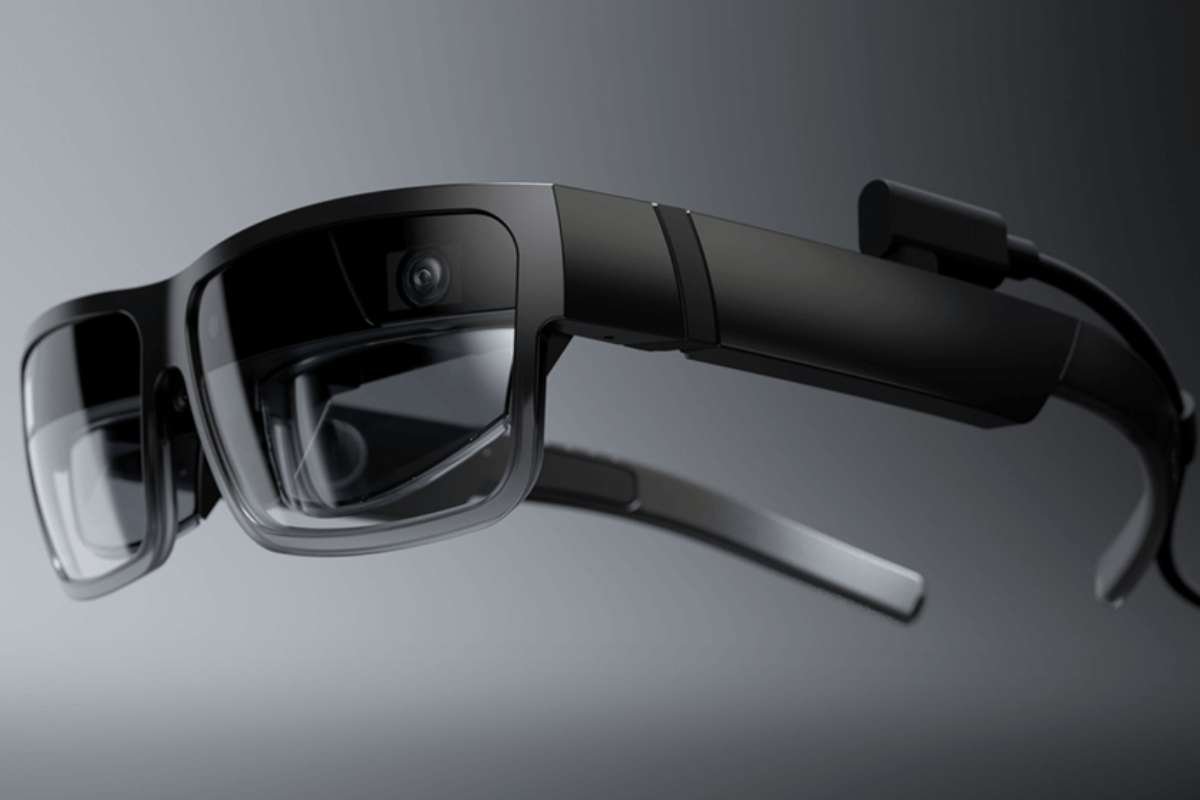
| Launch / Release | 2023 |
| Approx. Price (USD) | $399 |
| Rating (★/5) | ★★★☆☆ (3.6) |
| Made By | Lenovo |
Key Features:
- Enterprise-grade AR overlays
- PC & smartphone tethering
- High-resolution micro-OLED displays
Lenovo ThinkReality A3 is built mainly for professional and industrial use rather than casual consumers. It enhances productivity through virtual multi-screen setups and workflow visualization. The hardware is reliable, but its dependency on external devices limits portability. It suits enterprise users more than general buyers.
8. TCL RayNeo X2 (AR Hybrid)
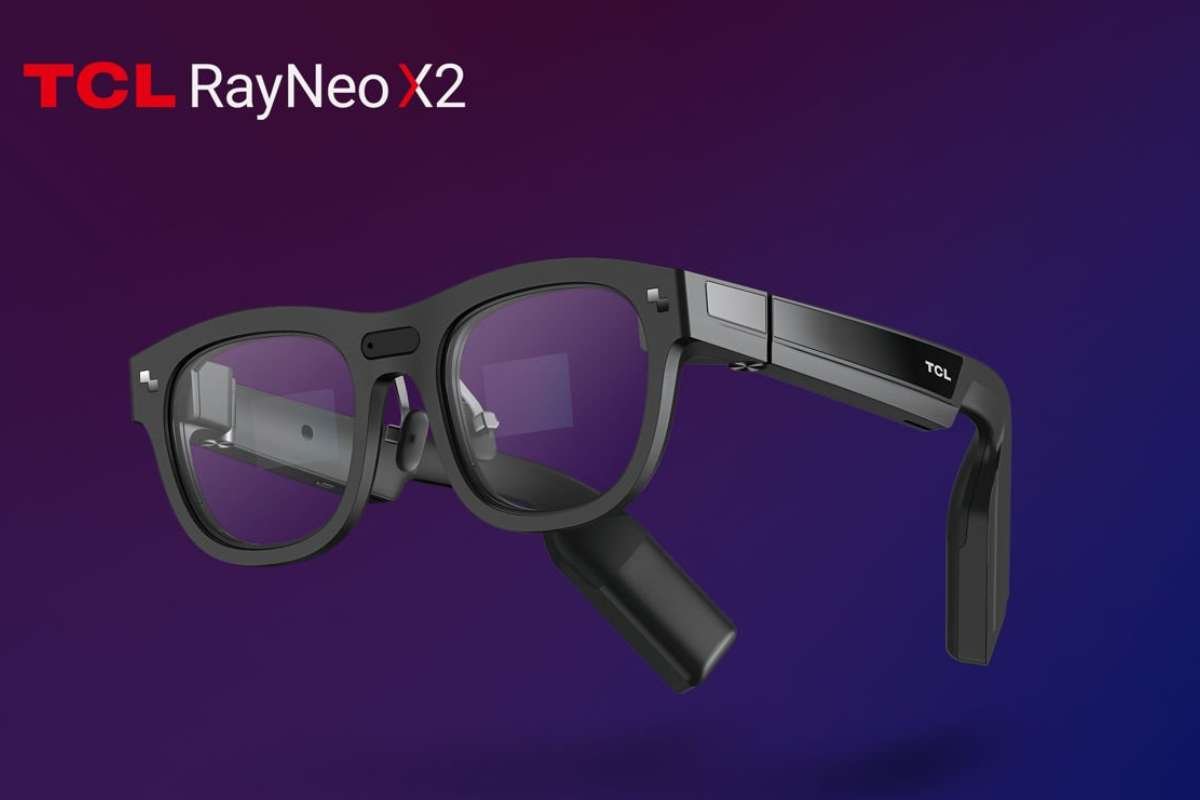
| Launch / Release | 2024 |
| Approx. Price (USD) | $699 |
| Rating (★/5) | ★★★½☆ (3.7) |
| Made By | TCL |
Key Features:
- Full-color waveguide display
- Real-time translation
- Navigation overlays
The TCL RayNeo Series blends AR visuals with limited AI assistance, making it a hybrid rather than a pure AI wearable. It targets users interested in contextual information rather than conversational intelligence. The design is ambitious, but bulkiness affects comfort. Still, it represents a strong entry in mixed-reality wearables.
7. Rokid Max AR Glasses
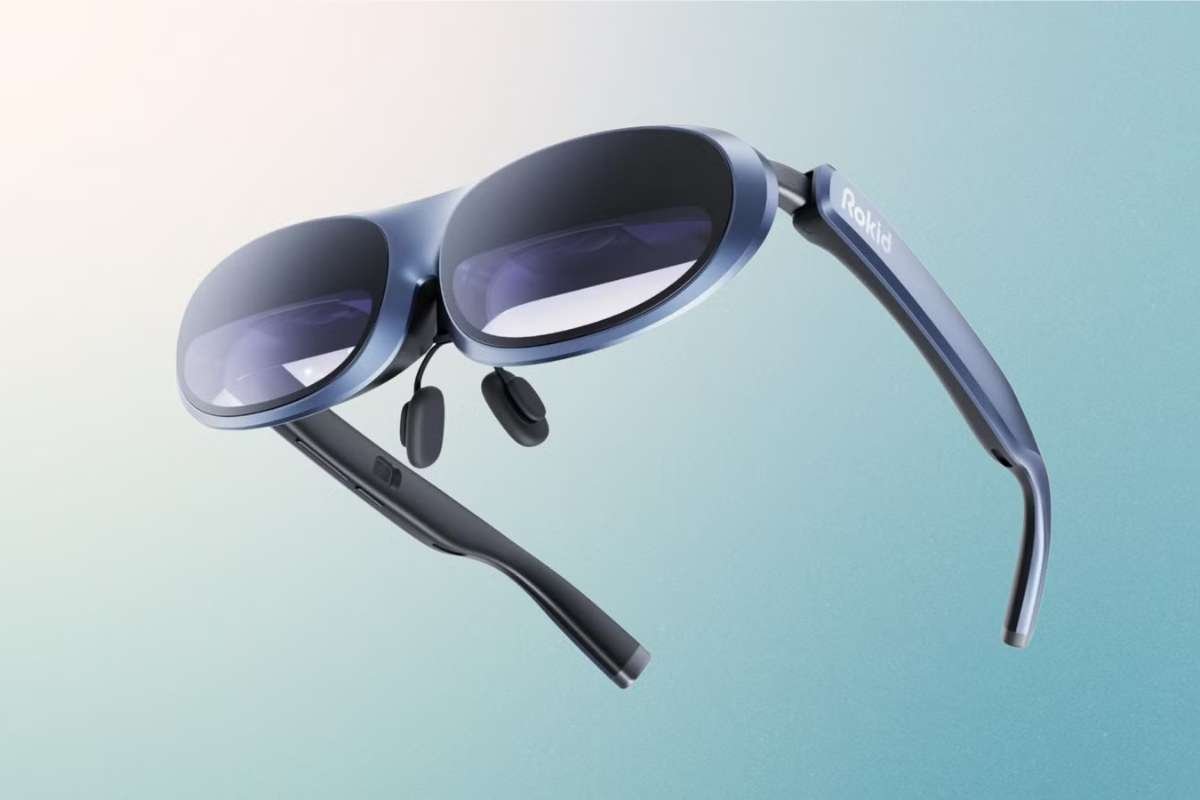
| Launch / Release | 2023 |
| Approx. Price (USD) | $439 |
| Rating (★/5) | ★★★½☆ (3.8) |
| Made By | Rokid |
Key Features:
- Cinema-level virtual screen
- Myopia adjustment
- Lightweight AR optics
Rokid Max focuses more on visual immersion than intelligent interaction. It excels in media consumption and portable entertainment. AI capabilities are minimal, keeping it closer to an AR display device. Ideal for users seeking private large-screen viewing on the go.
You may also like:
- Who Builds the Brains of Your Devices? The Largest Microchip Companies in the World
- Top 15 Most Secure Web Browsers in 2026 for Safe & Private Browsing
6. Rokid AI Glasses Style
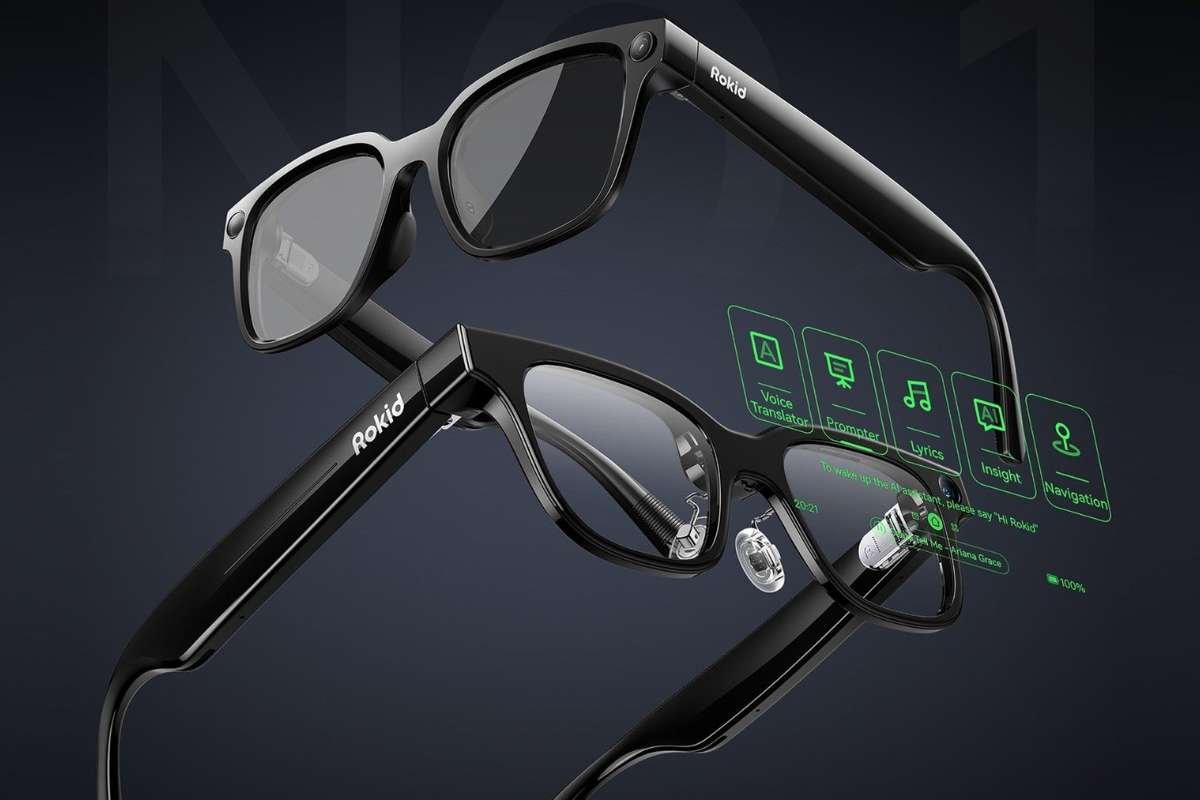
| Launch / Release | 2025 |
| Approx. Price (USD) | $299 |
| Rating (★/5) | ★★★★☆ (3.9) |
| Made By | Rokid |
Key Features:
- Voice-first AI assistant
- Lightweight everyday design
- Camera-enabled recognition
Rokid AI Glasses Style stand out for blending affordability with practical intelligence. They are designed for continuous wear and quick AI interactions rather than visual overload, focusing on voice commands, object recognition, and contextual assistance. This makes them ideal for users who want subtle, always-on AI support among the Best AI Smart Glasses.
5. TCL RayNeo Air 2
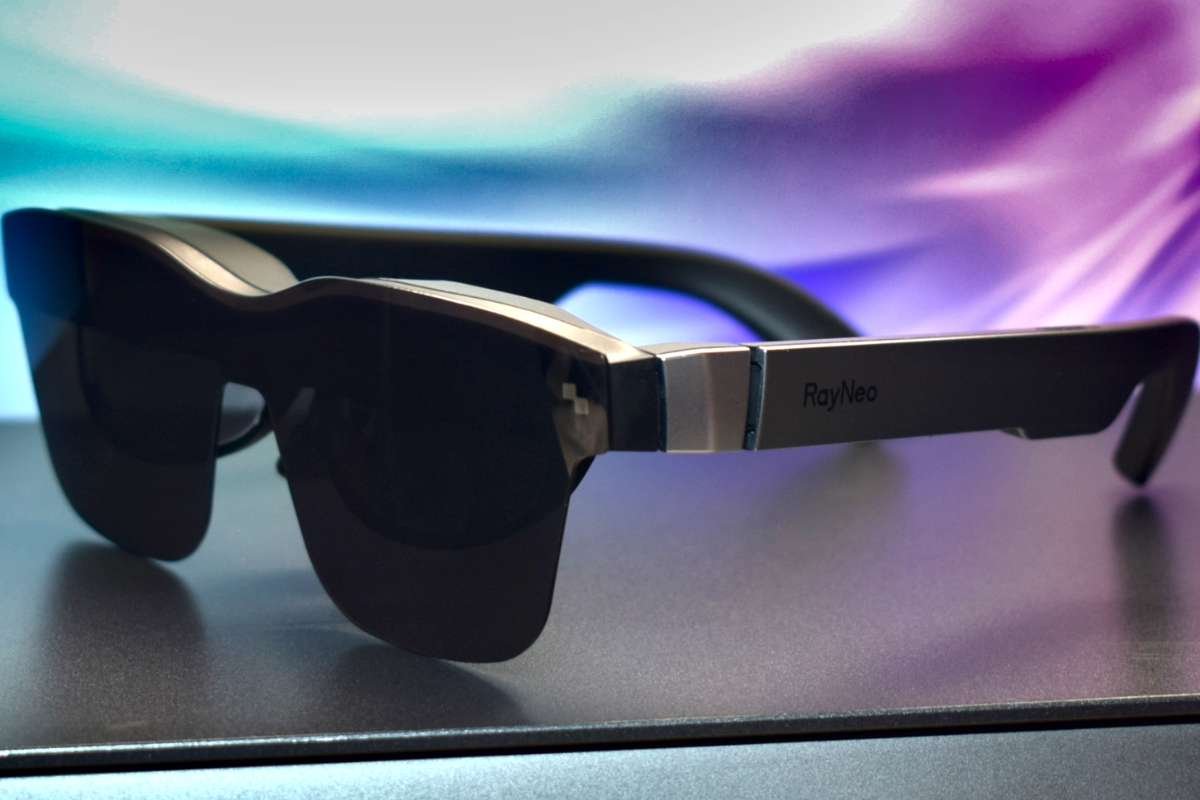
| Launch / Release | 2024 |
| Approx. Price (USD) | $399 |
| Rating (★/5) | ★★★★☆ (4.0) |
| Made By | TCL |
Key Features
- High-contrast Micro-OLED display
- Portable AR viewing
- Broad device compatibility
RayNeo Air 2 improves comfort and visual clarity over earlier models. While not AI-centric, it complements AI smartphones and assistants well. The glasses are optimized for long viewing sessions. They appeal most to users prioritizing display quality over smart features.
4. Solos AirGo V2 Smart Glasses
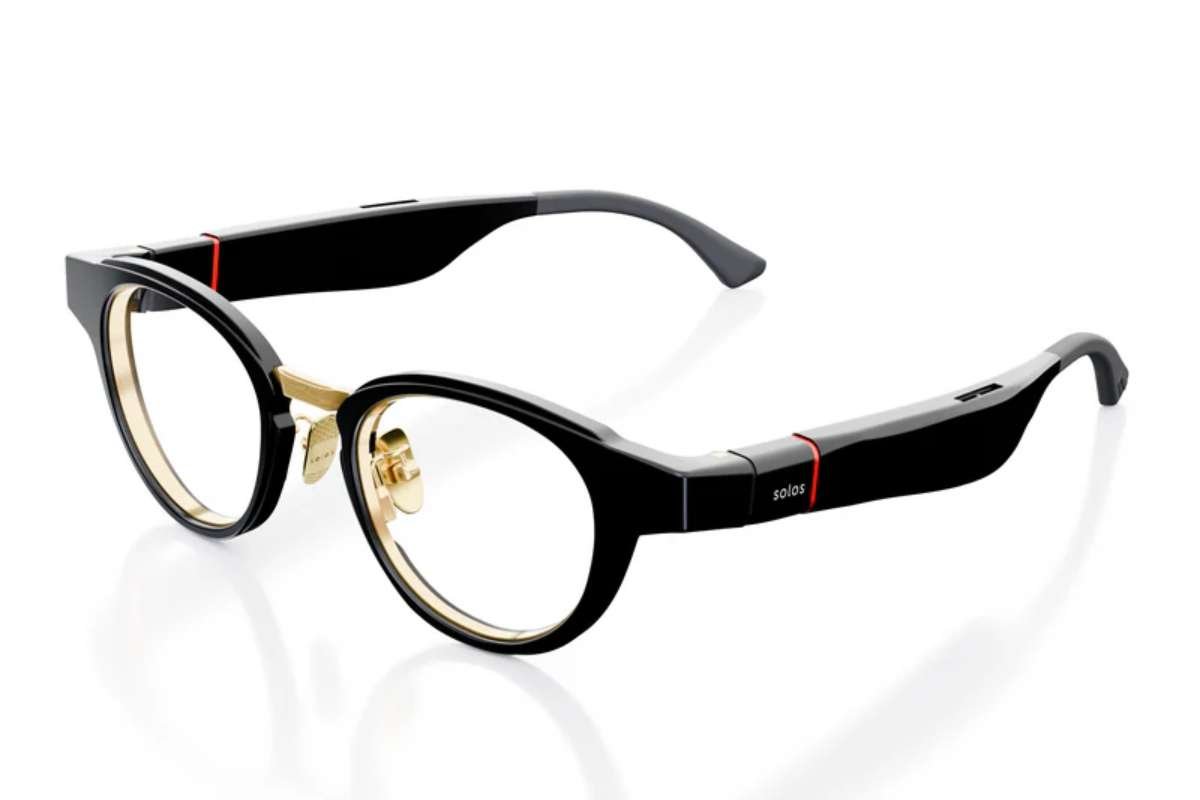
| Launch / Release | 2025 |
| Approx. Price (USD) | $299 |
| Rating (★/5) | ★★★★☆ (4.1) |
| Made By | Solos |
Key Features
- Multi-AI assistant support
- Modular camera attachment
- All-day wearable design
Solos AirGo V2 Smart Glasses earn their place as Best AI Smart Glasses due to flexible AI integrations. Users can switch between different AI assistants depending on tasks. The modular approach allows customization without replacing the device. This adaptability makes them future-proof compared to fixed-ecosystem competitors.
3. XREAL Air 2 Pro
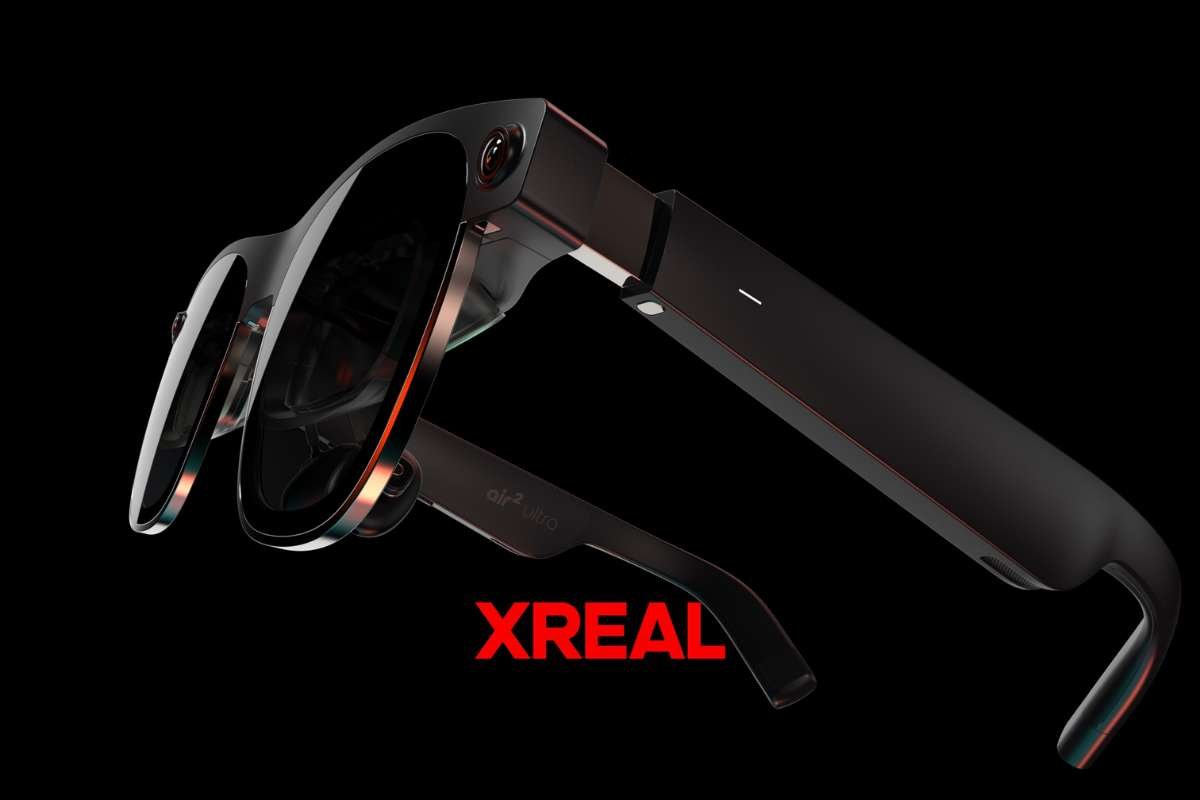
| Launch / Release | 2024 |
| Approx. Price (USD) | $449 |
| Rating (★/5) | ★★★★½☆ (4.3) |
| Made By | XREAL |
Key Features
- Electrochromic dimming
- Ultra-sharp virtual display
- Enhanced spatial tracking
XREAL Air 2 Pro delivers one of the most refined visual AR experiences available. Though AI features are limited, it pairs exceptionally well with AI-powered devices. Comfort and display clarity are its strongest assets. It is ideal for productivity, gaming, and media enthusiasts.
2. Ray-Ban Meta Headliner AI Glasse
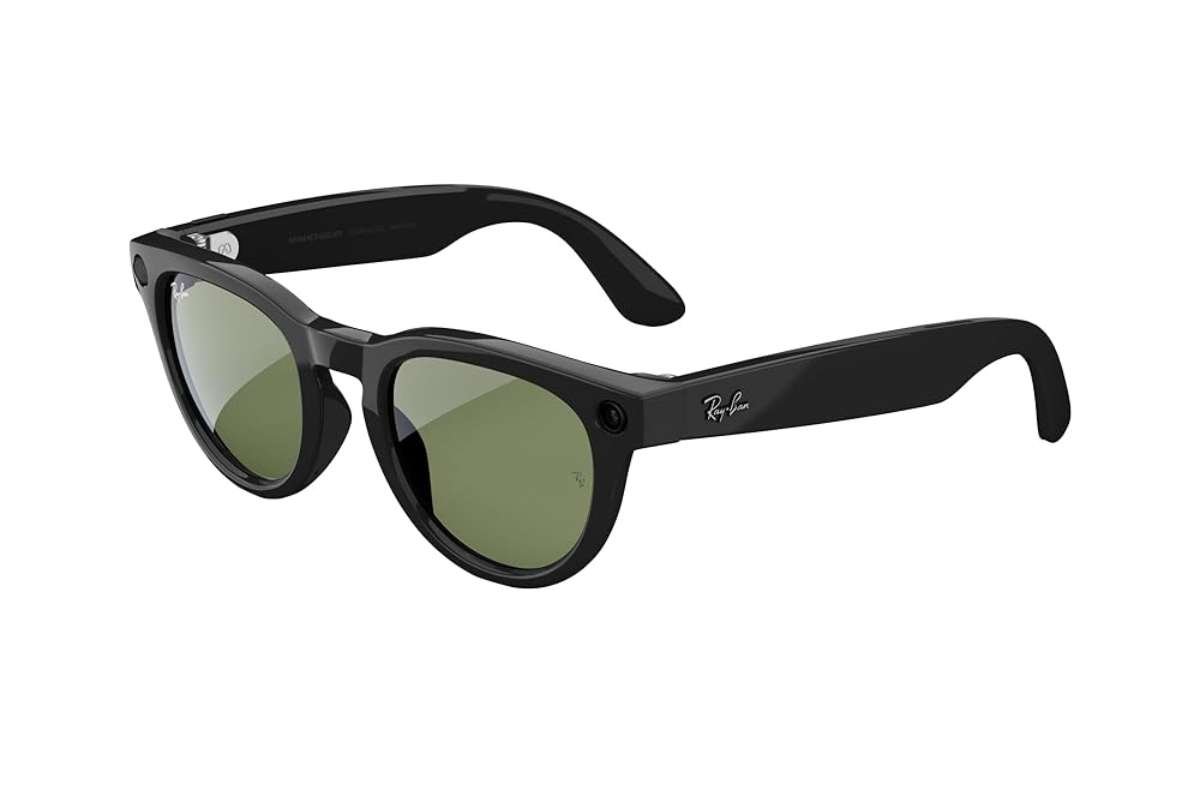
| Launch / Release | 2025 |
| Approx. Price (USD) | $329 |
| Rating (★/5) | ★★★★½☆ (4.4) |
| Made By | Meta × EssilorLuxottica |
Key Features:
- Meta AI voice assistant
- Hands-free content capture
- Iconic Ray-Ban styling
Ray-Ban Meta Headliner AI Glasses balance fashion with intelligence. Among the Best AI Smart Glasses, they prioritize social sharing, voice commands, and real-world interaction. The discreet design makes them suitable for daily use, and AI features continue to expand through software updates.
1. Ray-Ban Meta Smart Glasses (Wayfarer)
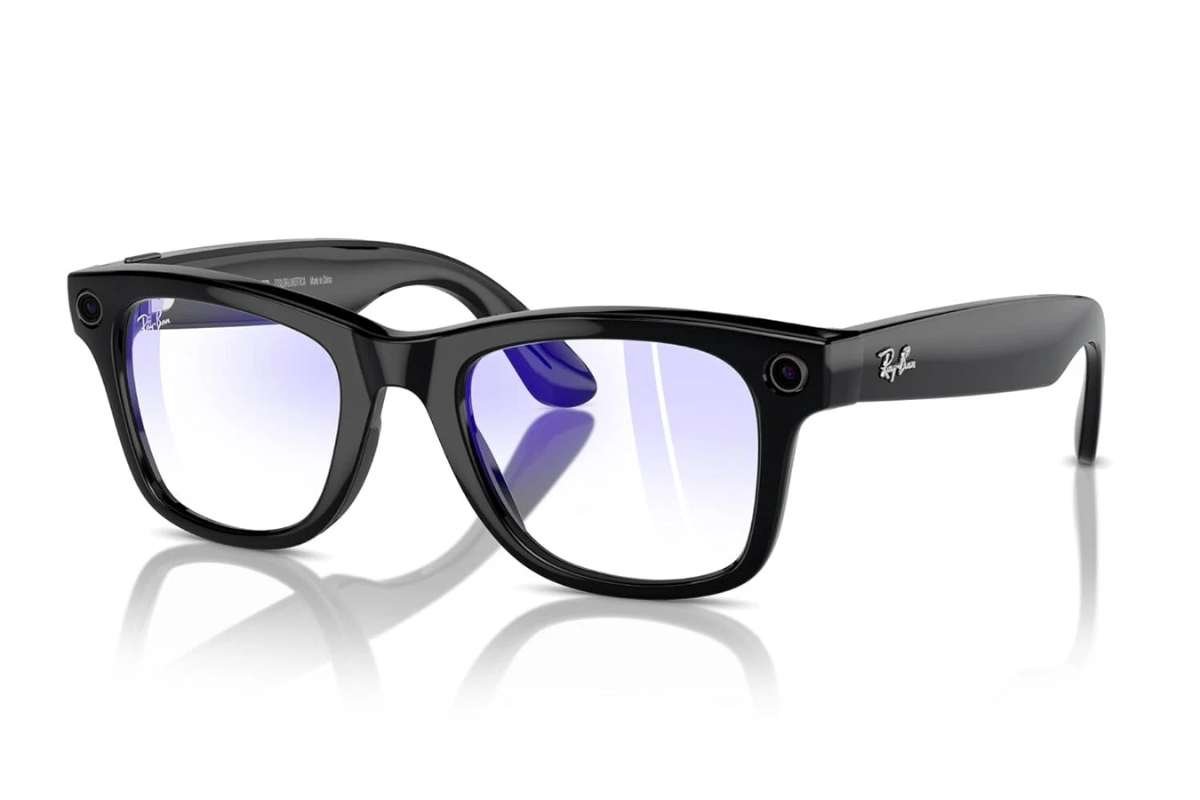
| Launch / Release | 2024 |
| Approx. Price (USD) | $379 |
| Rating (★/5) | ★★★★★ (4.6) |
| Made By | Meta × EssilorLuxottica |
Key Features:
- Advanced multimodal AI
- High-quality audio system
- Real-time environmental awareness
Currently leading the Best AI Smart Glasses category, Ray-Ban Meta Smart Glasses offer the most balanced user experience. They seamlessly integrate AI into everyday activities without overwhelming the user. Strong brand trust, regular updates, and intuitive controls elevate their appeal. These glasses set the benchmark for consumer AI wearables in 2026.
Don’t Miss:
- Why E-commerce Sites in the USA Lead Online Shopping Today?
- Big Money, Bigger Pixels: The Price Tags Behind the Most Expensive Games of All Time
- Ranking the 60 Largest Gaming Companies of 2026: A Look at the Engines that Run Pop Culture
Future Trends in AI Smart Glasses (2026 and Beyond)
To keep things simple and engaging, here’s what the future of AI smart glasses looks like, backed by credible data and industry insights:
- Explosive Market Growth: Global smart glasses shipments grew over 110% year-on-year, with AI-powered models accounting for nearly 80% of total sales, showing strong consumer and enterprise demand.
- Mass Adoption by 2030: Industry forecasts predict global shipments could reach 90 million units by 2030, driven by better hardware, lower prices, and real-world use cases.
- Shift Toward On-Device AI: Future AI smart glasses will rely less on smartphones, using low-power AI chips to process voice commands, object recognition, and spatial data directly on the device.
- Smart Glasses as the Next Computing Platform: Tech leaders, including Meta, believe AI glasses could become as essential as smartphones, offering constant access to AI assistants without screens.
- Faster, Smarter Connectivity: Integration with 5G and upcoming 6G networks will enable real-time translation, navigation, and cloud-enhanced AI experiences with near-zero latency.
Conclusion:
AI smart glasses are no longer futuristic concepts; they are practical tools reshaping how we interact with technology. The Best AI Smart Glasses in 2026 offer hands-free assistance, real-time information, and seamless integration into daily life, whether for work, travel, content creation, or productivity.
With rapid improvements in on-device AI, battery efficiency, and wearable design, these glasses are becoming smarter, lighter, and more useful than ever. As adoption grows and ecosystems mature, AI smart glasses are set to evolve into a core personal computing device, making now the right time to explore which model fits your needs best.
FAQs: Best AI Smart Glasses in 2026
1. What are AI smart glasses used for?
AI smart glasses are used for hands-free assistance such as voice commands, real-time information, navigation, translation, content capture, and productivity support. They allow users to interact with AI without relying on a smartphone screen.
2. Do AI smart glasses work without a smartphone?
Some AI smart glasses offer limited on-device processing, but most models still rely on a smartphone for connectivity, advanced AI tasks, and cloud-based features. Future models are expected to become more independent as on-device AI improves.
3. Are AI smart glasses safe to wear every day?
Yes, most AI smart glasses are designed for daily use with lightweight frames, eye-safe displays, and open-ear audio. However, it’s important to follow manufacturer guidelines, especially for AR display usage and screen brightness.
4. What should I consider before buying AI smart glasses?
Key factors include battery life, AI features, comfort, display type, privacy controls, and your primary use case whether it’s everyday assistance, work, travel, or entertainment. Choosing based on usage matters more than specs alone.
5. Which are the best AI smart glasses in 2026?
The best AI smart glasses in 2026 depend on your needs, but top-rated options include Ray-Ban Meta Smart Glasses, Solos AirGo V2, XREAL Air 2 Pro, and Rokid AI Glasses Style for their balance of AI capabilities, comfort, and real-world usability.