Key Points:
- Major Stake Sale: The Starbucks $4 billion deal involves selling a 60% stake in its China retail business to Boyu Capital, forming a joint venture while retaining 40% ownership.
- Strategic Expansion: The deal aims to boost Starbucks’ presence in smaller Chinese cities, countering rising competition from fast-growing local chains like Luckin and Cotti.
- Brand Control Maintained: Starbucks will continue to own and license its brand and IP to the new entity, ensuring brand consistency while leveraging Boyu’s local market expertise.
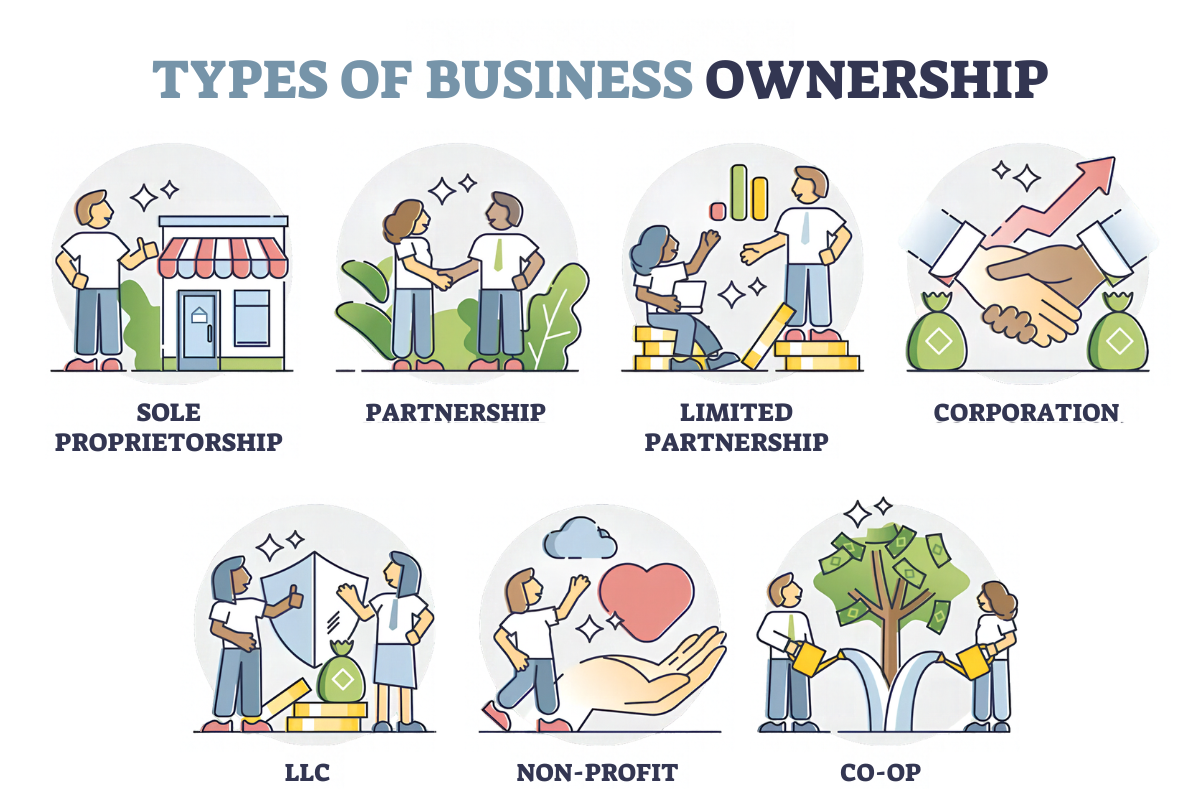
The Starbucks $4 billion deal marks a major strategic shift in its China operations, selling a controlling 60% stake in its retail business to investment firm Boyu Capital. The deal, valued at approximately US$4 billion, creates a new joint venture that will operate 8,000 Starbucks stores across China. The Seattle-based coffee chain will retain a 40% stake, along with ownership of its brand and intellectual property rights.
The agreement reflects Starbucks’ effort to adapt to growing competition in China’s fast-changing coffee market, particularly from local rivals such as Luckin Coffee, which has gained market share through lower prices and rapid expansion.
Strategic Partnership for Local Growth
The Starbucks $4 billion deal combines the company’s global expertise in premium coffee retail with Boyu Capital’s deep understanding of the Chinese market. Company officials said the move will help accelerate store expansion into smaller cities and emerging regions, where demand for coffee continues to rise.
“Boyu’s local market experience will be essential to our next phase of growth in China,” said Starbucks CEO Brian Niccol. “Together, we are building a stronger foundation to reach more customers and communities across the country.”
Starbucks, which entered China in 1999, has grown the market into its second-largest globally after the United States. The company said the partnership will allow it to remain a key player while leveraging local expertise to manage costs, logistics, and regional operations more efficiently.
Market Performance and Expansion Goals
Despite challenges from local competitors, Starbucks reported a 2% rise in same-store sales in China during the last quarter, driven by higher customer traffic. However, the company noted a drop in average spending per visit, underscoring the need to balance pricing with market growth.
The global coffee chain estimates the total value of its China retail business will exceed US$13 billion over the next decade. This projection includes proceeds from the stake sale, Starbucks’ retained interest, and anticipated licensing revenue.
The Starbucks $4 billion deal reflects strong confidence in the long-term potential of China’s coffee market, as the companies plan to expand their store network from 8,000 to as many as 20,000 outlets, signaling strong confidence in the long-term potential of China’s coffee market. The business will continue to be headquartered in Shanghai, serving as the central hub for Starbucks’ regional operations and supply chain.
Deal Timeline and Future Outlook
The transaction is expected to close in the second quarter of fiscal year 2026, pending regulatory approvals. Once finalized, Boyu Capital will oversee day-to-day operations and market expansion, while Starbucks maintains its brand standards and product innovation.
Industry analysts view the deal as a calculated move that balances Starbucks’ global strategy with the need for greater local agility. By forming a partnership with a well-established Chinese firm, Starbucks aims to maintain growth momentum while addressing evolving consumer preferences and economic shifts in the region.
The Starbucks $4 billion deal underscores how multinational brands are rethinking their strategies in China’s competitive retail landscape-focusing on localized management, stronger partnerships, and long-term brand sustainability.
Sources: