Key Takeaways
- Shell’s first-half profit jumped 70%, driven by war-related energy market disruptions.
- Rising oil and gas prices renewed debate over fossil fuel industry profits.
- Climate groups urged the UK government to block new North Sea oil projects.
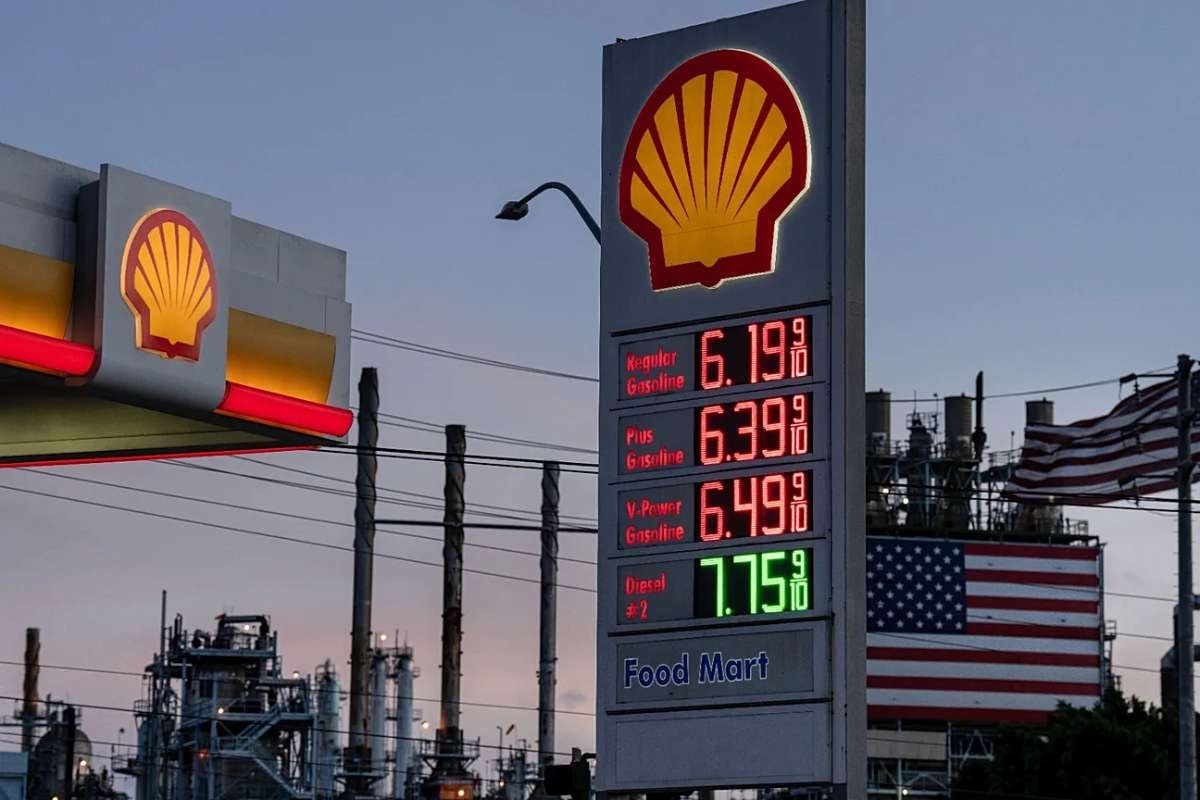
Shell reports a 70% increase in first-half Shell profit to $16.75 billion on Thursday, driven by higher oil prices and trading gains linked to disruptions from the U.S.-Iran conflict, drawing criticism from climate campaigners.
The Shell profit for the first half reached $16.75 billion (£12.6 billion), marking its strongest quarterly performance in four years. The company attributed the results to higher oil prices and strong performance from its oil trading business as conflict in the Middle East disrupted global energy supplies.
The U.S.-Iran war has caused volatility in oil and gas markets since March, pushing global energy prices higher and affecting production and shipping across the region. Brent crude traded at about $91 per barrel on Thursday, nearly $20 above pre-war levels, although below the peak above $120 reached in April.
Shell also faced operational setbacks. The company said gas production fell 31% after an Iranian attack on its assets at Qatar’s main liquefied natural gas facility earlier this year.
Rival BP is expected to report its financial results next week, with analysts anticipating similar gains from elevated energy prices, following the Shell profit announcement.
Supply risks raise fresh energy concerns
Energy markets remain under pressure as supply disruptions continue across the Middle East.
The Strait of Hormuz, a shipping route that typically carries about one-fifth of global oil shipments, has experienced disruptions during the conflict. International emergency reserves have helped offset some supply losses, but concerns remain about future availability.
Shell Chief Financial Officer Sinead Gorman said emergency stockpiles are not unlimited.
“There may be fewer levers to pull,” Gorman said, warning that increased production elsewhere may not fully replace disrupted supplies.
The conflict has also affected other shipping routes. Attacks on Saudi ports in the Red Sea by Houthi rebels supporting Iran have added further uncertainty to global energy markets.
In the United Kingdom, wholesale gas prices for future delivery are nearly 70% higher than a year ago, increasing concerns about household energy bills as winter approaches.
Climate groups renew pressure on Shell and UK government
Environmental organizations criticized the latest Shell profit results, arguing that fossil fuel companies are benefiting while climate-related disasters worsen.
“We’re running out of words to describe the obscenity of these numbers,” Greenpeace political campaigner Rudy Schulkind said. He pointed to wildfires across Europe, floods in Asia and drought conditions in the United Kingdom while calling for faster action to reduce dependence on fossil fuels.
Climate campaigners, citing rising Shell profit levels, are urging Prime Minister Andy Burnham to reject the planned expansion of Adura, Shell’s joint venture with Equinor in the UK North Sea. Supporters of the project say the proposed fields could supply about 10% of the UK’s natural gas needs.
Danny Gross, an energy campaigner with Friends of the Earth, called for the government to reject additional oil development and strengthen the windfall tax on oil and gas companies to accelerate investment in cleaner energy.
Shell Chief Executive Wael Sawan defended the company’s plans during an interview with CNBC.
“We continue to be absolutely committed to Adura as being our vehicle for development in the UK North Sea,” Sawan said. “We think that is an opportunity to be able to really create value for the companies, but we also think for the UK.”
Successive UK governments have maintained that oil and gas will remain part of the country’s energy mix for years, even as investment in renewable energy continues to expand and scrutiny of Shell profit levels grows.