Key Points:
- Waymo resumes service after SF blackout.
- Outages expose risks for autonomous systems.
- Reliability and response are key to scaling.
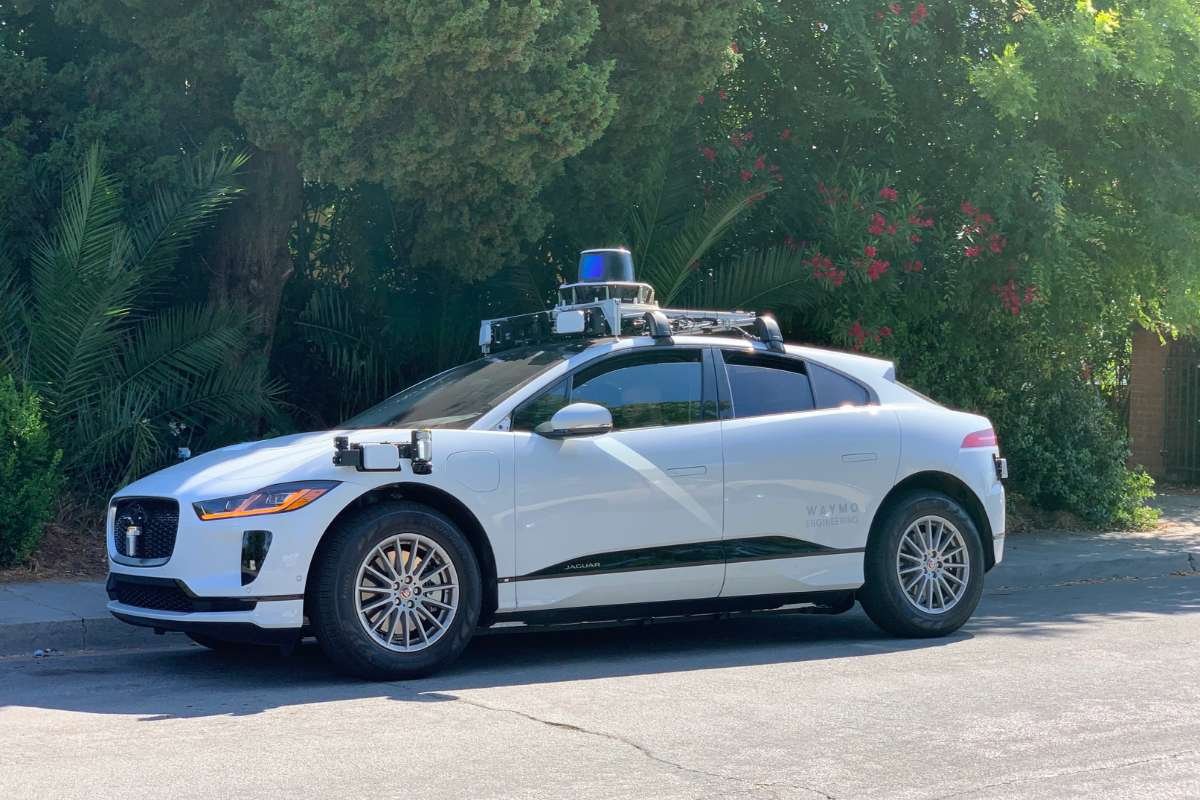
Waymo has resumed its autonomous ride-hailing service in San Francisco after a widespread power outage temporarily disrupted operations and left several driverless vehicles stalled on city streets. The incident offered a real-world test of how autonomous systems respond to large-scale infrastructure failures, an issue that continues to matter for businesses building or relying on automation at scale.
The power outage struck parts of San Francisco on Saturday, affecting traffic signals, transit systems, and tens of thousands of electricity customers. During the disruption, Waymo suspended service as a precautionary measure. Videos shared online showed multiple Waymo vehicles stopped at intersections, creating congestion and forcing human drivers to navigate around them.
The company confirmed that service was fully restored on Sunday once conditions stabilized.
Infrastructure disruptions expose operational challenges
Waymo stated that the outage caused widespread gridlock across the city due to non-functioning traffic lights and transit interruptions. The company emphasized that the service pause was intended to maintain safety while systems adjusted to unusual traffic patterns.
For business leaders, the episode highlights a broader operational challenge. Autonomous platforms are not only dependent on onboard intelligence but also on surrounding infrastructure. Sudden failures in power, connectivity, or traffic management can introduce variables that are difficult to predict, even for advanced systems.
Waymo’s technology stack relies on a combination of sensors, cameras, radar, and high-definition maps that are regularly updated. When road conditions change unexpectedly, such as during a citywide blackout, the system may require additional safeguards or manual suspension to avoid risk.
Competitive landscape and scaling considerations
The incident also drew attention to the competitive dynamics in autonomous mobility. Waymo and other companies in the space are pursuing different technical approaches, each with tradeoffs related to resilience, cost, and scalability. For entrepreneurs and investors, these differences matter when evaluating long-term viability and operational readiness.
Waymo, owned by Alphabet, has been operating public autonomous ride-hailing services since 2018, beginning in the Phoenix metropolitan area. The company has since expanded into additional markets and partnerships, including collaborations that allow its vehicles to operate on third-party ride-hailing platforms in select cities.
As autonomous services grow, operational reliability remains a central concern for commercial adoption. Incidents like the San Francisco blackout underscore the importance of contingency planning, infrastructure awareness, and rapid response capabilities.
While service disruptions can raise questions, they also provide valuable data for improving systems. For business owners watching the autonomous sector, the key takeaway is not the failure itself, but how quickly companies detect issues, pause operations, and restore service without broader impact.
Waymo’s decision to temporarily suspend service and resume once conditions normalize reflects a cautious approach that prioritizes system integrity. As automation becomes more embedded in urban environments, resilience during unexpected events will remain a defining factor in market leadership.
Visit Enterprise Wired for the latest information.