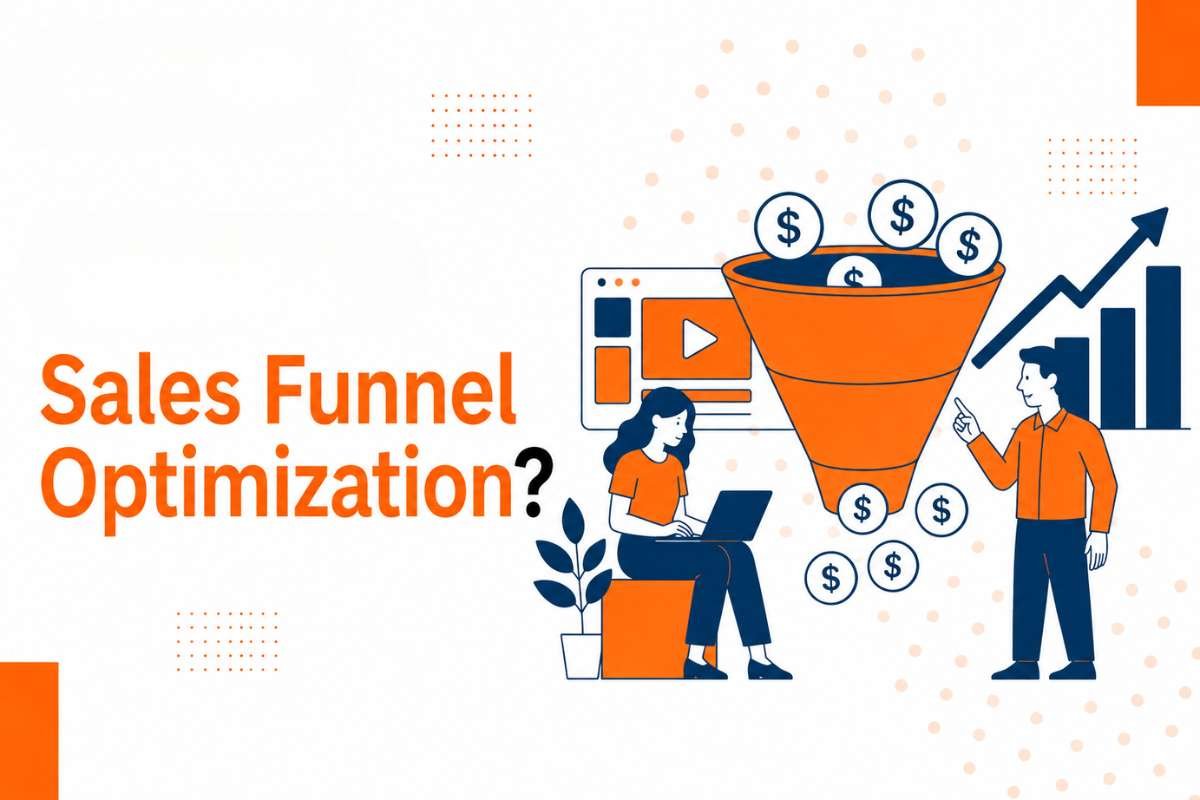
Sales funnel optimization focuses on improving how users move through each stage of the funnel, from initial interest to final conversion. The article explains key metrics, common drop-offs, and practical strategies that help reduce friction, improve lead quality, and guide decision-making more effectively across the entire funnel.
People rarely make a buying decision in a single moment. Most of the time, it is a series of small interactions that shape how confident they feel about moving forward. A page they skimmed earlier, a detail they could not find, a form they almost filled but did not.
From the outside, everything can look like it is working. Visitors are arriving, interest is showing up, and engagement metrics are moving in the right direction. But somewhere in that flow, decisions start to stall, even when intent is clearly there.
Sales funnel optimization is about understanding that space in between. Not the first click or the final conversion, but everything that happens in between that either builds confidence or quietly creates hesitation.
In this article, we will take a look at some of the strategies that are used to optimize a sales funnel so you can use one that is the best fit for your marketing strategy. So, let us start!
Sales funnel optimization: key metrics and KPIs explained
Before you improve a sales funnel, you need to understand how it performs at each stage. Metrics show how users move, where they drop off, and what drives conversions. With the right data, you can identify weak points early and make informed changes that improve results.
1. Conversion rate:
Measures the percentage of users who move from one funnel stage to the next. It shows how effectively each step turns interest into action. Low rates usually point to weak messaging, poor targeting, or friction in the user journey.
2. Lead volume:
Tracks the total number of leads entering the funnel within a set period. It reflects top-of-funnel reach and campaign performance. Strong volume helps scale conversions, but poor-quality leads can reduce overall efficiency.
3. Customer acquisition cost (CAC):
Shows the total cost spent to acquire one customer. It includes marketing, sales, and tool costs. Lower Customer Acquisition Cost (CAC) means better efficiency. Rising CAC often signals weak targeting or declining conversion performance.
4. Drop-off rate:
Measures how many users exit at each funnel stage. It helps identify where users lose interest or face friction. High drop-off at a stage highlights issues like unclear messaging, slow pages, or weak offers.
5. Time to conversion:
Tracks how long a lead takes to convert into a customer. Shorter time often signals stronger intent and effective nurturing. Longer cycles suggest gaps in follow-ups or unclear communication.
6. Return on investment (ROI)
Compares total revenue from the funnel against total spend. It shows overall funnel efficiency. Strong Return on Investment (ROI)
indicates a healthy system, while weak ROI points to issues in targeting, conversion, or retention.
Ok, now you are aware of the different metrics that are used to measure the effectiveness of a sales funnel. But how can we use these metrics for sales funnel optimization?
Sales funnel optimization: 8 strategies to improve lead generation
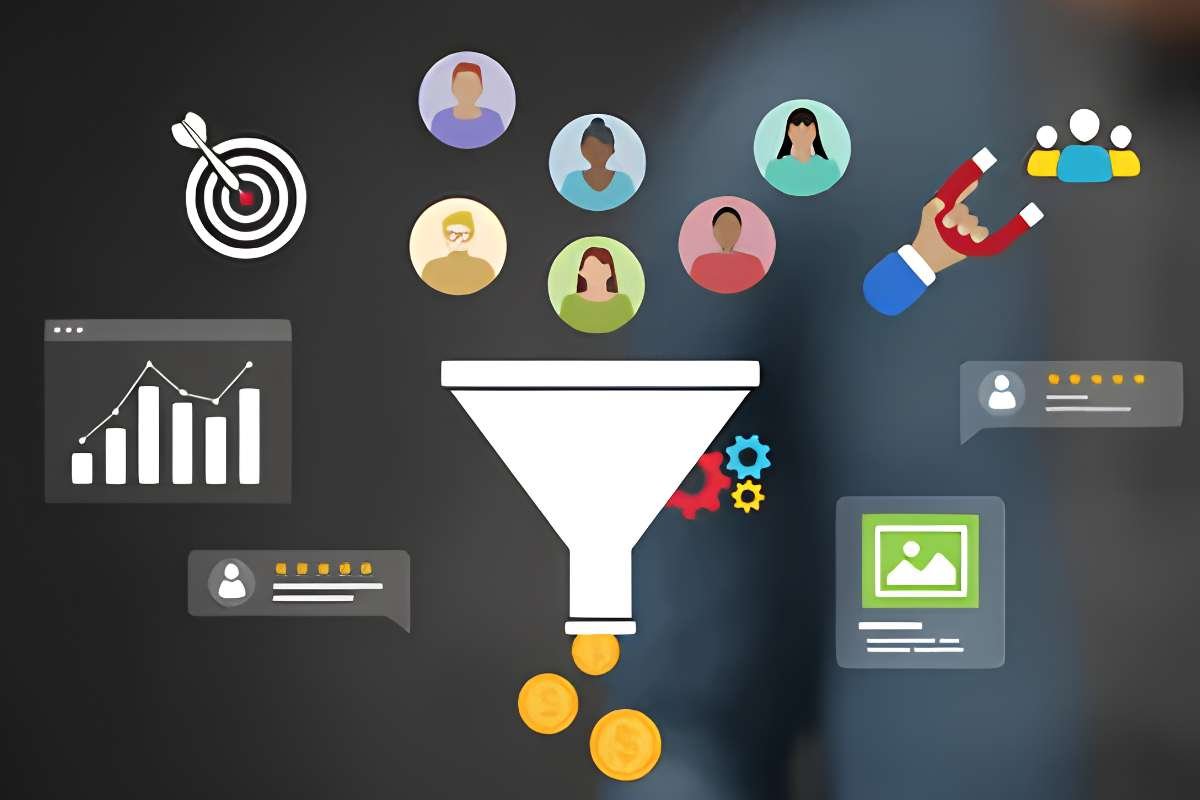
Once you understand how your funnel performs, the next step is to improve it. This is where strategy matters. Each change should reduce friction, guide users clearly, and increase the chances of conversion at every stage of the funnel.
1. Improve lead quality at the top of the funnel:
Focus on attracting users who closely match your ideal customer profile. Use precise audience targeting in ads and refine keyword selection based on intent. Segment users based on behavior, demographics, and search purpose.
Avoid broad campaigns that bring irrelevant traffic. Strong lead quality improves every stage that follows and reduces wasted effort across the funnel.
Best for: Reducing low-quality traffic and improving funnel efficiency
2. Strengthen landing page messaging:
Align your landing page directly with the source that brings the traffic. Match the headline, offer, and tone with user expectations. Keep messaging simple, direct, and benefit-focused. Remove extra links or distractions that slow decision-making. A clear page helps users understand value quickly and take action with less hesitation.
Best for: Improving the visitor-to-lead conversion rate
3. Use multi-channel lead nurturing:
Engage leads through multiple channels such as email, retargeting ads, SMS, and personalized content. Do not depend on a single touchpoint. Most users need repeated exposure before they convert. Nurturing builds trust and keeps your brand visible during the decision process. Consistent communication also reduces drop-offs between funnel stages.
Best for: Increasing lead progression and reducing funnel abandonment
4. Optimize form length and structure:
Keep forms short and focused on only essential fields. Long forms create friction and reduce completion rates. Ask for minimal information at the start and collect more data later through follow-ups. Use progressive profiling where possible. Make forms mobile-friendly and easy to complete in seconds. Even small reductions in effort can improve conversions significantly.
Best for: Increasing form completion and improving lead capture rates
5. Align sales and marketing teams:
Create a shared understanding of what qualifies as a lead. Both teams should agree on scoring rules and handoff timing. Without alignment, leads often get delayed or lost. Marketing should pass high-intent leads quickly. Sales should share feedback on lead quality. This feedback loop improves targeting and reduces waste in the funnel.
Best for: Improving lead handoff and reducing leakage
6. Use behavioral tracking for personalization:
Track how users interact with your website and content. Monitor actions like page visits, clicks, scroll depth, and time spent. Use this data to understand intent and adjust messaging. Personalized emails and offers increase relevance and engagement. When users feel understood, they move faster through the funnel with fewer barriers.
Best for: Increasing engagement and reducing conversion time
7. Test and optimize every funnel stage:
Run continuous tests across landing pages, emails, CTAs, and checkout flows. Change one element at a time to identify what drives improvement. Even small changes in wording or layout can impact results. Regular testing helps you adapt to user behavior and avoid performance drops over time.
Best for: Improving conversion rates across all funnel stages
8. Improve retargeting campaigns:
Re-engage users who interacted with your funnel but did not convert. Segment audiences based on behavior such as page visits or partial actions. Show ads that match their stage in the journey. Retargeting works because it focuses on warm leads who already showed interest. This reduces cost and increases conversion chances.
Best for: Recovering lost leads and improving final conversions
Sales funnel optimization: common mistakes
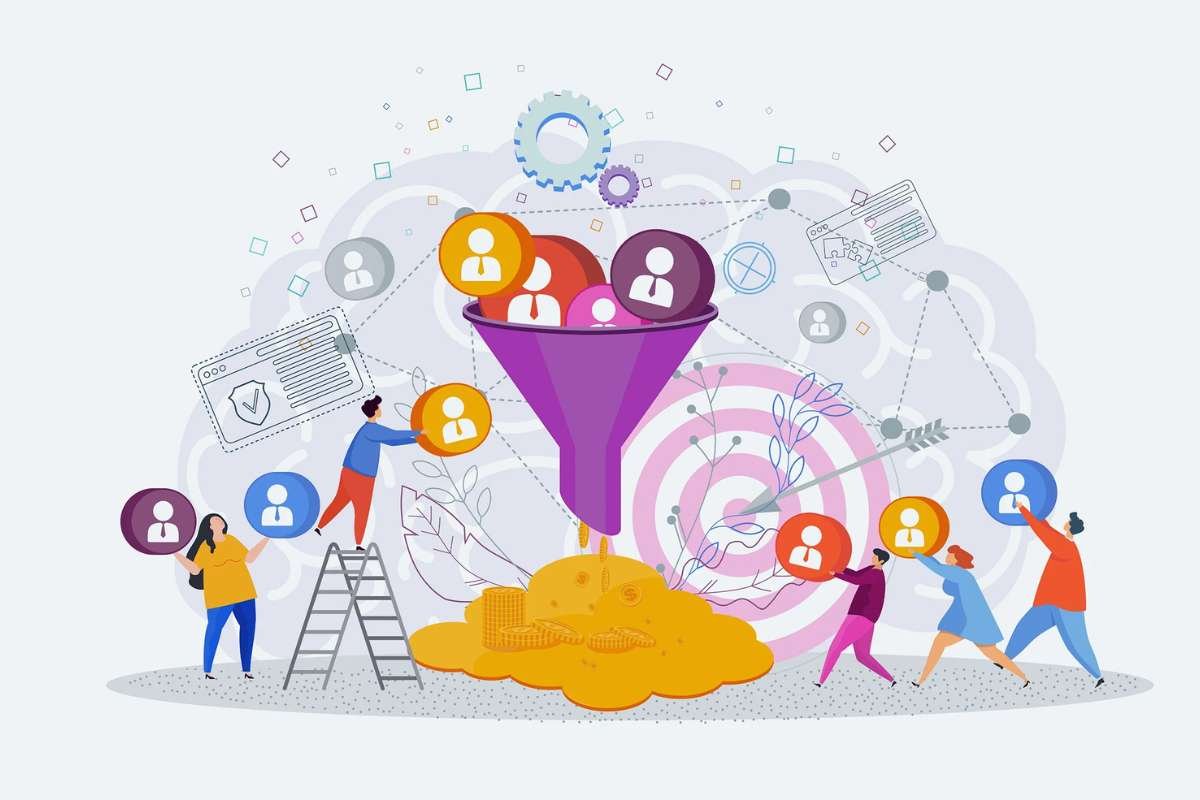
Even well-built funnels can fail due to small but costly mistakes. These issues often go unnoticed and affect performance over time. By identifying common mistakes early, you can build an effective sales funnel optimization strategy and keep your funnel running efficiently.
- Focusing on Traffic Instead of Conversion: Many teams push for more traffic but ignore what happens after the click. If the funnel does not convert, higher traffic only increases cost. Fixing conversion points often delivers better results than scaling traffic.
- Ignoring Lead Quality: Not all leads have buying intent. Broad targeting brings users who only browse and never act. This reduces overall efficiency and creates extra pressure on sales teams to filter leads.
- Weak or Unclear Messaging: Users decide within seconds. If the value is not clear, they leave without exploring further. Confusing headlines and vague offers reduce trust and make the next step feel uncertain.
- Overcomplicating the Funnel: Too many steps slow users down. Long forms, repeated redirects, and unclear navigation create friction. As effort increases, users lose interest and drop off before completing the journey.
- Lack of Follow-Up: Most users do not convert on the first visit. Without structured follow-up, leads lose interest over time. Missing email flows or retargeting campaigns reduces the chances of conversion.
- No Testing Process: Some teams build a funnel and leave it unchanged. User behavior shifts, but the funnel stays the same. Without testing, small issues remain unnoticed, and performance declines over time.
- Poor Sales and Marketing Alignment: When teams are not aligned, leads move slowly or get lost. Marketing may pass low-intent leads, while sales may delay responses. This gap reduces conversion chances and wastes effort.
- Ignoring Mobile Experience: A large share of users comes from mobile devices. If pages load slowly or forms feel hard to complete, users leave quickly. Poor mobile experience leads to consistent drop-offs across the funnel.
Sales funnel optimization trends in 2026
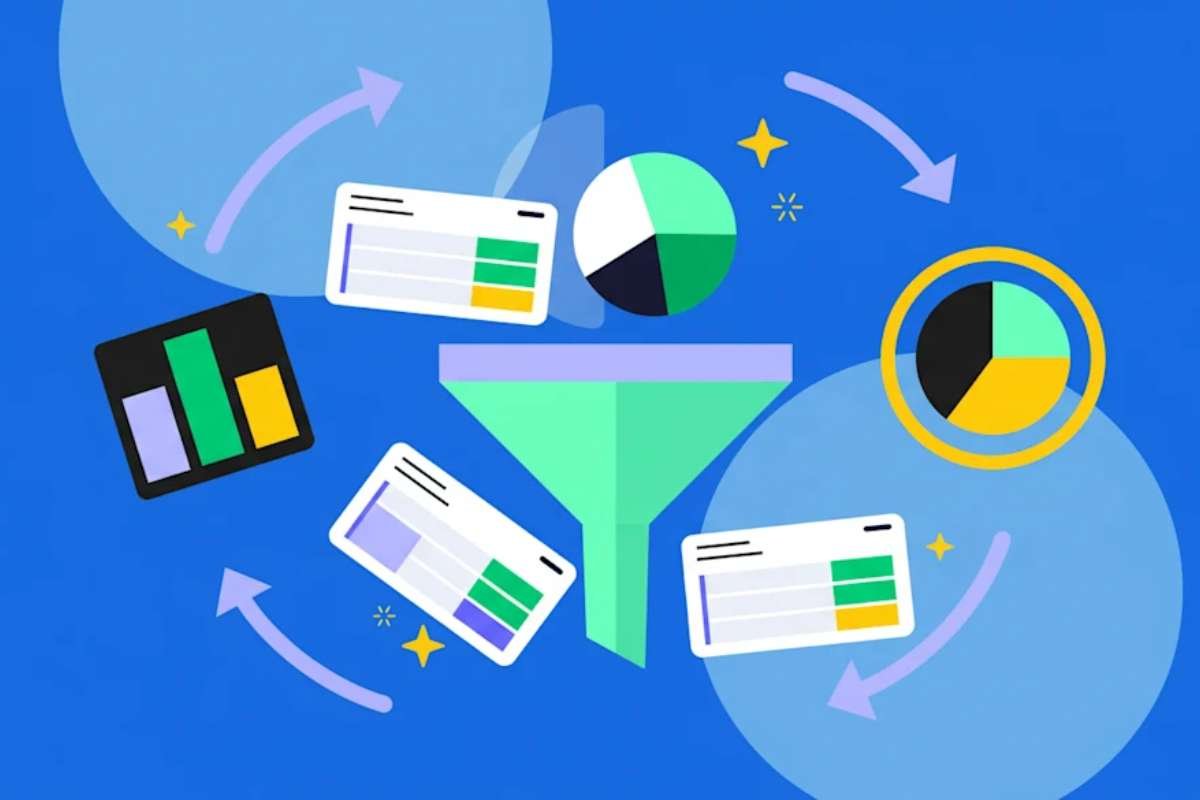
Sales funnels are becoming more data-driven and precise. Teams now rely on detailed tracking to understand how users behave at each stage. Instead of guessing, they use real-time insights to adjust messaging, offers, and timing. This shift helps reduce drop-offs and improves the conversion rates across the funnel. Many businesses now treat funnel optimization as an ongoing process, not a one-time setup.
Personalization is also shaping how funnels perform. Brands use behavioral data to tailor content, emails, and offers for each user. This makes the journey feel more relevant and reduces decision friction. According to HubSpot, 93% of marketers say personalization increases leads or purchases. This shows how strongly tailored experiences influence conversions in modern funnels.
Automation and AI are also driving sales funnel optimization. Businesses now use automated email flows, lead scoring, and predictive tools to guide users through the funnel. These systems reduce manual effort and improve the timing of interactions. At the same time, funnels are no longer linear. Users move across channels before they convert. This has pushed companies to build connected, multi-channel funnels that track users across touchpoints and keep the experience consistent.
Conclusion:
A funnel does not need to be complicated to underperform. It only takes a few moments of doubt, a missing detail, or a step that feels slightly off for someone to step away.
That is what makes sales funnel optimization less about fixing obvious problems and more about refining how the experience feels from one step to the next. When the journey feels intuitive, decisions come easier. When it feels uncertain, even strong intent can fade.
Over time, these small adjustments reshape the entire flow. Not by forcing outcomes, but by making progress feel natural at every stage.
People also ask
1. What is the goal of sales funnel optimization?
The goal is to improve how smoothly users move through each stage, increasing the likelihood of conversion.
2. How often should a sales funnel be optimized?
It should be reviewed regularly, especially when performance drops or user behavior changes.
3. Can small changes really improve conversions?
Yes, even minor improvements in clarity or user experience can significantly impact conversion rates.