Baseball reached a new level of spending in late 2024 when Juan Soto agreed to a 15-year, $765 million contract with the New York Mets. For weeks, the reaction centered on two simple words: “Soto. Mets.” The move was so striking that Shohei Ohtani’s $700 million deal from the year before suddenly felt less shocking. By the start of 2025, the highest-paid MLB players had demonstrated significant differences in contract structures across the league. Soto secured enormous upfront guarantees, Ohtani accepted $2 million per year with the rest pushed far ahead, Blake Snell collected a $52 million signing bonus, and Aaron Judge continued earning more than $40 million annually while piling up awards.
What caught many fans off guard was the significant growth in the payroll gap. Several clubs kept entire rosters under $100 million, while others passed the $400 million mark without hesitation. It raised the same questions about spending and long-term decisions that people discussed long before today’s record contracts.
In this article, you’ll see the highest-paid MLB players in 2026, learn how their deals actually function, and see where their earnings come from beyond base salary.
The Top 15 Biggest MLB Salaries in 2026
1. SHOHEI OHTANI
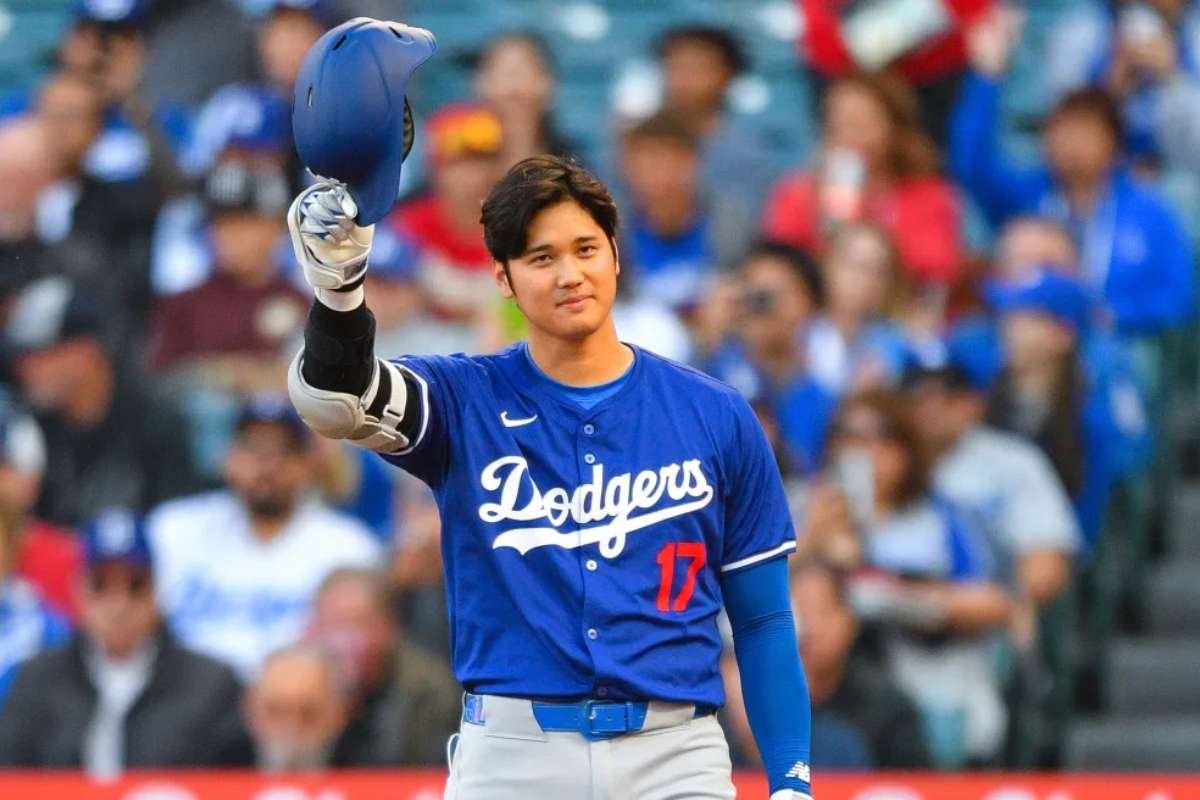
- Age: 30
- Team: Los Angeles Dodgers
- Position: DH/Starting Pitcher
- Contract: 10-yr/$700M (2024–2033)
- 2026 AAV: $70,000,000
- Net Worth: $150–200M
- Primary Income: $70M AAV (deferred) + $40–100M endorsements annually
Shohei Ohtani tops the highest-paid MLB players in 2026 at $70 million in average annual salary. At 30, he continues doing what no modern player does consistently: pitch at an elite level while hitting like a superstar. The Dodgers structured his deal cleverly—he receives just $2 million per year through 2033, with the remaining $68 million deferred until 2035 and beyond. This tax strategy benefits everyone involved, and it’s why understanding his actual cash flow matters more than the headline number.
His endorsement portfolio is staggering. Japanese corporations view him as a gateway to American markets, resulting in deals worth $40 to $100 million annually from New Balance, Japan Airlines, Seiko, Kowa, and various other Japanese companies. No active player comes close to matching his international sponsorship value. He represents the new era of baseball economics, where global appeal transcends traditional salary structures.
2. JUAN SOTO
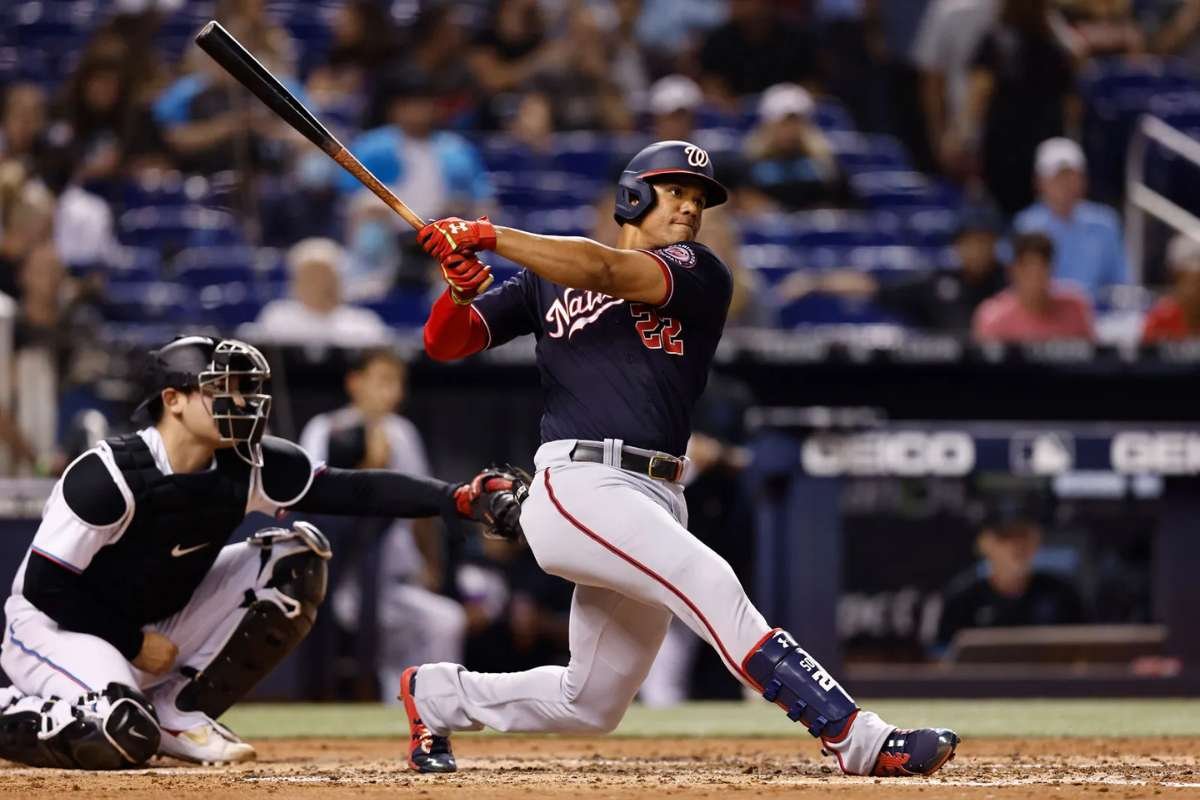
- Age: 26
- Team: New York Mets
- Position: Right Fielder
- Contract: 15-yr/$765M (2025–2039)
- 2026 AAV: $51,000,000
- Net Worth: $100M
- Primary Income: $51M AAV + $75M signing bonus (2025) + $5M endorsements
Juan Soto secured the largest contract in sports history at just 26 years old: 15 years, $765 million with the New York Mets. The reaction was immediate—”Soto. Mets.”—and it rebuilt baseball’s salary expectations overnight. In 2025 alone, he collected a $75 million signing bonus on top of his base salary, making him the highest cash earner in the calendar year despite having a lower average annual value than Ohtani.
What sets Soto apart is consistency. He walks more than he strikes out, a rarity among power hitters. The Dominican-born star also carries significant commercial appeal across Latin America, resulting in endorsement deals with prominent brands such as Activision Blizzard, Celsius Holdings, Under Armour, Fanatics, Topps, and Wilson. If he maintains this elite performance through his 30s, the Mets deal becomes a bargain. If decline hits early, it becomes a franchise killer.
3. ZACK WHEELER
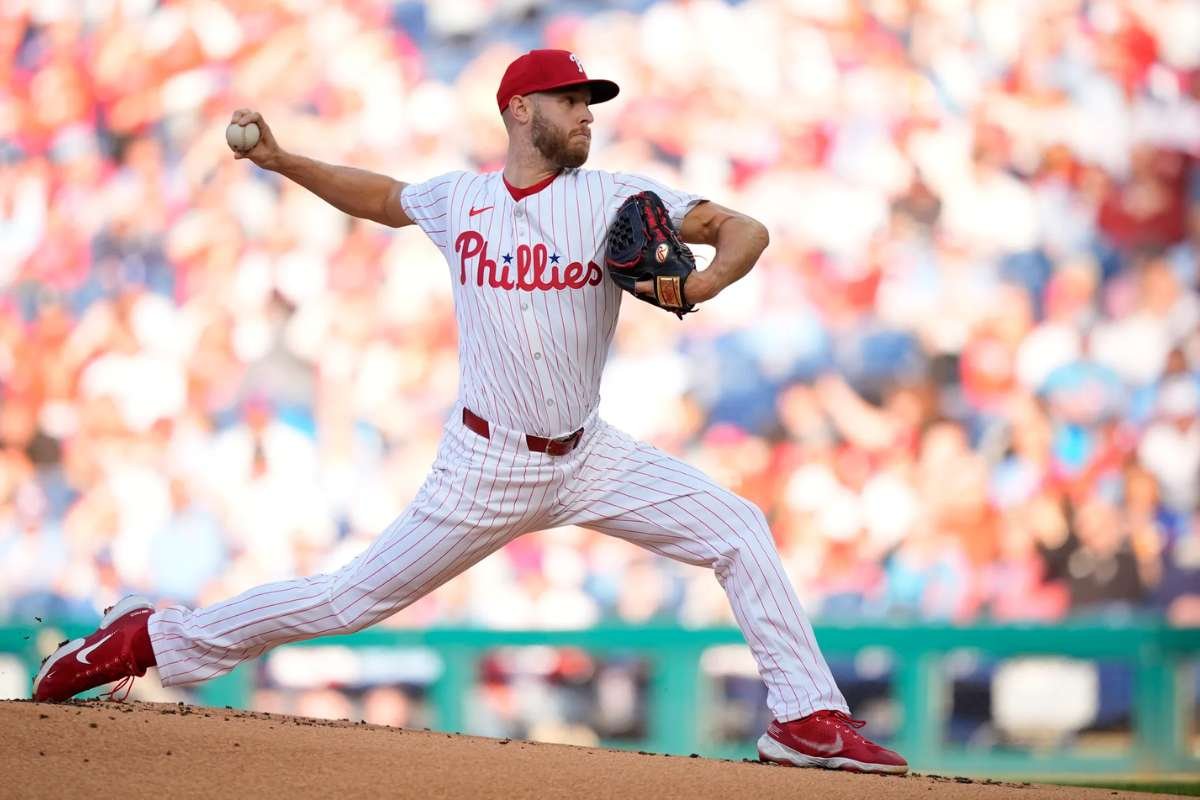
- Age: 34
- Team: Philadelphia Phillies
- Position: Starting Pitcher
- Contract: 3-yr/$126M (2025–2027)
- 2026 AAV: $42,000,000
- Net Worth: $118.3M
- Primary Income: $42M salary (pure cash) + ~$1M endorsements
Zack Wheeler’s deal stands apart because it contains zero financial trickery. The Philadelphia Phillies pay him $42 million annually in pure cash across a three-year, $126 million contract. No deferrals. No signing bonuses. Just honest money for elite pitching, a hallmark of the highest-paid MLB players in modern baseball. At 34, this makes him the highest pure-cash pitcher in baseball. His Tommy John surgery comeback story and sub-3.00 ERA track record justified the straight-cash offer without financial engineering.
The Phillies valued his consistency enough to commit $42 million without deferring a single dollar. In a market where other teams were pushing payments to 2035 and beyond, Wheeler’s deal underscored the Phillies’ commitment to investing in excellence now. It’s a statement about organizational commitment and player trust.
4. AARON JUDGE

- Age: 32
- Team: New York Yankees
- Position: Right Fielder
- Contract: 9-yr/$360M (2023–2031)
- 2026 AAV: $40,000,000
- Net Worth: $50M
- Primary Income: $40M salary (pure cash) + $8–10M endorsements
Aaron Judge hit 62 home runs in 2022, breaking the American League single-season record. Two years later, he won back-to-back unanimous MVP awards in 2022 and 2024—a feat few accomplish. The Yankees captain earns $40 million annually and commands another $8 to $10 million from endorsements. His mainstream appeal extends to baseball, placing him within the highest-paid MLB players while also driving merchandise and stadium revenue. Pepsi, Adidas, Hulu, T-Mobile, Jordan Brand, Ralph Lauren, PRIME Hydration, Rawlings, and Waiakea Water all pay for his image.
New York’s premium market inflates his sponsorship value compared to equally talented players elsewhere. At 32, Judge demonstrates that individual dominance can justify massive salaries, even as age creeps in. Packed stadiums, merchandise sales, and broadcast ratings all spike when he takes the field. The Yankees bet correctly that his continued excellence would generate revenue, justifying the $40 million annual commitment.
5. ALEX BREGMAN
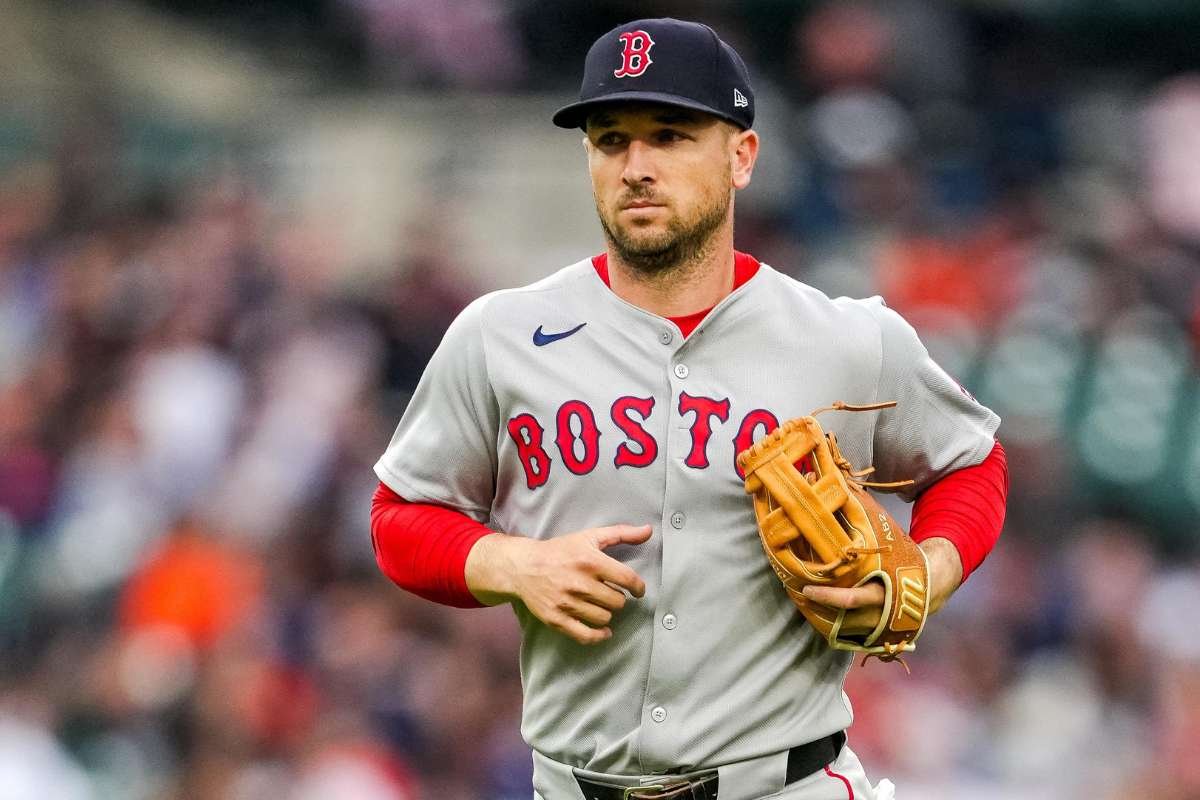
- Age: 31
- Team: Boston Red Sox
- Position: Third Baseman
- Contract: 3-yr/$120M (2025–2027)
- 2026 AAV: $40,000,000
- Net Worth: $45–50M
- Primary Income: $40M AAV (50% deferred) + ~$2M endorsements
Alex Bregman left the Houston Astros dynasty in 2025 and signed with the Boston Red Sox, who believed rebuilding required proven winners. His three-year, $120 million deal is structured similarly to Ohtani’s: $20 million in annual cash, with $60 million deferred until 2035 and beyond. Opt-out clauses after 2025 and 2026 give him flexibility if circumstances change, marking him as one of the highest-paid MLB players with built-in strategic mobility.
At 31, Bregman’s World Series championship with Houston and consistent All-Star appearances justified the $40 million average annual salary. The Red Sox calculated that experience and proven excellence would establish culture faster than developing prospects alone. His modest endorsement portfolio reflects the reality of third baseman compensation compared to outfielders, but his leadership value made him worth every dollar.
6. Jacob deGrom

- Age: 36
- Team: Texas Rangers
- Position: Starting Pitcher
- Contract: 5-yr/$185M (2023–2027)
- 2026 AAV: $37,000,000
- Net Worth: $40–45M
- Primary Income: $37M salary (pure cash) + ~$0.3M endorsements
At 36, Jacob deGrom proves that elite starting pitchers command enormous money regardless of age. The Texas Rangers committed five years and $185 million in pure cash. DeGrom’s injury history could have deterred teams, yet the Rangers calculated that a healthy DeGrom for even portions of the contract would pay dividends in October baseball. That’s how desperate teams are for dominant starters.
His track record speaks for itself: Two-time Cy Young Award winner, eight-time All-Star, and a strikeout machine who reached 300 strikeouts in multiple seasons. The Rangers made a calculated gamble on his mid-30s dominance carrying through their championship window. Every dollar reflects the premium teams place on shutdown pitchers, the rarest commodity in modern baseball.
7. BLAKE SNELL
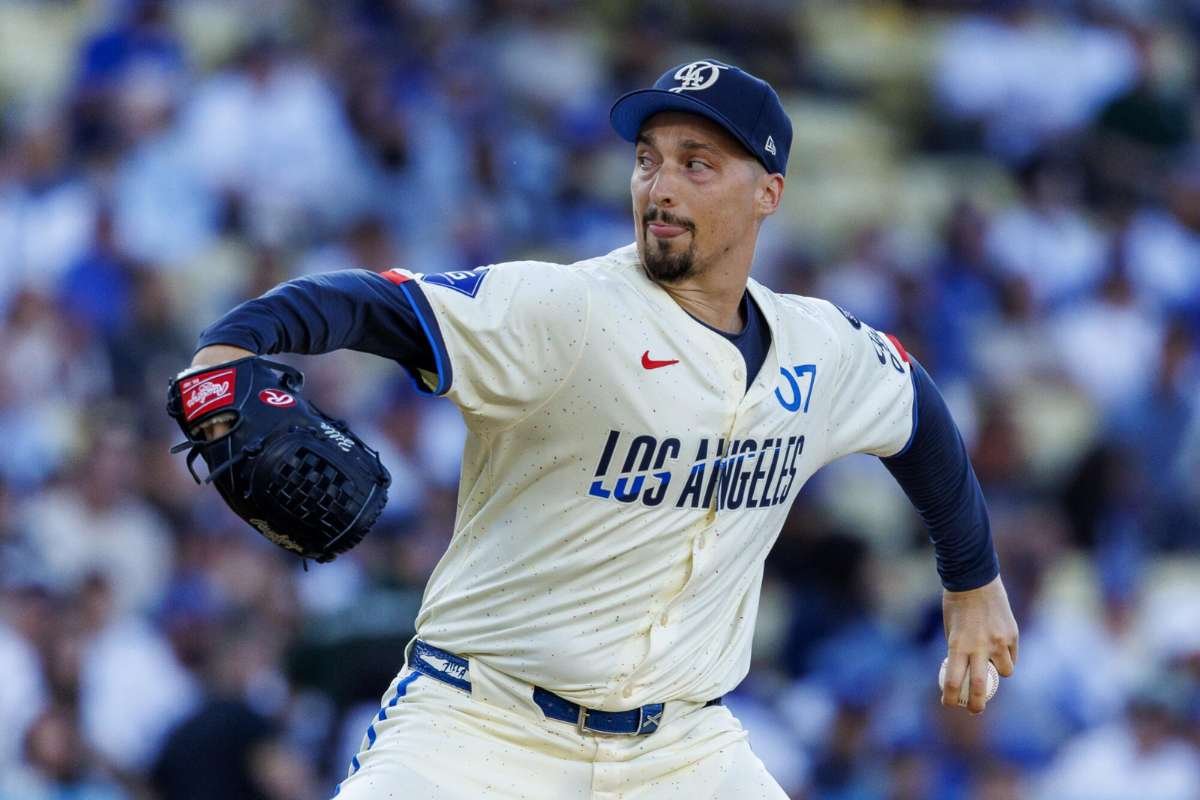
- Age: 32
- Team: Los Angeles Dodgers
- Position: Starting Pitcher
- Contract: 5-yr/$182M (2025–2029)
- 2026 AAV: $36,400,000
- Net Worth: $50–60M
- Primary Income: $36.4M AAV + $52M signing bonus (2025) + $66M deferred + ~$0.8M endorsements
Blake Snell left the San Francisco Giants for the Los Angeles Dodgers and immediately collected a $52 million signing bonus. That single payment spiked his 2025 earnings to nearly $65 million, second only to Juan Soto’s $75 million bonus. Over the course of five years, he’ll earn a total of $182 million, with $66 million deferred from 2035 to 2046. This structure mirrors Ohtani’s approach: immediate guaranteed money now, future payments handled by the organization.
Two-time Cy Young Award winner at 32, Snell still has multiple productive years ahead. The deferred structure is less risky at his age than for older players. The Dodgers believed their championship window required another elite left-handed arm, and Snell provided that option. His $52 million bonus proved his value among the highest-paid MLB players in baseball’s current market.
8. GERRIT COLE
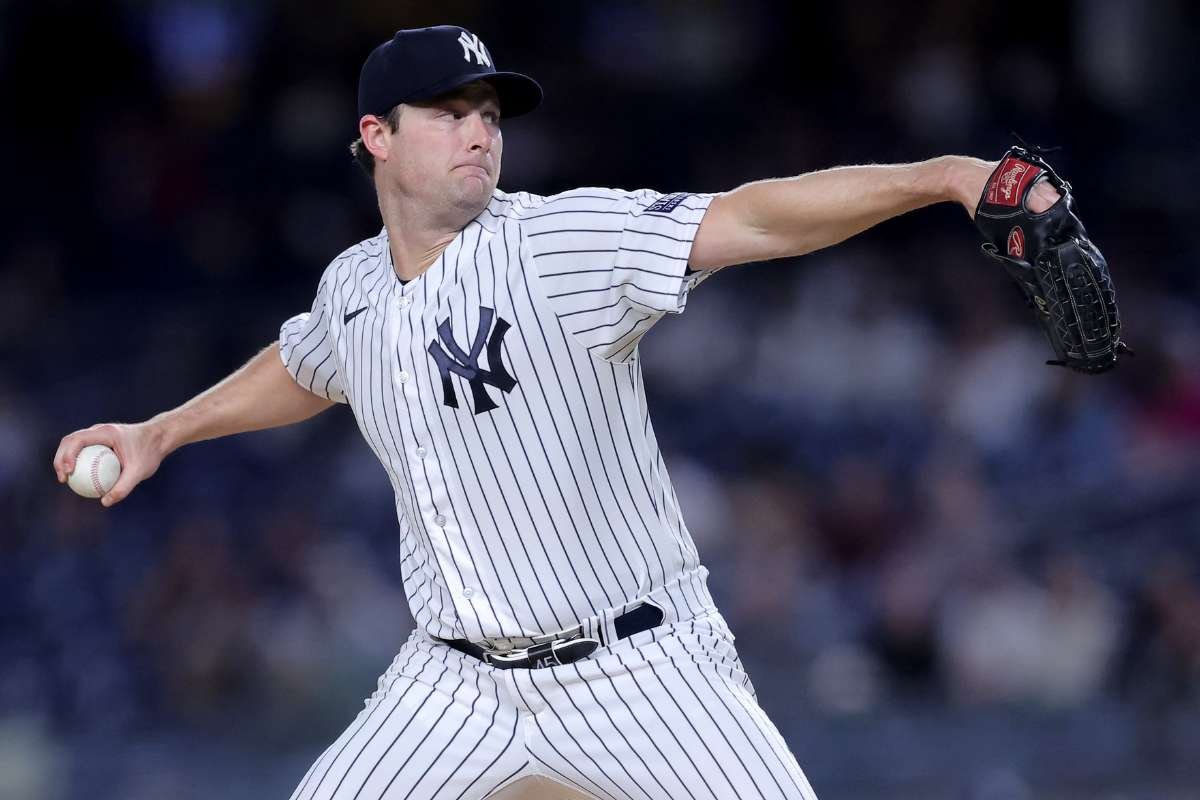
- Age: 34
- Team: New York Yankees
- Position: Starting Pitcher
- Contract: 9-yr/$324M (2020–2028)
- 2026 AAV: $36,000,000
- Net Worth: $50M+
- Primary Income: $36M salary (pure cash) + ~$1M endorsements
Gerrit Cole signed his nine-year, $324 million deal in 2019, before the free agency explosion of 2024 and 2025. His $36 million average annual salary now appears relatively restrained compared to recent pitcher deals. Yet his 2023 Cy Young Award and continued excellence justify his position as the Yankees’ staff ace. He receives pure cash payments, $36 million annually, with no deferrals or financial tricks.
The Yankees committed to Cole as their ace for the foreseeable future, betting his dominance would carry through his late 30s. His track record supports that gamble. Since joining New York, he’s maintained elite ERA numbers and remained relatively healthy. In a market where other teams negotiated deferred payments, Cole’s straight cash deal emphasized the Yankees’ willingness to spend heavily in the present, distinguishing him among the league’s highest-paid MLB players.
9. MIKE TROUT

- Age: 33
- Team: Los Angeles Angels
- Position: Center Fielder
- Contract: 12-yr/$426.5M (2019–2030)
- 2026 AAV: $35,541,667
- Net Worth: $140M
- Primary Income: $35.5M salary (pure cash) + $10–15M endorsements
Mike Trout represents baseball’s most paradoxical earner. He ranks ninth on the highest-paid list, with an average annual value of $35.5 million, yet he holds the highest net Worth at $140 million. His 12-year, $426.5 million contract was the largest in sports history when signed in 2014. Three-time MVP, eight-time All-Star, and the fastest player to 300 home runs, Trout has earned every penny. He earns $35.5 million annually in pure cash, plus another $10 to $15 million from endorsements.
Yet the Angels have failed to build a championship roster around him. His net Worth exceeds that of the highest-paid MLB players due to his career longevity, consistency, and numerous endorsement opportunities. At 33, he remains one of baseball’s most valuable players, though age and contract obligations may limit future financial upside. The Angels’ organizational failure serves as a counterargument to the justification of high salaries for superstars.
10. ANTHONY RENDON
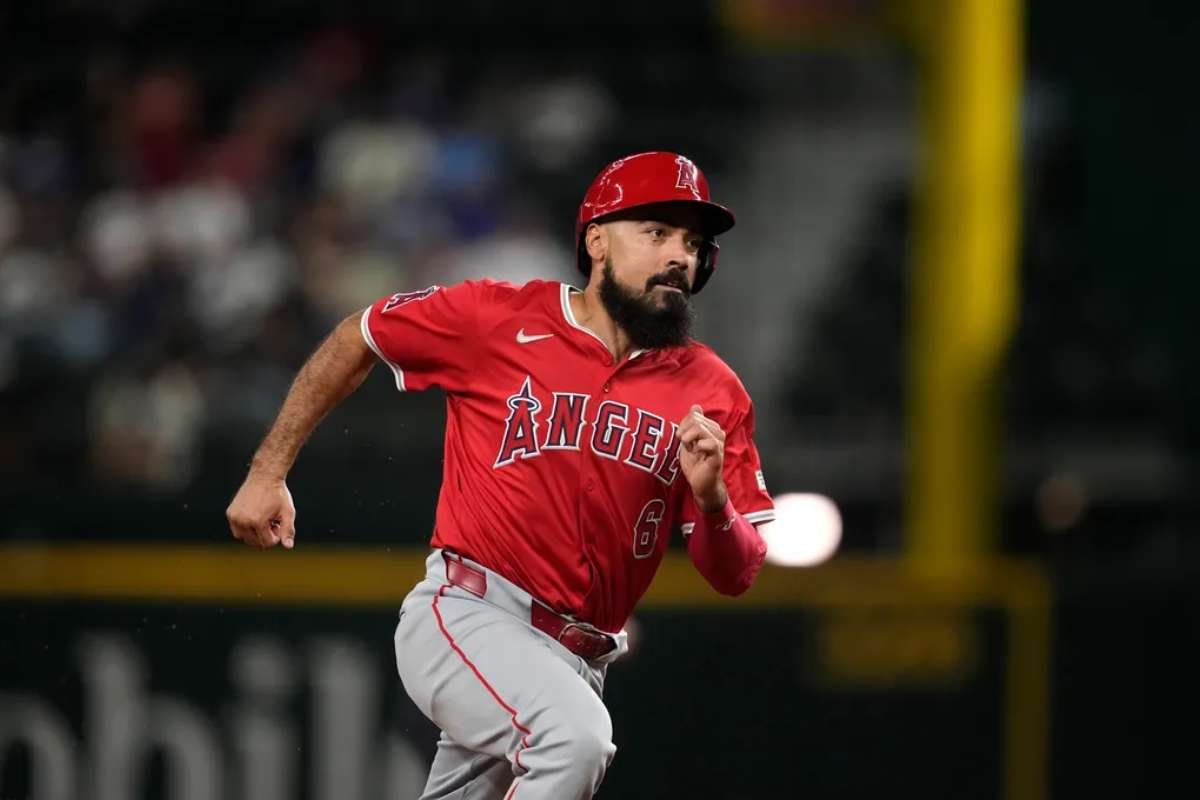
- Age: 35
- Team: Los Angeles Angels
- Position: Third Baseman
- Contract: 7-yr/$245M (2020–2026)
- 2026 AAV: $35,000,000
- Net Worth: $40M
- Primary Income: $35M salary (pure cash) + ~$0.5M endorsements
Anthony Rendon’s contract has become a cautionary tale in baseball. The Angels signed him to $35 million per year based on his World Series championship with Washington and consistent All-Star appearances. What followed was injury after injury. He has appeared in roughly 30 percent of the available games since signing. His 2025 season ended with hip surgery. He still earns his $35 million annually, but the production doesn’t match the cost.
At age 35 and injured, Rendon illustrates how quickly big money can turn sour when health fails. Even championship-caliber players can disappoint when age and injury converge. The Angels remain committed to paying him through his contract, but every dollar feels like an organizational mistake. His deal serves as a stark reminder to any executive considering mega-contracts for players entering their mid-30s.
11. CORBIN BURNES
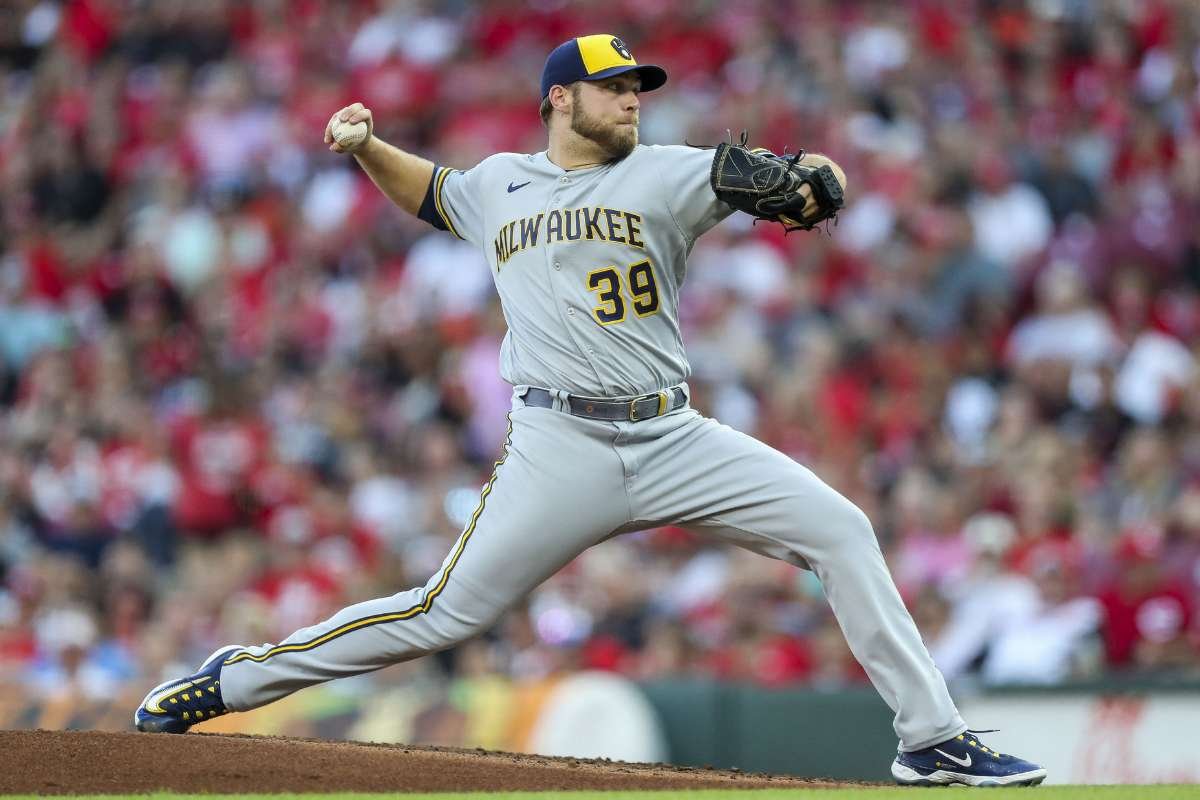
- Age: 30
- Team: Arizona Diamondbacks
- Position: Starting Pitcher
- Contract: 6-yr/$210M (2025–2030)
- 2026 AAV: $35,000,000
- Net Worth: $10.74–15M
- Primary Income: $35M AAV (30% deferred) + $10 signing bonus + performance incentives
Corbin Burnes chose to stay in Arizona despite lucrative offers from other teams, partly due to his hometown roots in Scottsdale. His six-year, $210 million deal includes a $10 million signing bonus and significant deferrals—$64 million pushed to 2031 through 2036. The contract also contains an opt-out clause after 2027, providing him with flexibility if his market value increases or circumstances change. As one of baseball’s highest-paid MLB players, Burnes represents the new wave of elite pitchers willing to accept deferred payments in exchange for immediate security.
The Diamondbacks secured their ace while maintaining payroll flexibility. Burnes’ 2021 Cy Young award and young age made him valuable enough to command $35 million AAV despite the deferrals. At 30, he has multiple productive years ahead, making the deferred structure less risky than similar arrangements for older players. The opt-out clause suggests confidence in his ability to maintain elite performance.
12. FRANCISCO LINDOR
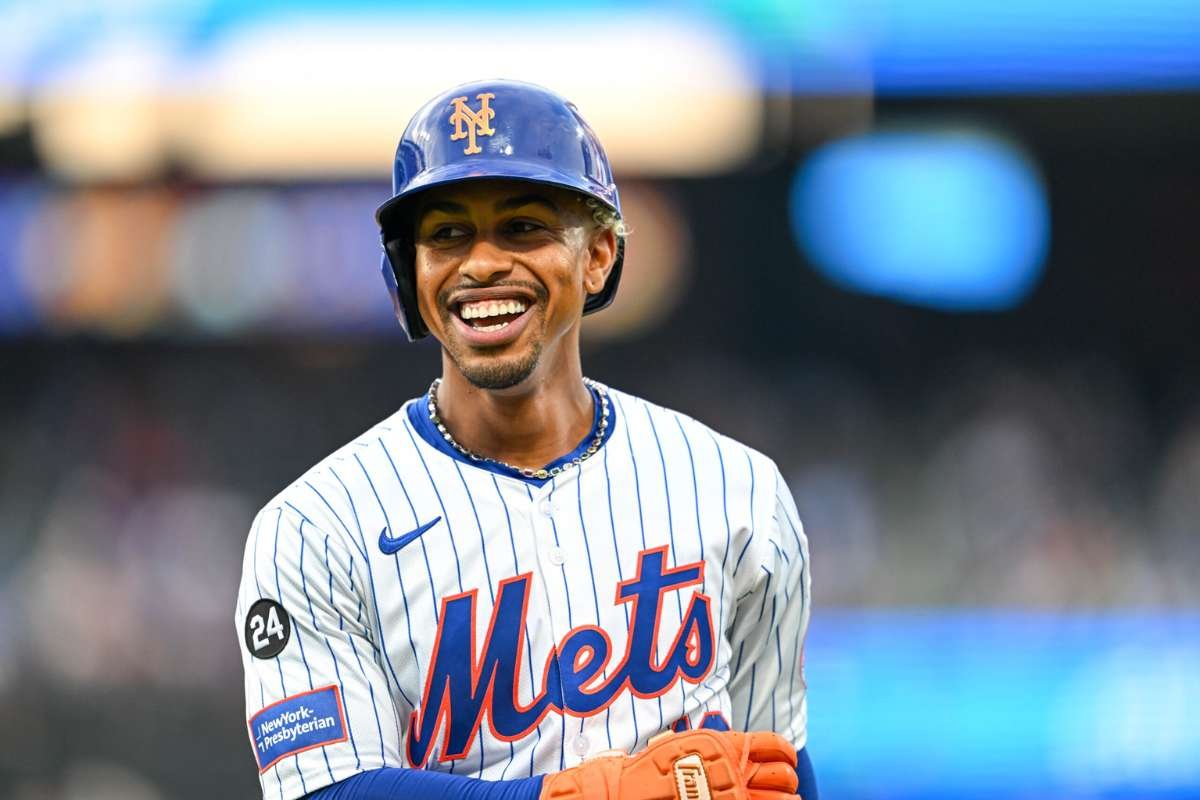
- Age: 31
- Team: New York Mets
- Position: Shortstop
- Contract: 10-yr/$341M (2022–2031)
- 2026 AAV: $34,100,000
- Net Worth: $75–80M
- Primary Income: $34.1M AAV + $50M deferred + $8–10M endorsements
Francisco Lindor signed his 10-year, $341 million deal in 2021, before salaries exploded in 2024 and 2025. The Mets secured their franchise shortstop with a full no-trade clause. His average annual value of $34.1 million includes $50 million in deferrals pushed to future years. Beyond his base salary, Lindor earns $8 to $10 million annually from endorsements, which is reflected in his charismatic personality and consistent All-Star selections.
Four-time Gold Glove winner and multiple-time Silver Slugger, Lindor represents what the highest-paid MLB players in their prime years look like, a different era of player contract locked in before the market rebuilt itself. His endorsement portfolio includes Gatorade, Franklin, Marucci, New Balance, and Rawlings, reflecting appeal to both baseball-specific and mainstream audiences. The Mets’ decision to pair him with Juan Soto suggests an all-in commitment to competing for championships in the next five to ten years.
13. CARLOS CORREA
- Age: 30
- Team: Minnesota Twins
- Position: Shortstop
- Contract: 6-yr/$200M (2023–2028)
- 2026 AAV: $33,300,000
- Net Worth: $50M
- Primary Income: $33.3M AAV (partial deferrals) + ~$2M endorsements
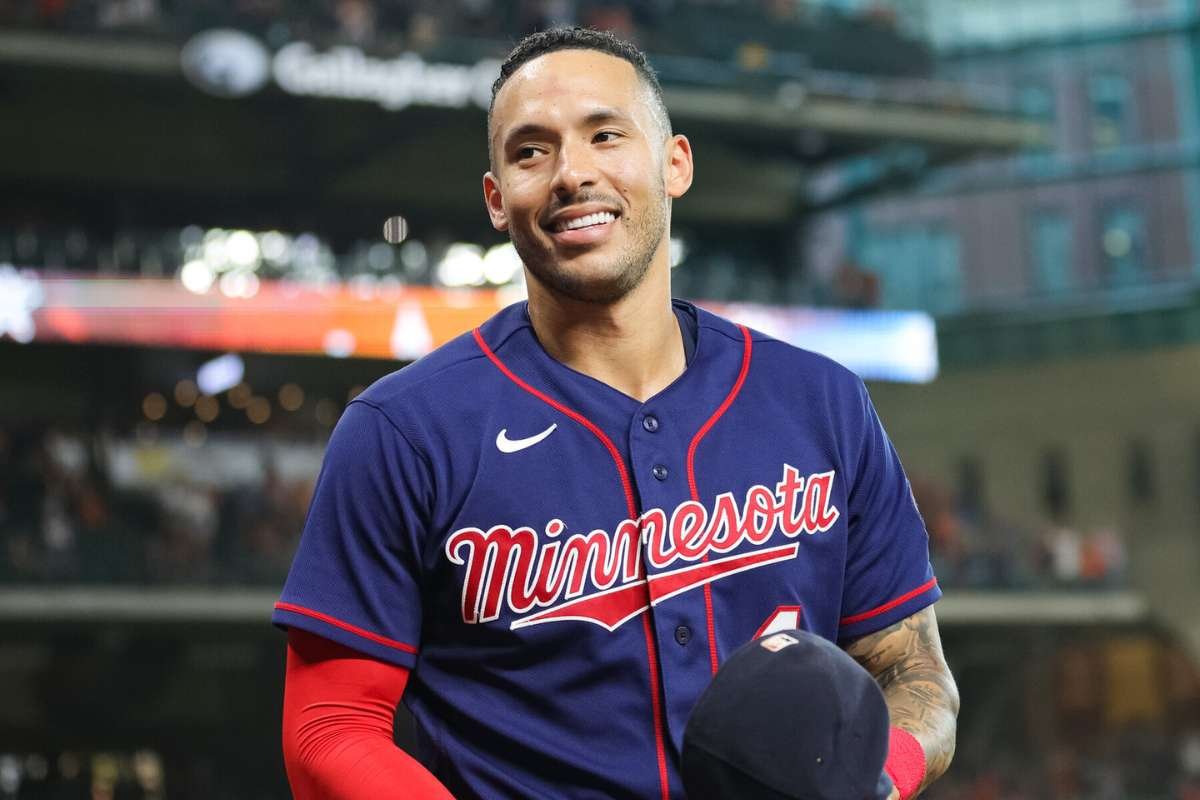
Carlos Correa holds historical significance as the first Latin American player selected first overall in the MLB draft. Born in Puerto Rico, he carries massive appeal across Caribbean fan bases. His six-year, $200 million deal with the Minnesota Twins includes partial deferrals, typical for recent highest-paid MLB players across the league. He earns roughly $33.3 million AAV with modest endorsement deals adding another $2 million annually.
At 30 with an estimated net worth of $50 million, Correa represents the next generation of elite international players reshaping baseball’s economics. His heritage opens marketing doors across the Caribbean and Central America that other players cannot access. The Twins believed anchoring their future around Correa’s elite shortstop abilities and international appeal would drive organizational success and revenue growth.
14. COREY SEAGER

- Age: 31
- Team: Texas Rangers
- Position: Shortstop
- Contract: 10-yr/$325M (2022–2031)
- 2026 AAV: $32,500,000
- Net Worth: $50M
- Primary Income: $32.5M AAV (declining) + $8–12M endorsements
Corey Seager signed before the 2022 season and collected a World Series MVP award with the Rangers that same October, instantly validating the investment. His 10-year, $325 million deal includes a declining salary structure, starting at $35 million and dropping to $31 million by 2031. The Rangers structured it this way to manage future payroll, assuming production would decrease with age.
At 31, Seager has delivered exactly what the Rangers hoped: championship-level performance at shortstop paired with declining salary obligations. Unlike many mega-contracts signed in hope, Seager’s deal has already produced tangible results, making him one of the highest-paid MLB players whose contracts actually justify their investment. The declining structure reflects realistic assumptions about aging athletes while maintaining salary competitiveness in the near term. His endorsement deals add another $8 to $12 million annually.
15. MAX FRIED

- Age: 31
- Team: New York Yankees
- Position: Starting Pitcher
- Contract: 8-yr/$218M (2025–2032)
- 2026 AAV: $27,250,000
- Net Worth: $28M
- Primary Income: $27.25M AAV + $20M signing bonus (2025) + ~$0.5M endorsements
Max Fried joined the Yankees in 2025 fresh off his success with the Atlanta Braves, who won the 2021 World Series with him as a key contributor. His eight-year, $218 million contract includes a $20 million signing bonus, providing immediate cash despite a lower base salary. The contract also features a full no-trade clause, giving Fried control over his future. At $27.25 million AAV, he ranks lowest on the highest-paid MLB players list in 2026.
Yet his signing bonus brings his 2026 earnings closer to $35 to $40 million when properly amortized over the contract term. Fried’s track record of World Series success and left-handed pitching advantages made him valuable to the Yankees, despite a relatively lower AAV contract. The Yankees sought another ace for their rotation, and Fried provided that option at a fraction of what elite free agent pitchers commanded previously.
Why MLB Salaries Hit Record Levels In 2026?
The financial explosion didn’t happen overnight. Teams spent the better part of a decade building toward December 2024. The Mets, Yankees, and Dodgers all had the necessary funds. Television networks paid billions for broadcast rights. Merchandise sales climbed year after year. And a straightforward fact changed everything: there weren’t enough elite players to go around.
Start with the basics. When Babe Ruth signed his first major contract in the 1930s, he earned roughly $80,000 per season, a substantial sum at the time, but a pittance compared to what modern players command. By the 1990s, contracts had grown into the millions. By 2015, Clayton Kershaw had become the highest-paid pitcher, earning around $31 million per year. Ten years later, that number looked quaint. The salary growth wasn’t linear; it accelerated.
Several factors collided at once. First, streaming services and cable networks paid unprecedented sums for the rights to broadcast baseball. A single regional sports deal could generate hundreds of millions of dollars. Second, teams discovered that spending on star power directly increased attendance and merchandise revenue. A Juan Soto or Aaron Judge in your lineup meant packed stadiums. Third, the union fought hard in contract negotiations to ensure that salaries rose in tandem with team revenues. When owners pushed back, the union pushed harder.
The international market also opened new doors. Shohei Ohtani brought Japanese interest to the Dodgers. Suddenly, corporate sponsors from across Asia were eager to get involved. That global appeal increased his value to Los Angeles in ways traditional metrics couldn’t capture. Other Latin American stars, such as Carlos Correa and Juan Soto, tapped into massive fan bases across the Caribbean and Central America.
Competitive desperation also played a role. The Yankees hadn’t won a World Series since 2009. The Mets hadn’t won since 1986. Teams were willing to spend almost anything to break those droughts. Ownership saw Juan Soto or Aaron Judge as the missing piece, the player who could finally deliver. Whether that logic held up was another question, but it didn’t matter when contracts were being signed.
By 2024, the market had reached a boiling point. Teams that had money spent it. Teams that could borrow capacity found ways to do it. The highest-paid MLB players in 2025 were the direct result of this spending frenzy, as market forces collided with elite talent scarcity and an increasingly desperate hunt for championships.
Endorsement Empires
The highest-paid MLB players in 2026 don’t just cash baseball checks. Many double or triple their Income through sponsorships, and the gap between position players and pitchers becomes clear here. Shohei Ohtani leads the way with deals worth $40 to $100 million annually. Japanese brands like New Balance, Japan Airlines, Seiko, and Kowa see him as their American ambassador. No one else touches that number.
Juan Soto pulls in about $5 million from Activision Blizzard, Celsius, Under Armour, Fanatics, Topps, and Wilson. His youth and Latin American appeal help him build a portfolio that should grow through his 20s. Aaron Judge earns $8 to $10 million from Pepsi, Adidas, Hulu, T-Mobile, Jordan Brand, Ralph Lauren, and PRIME Hydration. New York’s spotlight makes every deal bigger for him.
Mike Trout gets $10 to $15 million from BodyArmor, Nike, Rawlings, and food brands. Francisco Lindor and Corey Seager each clear $8 to $12 million through Gatorade, New Balance, and equipment companies. Pitchers like Zack Wheeler, Gerrit Cole, and Jacob deGrom top out around $1 million combined—visibility matters. Outfielders bat every inning. Starters pitch every fifth day.
These off-field dollars often exceed salary differences between top earners. Ohtani’s total Income dwarfs Soto’s despite the AAV gap. Endorsements reward personality and market size more than on-field stats alone.
Top Endorsement Earners (2026 Estimates):
- Shohei Ohtani: $40–100M
- Mike Trout: $10–15M
- Aaron Judge: $8–10M
- Francisco Lindor/Corey Seager: $8–12M each
- Juan Soto: $5M
2025-2030 Salary Outlook
The highest-paid MLB players in 2026 set records, but the next five years are expected to bring further changes. Vladimir Guerrero Jr. kicks in at $35.7 million AAV starting 2026 from his Toronto extension. That pushes him into top-15 territory immediately. Several current contracts expire, too. Jacob deGrom finishes with Texas after 2027. Anthony Rendon ends his Angels deal in 2026. Alex Bregman’s short-term pact wraps in 2027.
Free agency is expected to heat up around 2027-2028. Young stars like Bobby Witt Jr., Elly De La Cruz, and Corbin Carroll hit the market. Their extensions or free agent deals could eclipse Soto’s $51 million benchmark. Established names like Bryce Harper and Kyle Schwarber seek extensions, too. Harper turns 33 in 2026. Any new deal redefines aging contracts.
Injuries create uncertainty. Ohtani’s Tommy John recovery timeline affects his deferred money value. deGrom’s health questions linger into his late 30s. Teams recalibrate as performance aligns with contract reality. The 2025-2030 window tests whether current spending produces rings or payroll burdens.
Key 2025-2030 Dates:
- 2026: Guerrero Jr. ($35.7M AAV starts), Rendon contract ends
- 2027: deGrom contract ends, Bregman opt-outs possible
- 2028: Witt Jr., De La Cruz free agency eligible
Future Trends
The 2026 CBA negotiations loom largest. Owners push for salary caps after the 2025 spending surge. Three teams topped $400 million payrolls while nine stayed under $100 million. Progressive luxury tax rates failed to deter big markets. A hard cap similar to the NBA or NFL could reshape everything.
Players resist caps fiercely. The MLBPA gained leverage through rising revenues and the emergence of international stars. Ohtani’s Japanese appeal and Soto’s Latin market showed global dollars flowing in. Broadcast deals with streaming services add billions more. Unions argue revenues justify open spending.
Free agency changes accelerate, too. Short-term deals with opt-outs become standard. Players chase annual market resets rather than locking in long-term. Agents push performance incentives
and no-trade clauses. Teams counter with deferral-heavy structures to manage cash flow.
Speculation suggests AAV ceilings of $80-100 million by 2030 if no cap materializes. Young international stars drive the escalation. MLB’s economic model hangs in the balance through 2026 talks.
2026 CBA Flashpoints:
- Salary cap vs. luxury tax expansion
- Minimum spending floors for small markets
- International signing bonus pools
- Service time manipulation rules
Conclusion
Baseball money reached levels no one predicted. Shohei Ohtani leads the highest-paid MLB players in 2026 at $70 million AAV, but Juan Soto collected more cash that year through bonuses. Teams pushed billions into stars while nine clubs stayed under $100 million total payroll. Deferred deals, endorsement empires, and position premiums created a new financial reality.
The lesson comes from watching these contracts play out. Ohtani’s deferred millions test Dodgers’ patience. Rendon’s injuries expose age risks. Judge and Soto show what works when talent meets market timing. By 2026, Guerrero Jr. joins the fray, and CBA talks could cap everything or let it explode further.