
Let us take a walk down a street. A street where the road is paved with money and a sea of people in rich, crisp suits live. Each one is ‘Atlas’ in their own eyes. Bearing the weight of the global economy on their shoulders. Worshipping and slaving to a god that takes the form of imaginary numbers on a screen.
And this god is unforgiving.
A chart flickers.
Currencies shift.
And in a matter of seconds, what looked stable a moment ago is suddenly different. For someone watching from the outside, it can feel random. For someone inside it, it feels even more intense because every move seems to demand a decision.
Trading in this space is not really about watching numbers move. It is about understanding why they move and how to respond without getting pulled into noise. That is exactly where forex trading strategies become essential. They help traders replace impulse with structure and leave them with a clearer way of reading the market.
In this article, we will take a look at different strategies that are used in the forex trading market, along with how to pick the best strategy.
But first, let us make sure that you know what forex trading strategies are. Do you?
What Are Trading Strategies in Foreign Exchange Markets?
Trading strategies in foreign exchange are structured methods that traders use to decide when to buy or sell currency pairs. These methods rely on price action, indicators, or economic data. They help traders avoid random decisions and follow a clear plan.
Each strategy sets simple rules for entry and exit. Traders use them to stay consistent in the markets. These approaches also guide how traders react to market changes. Some focus on quick price shifts, while others track longer trends.
Traders may use charts, news signals, or momentum tools to shape decisions. A strong strategy adds structure, reduces emotional trading, and supports more controlled outcomes. Now, let’s see the different strategies for trading forex.
The 10 Different Forex Trading Strategies
Forex trading strategies vary based on time frame, market behavior, and trading style. Each method works under different conditions, from fast intraday moves to longer macro trends. Understanding these differences helps connect strategy choice with real market behavior.
This section breaks down each approach in detail so you can see how they function in practice.
1. Scalping Strategy
- Type: Short term
- Time Frame: Seconds to Minutes
- Best For: High focus traders handling fast execution
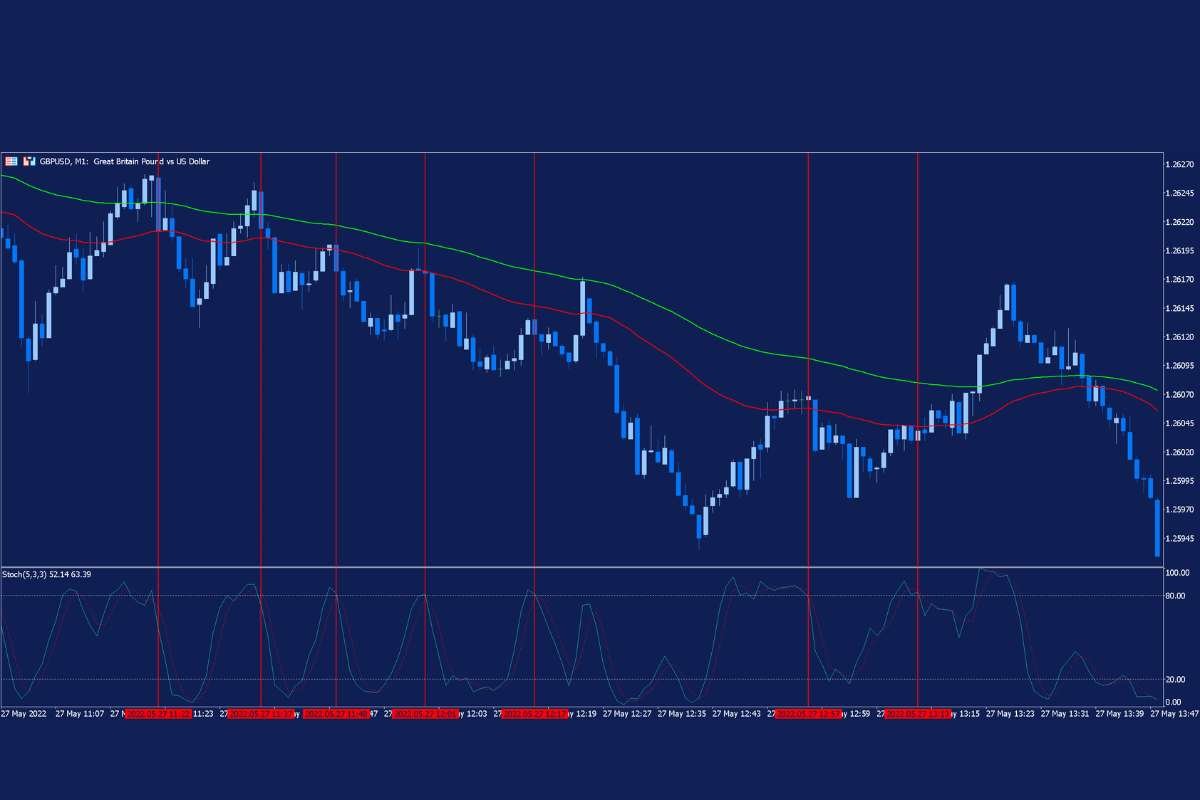
Fast, repetitive trades define this approach, where traders aim to capture very small price movements across active sessions. Positions are opened and closed within minutes or even seconds, often many times in a single trading window. The strategy depends heavily on execution speed, tight spreads, and stable liquidity conditions. Even minor delays or slippage can impact overall performance, making precision essential in every trade.
2. Intraday Breakout Strategy
- Type: Short term
- Time Frame: Seconds to Minutes
- Best For: Capturing sharp moves after key levels break
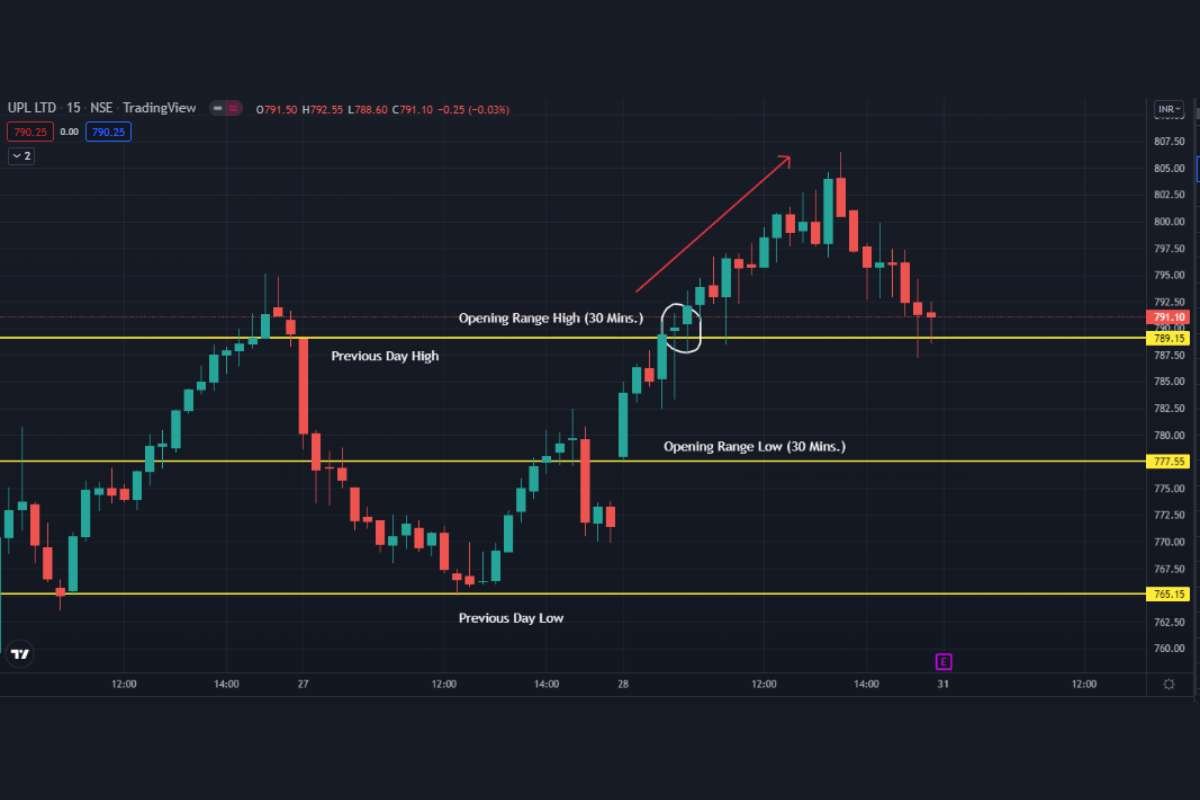
Market pressure builds quietly when price consolidates within a narrow range, often before a sudden expansion. Once price breaks through key support or resistance, momentum tends to accelerate quickly in one direction. This approach, among popular forex trading strategies, focuses on entering during the expansion phase. Strong timing and confirmation signals help avoid false breakouts and improve trade quality.
3. Range Trading Strategy
- Type: Short term
- Time Frame: Seconds to Minutes
- Best For: Sideways markets with clear support and resistance
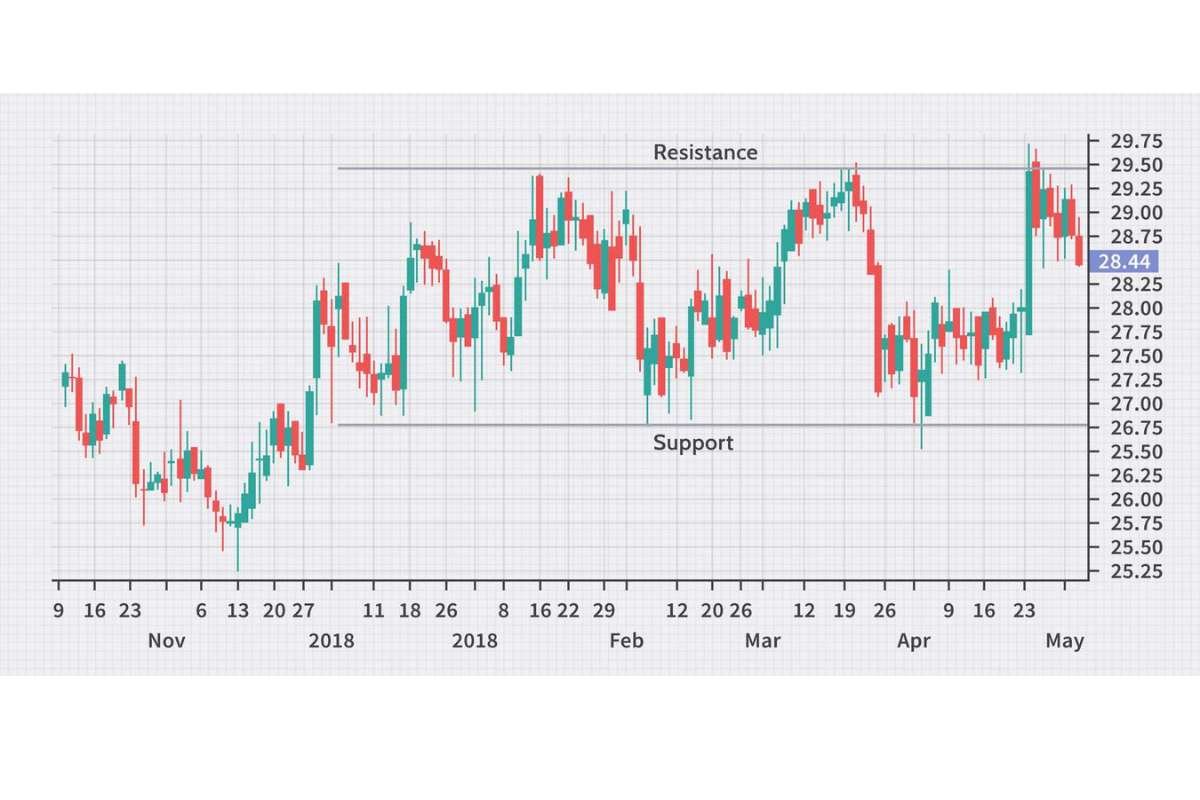
Price often moves within a defined corridor when the market lacks strong direction. This strategy focuses on buying near support and selling near resistance inside that range. Traders rely on repeated price behavior rather than breakout momentum. It works best when volatility is stable, and trends are weak or absent. False breakouts remain a key risk, so confirmation signals matter.
4. Trend Following Strategy
- Type: Midterm
- Time Frame: Days to Weeks
- Best For: Traders who prefer riding established trends
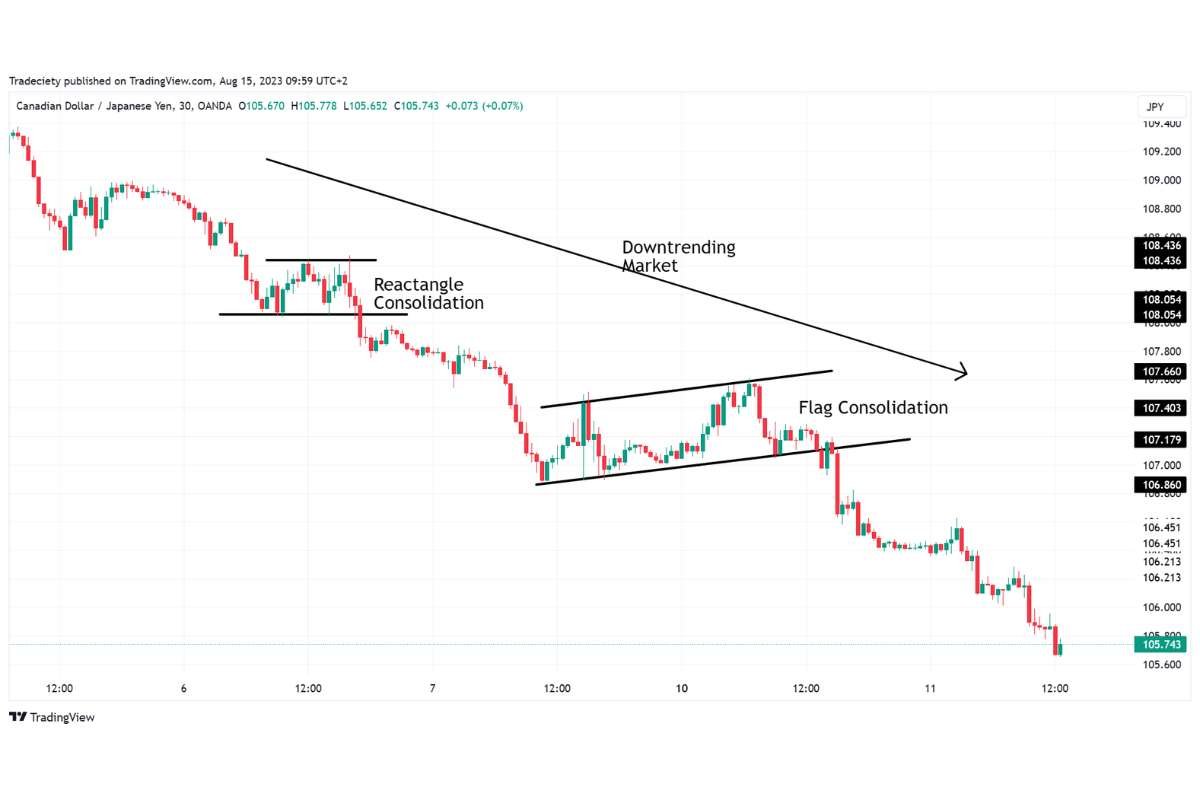
Strong directional moves often continue longer than expected once momentum builds. This is one of the core forex trading strategies that focuses on identifying an existing trend and staying aligned with it. Instead of predicting reversals, the strategy follows price direction until strength fades. Moving averages and momentum indicators often help confirm trend stability. It performs well in markets driven by sustained macro or sentiment trends.
5. Swing Trading Strategy
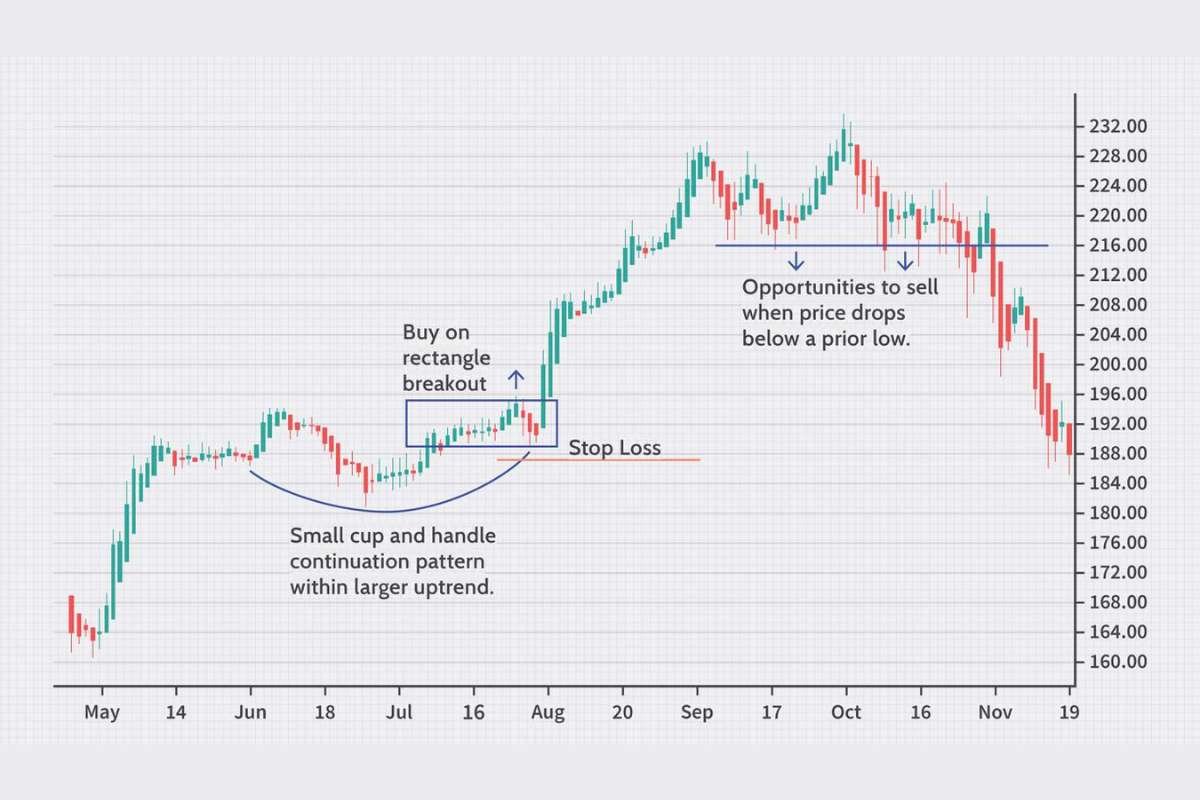
- Type: Midterm
- Time Frame: Days to Weeks
- Best For: Capturing medium-sized price movements with less monitoring
Price tends to move in waves between short-term highs and lows. This strategy aims to capture those swings without constant screen time. Entries usually happen near pullbacks or early trend shifts. Trades are held for several days to weeks, depending on momentum. It balances patience with opportunity, making it suitable for less active trading schedules.
6. Position Trading Strategy
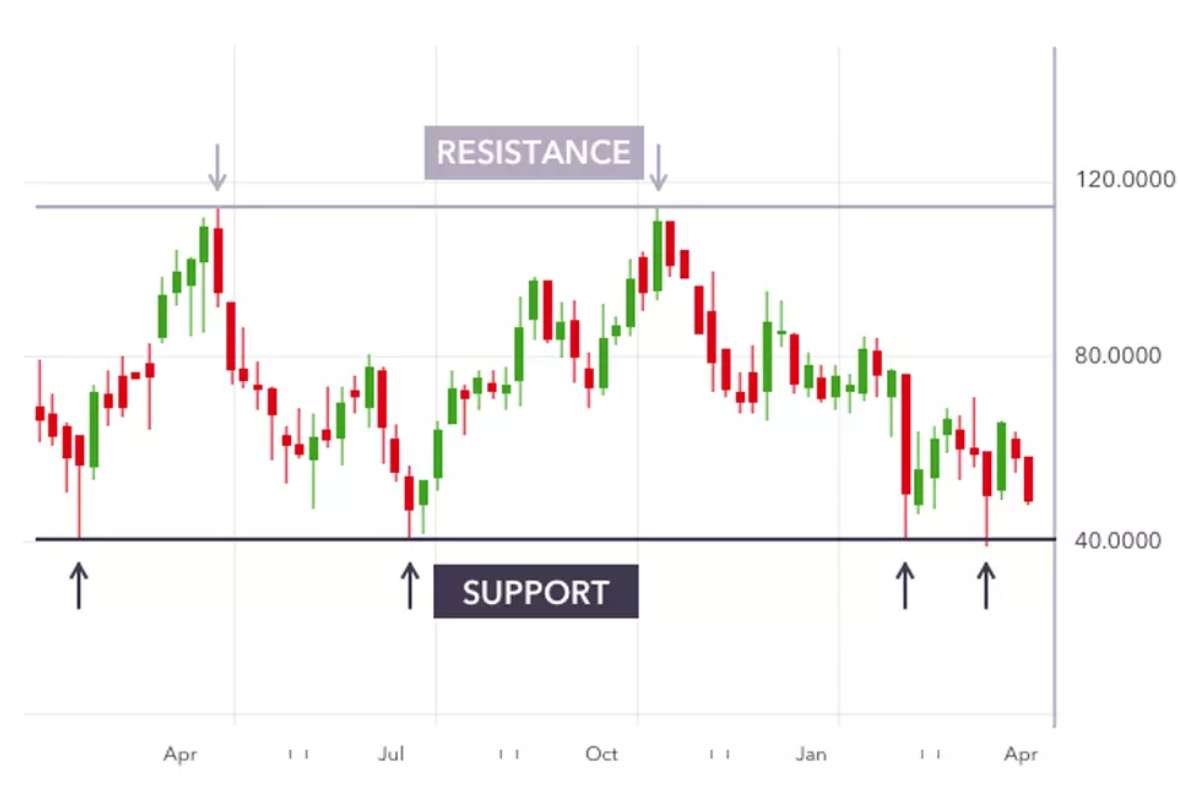
- Type: Long-term
- Time Frame: Weeks to Months
- Best For: Traders focused on macroeconomic trends
Position trading strategy focuses on capturing broad market moves that develop over weeks or even months. Trades are usually guided by macroeconomic drivers such as interest rates, inflation data, and policy shifts. Short-term volatility is often ignored since the main objective is to follow the larger directional trend. Ultimately. It stands out as one of the more patient forex trading strategies.
7. News-Based Trading Strategy
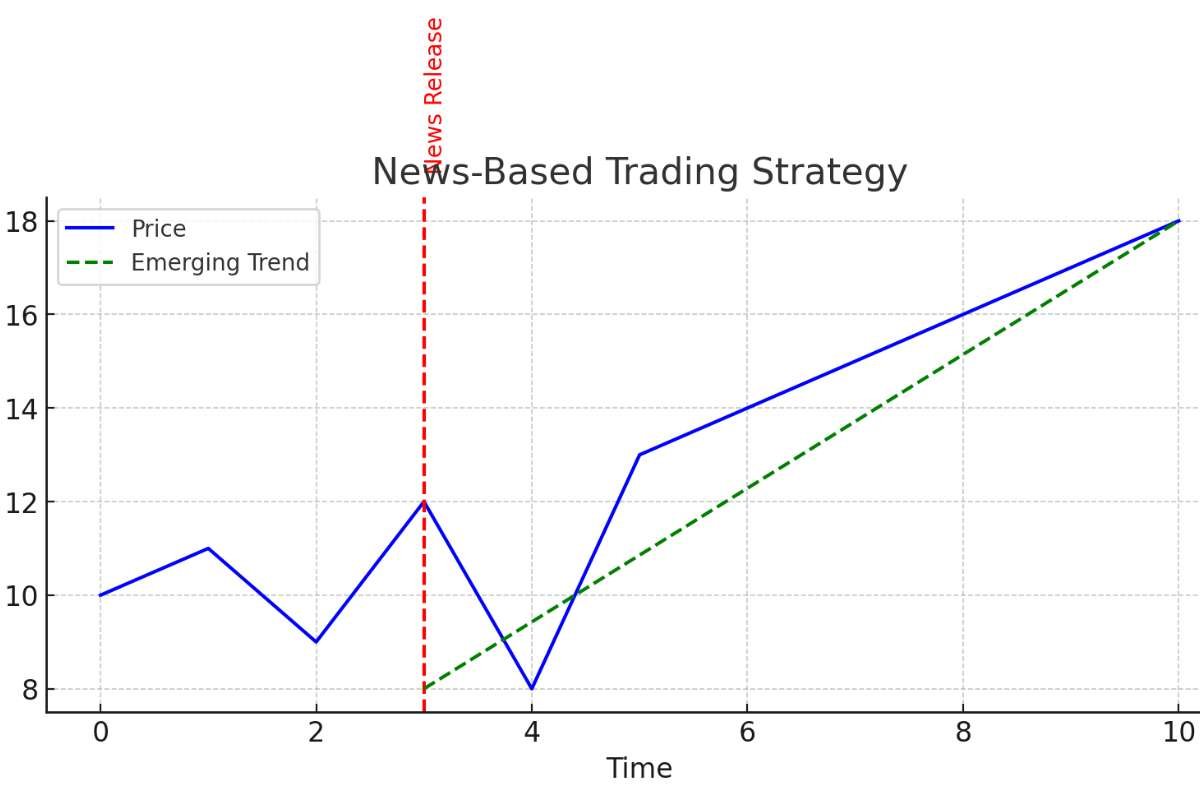
- Type: Short term
- Time Frame: Seconds to Minutes
- Best For: Trading volatility around economic announcements
Sudden volatility often follows major economic events, and a news-based trading strategy targets those sharp reactions. Price can move rapidly within seconds of key releases like inflation reports or central bank decisions. Traders focus on reacting quickly rather than forecasting direction ahead of time. Tight risk control becomes essential because movements can be fast and unpredictable.
8. Pullback (Retracement) Strategy
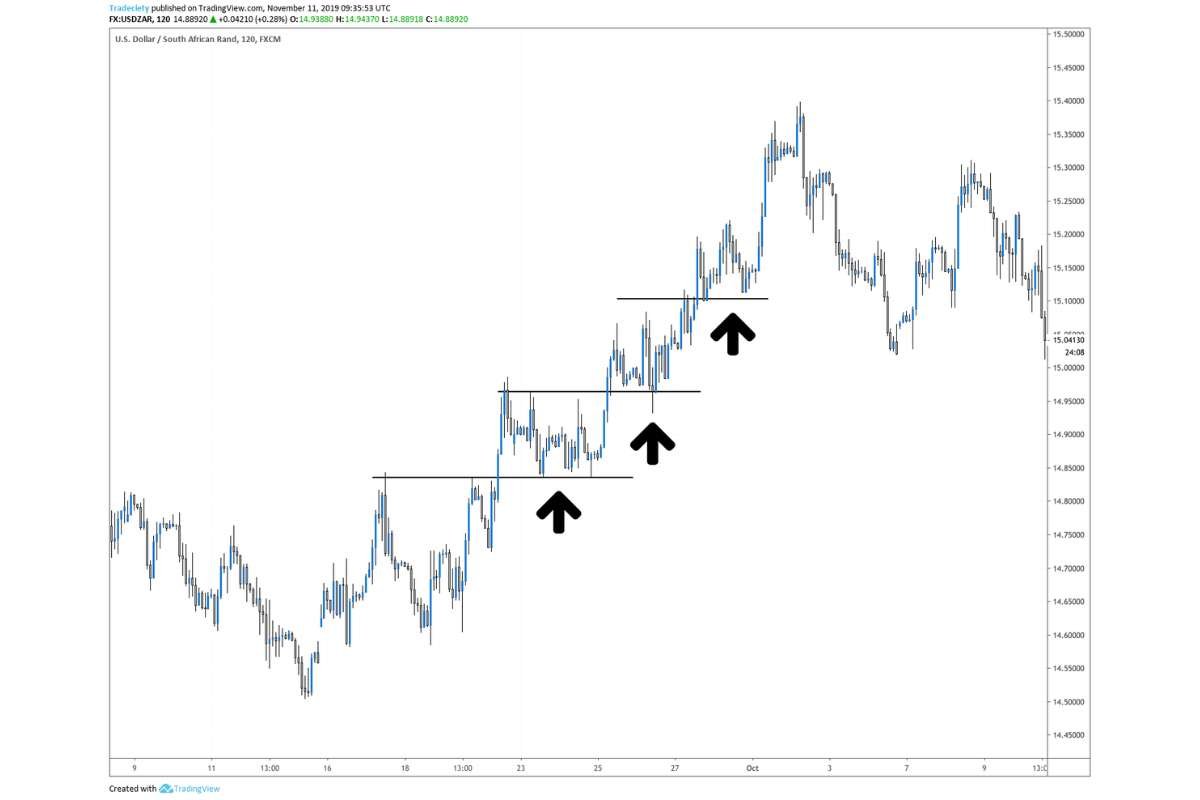
- Type: Midterm
- Time Frame: Days to Weeks
- Best For: Entering trades during temporary corrections in a trend
Pullback trading is another widely used approach within forex trading strategies, where traders look for temporary reversals inside an existing trend. Instead of chasing extended moves, they wait for the price to retrace before entering in the direction of the main trend. These pauses often provide better entry levels and improved risk-to-reward opportunities. This method works best when the overall trend remains strong and intact.
9. Hedging Strategy
- Type: Long-term
- Time Frame: Days to Weeks
- Best For: Reducing risk across correlated currency pairs
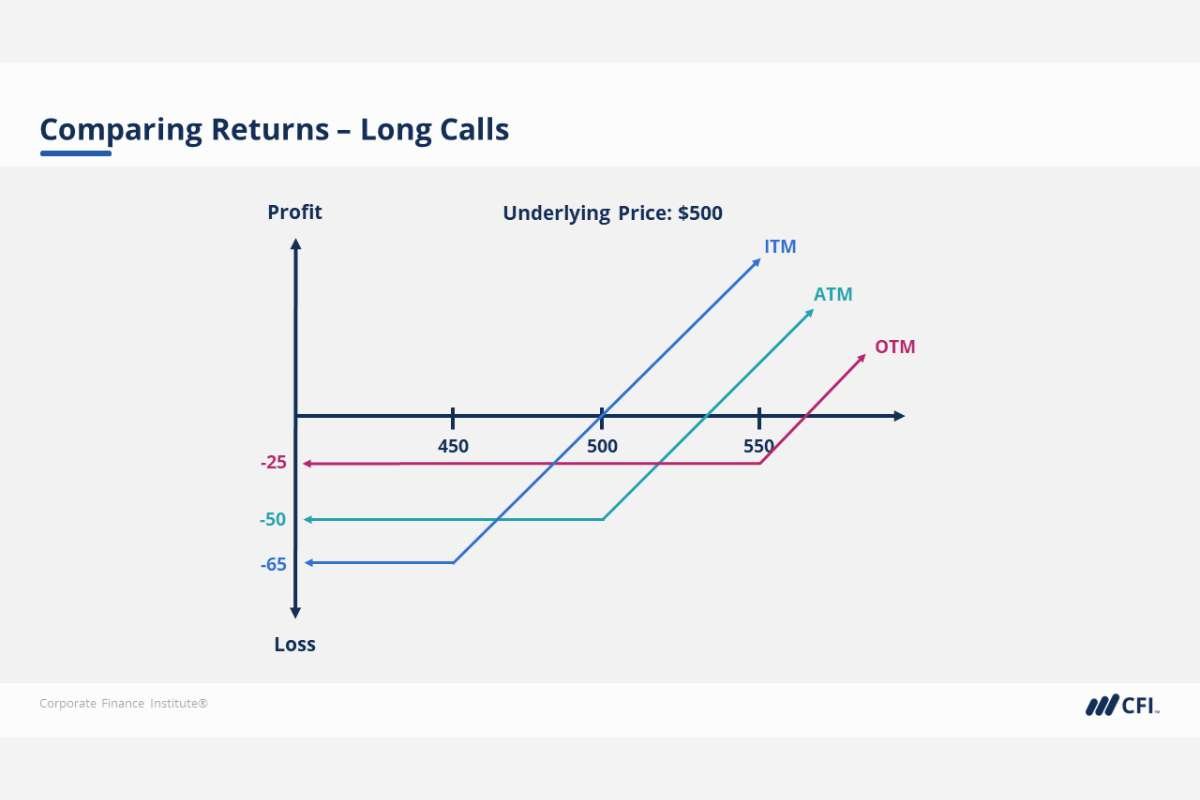
Risk exposure often increases when positions move in the same direction without balance. Hedging strategy helps offset that risk by opening opposing or correlated positions in different currency pairs. It reduces the impact of sudden market swings rather than trying to eliminate risk completely. This approach is commonly used during uncertain macroeconomic conditions or high volatility phases.
10. Grid Trading Strategy
- Type: Midterm
- Time Frame: Days to Weeks
- Best For: Sideways or volatile markets with price oscillations
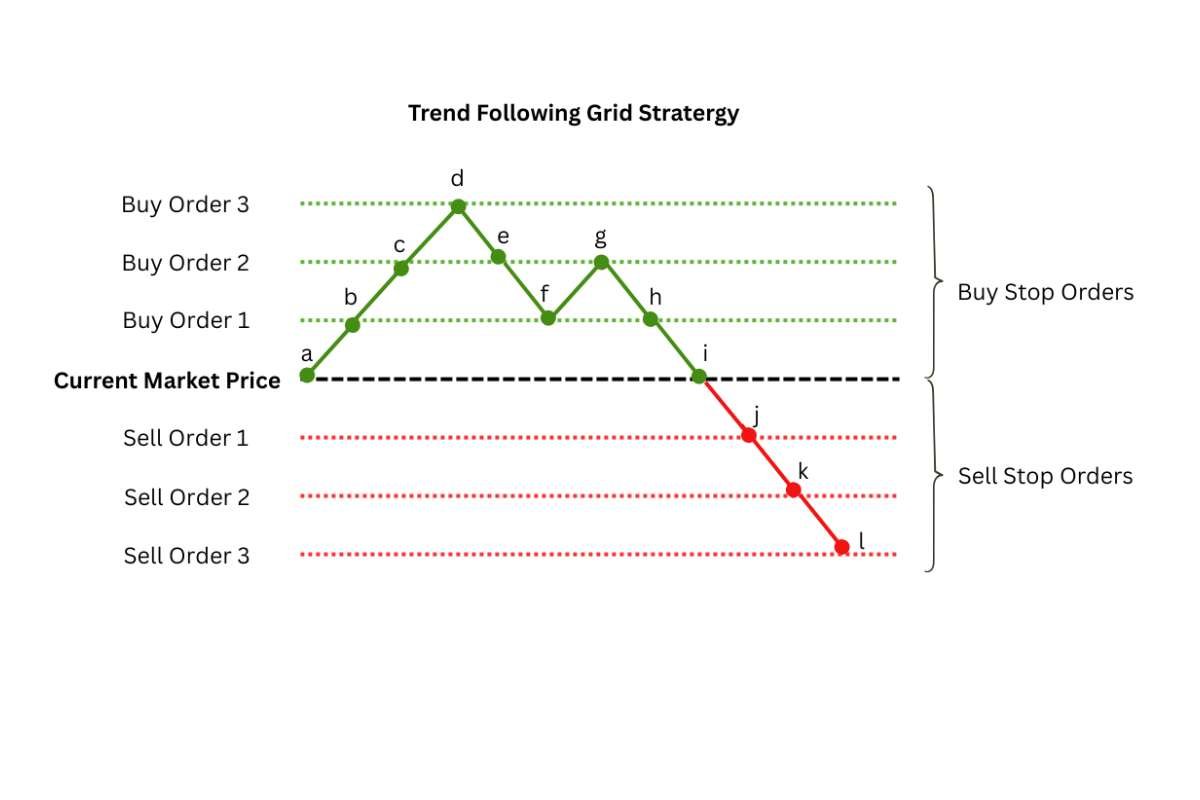
Grid trading is a structured method among forex trading strategies that places multiple buy and sell orders at fixed price intervals rather than relying on a single entry. Profits are generated as price moves back and forth across these levels. This approach does not depend heavily on direction but on repeated fluctuations within a range. It performs well in choppy markets but requires strict risk control during strong trending conditions.
How to Choose the Right Forex Trading Strategy
Key Steps
- Identify your trading time availability
- Match strategy with risk tolerance
- Align with market conditions you understand
- Test strategies on a demo account first
- Focus on consistency over complexity
Choosing the right approach starts with understanding how much time you can actually spend in the market. Some strategies demand constant monitoring, while others work well with limited screen time. If you cannot stay active throughout the day, faster forex trading strategies like scalping may create unnecessary pressure.
Risk tolerance also shapes the decision. High-frequency methods usually bring more trades and more volatility in outcomes. Slower approaches reduce noise but require patience during drawdowns. The right fit depends on how much uncertainty you can handle without emotional decisions.
Market conditions matter just as much. Trending environments often suit momentum-based approaches. On the other hand, sideways phases work better with range or grid setups. A mismatch between strategy and market behavior often leads to inconsistent results.
Testing on a demo account helps validate the logic before real capital is used. It shows how the strategy behaves under live conditions without financial pressure. Adjustments at this stage often improve long-term performance.
Consistency matters more than switching between multiple methods. A simple strategy followed with discipline often outperforms complex systems used inconsistently.
Risk Management in Forex Trading
Risk management is a fundamental part of all forex trading strategies. A common rule is to risk only a small portion of capital per trade, helping to limit losses during losing streaks. Stop-loss orders automatically close trades when the market moves unfavorably, preventing large losses.
Position size also affects total risk. Smaller trades reduce pressure on the account. Larger trades increase both risk and reward. Many traders adjust size based on market volatility and confidence in the setup.
Diversification helps spread risk across different currency pairs. But correlated pairs can still increase hidden exposure. Some traders also use hedging to balance risk during uncertain conditions.
Good risk management does not remove losses. It keeps losses under control. Over time, this creates more stable trading results.
When Do the Forex Trading Markets Open?
- Sydney – 7:00 PM ET (previous day) / 4:00 PM PT (previous day)
- Tokyo – 8:00 PM ET / 5:00 PM PT
- London – 3:00 AM ET / 12:00 AM PT
- New York – 8:00 AM ET / 5:00 AM PT
Conclusion:
At some point, the market stops feeling like a stream of random moves and starts feeling like something you can actually read. Not perfectly, not every time, but enough to know when to step in and when to step back. That shift comes from how you train yourself to respond.
That shift matters even more when you look at where the market is heading. The foreign exchange market is expected to grow from $838.11 billion in 2025 to $893.23 billion in 2026, reflecting a steady rise at a CAGR of 6.6%.
As this space expands, Forex trading strategies become less of an option and more of a necessity, helping you navigate a market that is only getting faster, larger, and more competitive.
So, are you ready to dive into the market?
Happy Trading!
People Also Ask
1. What are some forex trading strategies for beginners?
Beginners often start with simple approaches like trend following, support and resistance trading, or breakout strategies. These focus on reading basic market direction instead of complex indicators.
2. What is the 90% winning forex strategy?
There is no guaranteed “90% winning” strategy in forex trading. Claims like this are usually misleading, as all trading strategies involve risk and no method ensures consistent wins.
3. What is the best trading strategy in forex?
There is no single best strategy for everyone. The most effective forex trading strategies depend on your risk tolerance, experience, and trading style, whether that is short-term scalping or longer-term trend trading.