You glance at your wrist halfway through the day. A quiet nudge reminds you that you have barely moved. Later, another alert tells you your sleep was lighter than usual. Small signals like these start to add up, turning everyday moments into something you can actually measure and understand.
As more people look for ways to stay consistent, the best fitness trackers have become part of that shift. They sit quietly in the background, capturing patterns you might otherwise miss. Over time, those patterns tell a story about your habits, helping you adjust, improve, and stay connected to your goals without overthinking every step.
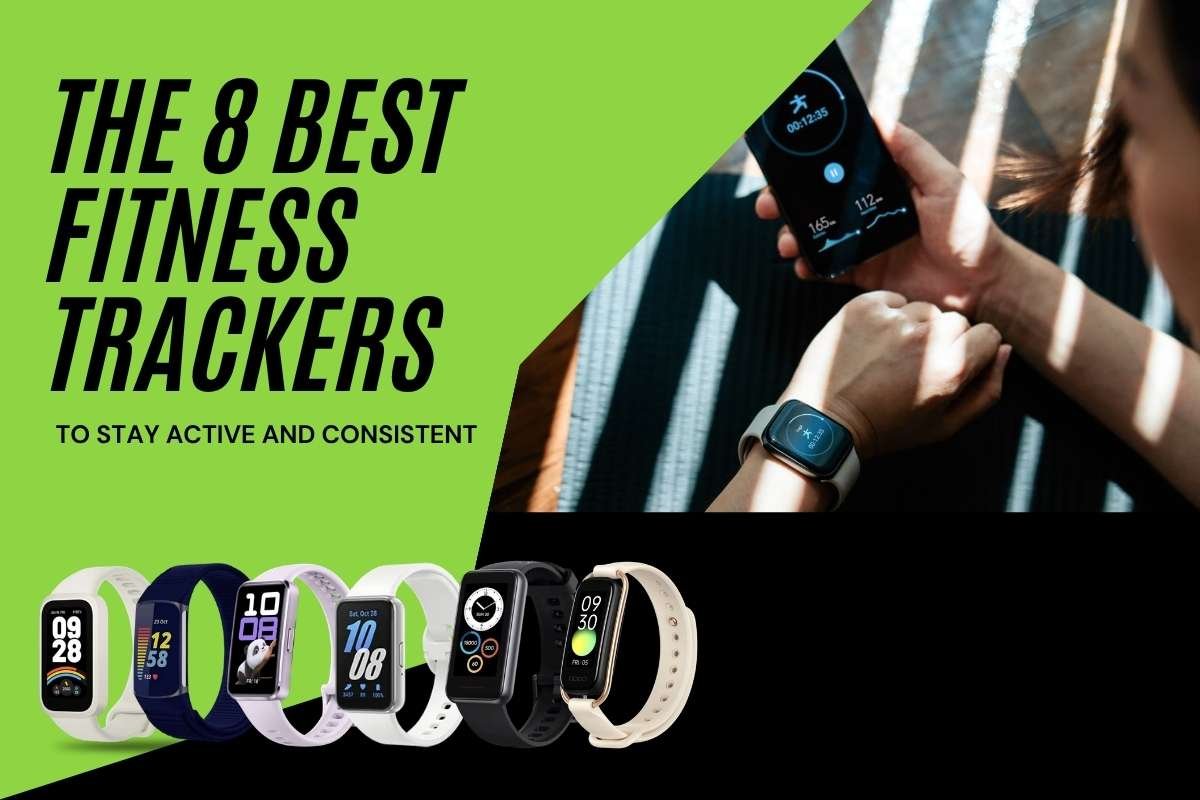
These 8 Best Fitness Trackers Are Worth Your Money Right Now
Many devices promise a lot but fail in daily use. That makes it hard to trust what you see online. This list focuses on the best fitness trackers that hold up over time and feel reliable on the wrist. Each one offers a different experience, so you can pick what fits your routine best.
We have rated these trackers based on three metrics:
- Features
- Water Resistance
- Battery
Now, without any further ado, let us get into it!
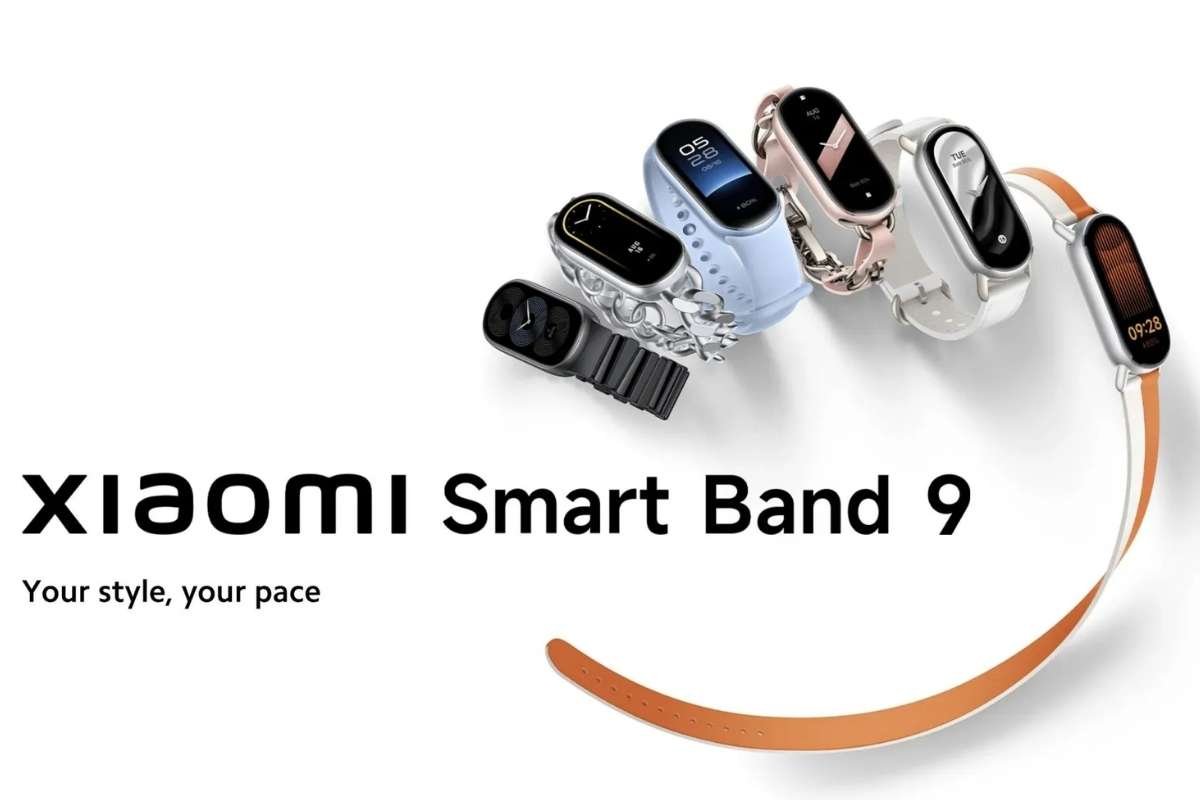
1. Xiaomi Smart Band 9
- Heart Rate Monitor: Yes
- GPS: Connected GPS
- Water Resistance: 5 ATM
- Battery Life: Up to 21 days
- Our Score: 8.16
Pros:
The Smart Band 9 keeps things simple and practical. It feels light on the wrist and works well for daily use. The long battery life stands out right away, so you do not need to charge it often. That makes it a strong pick for people who want a low-effort device. It tracks heart rate well and pairs with your phone for GPS data during runs or walks.
Cons:
On the downside, the lack of built-in GPS can limit outdoor tracking. You must carry your phone to get full route data. The display and features stay basic, so advanced users may want more depth. Still, for its price, it delivers steady and reliable performance without trying too hard.
2. Fitbit Charge 6
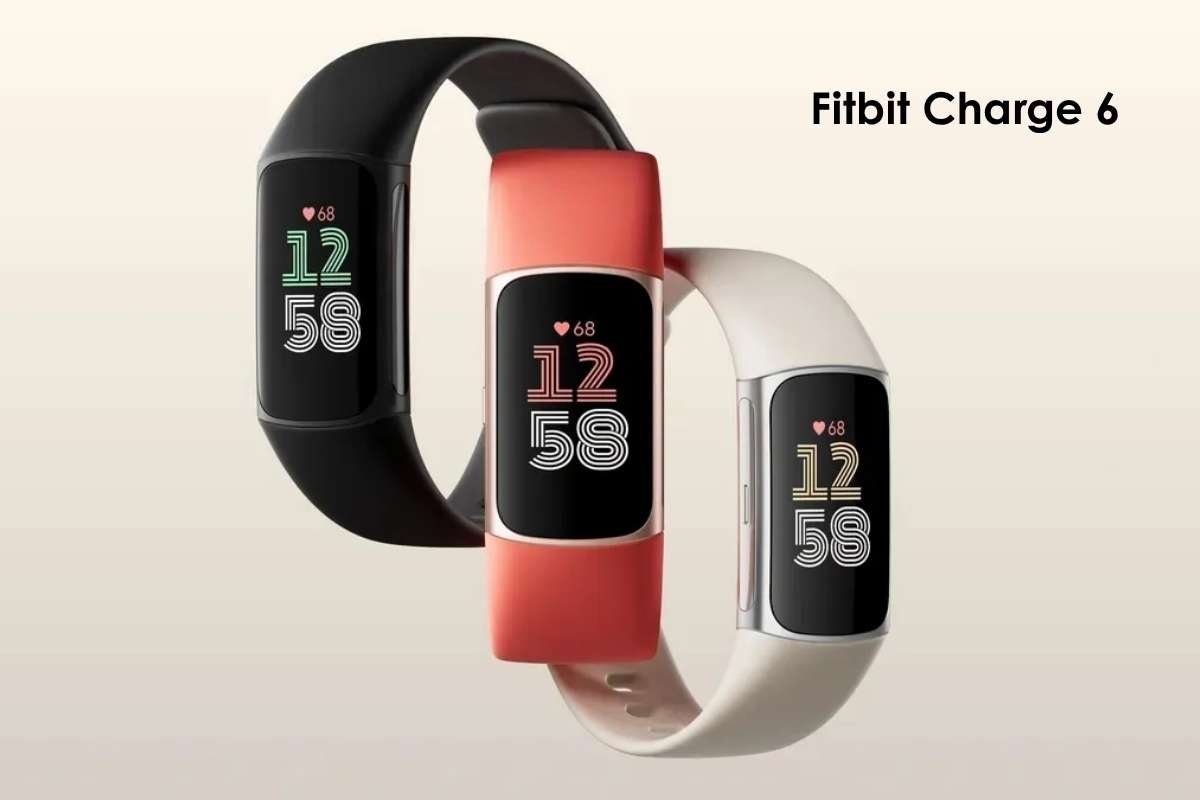
- Heart Rate Monitor: Yes (continuous)
- GPS: Yes (built-in)
- Water Resistance: 5 ATM
- Battery Life: Up to 7 days
- Our Score: 8.0
Pros:
The Fitbit Charge 6 is among the best fitness trackers for those serious about tracking. It offers built-in GPS, so you can leave your phone behind and still record your routes with ease. The continuous heart rate tracking feels more detailed and gives better insight during workouts. It suits people who like structured fitness routines and want clear data after each session.
Cons:
Battery life is decent but not great when compared to simpler bands. The higher price may also push away casual users who only need basic tracking. Some may find the features a bit more than they actually use. Even so, it delivers a more complete fitness experience for those who want deeper control and accuracy.
3. Huawei Band 10
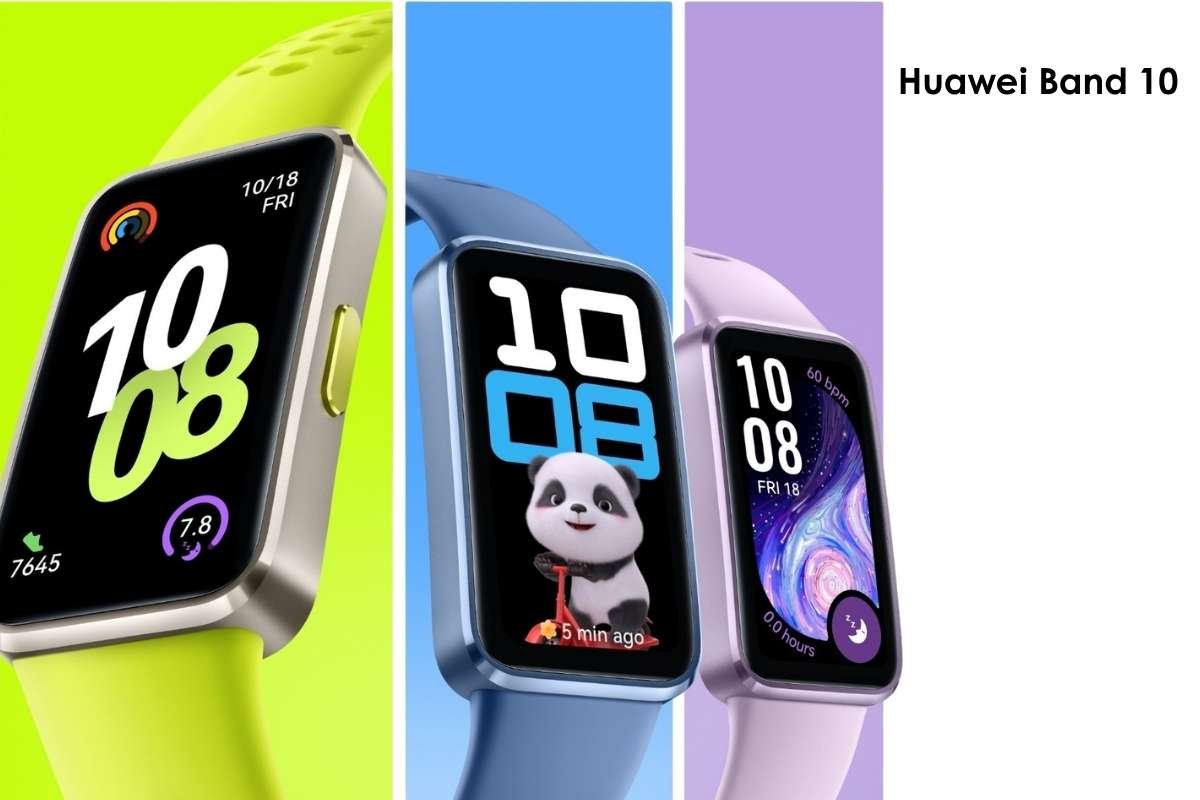
- Heart Rate Monitor: Yes
- GPS: Connected GPS
- Water Resistance: 5 ATM
- Battery Life: Up to 14 days
- Our Score: 8.0
Pros:
Huawei Band 10 offers a balanced mix of price and performance. It feels light and easy to wear throughout the day without any discomfort. The battery lasts long enough to reduce frequent charging, which makes daily use simple. It tracks heart rate well and handles basic fitness needs without any fuss.
Cons:
It relies on connected GPS, so you need your phone for outdoor tracking. This can limit convenience during runs or walks. The features stay on the simpler side, which may not suit advanced users. Some users may also find the overall experience less detailed compared to pricier options.
4. Samsung Galaxy Fit3
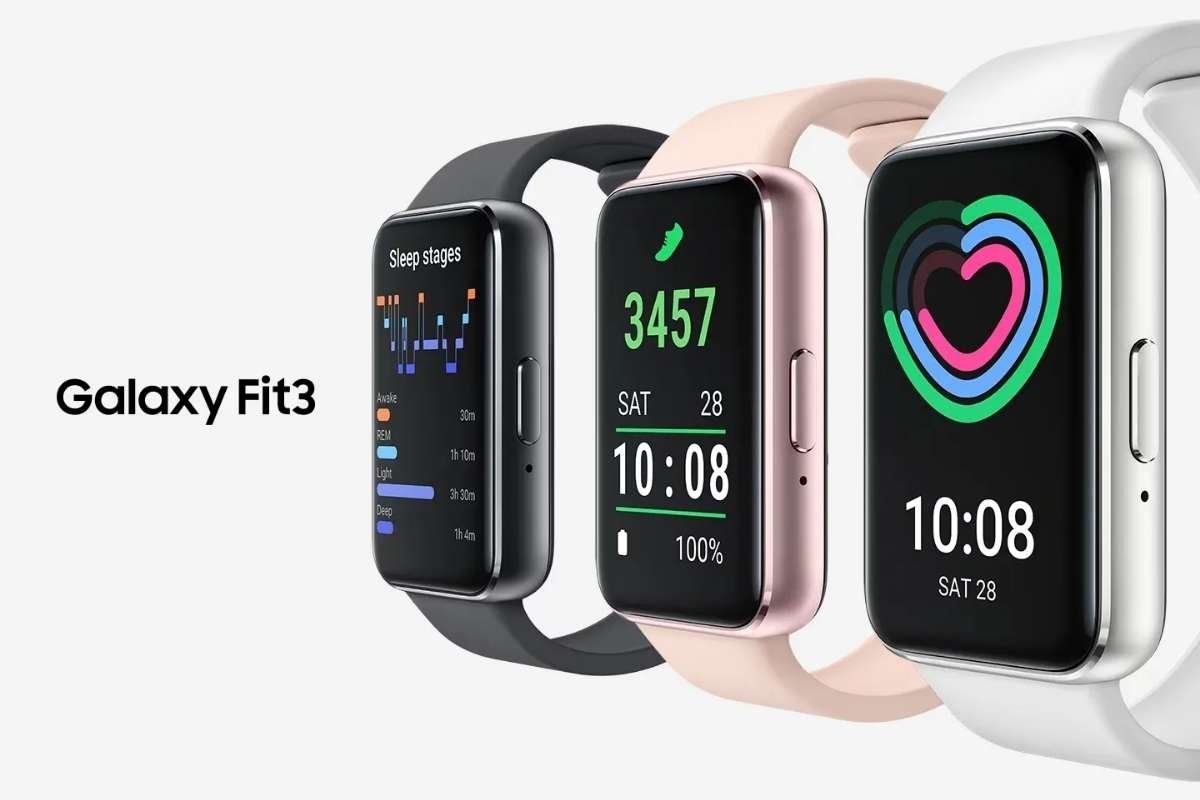
- Heart Rate Monitor: Yes
- GPS: Connected GPS
- Water Resistance: 5 ATM
- Battery Life: Up to 13 days
- Our Score: 8.0
Pros:
This device stands out for its affordable price and solid everyday performance. It feels comfortable on the wrist and works well for basic tracking needs. The battery life is strong and supports long usage without frequent charging. It covers essential features like heart rate tracking in a simple and clear way.
Cons:
This is one of the best fitness trackers, but the lack of a built-in GPS means you must depend on your phone for route tracking. This can reduce flexibility during outdoor workouts. The feature set remains basic, so it may not satisfy users who want deeper insights. It focuses more on simple tracking rather than advanced fitness analysis.
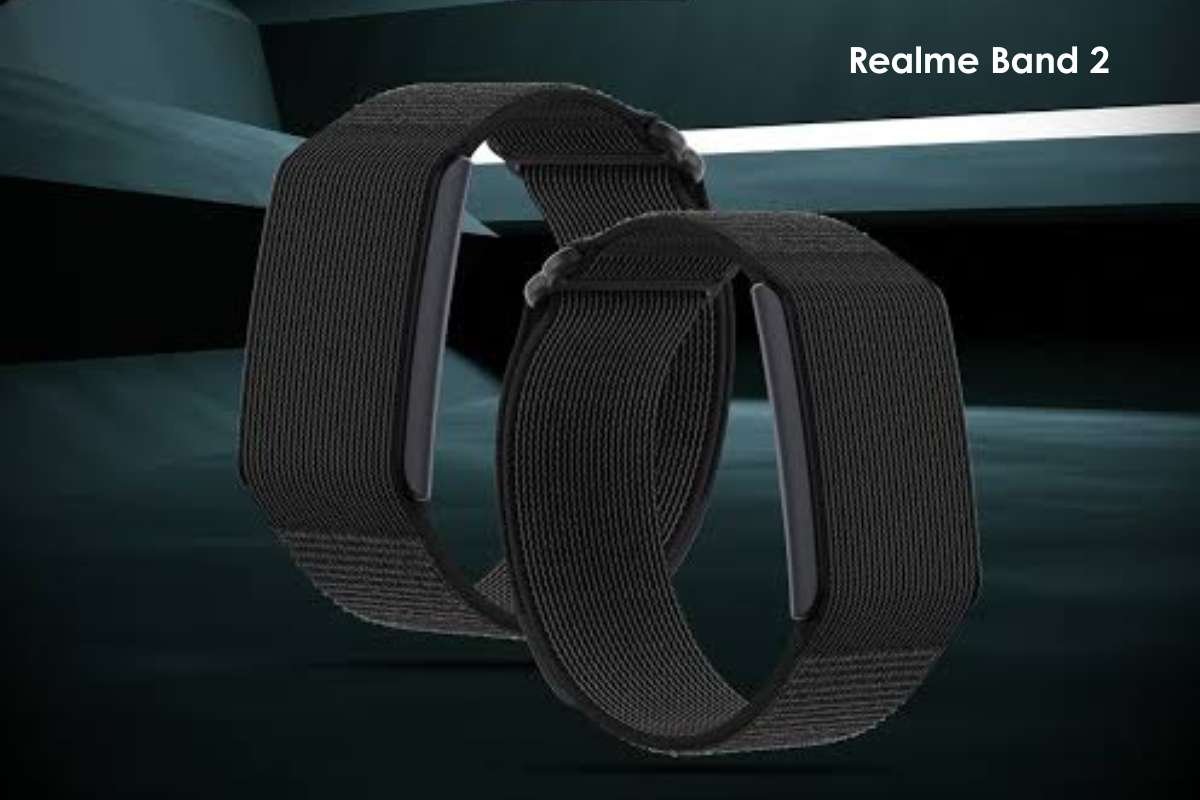
5. Realme Band 2
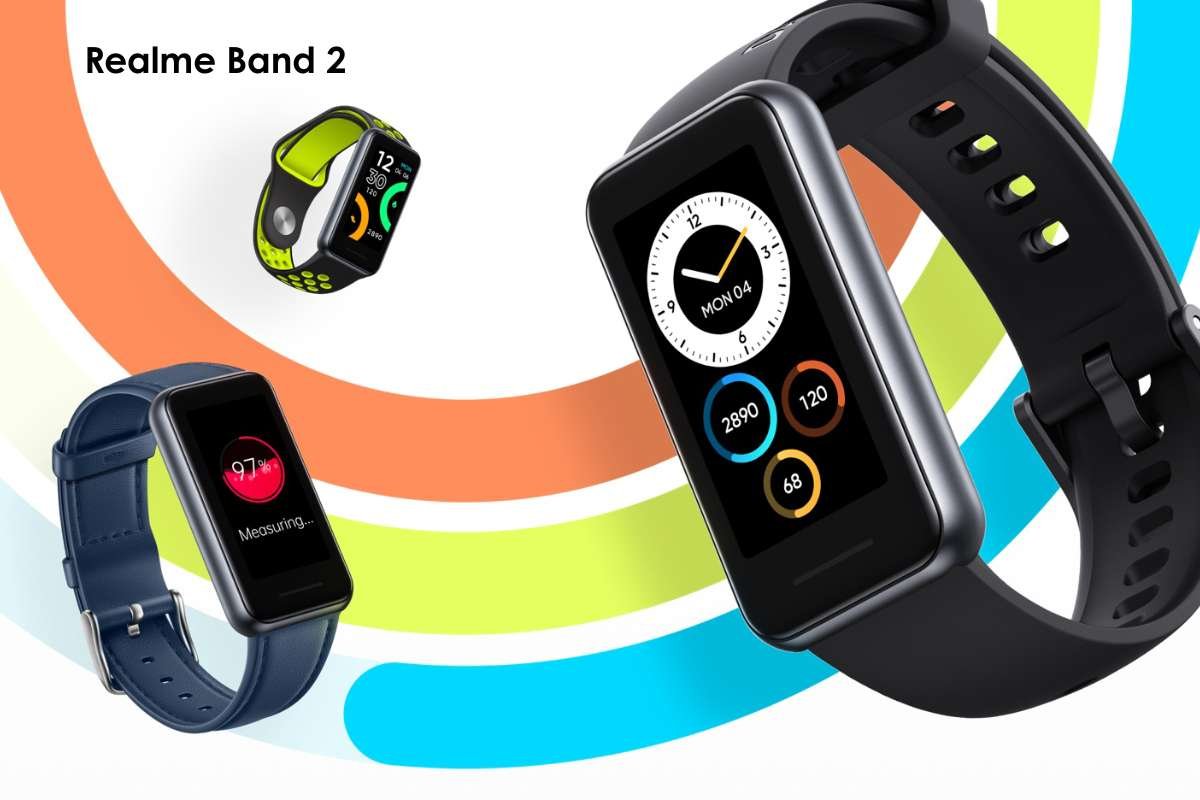
- Heart Rate Monitor: Yes
- GPS: No (connected GPS only)
- Water Resistance: 5 ATM
- Battery Life: Up to 12 days
- Our Score: 7.5
Pros:
It offers a strong set of basic features. The band feels light and works well for daily wear without causing discomfort. Battery life holds up for many days, which keeps charging simple and stress-free. It covers heart rate tracking and daily activity needs in a clear and easy way.
Cons:
There is no built-in GPS, so you must rely on your phone for tracking routes. This can feel limiting during outdoor workouts. The overall experience stays basic, which may not suit users who want deeper fitness insights. The build and display also feel more budget-focused.
6. Oppo Band Style
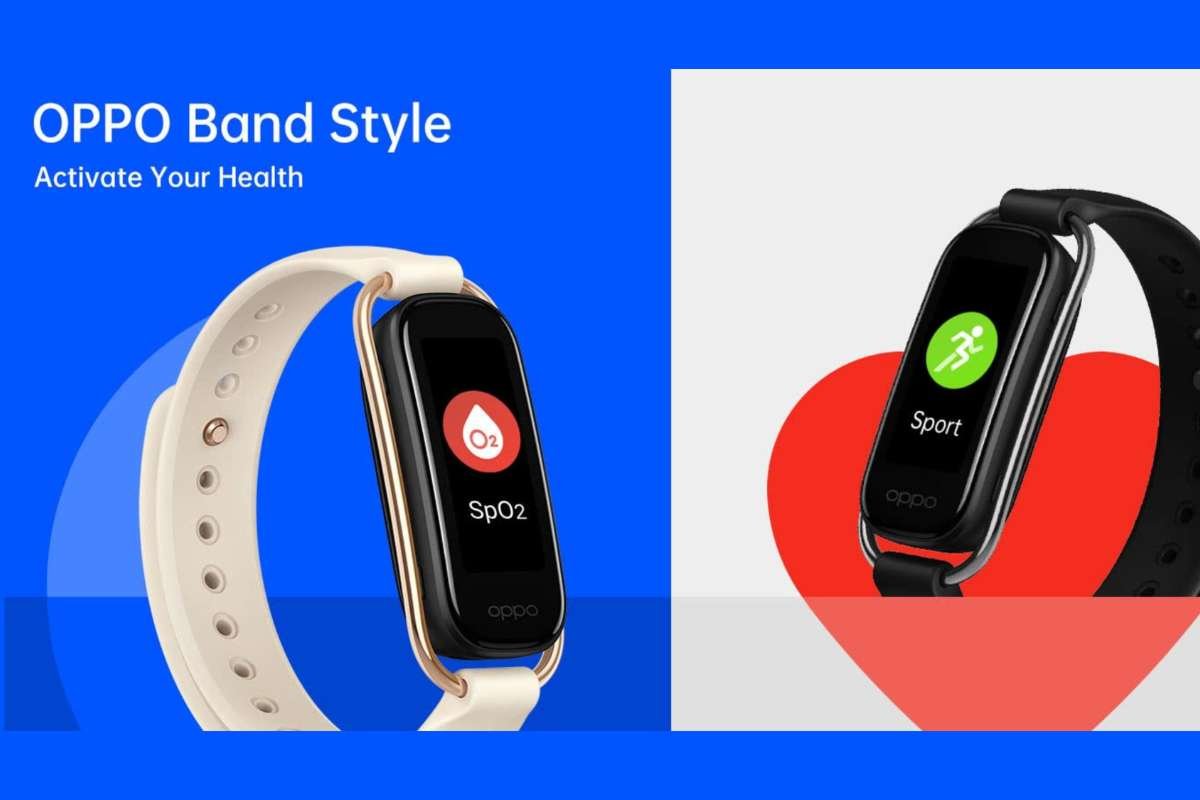
- Heart Rate Monitor: Yes
- GPS: No (connected GPS)
- Water Resistance: 5 ATM
- Battery Life: Up to 12 days
- Our Score: 7.5
Pros:
Designed for simple use, this band handles everyday tracking with ease. It feels comfortable on the wrist and fits well for long hours. The battery lasts long enough to avoid frequent charging. It tracks heart rate and daily activity in a clean and straightforward way.
Cons:
You need your phone for GPS tracking, which can reduce convenience during runs or walks. The feature set remains limited and focuses on basic use. Users looking for advanced data or detailed insights may find it lacking. It is more suited for casual tracking rather than serious fitness goals.
7. Amazfit Helio Strap
- Heart Rate Monitor: Yes
- GPS: No
- Water Resistance: Yes
- Battery Life: ~10–14 days
- Our Score: 7.16
Pros:
This strap focuses more on comfort and long-term wear. It feels light and stays out of the way during workouts or sleep. The battery life supports extended use without frequent charging. It tracks heart rate well and works for users who want steady daily data without distractions.
Cons:
The absence of GPS limits its use for outdoor tracking. You cannot record routes directly, which may not suit runners or cyclists. The price feels high for the features it offers. Some users may expect more advanced tracking at this range, but find it fairly simple instead.
8. Whoop 5.0 Strap
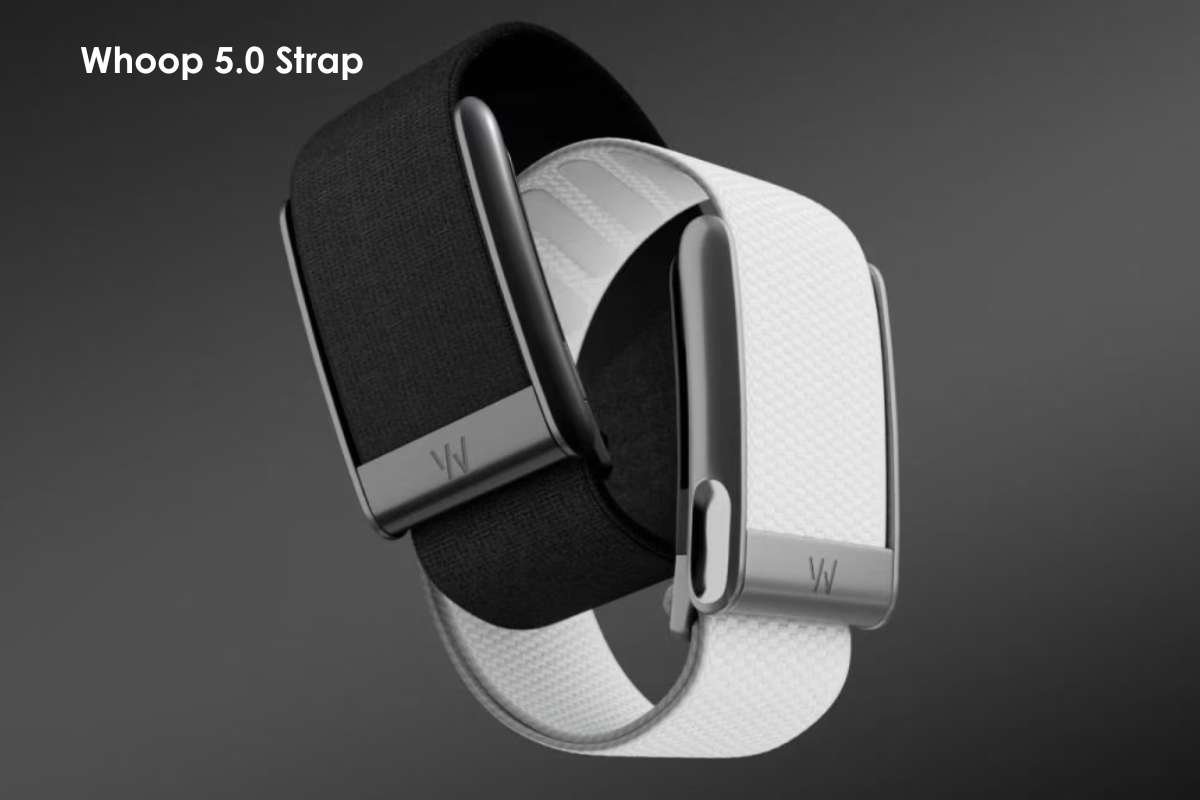
- Heart Rate Monitor: Yes
- GPS: No
- Water Resistance: Yes
- Battery Life: ~5 days
- Our Score: 6.33
Pros:
This strap focuses more on deep health insights than basic tracking. It tracks heart rate, sleep, strain, and recovery all day without interruption. The data feels more detailed and helps users understand patterns in their bodies. It works well for athletes or users who want serious performance insights instead of simple step counts.
Cons:
There is no built-in GPS, so outdoor tracking feels limited. The device also depends on a paid membership, which increases the cost. Battery life is shorter than that of many simpler bands, so charging becomes more frequent. Some users may also miss having a display for quick stats during workouts.
Picking the right app can change how you track your health each day. A good app should feel easy to use and give clear data. It should also match your fitness goals, whether you walk, run, or train often. Focus on what you need most instead of picking the app with the most features.
| Fitness Tracker | Heart Rate Monitor | GPS | Water Resistance | Battery Life | TFR Score |
| Xiaomi Smart Band 9 | Yes | Connected GPS | 5 ATM | Up to 21 days | 8.16 |
| Fitbit Charge 6 | Yes (continuous) | Built-in GPS | 5 ATM | Up to 7 days | 8.0 |
| Huawei Band 10 | Yes | Connected GPS | 5 ATM | Up to 14 days | 8.0 |
| Samsung Galaxy Fit3 | Yes | Connected GPS | 5 ATM | Up to 13 days | 8.0 |
| Realme Band 2 | Yes | Connected GPS only | 5 ATM | Up to 12 days | 7.5 |
| Oppo Band Style | Yes | Connected GPS | 5 ATM | Up to 12 days | 7.5 |
| Amazfit Helio Strap | Yes | No | Yes | ~10–14 days | 7.16 |
| Whoop 5.0 Strap | Yes (advanced tracking) | No | Yes | ~5 days | 6.33 |
How to Choose the Best Fitness Trackers?
Choosing the right tracker makes a big difference in your daily fitness journey. A good tracker should match your lifestyle, feel comfortable, and provide accurate data. Think about the activities you do most and pick a device that fits those needs. Focus on features that you will actually use instead of the ones you might never touch.
1. Comfort and Wearability
The tracker should sit well on your wrist. A bulky or heavy device can become annoying after a few hours. Lightweight and adjustable bands make it easy to wear all day. Comfort is key because a device you skip wearing won’t track anything.
2. Heart Rate and GPS Accuracy
Check how reliable the heart rate monitor and GPS are. Continuous heart rate tracking is helpful for workouts, while GPS helps track running or cycling routes. Some trackers need your phone for GPS, while others have it built in. Accuracy is important for meaningful insights.
3. Battery Life and Charging
Battery life varies widely between devices. Longer battery life means fewer interruptions and less worry about charging. Some of the best fitness trackers need daily charging, while simpler models can last weeks. Consider what fits your routine best.
4. Water Resistance
If you swim or sweat a lot, a water-resistant tracker is essential. Look for ratings like 5 ATM or higher. This ensures the device keeps working even in rain, showers, or pool sessions. Hence, it is an important criterion when rating the best fitness trackers.
5. Features You Will Actually Use
More features do not always mean better. Focus on what matters most to you: steps, heart rate, sleep tracking, or stress monitoring. Extra features can add cost and complexity without real benefit.
6. Price vs Value
Set a budget before picking a tracker. Expensive devices offer more insights, but basic models can cover essential tracking well. Choose a tracker that delivers value for your needs without overspending.
The Rise of Fitness Trackers
Fitness trackers have moved from simple step counters to full health tools. Early devices focused on steps and calories. Now, they track heart rate, sleep, stress, and even recovery. This shift has changed how people view daily health and fitness.
One major reason for this rise is awareness. People now want to understand their bodies better. They track daily habits and make small changes over time. Fitness has become part of everyday life, and that is largely made possible due to the usage of the best fitness trackers.
The growth of this space shows how strong the demand has become. The global fitness tracker market was valued at about $72 billion in 2025 and is expected to grow rapidly in the coming years. This shows how more people are investing in personal health tools.
Conclusion:
Progress feels different when you can actually see it. Small changes start to stand out, patterns become clearer, and your routine begins to make more sense. Instead of guessing, you move with awareness, making simple adjustments that add up over time.
The best fitness trackers support this shift in a quiet but effective way. They turn daily habits into useful insights, helping you stay consistent without adding pressure. With the right device, your goals feel closer, your efforts feel measured, and your routine feels easier to maintain.
FAQs
1. Are the best fitness trackers accurate?
Most modern devices offer reliable tracking for steps, heart rate, and sleep. They may not be perfect, but they give a useful estimate for daily habits.
2. How often should I wear a fitness tracker?
For best results, wear it throughout the day and during sleep. This helps you get a complete picture of your activity and recovery.
3. Can fitness trackers help with weight loss?
Yes, the best fitness trackers can support weight loss by tracking activity and helping you stay active. They also encourage better habits over time.