Key Takeaways:
- Valve is launching hardware step-by-step, starting with the Steam Controller.
- Memory and storage shortages are slowing down the Steam Machine.
- Valve is prioritizing Steam ecosystem growth over fast hardware expansion.
Valve has officially kicked off its 2026 hardware roadmap with the launch of a redesigned Steam Controller, signaling a renewed push into dedicated gaming hardware. The Valve new Steam controller is set to release on May 4, 2026, with a price tag of $99, positioning it as an accessible yet feature-rich accessory for PC gamers and Steam ecosystem users.
The new device is designed as a highly flexible input system built around deep integration with Steam’s software ecosystem. It works across a wide range of devices, including desktops, laptops, and Steam Deck-compatible setups, reinforcing Valve’s broader vision of unified gaming across platforms. This approach highlights how the Valve new Steam controller fits into a larger cross-device strategy.
At its core, the controller blends traditional gamepad design with advanced customization tools. It features dual trackpads for precision input, adaptive grip buttons, motion support, and extensive remapping capabilities through Steam Input. A low-latency 2.4GHz wireless connection via a USB-C dongle ensures responsive gameplay, especially for competitive gaming environments where timing and precision are critical.
Early analysis of the device highlights Valve’s strong focus on personalization over standardization. Instead of offering a fixed control layout, the controller is built to be reshaped by the user, allowing different configurations for genres such as shooters, strategy games, or simulation titles. This flexibility positions the Valve new Steam controller as a standout option for customization-focused players.
Section 2: Steam Machine Delay Reflects Industry-Wide Hardware Constraints
While the Steam Controller is moving forward with a confirmed release date, Valve’s broader hardware ambitions are facing delays, most notably the Steam Machine, a compact PC-console hybrid designed for living room gaming.
Unlike the controller, the Steam Machine does not currently have a confirmed launch date or final pricing. Valve has acknowledged that the device’s development timeline has been impacted by ongoing global shortages of key components, particularly memory and storage hardware. These shortages have created challenges in finalizing configurations and production plans, forcing adjustments to both cost projections and release scheduling, even as the Valve new Steam controller continues on track.
Originally expected to arrive earlier in 2026, the Steam Machine is now expected sometime within a broader first-half release window. However, the lack of a precise date suggests continued uncertainty in the supply chain. The issue is not isolated to Valve, as rising global demand for high-performance memory, driven in part by artificial intelligence and data-intensive applications, has tightened availability across the entire tech industry.
This supply pressure has made it difficult for hardware manufacturers to lock in stable pricing or guarantee large-scale production volumes. For Valve, which aims to position the Steam Machine as a mainstream living room gaming solution, these constraints present a significant challenge in balancing affordability with performance expectations.
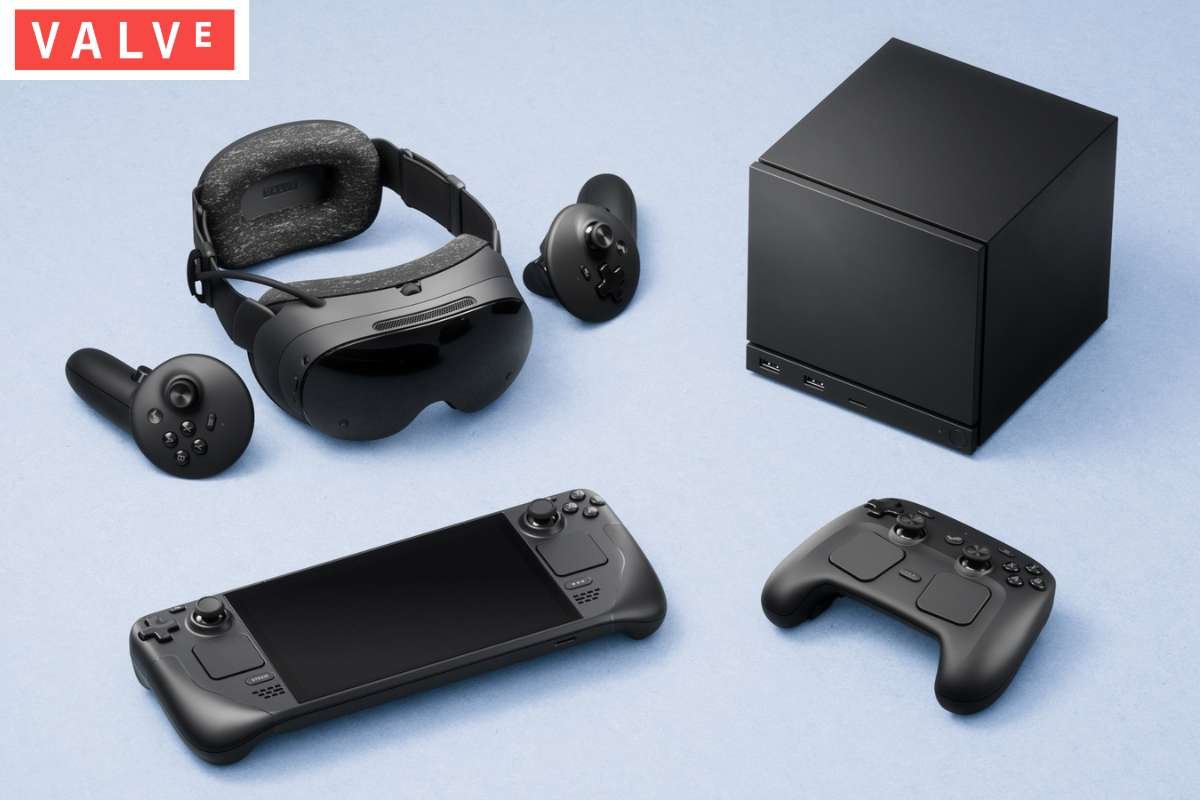
The Steam Machine is not the only device affected. Valve’s VR-focused Steam Frame headset is also reportedly experiencing similar delays, indicating that multiple products within the company’s hardware ecosystem are being influenced by the same supply-side limitations.
Despite these setbacks, Valve continues to maintain that all planned hardware products remain targeted for a 2026 rollout, though only the Steam Controller currently has a confirmed release schedule, with the Valve new Steam controller leading the rollout.
Staggered Hardware Strategy Signals Long-Term Ecosystem Buildout
Valve’s decision to launch the Steam Controller independently appears to be a calculated move aimed at sustaining momentum while larger hardware systems are still in development. By introducing a standalone accessory first, the company is ensuring continued engagement within the Steam ecosystem ahead of more complex product releases.
The Steam Controller also plays a strategic role in strengthening Valve’s broader hardware ecosystem. It enhances compatibility with existing devices such as the Steam Deck, allowing users to maintain consistent control configurations across platforms. This unified input philosophy suggests that Valve is focusing on long-term ecosystem cohesion rather than isolated hardware launches, with the Valve new Steam controller reinforcing that direction.
However, the delay of the Steam Machine raises important questions about Valve’s ambitions in the competitive living room gaming space. Competing against established console ecosystems requires not only innovative hardware but also clear pricing, availability, and performance positioning areas that remain undefined for now.
Industry observers note that Valve’s phased rollout approach may help reduce risk. By releasing the controller first, the company can gather user feedback, maintain brand visibility, and refine its ecosystem experience before committing to larger-scale hardware distribution.
Still, the success of this strategy will depend heavily on how quickly Valve can stabilize its supply chain and finalize the Steam Machine’s specifications. Without clear timelines or pricing, expectations for the device remain cautious, even as anticipation continues to build.
For now, the Steam Controller stands as the first tangible milestone in Valve’s next-generation hardware strategy, with the Valve new Steam controller marking the beginning of a broader push into integrated gaming hardware.