Key takeaways
- BMW targets 3%-5% margins by 2028 and 8%-10% in the early 2030s.
- The automaker plans to cut 20% of divisions and management roles by mid-2027.
- BMW will use AI and new models to address tougher global competition.
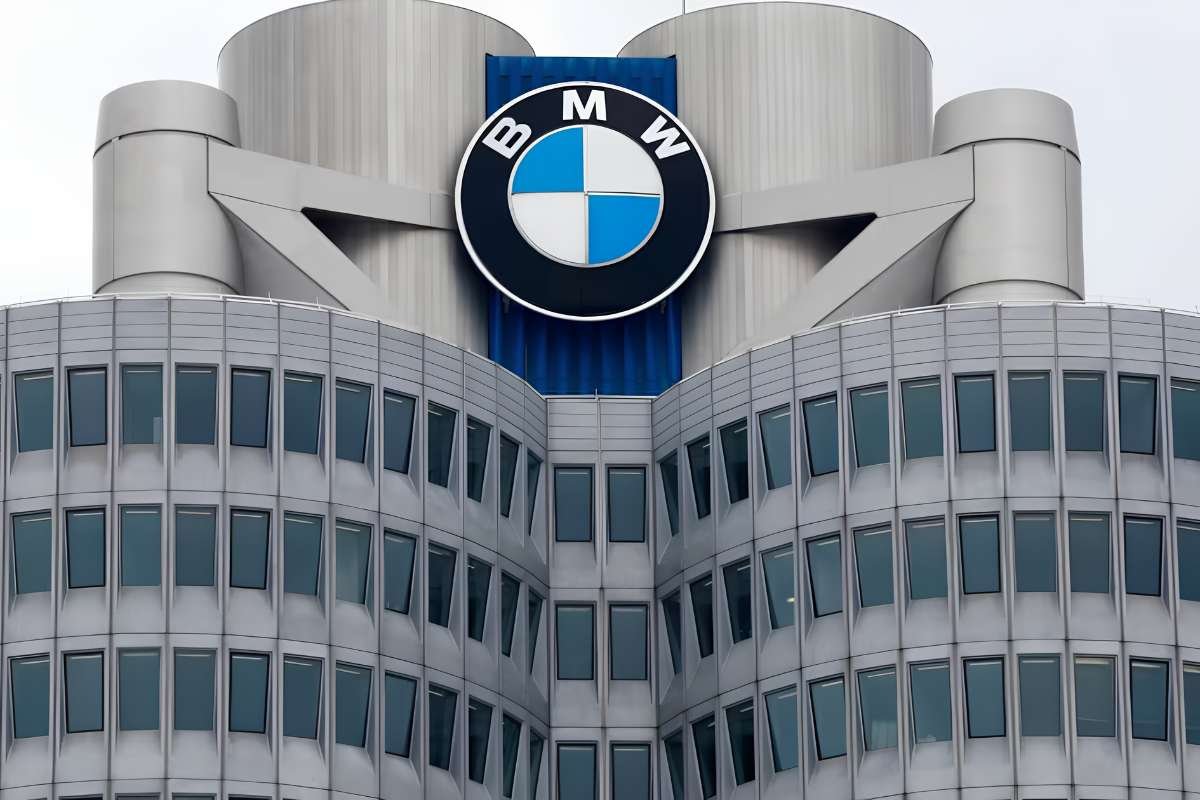
BMW on Sept. 30 unveils a recovery plan in Munich built around management cuts, artificial intelligence and new models as it seeks to restore BMW profit growth amid China weakness and tariffs.
BMW says it aims to lift the operating margin of its core automotive business to 3% to 5% by 2028, from 2.3% in its latest results. The automaker targets an 8% to 10% margin by the early 2030s as it works to rebuild profitability and investor confidence.
The plan comes after BMW issued its third profit warning in just over three years in June, citing weaker performance in China. Its shares have fallen more than a third over the past year, reaching their lowest level in more than six years, according to Reuters.
BMW targets higher margins
BMW says it expects automotive free cash flow to exceed €5 billion in 2028 and €7 billion by the early 2030s. The company is pairing those targets with a narrower model lineup, greater regional focus and changes to its cost base to support BMW profit growth.
CEO Milan Nedeljković, who took over in May, says the changes are meant to prepare BMW for tougher competition. “It’s not a cost-savings programme,” he says, arguing that the company is also changing how it develops and sells vehicles.
The company expects a workforce restructuring program to affect about 8,000 jobs in Germany. By mid-2027, BMW plans to reduce the number of divisions and associated management roles by 20%, with similar reductions at lower organizational levels.
AI drives leaner structure
Artificial intelligence is central to the restructuring and BMW profit growth goals. BMW says it plans to use AI across development, purchasing, production, sales and after-sales service to automate routine work, process information faster and speed decisions.
Walter Mertl, BMW’s finance chief, says the company remains focused on “value creation and sustainable profitability.” BMW also says AI will support vehicle development and production as the company expands its use of automated systems.
The company says the restructuring follows an agreement with its works council in July and includes a voluntary severance program. BMW says the measures are intended to make its organization faster and more efficient, rather than relying only on job cuts.
New models shift with markets
BMW is also tailoring its product strategy to different markets. It plans an entry-level electric vehicle for Europe from 2028 and a new luxury sport utility vehicle positioned above the X7 for the United States.
In China, BMW plans to localize more production and work with local technology partners on areas including autonomous driving and integrated software. It is also reviewing possible exports from China to Southeast Asia.
The strategy reflects a tougher market for Western automakers as Chinese consumers increasingly choose domestic brands. U.S. tariffs add pressure, although BMW has some protection from its large production operation in Spartanburg, South Carolina.
Bernstein analyst Stephen Reitman says BMW is pursuing more than cost reductions. “It is also pursuing growth with innovative products,” he says, pointing to the company’s Neue Klasse electric vehicle lineup as a key part of its strategy.
BMW presented the plan during its two-day Capital Market Day in Bavaria and Munich on Sept. 29-30. The company says additional decisions on its restructuring and operating model are expected by spring 2027.