Key Takeaways
- Bottom half pays 3% of total income taxes
- Top 1 % contributes about 40 % of tax revenue
- Average income for bottom half near 54000 in 2023
- More than 76 million households fall in lower income group
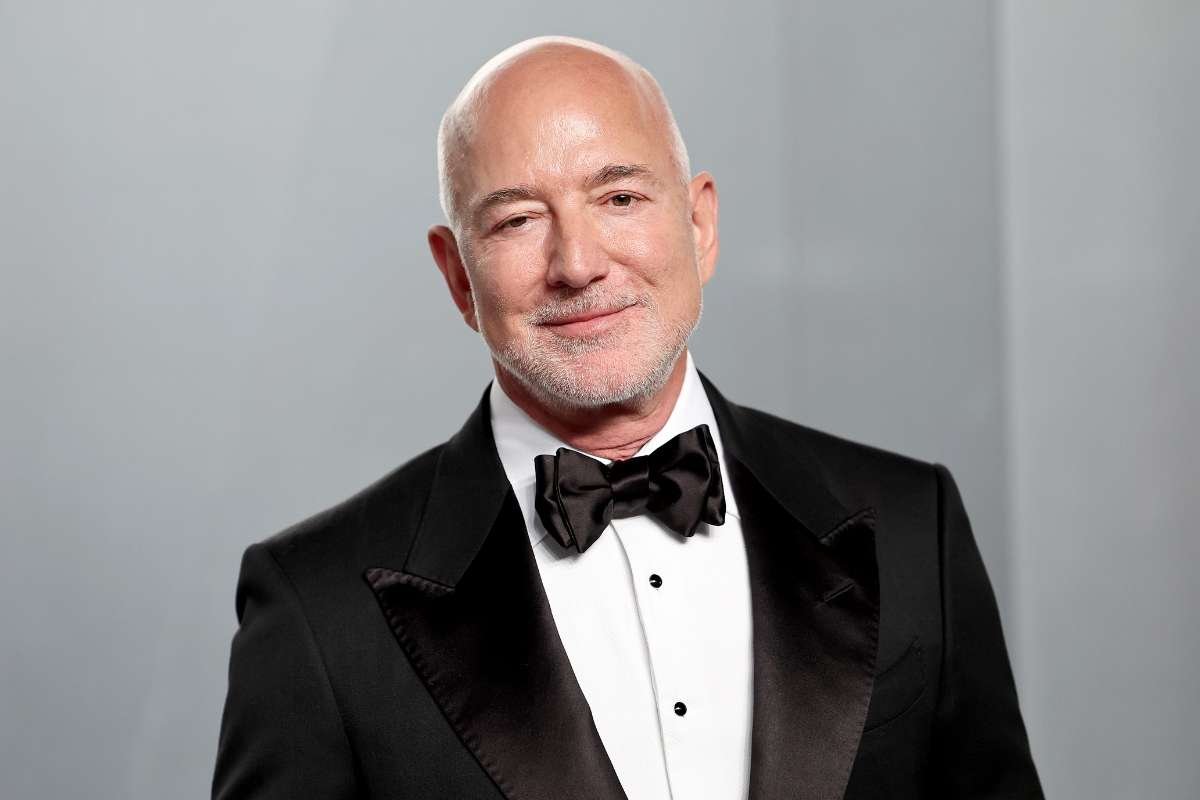
The Jeff Bezos tax proposal has sparked renewed discussion around income taxes and wealth distribution in the United States. Jeff Bezos stated that the bottom half of earners should pay zero federal income tax, citing data on income distribution and tax contributions. The statement reflects ongoing debates about tax burdens and income segmentation.
Income distribution and tax contribution data
According to available data, the bottom 50% of taxpayers contributed about 3 % of total federal income tax revenue. In contrast, the top 1 % accounted for approximately 40 % of total collections. The Jeff Bezos tax proposal highlights these differences as part of a broader argument about how tax burdens are distributed across income groups.
The average adjusted gross income for the bottom half of taxpayers was close to 54000 in 2023. By comparison, households in the top 1 % reported incomes starting at 676000 in the same period.
The average federal income tax rate across all taxpayers was 14.1 %. The top 1 % paid an average rate of 26.3 %, while the bottom half paid about 3.7 % on average.
Data also shows that more than 76 million households fall within the bottom half of income earners. These households paid an average of 913 in federal income taxes during 2023.
Tax structure and income trends
Further analysis indicates that a portion of lower income households already pay no federal income tax when refundable credits are included. The bottom 40 % of taxpayers have an effective rate of zero on average under current structures. Supporters of the Jeff Bezos tax proposal argue that this reflects the financial pressure facing lower-income households.
Income distribution data shows that the top 1 % accounted for nearly 21 % of total adjusted gross income, while contributing a larger share of tax revenue at about 38 %.
In comparison, the bottom half accounted for approximately 12 % of total income but contributed only 3 % of total income taxes.
Tax burdens also vary when including other forms of taxation. Payroll taxes apply up to an income threshold of 184500, after which additional earnings are not subject to that specific tax. Consumption based taxes at state and local levels represent a larger share of spending for lower income households.
Broader economic indicators and income segmentation
Recent economic data highlights differences in financial conditions across income groups. Higher-income households have benefited from asset growth and wage increases, while lower income groups have experienced higher relative spending pressures. Analysts discussing the Jeff Bezos tax proposal have pointed to these trends as evidence of widening economic gaps.
Research indicates that lower income households allocate a greater share of earnings to essential expenses such as fuel and basic goods. This contributes to differing financial outcomes across income segments.
Variations in effective tax rates also exist within higher-income groups. Some taxpayers in the top 1% have effective rates as low as 3%, while others reach as high as 45% depending on income structure and deductions.
The data reflects a system where tax contributions, income distribution, and effective rates vary significantly across population segments. As debate continues, the Jeff Bezos tax proposal remains part of a larger national discussion about taxation, inequality, and economic policy in the United States.