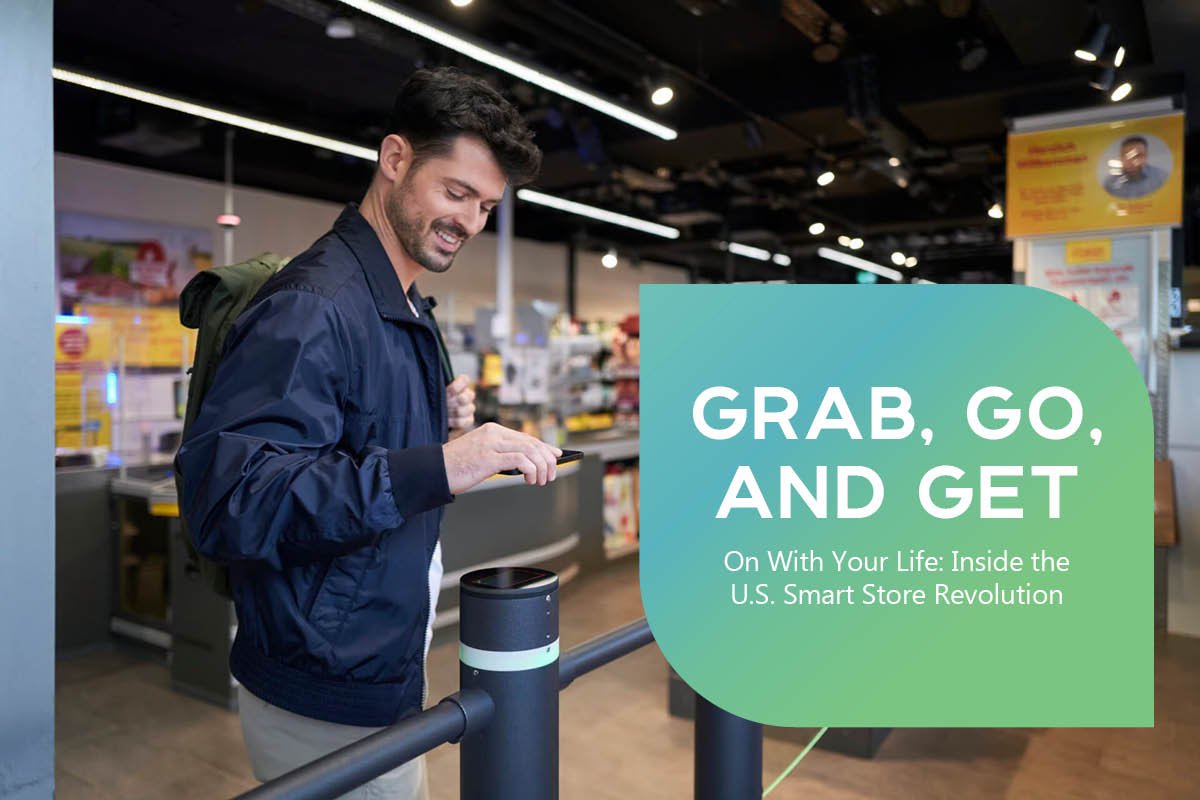
Imagine walking into a grocery store in downtown Seattle, grabbing a salad and a coffee, and just… walking out. No lines, no awkward small talk with a cashier, and no digging for your credit card. By the time you hit the sidewalk, your phone pings with a digital receipt.
This is not a scene from a sci-fi movie. It is the reality of U.S. smart stores currently rolling out across major cities and retail chains.
Retail is undergoing its biggest makeover in decades, trading in clunky registers for a hidden network of sensors, cameras, and AI. This shift is driven by a massive surge in the smart retail market, which is expected to grow by 25% every year through 2028.
At the center of the U.S. smart stores transformation are two major technologies:
- Smart Shelves: These use weight sensors and RFID tags to tell managers exactly when the milk is running low, reducing “out-of-stock” frustrations by up to 40%.
- Cashierless Checkout: Systems like Amazon’s “Just Walk Out” use ceiling cameras and smart algorithms to track what you pick up, speeding up the entire shopping trip by roughly 85%.
For retailers, it’s a way to cut costs and manage inventory with surgical precision. For us, it means getting in, getting out, and getting on with our day. As these stores pop up in more cities, we aren’t just changing how we buy things; we’re seeing the blueprint for the future of commerce.
How the Magic Happens: The Core Tech
Think of a smart store like a giant digital nervous system. Shelves, cameras, mobile apps, and cloud systems all communicate in real time to keep operations running smoothly inside U.S. smart stores.
1. Smart Shelves: The Store’s “Eyes and Ears”
In a normal store, a shelf is just a piece of metal. In a smart store, the shelf is “alive.”
- Weight Sensors: These act like a digital scale. The moment you pick up a jar of peanut butter, the shelf knows it’s gone because the weight changed.
- RFID & Cameras: Small scanners (RFID) and tiny cameras confirm exactly which item you grabbed.
- Why it’s great: It fixes the “out of stock” problem. If protein bars are selling like crazy on a Tuesday morning, the shelf sends a “ping” to a restock robot or a staff member’s phone immediately. Stores using these see about 40% fewer empty shelves.
2. Cashierless Checkout: The “Virtual Cart”
The goal here is simple: eliminate the line. This is powered by Computer Vision.
- Follow the Leader: Cameras on the ceiling track your movement (as a generic 3D shape, not a person) and “watch” what you put in your bag.
- Sensor Fusion: This is just a fancy way of saying the store double-checks itself. If the camera thinks you grabbed a soda, but the shelf feels a heavy bag of chips leave, the system “fuses” that data to get the right answer.
- The Result: You walk out, and your account is charged automatically. Many U.S. smart stores complete transactions 85% faster than conventional retailers.
3. The “Hidden” Brains: 5G and Edge Computing
For all of this to work, the store needs to think fast. If there’s a lag, the system might miss you grabbing a candy bar.
- Edge Computing: Instead of sending data to a server thousands of miles away, the store processes the info right there on-site. This cuts down delay by about 70%.
- 5G: This is the “highway” the data travels on. It’s fast enough to handle hundreds of sensors at once without crashing.
- Cloud Analytics: This is the long-term memory. It looks at your past habits and might send a notification to your phone saying, “Hey, you usually buy milk on Thursdays, it’s on Sale in Aisle 4.”
The Big Picture
It’s a giant loop: the shelf sees you’re low on stock, the AI predicts how much more you’ll need, 5G sends that order to the warehouse, and the app makes sure you have a coupon ready when you walk in.
Real-World Examples: Who’s Doing It Best?
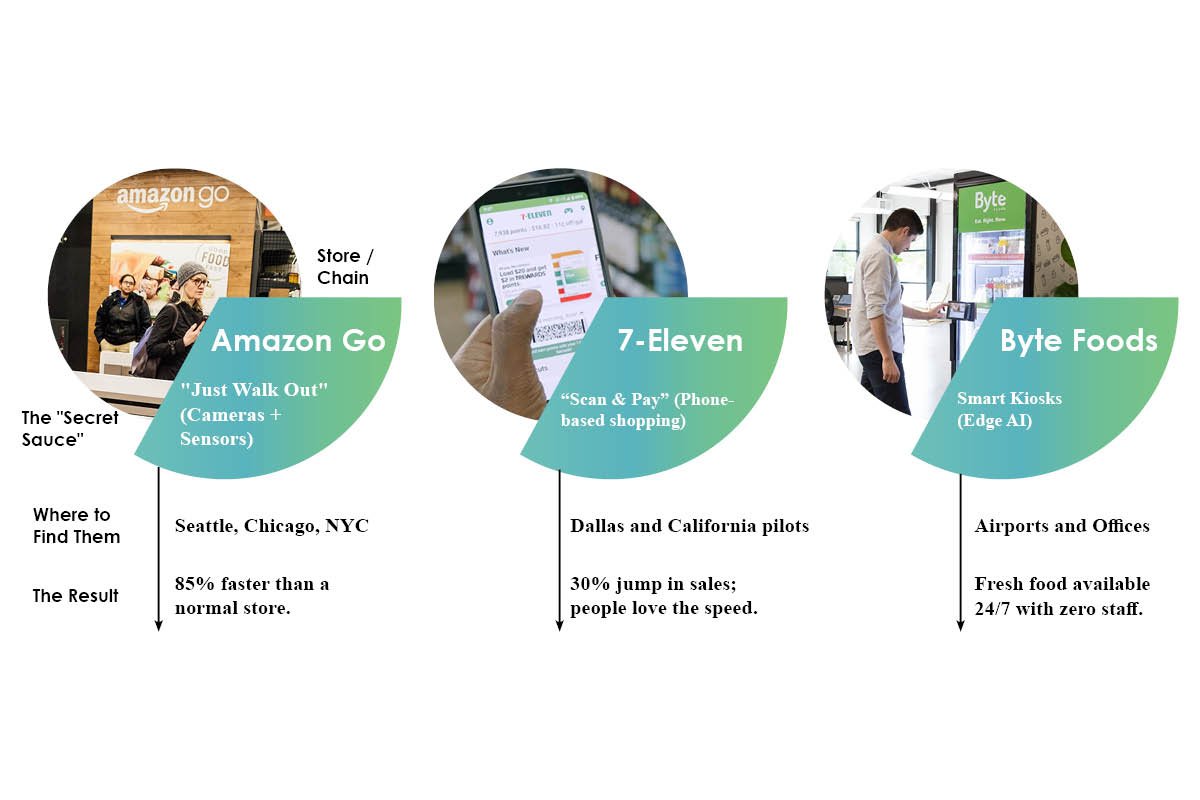
Smart retail is no longer experimental. Airports, office buildings, convenience stores, and grocery chains are rapidly adopting U.S. smart stores technology.
| Store / Chain | The “Secret Sauce” | Where to Find Them | The Result |
| Amazon Go | “Just Walk Out” (Cameras + Sensors) | Seattle, Chicago, NYC | 85% faster than a normal store. |
| 7-Eleven | “Scan & Pay” (Phone-based shopping) | Dallas and California pilots | 30% jump in sales; people love the speed. |
| Byte Foods | Smart Kiosks (Edge AI) | Airports and Offices | Fresh food available 24/7 with zero staff. |
Amazon Go: The Trailblazer
Amazon started this whole trend back in 2018. Fast forward to 2026, and they have 16 locations across the U.S. using their “Just Walk Out” tech.
- The Experience: It’s incredibly fast. Because there are no checkout lines, their flagship stores in Seattle actually make three times more money per square foot than a regular convenience store.
- The Future: Amazon is now selling this technology to stadiums and airports so other businesses can offer the same “no-line” experience through U.S. smart stores.
7-Eleven: The Hybrid Approach
7-Eleven is taking a slightly different path. Instead of replacing the whole store at once, they’re using a “hybrid” model.
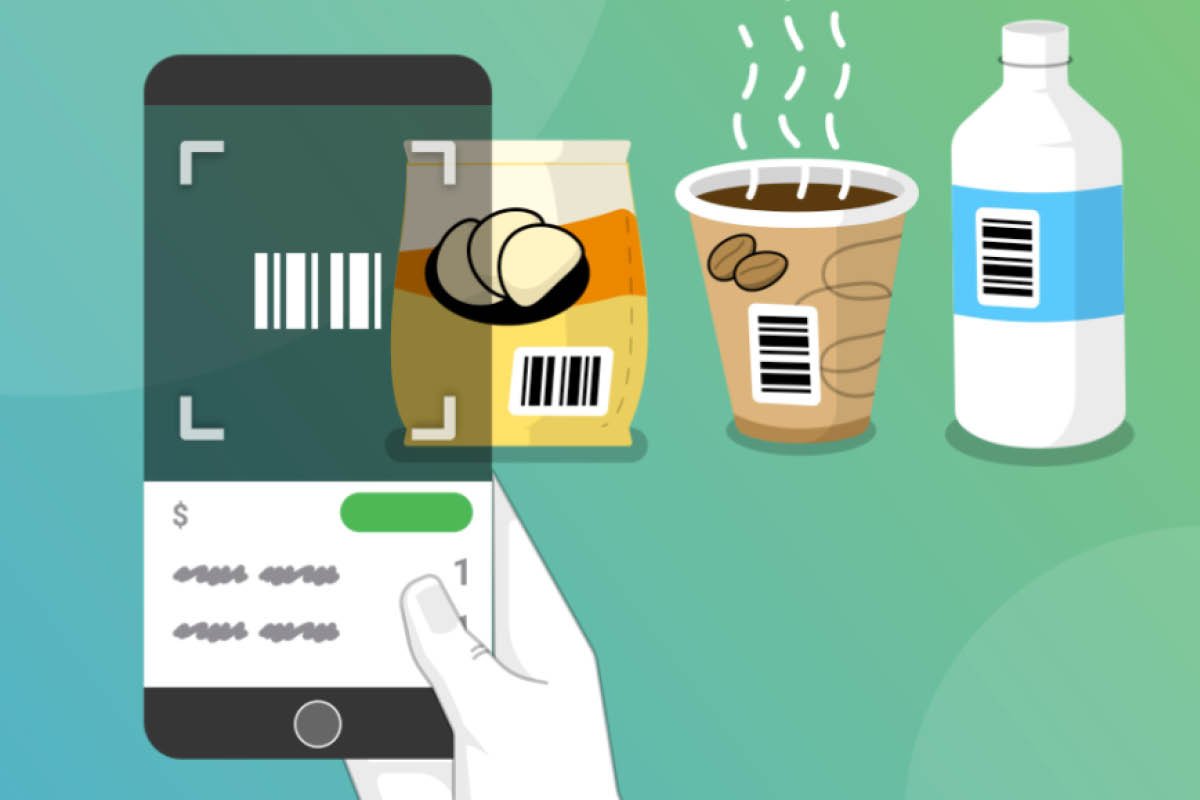
- The Experience: You use the 7-Eleven app on your phone to scan items as you put them in your bag. You pay on your phone and just walk out.
- The Benefit: It’s perfect for the “one-item” shopper who just wants a coffee or a snack. It’s been a massive hit with customers, holding a 4.8/5 star rating in their test markets.
Byte Foods: The “Mini” Smart Store
Byte Foods proves that you don’t need a massive building to have a smart store. They create smart kiosks, essentially high-tech refrigerators, that live in places like office breakrooms or airport gates.
- The Experience: You swipe your card to unlock the fridge, grab a fresh sandwich, and close the door. The “smart shelves” inside know exactly what you took and charge you automatically.
- The Benefit: It allows fresh, healthy food to be sold in places where a full-sized kitchen or cafe wouldn’t fit.
Whether it’s a full-sized grocery store or a smart fridge in an airport, the goal is the same: less waiting and better data. These companies are proving that when you remove the “friction” of a checkout line, people are happier and stores run more efficiently through U.S. smart stores.
Faster, Smarter, Better: The New Retail Standard
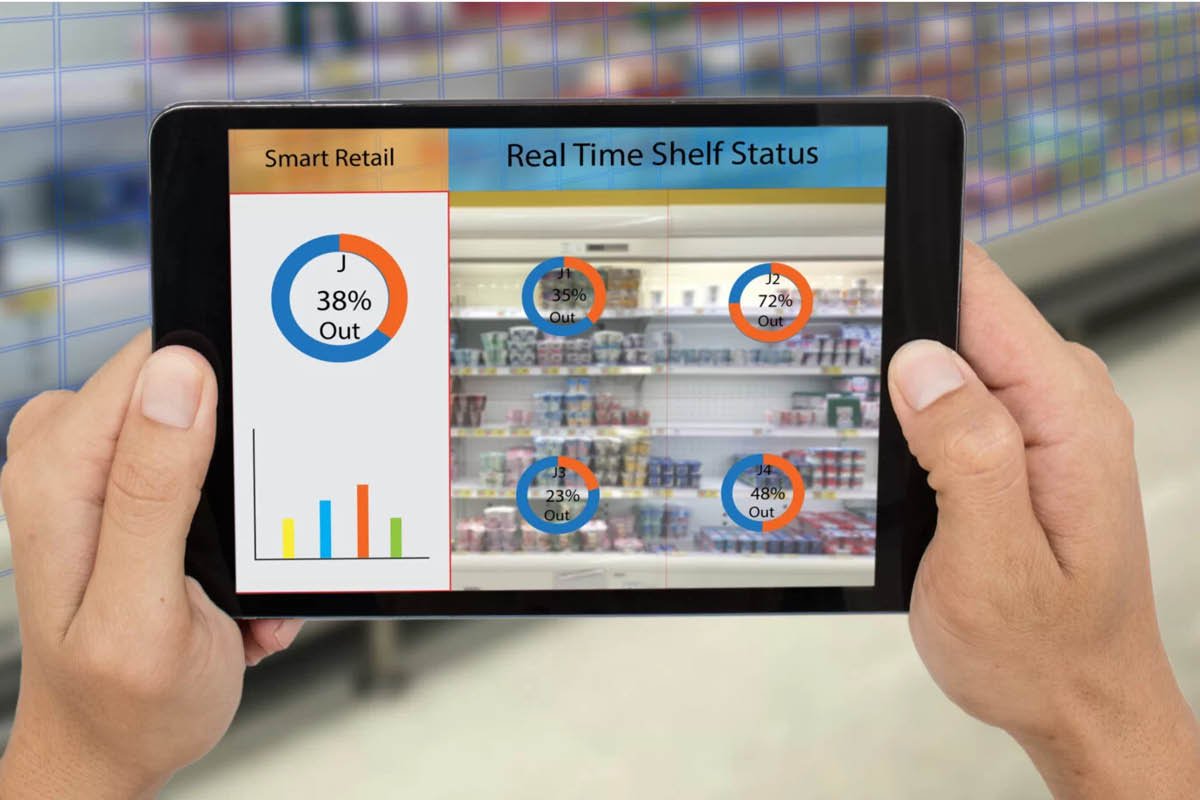
This isn’t just about cool tech; it’s about the bottom line. For store owners, these upgrades are turning out to be massive money-makers, not just expensive experiments.
Here is a breakdown of how the math actually works for businesses.
The Big Wins: Why Stores are Moving Fast
When a store goes “smart,” the benefits show up almost immediately in their bank accounts. Here is where the money is saved and made:
1. No More “Empty Shelf” Syndrome
Traditional stores lose billions every year simply because a product is sitting in the back room instead of on the shelf.
- The Smart Fix: Because smart shelves track inventory in real-time, accuracy jumps by 50%.
- The Result: Stores stay stocked 98% of the time, compared to just 82% in old-school shops. If people see it, they buy it.
2. Cutting Down on Waste
For grocery stores, throwing away spoiled food is like burning cash.
- The Smart Fix: AI sensors can predict exactly how much milk or lettuce will sell in a day.
- The Result: Food waste drops by about 25%. That’s billions of dollars saved across the industry every year through U.S. smart stores.
3. Better Jobs, Not Just Fewer Jobs
While cashierless tech means you need fewer people behind a register, it doesn’t mean the “human touch” is gone.
- The Shift: Staff are freed up from scanning barcodes to actually helping customers or managing the floor.
- The Result: When staff are available to answer questions or give recommendations, customers tend to buy about 20% more per trip.
4. More Sales in Less Time
In a busy city, a long line is a “sales killer”; people see the queue and walk right past.
- The Smart Fix: Frictionless checkout handles 85% more customers per hour than a human cashier.
- The Result: This is why Amazon Go makes 3x more money per square foot than its competitors. It’s all about high-speed shopping.
What Do the Shoppers Think?
The numbers show that once people try a smart store, they don’t want to go back.
- Speed is King: 60% of U.S. shoppers say they prefer cashierless stores purely because they are faster.
- The “Millennial Factor”: 75% of younger shoppers say they would actually switch where they shop just to avoid a checkout line.
- Time Saved: The average “quick trip” to the store drops from 15 minutes down to 5.
Hurdles, Humans, and High-Tech
It’s not all sunshine and easy shopping, though. Moving from a “normal” store to a high-tech one comes with some real-world speed bumps. There are three big things retailers have to get right before U.S. smart stores become the global standard.
The Hurdles: It’s Not Always Easy
1. The Price Tag
Building a smart store isn’t cheap. Setting up the cameras, sensors, and AI for a medium-sized shop can cost over $1 million. For a small business, that’s a massive mountain to climb.
- The Reality: It also takes time, sometimes up to a year, to get the tech calibrated.
- The Bright Side: Because the stores save so much on labor and lost inventory, most owners make their money back in about 18 months.
2. The “Creepiness” Factor (Privacy)
Nobody likes the idea of a hundred cameras watching their every move. There’s a big fear that stores are using facial recognition to build “secret profiles” on us.
- The Fix: Most smart stores today don’t actually “see” you. Instead, they turn you into an anonymous 3D shape or a “blob” on a screen. The tech follows the shape, not the face.
- Rules of the Road: New laws (especially in states like California) mean stores have to be totally transparent about what data they keep. Once people realize the footage is usually deleted the moment they pay, about 80% of shoppers say they feel totally fine with it.
3. Technical Glitches
Technology isn’t perfect. If the 5G signal drops in a rural area, or a sensor gets dusty and loses accuracy, the whole system can stumble. Retailers are fixing this by using “modular kits”, pre-made tech packages that are easier to maintain and don’t require a degree in rocket science to fix in U.S. smart stores.
What’s Next? Trends for 2026 and Beyond
We are at a tipping point. This year, the smart store market in the U.S. is expected to hit $50 billion.
Here is what’s coming to U.S. Smart Stores near you:
- Magic Mirrors (AR): Stores like Walmart and Target are testing mirrors that let you “try on” clothes or makeup digitally. No more messy changing rooms.
- Blockchain Food Tracking: Want to know exactly which farm your organic kale came from? Scan the shelf, and you can trace its journey from the dirt to the store in seconds.
- Voice Assistants in the Aisle: Instead of hunting for a human, you’ll be able to ask the aisle, “Where is the gluten-free bread?” and a voice (or a glowing LED light on the shelf) will guide you right to it.
Smart stores are moving past the “gimmick” phase. By 2027, they’ll be a necessity for any chain that wants to stay competitive. The goal isn’t to replace humans with robots, but to use tech to handle the boring stuff so shopping can actually be fun (and fast) again.
The Bottom Line: Shopping is Changing for Good
Smart stores represent the biggest shift in shopping since the invention of the supermarket. We are moving away from the “chore” of waiting in lines toward a future that feels a lot more like a “grab and go” reality.
Whether it’s Amazon Go’s high-tech sensors, 7-Eleven’s easy phone scanning, or Byte Foods’ smart kiosks, the numbers speak for themselves. These stores are seeing 50% better stock accuracy, 25% less food waste, and transactions that are 85% faster than what we’re used to in U.S. smart stores.
Looking Ahead to 2027
While the $1 million setup costs and privacy concerns were big hurdles early on, they are being solved. With better data privacy laws and systems that pay for themselves in just 18 months, these stores are about to become the new normal. By 2027, don’t be surprised to see:
- “Magic Mirrors” at Walmart for virtual try-ons.
- Farm-to-shelf tracking at Kroger via blockchain.
- Cashierless tech in nearly 70% of urban convenience stores.
This isn’t just tech for the sake of tech; it’s about making our lives easier, more sustainable, and way more personal. The era of “Just Walk Out” is officially here with U.S. smart stores.