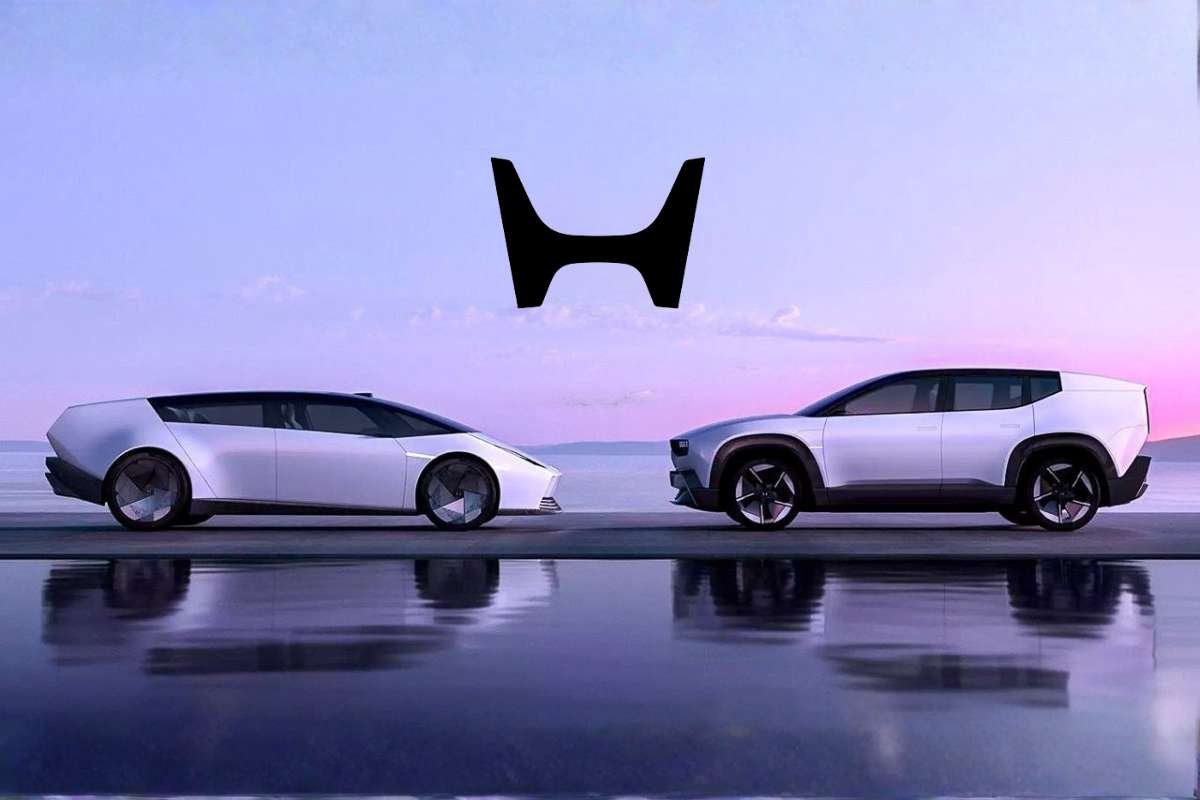
Honda has announced significant financial losses for the year, forcing the company into a major Honda EV cancellation that affects several electric vehicle projects, including the Honda 0 SUV, Honda 0 sedan, and the electric Acura RSX. The move comes as Honda works to limit losses estimated between $5.1 billion and $7 billion. The decision affects vehicles that were nearly ready for production and had been showcased at CES last year.
Financial Pressures Force Strategic Shift
The Honda EV cancellation is part of a broader effort to stabilize Honda’s finances. The company reported that weak demand for electric vehicles in the United States, combined with increased competition in China, has made launching the new EVs unprofitable. In China, consumers favor vehicles with advanced software and frequent updates, including driver-assistance systems, which Honda struggles to deliver at competitive speed and value.
Honda also cited ongoing challenges with international trade dynamics, tariffs, and changes in regulations as factors that have affected profitability. By redirecting resources, the company aims to focus on hybrid vehicles in the US market, delaying further EV development until market conditions support profitability.
The company plans to implement cost-saving measures, including voluntary pay reductions of 20 to 30 percent for senior executives over three months. Honda emphasizes that it will continue to invest in green technology but will prioritize projects with sustainable financial returns.
Hybrid Strategy and Future Electric Vehicle Plans
While the canceled vehicles will not move forward, the Honda EV cancellation does not affect Honda’s existing EV and hybrid programs that align with market demand. The company says it remains committed to carbon-neutral goals but will adopt a cautious approach to new EV launches. Investments will focus on markets and models that can deliver profitability alongside growth.
The decision underscores the increasing challenge for traditional automakers to compete in global EV markets dominated by software-driven vehicles. Honda’s experience illustrates how rapid advancements in technology and changing consumer expectations can affect production plans and financial strategy.
The company will continue to assess market trends, including consumer interest in electric and hybrid vehicles, to guide future investment decisions. Honda expects that focusing on hybrid technology in the US and refining its competitiveness in international markets will help stabilize its operations while preparing for long-term EV opportunities.
This strategic adjustment, highlighted by the Honda EV cancellation, reflects broader trends in the automotive industry, where companies are balancing innovation with financial sustainability. Honda’s revised plans will prioritize models and markets that align with revenue and efficiency goals, while temporarily shelving ambitious EV launches that cannot meet profitability targets.