Key Takeaways:
- Chevron executive Andy Walz urges reduced driving to cut fuel demand
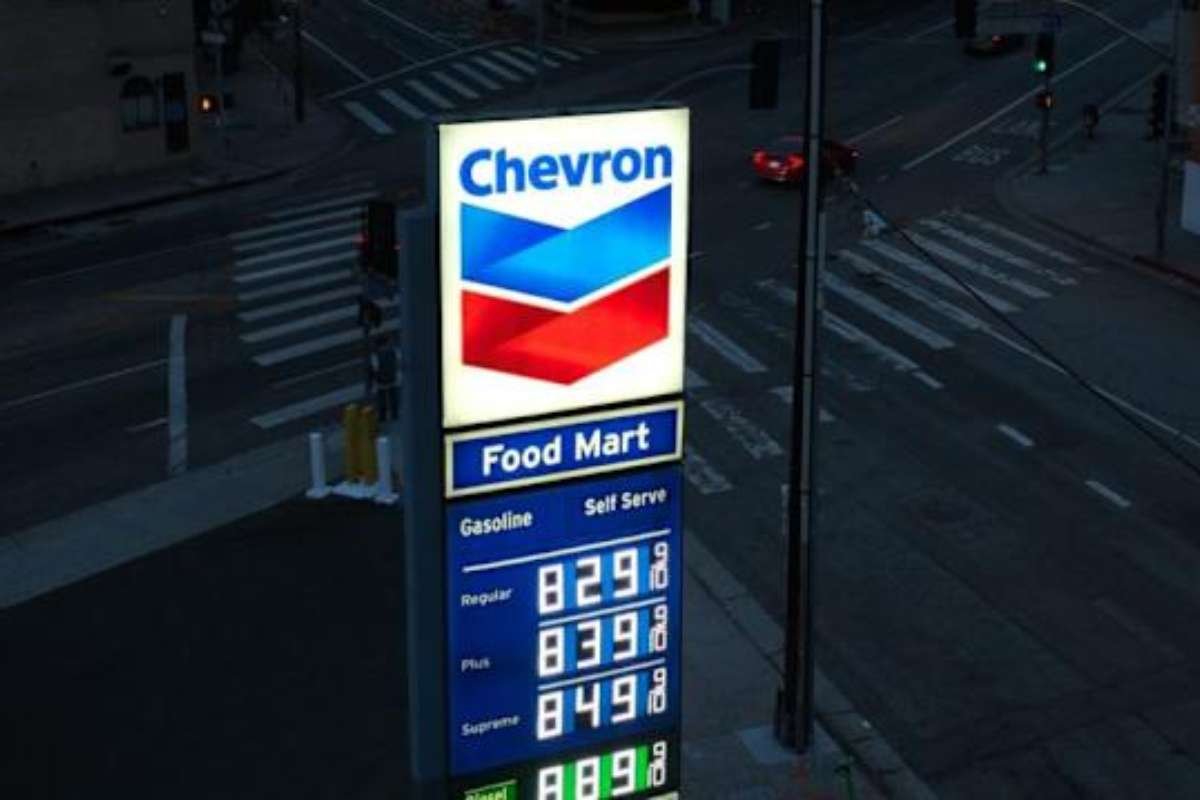
- Gas prices in the United States exceed 4.11 dollars per gallon amid supply strain
- Brent crude peaked at 118 dollars per barrel before easing to around 95 dollars
Chevron executive Andy Walz has urged individuals and businesses to reduce driving activity as energy markets react to supply disruptions linked to tensions in the Gulf region, reinforcing the message that chevron executive advises reduced driving during times of uncertainty.
Supply Disruptions Drive Volatility In Global Energy Markets
Energy markets have experienced sharp price swings following disruptions in one of the world’s most critical oil transit routes, the Strait of Hormuz. The corridor plays a key role in transporting crude oil, and any slowdown in movement has immediate global effects.
During the recent escalation, shipping activity through the strait slowed significantly. This disruption led to a surge in benchmark crude prices, with Brent crude rising sharply before easing in recent trading sessions. Fuel prices in the United States also increased, with average gasoline prices crossing 4 dollars per gallon.
Although prices have moderated slightly, volatility continues across global markets. West Texas Intermediate crude remains elevated, while fuel prices continue to reflect supply constraints and logistical challenges.
Walz noted that energy markets operate on a global scale. Even when domestic production remains stable, international supply disruptions can still affect pricing and availability. He added that prolonged disruptions could increase pressure on supply chains and raise operational costs for businesses, which is why chevron executive advises reduced driving to help manage demand.
Countries that depend heavily on Middle East oil are already facing greater challenges. Limited access to crude affects refining capacity, which in turn impacts the availability of essential fuel products. This creates uneven effects across regions, with some markets facing shortages rather than only price increases.
Businesses Adjust To Rising Energy And Transport Costs
For businesses, rising energy costs are becoming a key concern. Higher fuel prices directly affect transportation, manufacturing, and logistics expenses. Companies that rely on frequent travel or delivery networks may face increased financial pressure.
Walz emphasized that there is no single solution to quickly reduce prices. However, he pointed out that reducing unnecessary driving can help lower overall demand and ease some pressure on energy systems, echoing the broader message that chevron executive advises reduced driving in response to rising costs.
The situation is prompting businesses to reassess operational efficiency. Many are exploring ways to optimize routes, reduce travel frequency, and improve fuel usage to manage rising costs.
In addition, uncertainty in energy supply can lead to broader operational challenges. Companies may face delays, increased expenses, and reduced margins if disruptions persist over time. As the situation evolves, chevron executive advises reduced driving continues to be a key takeaway for both individuals and businesses.
The evolving market conditions highlight how closely energy consumption patterns are tied to business performance. Organizations are now required to balance cost control with operational continuity in a volatile environment.