Blogging has become a popular way to share ideas, stories, and Choosing the right free blogging platform is one of the most important decisions you’ll make when starting a blog. With so many options available, it’s not always easy to know which one best matches your goals. In this article, we’ll compare the best free blog websites based on key factors such as features, customization, SEO capabilities, monetization options, and ease of use. Whether you’re a beginner, a content creator, or an entrepreneur, you’ll find the insights you need to choose the right platform and start blogging with confidence without spending a penny.
Every single day, more than 7.5 million blog posts are published on the internet. Yet despite the competition, blogging remains one of the most effective ways to share knowledge, build credibility, and even create new income opportunities. In fact, 77% of internet users still read blogs regularly. Whether you want to earn from a side hustle, build a portfolio, or share your thoughts, starting with a free blog website gives you an easy and cost-effective way to create your own space online.
But here is where most aspiring writers stumble before they even type their first word: they get paralyzed trying to choose a platform, or worse, they drop hundreds of dollars on premium hosting packages they don’t yet need.
You don’t need a massive budget to launch a professional-looking website. Today, the world’s top free blogging platforms offer responsive layouts, cloud storage, and intuitive editors without costing you a single dime. However, not all “free” tiers are created equal; some will restrict your branding or display platform ads, while others lock your content behind rigid paywalls. Let’s look at the hard data behind the best websites so you can claim your piece of the internet risk-free.
Top 10 free blogging platforms: the quick comparison matrix
To save you some time, here is a quick breakdown of what each platform does best and the hidden catches you need to know about before signing up.
| Platform | Best For | The Biggest Catch on the Free Plan |
| WordPress.com | Long-term brand growth | You cannot install custom plugins or remove mandatory ads. |
| Blogger | Simple personal logs & AdSense | The user interface and templates look deeply outdated. |
| Medium | Reaching an audience fast | You don’t own your audience; layout is completely uncustomizable. |
| Wix | Highly visual layouts & portfolios | Displays a massive, unmissable Wix ad banner at the top of your site. |
| Weebly | Multimedia blogs & small stores | Storage limits and platform ads. |
| Tumblr | Creative and social blogging | Not suitable for professional, SEO-focused blogs. |
| Ghost | Professional publishing & memberships | Requires paid hosting and technical setup. |
| Jimdo | Personal websites & portfolios | Limited storage and Jimdo branding. |
| Site123 | Quick and simple websites | Limited customization and branded domain. |
| Joomla | Advanced and scalable websites | Steep learning curve and separate hosting required. |
The top 10 free blogging platforms:
1. WordPress.com
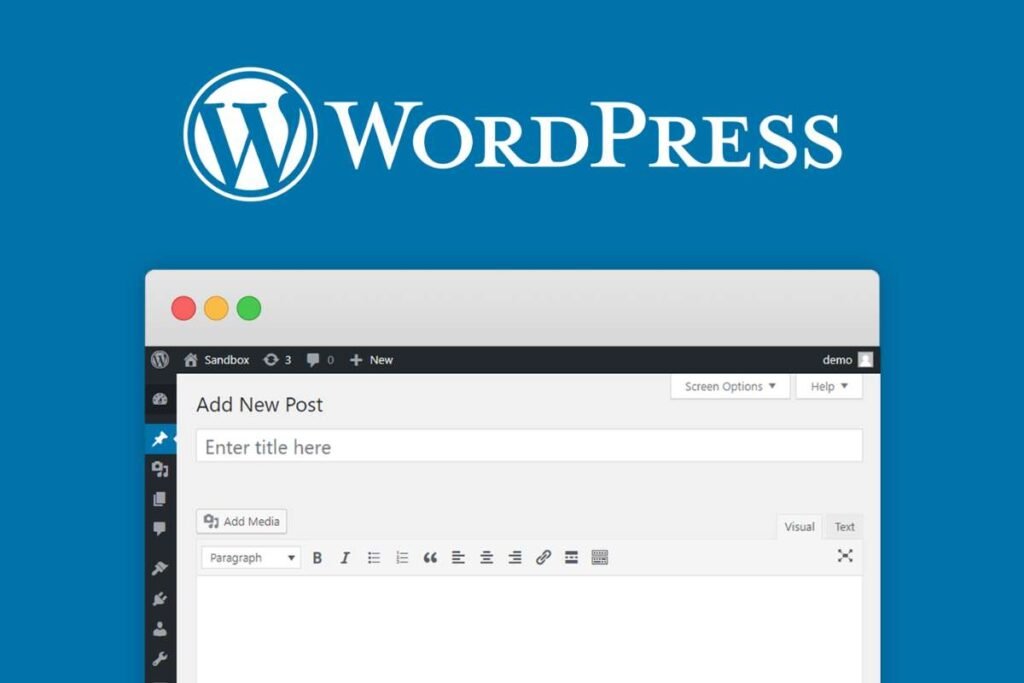
WordPress powers over 43% of the web, and its free tier is a popular entry point for beginner bloggers. It uses a modern, block-based writing engine that makes adding text, images, and galleries incredibly straightforward.
- Built-in security, an easy-to-use editor, and a perfect scaling path. If your blog grows, you can seamlessly transition to a paid plan without losing your content.
- On the free tier, you cannot install plugins or upload custom themes. Your blog will have a yourname.wordpress.com address, and WordPress will place automatic ads on your site that you don’t earn money from.
2. Blogger
Owned by Google, Blogger is one of the oldest and most reliable free blogging platforms on the internet. Because it integrates deeply with Google services, it remains a favorite for people who want a no-frills diary or a basic layout.
- Unlike most competitors, Blogger lets you connect a custom domain name completely for free if you purchase one separately. It also allows you to easily plug into Google AdSense to monetize your traffic without upgrading to a paid tier.
- Google rarely updates the platform. The dashboard feels outdated, and the template customization options are clunky compared to modern design tools.
3. Medium
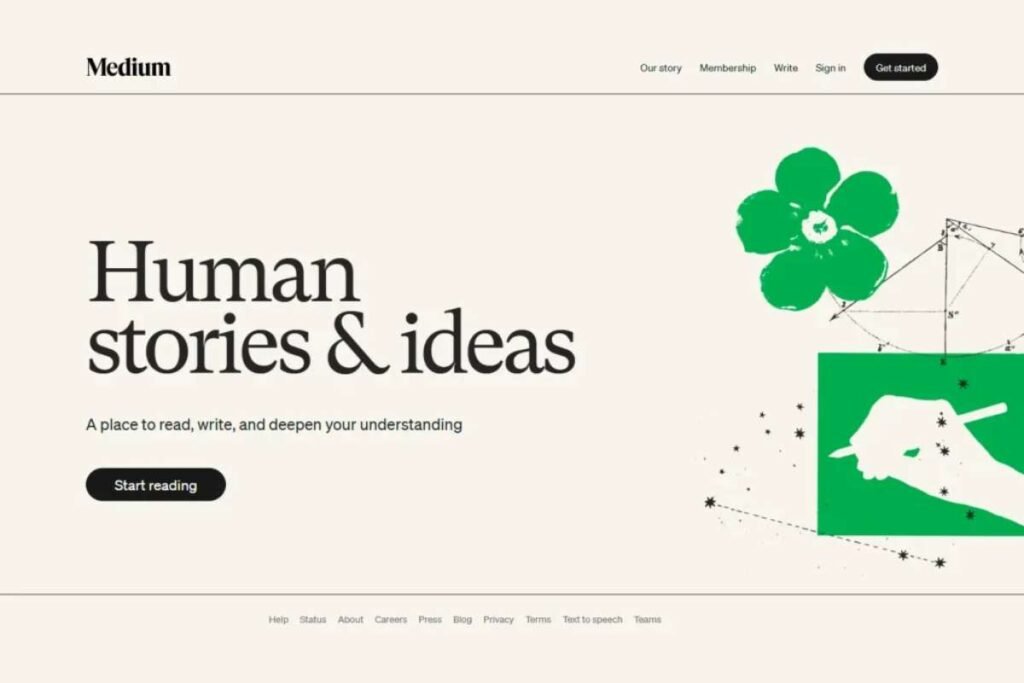
Medium is less of a website builder and more of a massive social network for readers and writers. Instead of building your own standalone site, you publish your articles directly into Medium’s existing ecosystem.
- Built-in distribution. If you write a compelling piece, Medium’s algorithm can recommend it to millions of users who already browse the platform daily, giving you instant exposure.
- Zero brand identity. Every article looks identical; you cannot change the styling, and you cannot easily export a subscriber list to move to another platform later.
4. Wix
If you want total creative control over how your blog looks, Wix is a powerful choice. It features a true drag-and-drop website builder, allowing you to position text, images, and buttons exactly where you want them on the screen.
- Stunning, professionally designed visual templates. It also offers powerful built-in SEO tools to help your posts rank on Google.
- The free plan forces a highly visible Wix branding banner at the very top of your website. Additionally, your site URL will look long and unprofessional.
5. Weebly
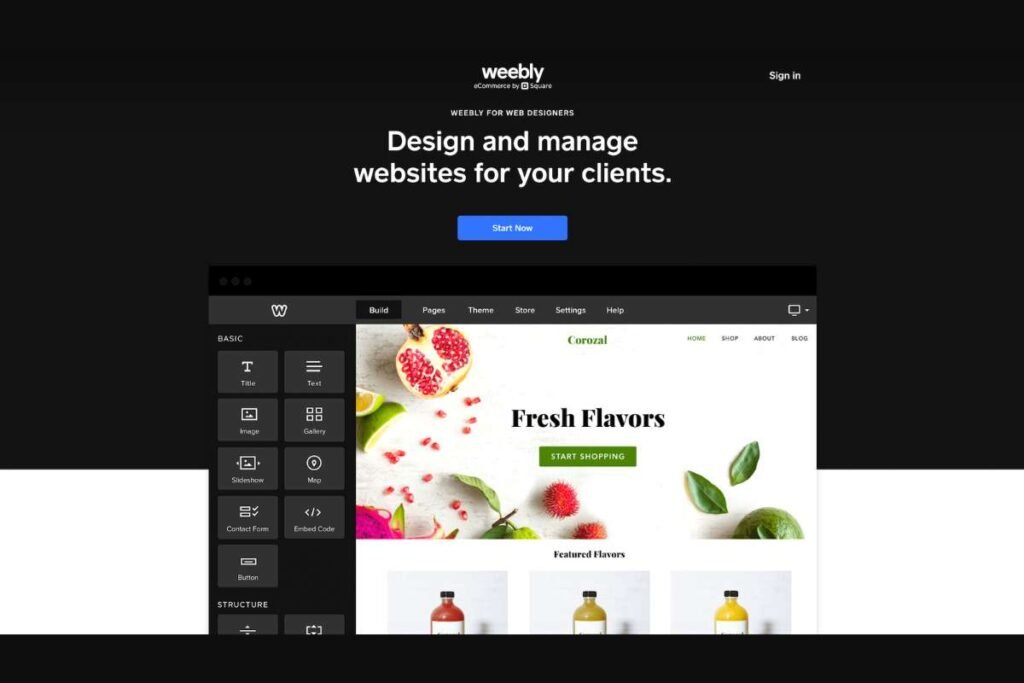
Similar to Wix, Weebly focuses on visual building blocks. It is a highly intuitive platform that makes managing a multimedia blog effortless, complete with convenient mobile apps for publishing on the move.
- Very clean, structured templates that are easy for non-technical users to customize. It also includes basic e-commerce tools if you want to sell a few products alongside your writing.
- Storage space is capped on the free tier, and like Wix, your site will feature prominent Weebly advertisements until you upgrade.
6. Tumblr
Tumblr occupies a unique space between microblogging and social media. It supports text, photos, audio, and video, making it a good option for creative, fast-paced, and casual posting.
- Highly vibrant community. Users can “reblog” your posts directly onto their own feeds, allowing your content to go viral within the network very quickly.
- It is not built for long-form, professional, or search-optimized blogging. If your goal is to build an authoritative brand or rank on Google search results, Tumblr is the wrong tool.
7. Ghost
Ghost is a modern publishing platform designed for writers, creators, and businesses that want a clean, fast, and professional blogging experience. It focuses heavily on content creation, memberships, and email newsletters.
- Extremely fast and SEO-friendly. Ghost includes built-in newsletter tools, membership features, and a distraction-free editor, making it ideal for creators looking to build a paid audience.
- The biggest drawback is that Ghost’s self-hosted version requires technical setup and paid hosting. Unlike other platforms on this list, it does not offer a fully featured, forever-free hosted plan.
8. Jimdo
Jimdo is a beginner-friendly website builder that uses artificial intelligence to help users create websites quickly. It is ideal for freelancers, personal bloggers, and small businesses that want a simple online presence.
- Easy setup with AI-powered website creation and responsive templates. Users can build a blog or portfolio without any coding knowledge.
- The free plan includes Jimdo branding, limited storage, and a branded subdomain, making it less suitable for those seeking a highly professional website.
9. Site123
Site123 is built for speed and simplicity. Rather than offering extensive customization options, it provides a structured website-building process that allows users to launch a blog in minutes.
- Very easy to use, with ready-made templates, basic SEO tools, and responsive designs that work well on mobile devices.
- Customization options are limited, and the free plan displays Site123 branding and provides a branded domain, which can affect your site’s professional appearance.
10. Joomla
Joomla is a powerful open-source content management system that sits between WordPress and fully custom-built websites in terms of flexibility and complexity. It is popular among users who need advanced website functionality.
- Highly customizable with thousands of extensions and strong content management capabilities. It is suitable for large blogs, business websites, and community-driven platforms.
- Joomla has a steeper learning curve than most beginner blogging platforms. It also requires separate hosting and domain registration, making it less beginner-friendly than fully hosted free blogging solutions.
Tips for choosing the right free blog website
Before hitting the “Sign Up” button, ask yourself these three clarifying questions to narrow down your choices:
- What is your primary goal? If you want to focus entirely on writing and building an email community, pick Substack. If you want a portfolio site that looks gorgeous, pick Wix. If you want to build a major personal brand over the next few years, pick WordPress.com.
- How comfortable are you with technology? If you get easily frustrated by menus and settings, platforms like Medium or Blogger take away the tech stress so you can just type.
- Do you mind ads? If you hate the idea of another company putting their advertisements all over your hard work, stick to Substack or Medium, which keep their free reading layouts completely clean.
Conclusion:
Starting a blog has never been more accessible. With the right free blog website, you can begin sharing your ideas, building an audience, or even creating new income opportunities without any upfront investment. The numbers back it up: businesses that blog generate 67% more leads than those that don’t, while independent creators on platforms like Substack collectively earn millions every year.
The best platform ultimately depends on what you want to achieve. If design flexibility matters most, Wix is a strong choice. If you want to tap into an existing audience, Medium stands out. For creators focused on newsletters, Substack offers a built-in ecosystem. And if you’re planning to grow a blog over the long term, WordPress provides the flexibility to scale.
The most important step, however, is simply getting started. Pick the platform that fits your goals today, publish your first post, and learn as you go. Every successful blog began with a single article, and yours can too.
Frequently Asked Questions (FAQs)
1. Which is the best free blog website for beginners?
WordPress.com is great for long-term growth, Substack for newsletters, Medium for reaching readers quickly, and Blogger for simple, beginner-friendly blogging.
2. Can I earn money from a free blog website?
Yes. Platforms like Substack, Medium, and Blogger offer monetization options, though some features may require an upgrade.
3. What are the drawbacks of a free blog website?
Most free platforms include branded domains, limited customization, storage limits, or platform ads on the free plan.
4. Is a free blog website good for SEO?
Yes. Platforms like WordPress.com, Blogger, and Wix offer basic SEO tools that can help your content rank.
5. Should I start with a free blog website?
Yes. A free blog website is a smart way to start blogging, test ideas, and build an audience before upgrading to a paid plan.rt way to start blogging, test ideas, and build an audience before upgrading to a paid plan.