Accounting has evolved beyond paper records and spreadsheets. Modern accounting technology automates bookkeeping, payroll, expense tracking, tax management, and financial reporting. This article explores the different types of accounting technology, how they work, their business applications, real-world examples, and practical insights to help organizations improve accuracy, efficiency, and financial management.
A business can earn more money and still struggle with its finances. The real problem is not sales; it is outdated accounting methods. Manual bookkeeping, paper records, and endless spreadsheets slow down work, increase errors, and make financial decisions harder than they should be.
The right types of accounting technology change everything. It automates routine tasks, organizes financial data, tracks cash flow, prepares reports, and helps businesses make faster, smarter decisions.
For example, a retail store switched from spreadsheets to cloud accounting software connected with its inventory and banking systems. Invoice processing became faster, stock was updated automatically, and financial reports were available in real time. The finance team spent less time fixing errors and more time planning business growth.
According to the International Federation of Accountants (IFAC), digital transformation is improving transparency, efficiency, and financial decision-making for businesses worldwide.
This guide explains the types of accounting technology, how each one works, and how businesses can choose the right solution to improve accuracy, save time, and support long-term growth.
What are the types of Accounting technology?
Types of accounting technology are digital tools and software that help businesses manage, record, and automate their financial activities accurately and efficiently.
Instead of relying on manual bookkeeping, organizations now use technology to automate routine accounting tasks while improving accuracy, security, and efficiency.
These technologies support daily accounting operations such as:
- Recording business transactions
- Managing invoices
- Processing payroll
- Tracking expenses
- Preparing financial reports
- Filing taxes
- Supporting audits
- Forecasting future performance
Some accounting technologies are designed for freelancers and small businesses, while others help large enterprises manage complex financial operations across multiple locations, departments, and thousands of employees.
A good accounting system does more than save time. It provides better visibility into business finances, helps owners understand where money comes from and where it goes, supports smarter financial decisions, and contributes to long-term business growth.
Core structural categorization of financial systems
Before understanding the individual types of accounting technology, it is important to understand how modern financial systems are structured. Businesses rarely rely on one software application. Instead, they build an interconnected financial ecosystem where multiple technologies exchange information automatically.
A typical financial technology structure consists of several connected layers.
- Transaction Layer: This is where financial activities begin.
Examples include:
- Customer payments
- Vendor bills
- Sales invoices
- Purchase orders
- Employee expenses
- Payroll entries
These transactions enter the accounting system automatically through integrated software rather than manual data entry.
- Processing Layer: The processing layer verifies, categorizes, and records financial transactions.
Here, accounting rules classify transactions into the correct accounts while checking for duplicate entries, missing values, or unusual activity.
Many modern platforms also automate bank reconciliation at this stage.
- Data Management Layer: This layer stores accounting information securely.
Businesses use cloud databases or enterprise servers to maintain financial records while ensuring backup, disaster recovery, and controlled user access.
Strong data management improves compliance with financial regulations and supports long-term record retention.
- Reporting Layer: Managers rarely want to read thousands of transaction records.
Instead, reporting tools convert accounting data into useful information through:
- Income statements
- Balance sheets
- Cash flow reports
- Profit analysis
- Department budgets
- Financial dashboards
These reports help leaders make faster and more informed business decisions.
- Decision Support Layer: This is the most advanced part of today’s accounting systems.
Artificial intelligence, predictive analytics, and business intelligence tools analyze historical financial data to forecast future trends, identify spending patterns, and support strategic planning.
For example, finance teams can estimate seasonal demand, predict cash shortages, or evaluate investment opportunities using historical financial information.
| Real-World Example: Microsoft Dynamics 365 Microsoft combines accounting, sales, inventory, purchasing, customer relationship management, and business analytics within one connected platform. A sales order automatically updates inventory, creates an invoice, records revenue, adjusts financial statements, and generates management reports without duplicate data entry. This integrated structure reduces errors while improving decision-making across departments. |
Major types of accounting technology
Understanding the different types helps businesses choose the right solution based on their size, budget, industry, and financial goals. Some tools focus on basic bookkeeping, while others manage an entire organization’s financial operations.
Below are the most widely used accounting technologies today.
1. Cloud accounting software
Cloud accounting software is one of the most popular accounting technologies used by businesses of all sizes. Instead of installing software on a single computer, users access financial data securely through the internet.
Business owners, accountants, and finance teams can work from different locations while viewing the same real-time financial information.
Best For:
- Small businesses
- Startups
- Freelancers
- Growing companies
- Remote finance teams
| Real-World Example: A digital marketing agency with employees working across different cities uses cloud accounting software to manage invoices, payroll, and client payments. Since everyone accesses the same financial records online, the finance team no longer exchanges multiple spreadsheet versions, reducing errors and saving hours every week. According to Xero’s Small Business Insights, cloud accounting helps businesses improve efficiency by automating routine accounting tasks and providing better financial visibility. |
2. Enterprise resource planning (ERP) accounting systems
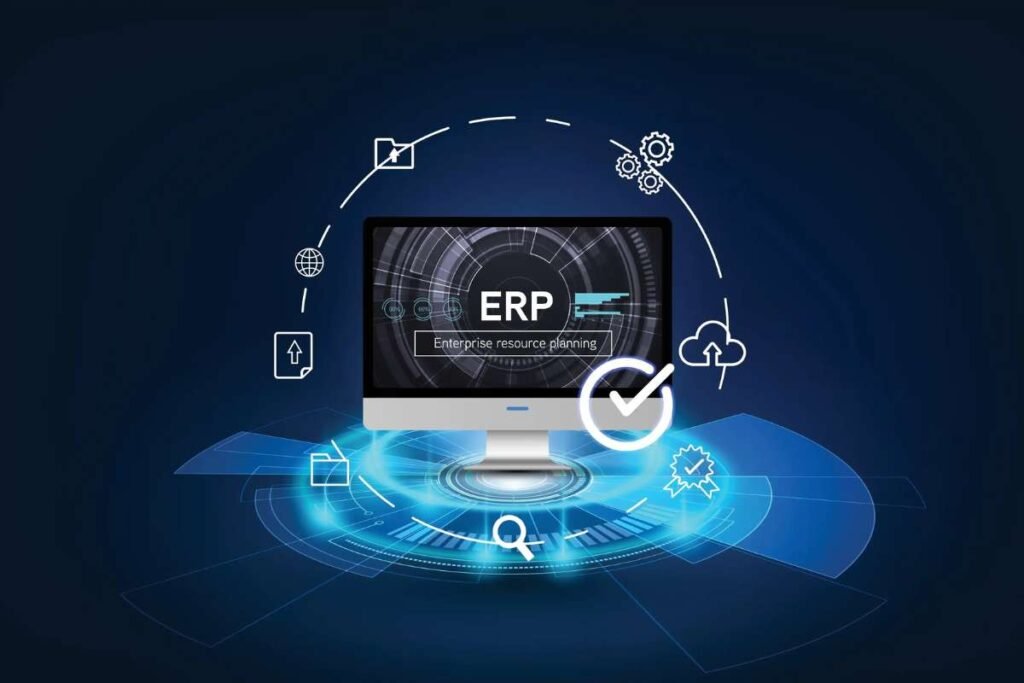
ERP (Enterprise resource planning) systems are among the most advanced types of accounting technology because they combine accounting with other business operations such as inventory, manufacturing, purchasing, human resources, and customer management.
Instead of using separate software for each department, ERP creates one integrated system.
Best For:
- Large organizations
- Manufacturing companies
- Retail chains
- Global businesses
| Real-World Example: A manufacturing company purchases raw materials, produces finished goods, ships products, and receives customer payments. Every step updates the ERP system automatically. Inventory levels change, production costs adjust, invoices generate instantly, and financial reports remain current without duplicate data entry. Companies such as Nestlé, Unilever, and many global manufacturers use ERP platforms to manage complex financial operations across multiple countries. |
3. Desktop accounting software
Desktop accounting software is a traditional type of accounting that stores financial data directly on a computer instead of the cloud. The software is installed on office desktops or local servers, allowing businesses to manage their accounting records without relying on an internet connection.
Although many organizations have adopted cloud-based solutions, desktop accounting software remains a reliable choice for businesses that prioritize local data control, offline access, and one-time software purchases over subscription-based services.
Best For:
- Small local businesses
- Professional service firms
- Organizations with limited internet access
4. Artificial intelligence (AI) accounting systems
Artificial Intelligence (AI) accounting systems help businesses automate routine accounting tasks and make smarter financial decisions. Instead of manually processing every transaction, AI analyzes large volumes of financial data, identifies patterns, detects unusual activities, and provides real-time insights.
By learning from historical financial records, AI can categorize expenses, process invoices, predict cash flow, identify potential fraud, and generate financial forecasts with greater speed and accuracy. Rather than replacing accountants, AI reduces repetitive work, allowing finance professionals to focus on financial planning, compliance, and strategic decision-making.
Best For:
- Growing businesses
- Medium and large enterprises
- Finance teams
- Accounts payable departments
- Organizations handling high transaction volumes
According to PwC, artificial intelligence is helping finance teams improve productivity while supporting better business decisions.
5. Blockchain-based accounting systems

Blockchain-based accounting systems are the newest types of technology that help businesses record and verify financial transactions more securely. Unlike traditional accounting databases, where records are stored in a single location, blockchain stores transaction data across a distributed digital ledger shared among authorized participants.
Once a transaction is verified and added to the blockchain, it becomes extremely difficult to alter or delete. This creates a transparent and tamper-resistant record of financial activity, helping businesses improve trust, accuracy, and accountability.
Blockchain technology is increasingly being explored for financial reporting, auditing, cross-border payments, supply chain finance, and digital asset management.
Best For:
- Large enterprises
- Financial institutions
- Supply chain companies
- Cross-border businesses
- Organizations requiring high transparency
Why do businesses use it?
Businesses adopt blockchain-based accounting systems to improve financial transparency, strengthen data security, reduce fraud risks, and create reliable audit records that can be verified by multiple parties.
According to KPMG, blockchain technology has significant potential to improve trust, transparency, and compliance across financial ecosystems.
6. Mobile accounting applications
Mobile accounting applications are one of the fastest-growing accounting technologies because they allow business owners and finance professionals to manage accounting tasks from virtually anywhere. Instead of waiting to return to the office, users can access financial information directly from their smartphones or tablets.
These applications provide real-time access to invoices, expenses, cash flow reports, customer payments, and financial dashboards, helping businesses make faster decisions and respond quickly to financial needs.
Best For:
- Freelancers
- Small business owners
- Consultants
- Field service businesses
- Remote entrepreneurs
7. Payroll management systems
Payroll management systems are an essential category within the accounting technology type because employee compensation, taxes, and benefits directly impact a company’s financial records. Managing payroll manually can be time-consuming and may lead to salary calculation mistakes, tax errors, or compliance issues.
Modern payroll systems automate payroll processing by calculating salaries, deductions, taxes, bonuses, overtime payments, and employee benefits while ensuring compliance with labor regulations.
Best For:
- Small businesses
- Medium-sized companies
- Large enterprises
- HR departments
- Organizations with growing workforces
According to ADP, payroll automation improves compliance, accuracy, and employee satisfaction.
8. Tax Management Software
Tax Management Software is one of the most important accounting technology type because it helps businesses calculate, manage, and file taxes accurately while complying with government regulations. Instead of performing complex tax calculations manually, the software automatically applies the latest tax rules, prepares tax returns, and generates compliance reports, reducing the risk of errors and penalties.
Whether a business deals with GST, VAT, sales tax, or corporate tax, tax management software simplifies the entire tax process and saves valuable time for finance teams.
Best For:
- Small businesses
- Retail businesses
- E-commerce companies
- Accounting firms
- Large enterprises
9. Financial analytics and business intelligence tools
Financial analytics platforms turn raw financial data into meaningful insights. Instead of simply showing what happened, these tools help businesses understand why it happened and what may happen next.
Managers can compare revenue, expenses, profit margins, and cash flow through interactive dashboards. This supports faster and more confident decisions.
Best For:
- Medium and large businesses
- Finance managers
- CFOs and business leaders
- Companies with multiple departments
- Organizations making data-driven financial decisions
10. Robotic process automation (RPA)
Robotic Process Automation is types of accounting technology for handling repetitive accounting work. RPA uses software robots to complete rule-based tasks without human intervention.
Unlike artificial intelligence, RPA follows predefined instructions. It performs repetitive work quickly and consistently.
Best For
- Large enterprises
- Finance departments
- Shared service centers
- High-volume accounting operations
- Businesses looking to reduce manual work
According to Deloitte, finance departments increasingly adopt RPA to improve efficiency while reducing operational costs.
11. Optical Character Recognition (OCR) Technology
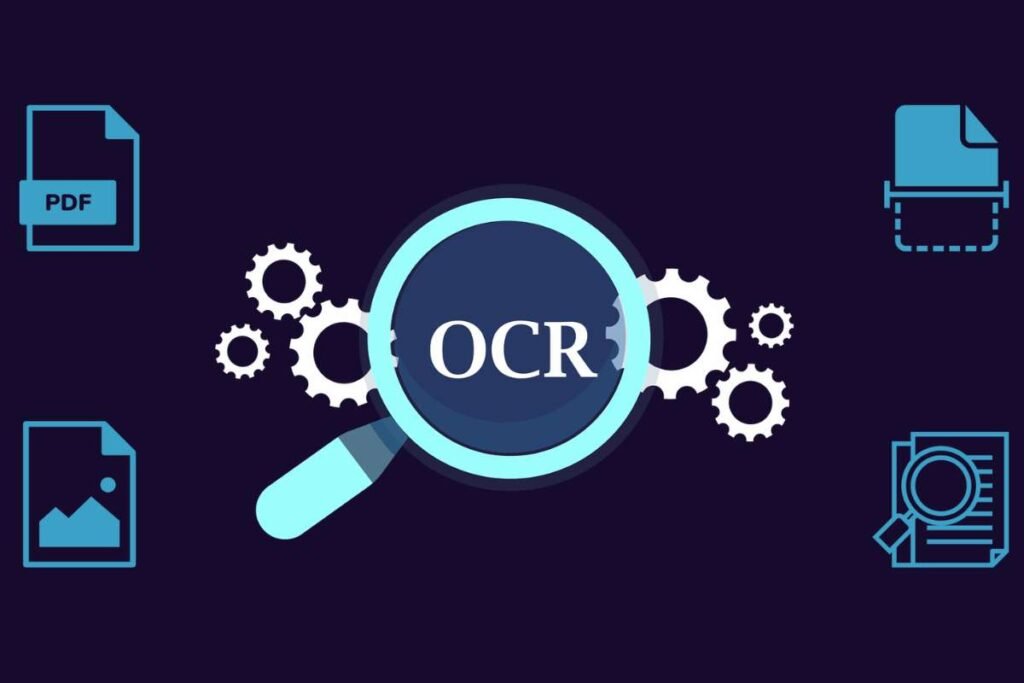
OCR is another valuable addition to modern types of accounting. It converts printed or handwritten financial documents into editable digital data.
Instead of typing every receipt manually, businesses simply scan documents. OCR software extracts the important information automatically.
What OCR Can Read:
- Receipts
- Bills
- Purchase orders
- Vendor invoices
- Expense claims
- Tax documents
12. Expense management software
Expense management platforms are becoming essential types of accounting technology, especially for companies with traveling employees or multiple departments.
Manual reimbursement processes often involve paper receipts, emails, and spreadsheets. Modern expense software automates the entire workflow.
Best For:
- Companies with traveling employees.
- Sales and consulting firms.
- Medium and large businesses.
- Organizations with frequent employee reimbursements.
| Case Study: Global organizations such as SAP Concur customers use automated expense management to replace paper-based reimbursement processes, giving finance teams greater visibility into employee spending while accelerating approvals and improving compliance. |
13. Digital payment and banking integration
Businesses increasingly connect their accounting software directly with banking platforms. This integration has become one of the most useful types of accounting technology because financial transactions update automatically.
Instead of entering every payment manually, accounting software imports bank transactions in real time.
Best For:
- E-commerce businesses.
- Subscription-based companies.
- Retail businesses.
- Companies processing high transaction volumes.
14. Audit management technology
Auditing has changed significantly over the last decade. Modern audit platforms are now an important part of the types of accounting technology because they simplify compliance, documentation, and financial reviews.
Instead of checking paper files manually, auditors access organized digital records with complete transaction histories.
Best For:
- Large enterprises.
- Public companies.
- Financial institutions.
- Organizations with strict compliance requirements.
| Case Study: Many multinational organizations use AuditBoard to centralize audit documentation, automate evidence collection, and improve collaboration between finance, compliance, and internal audit teams, making audit processes more efficient. According to the American Institute of Certified Public Accountants (AICPA), technology continues to improve audit quality and strengthen financial reporting practices. |
15. Cybersecurity Solutions for Accounting Systems
Protecting financial information is just as important as managing it. Cybersecurity tools now form a critical category within the types of accounting technology because financial databases contain highly sensitive information.
Businesses face risks such as phishing, ransomware, data breaches, and unauthorized access.
| Case Study: Organizations that adopt the NIST Cybersecurity Framework implement layered security controls such as identity management, encryption, continuous monitoring, and incident response planning to better protect financial systems against evolving cyber threats. The National Institute of Standards and Technology (NIST) recommends a layered cybersecurity approach for safeguarding financial data and critical business systems. |
Conclusion:
Good accounting is no longer just about keeping financial records. It is about making faster decisions, reducing mistakes, and helping a business grow with confidence. The right types of accounting technology can simplify daily tasks, improve financial accuracy, strengthen security, and save valuable time.
Whether you run a small business or a large company, choosing the right accounting technology depends on your goals, budget, and business needs. As finance continues to become more digital, investing in the right tools will help your business stay efficient, competitive, and ready for future growth.
FAQs:
1. What are the main types of accounting technology?
Cloud accounting, ERP, AI, blockchain, payroll, tax, RPA, OCR, analytics, audit, and cybersecurity tools. These help automate and manage business finances.
2. Which accounting technology is best for small businesses?
Cloud accounting software is the best choice for most small businesses. It is affordable, easy to use, and works from anywhere.
3. How do businesses choose the right accounting technology?
Choose software based on your business size, budget, and needs. Ensure it integrates with banking, payroll, and tax systems.
4. What are the benefits of accounting technology?
It saves time, reduces errors, and improves financial reporting. It also boosts productivity and supports better decisions.
5. What is the future of accounting technology?
AI, blockchain, cloud computing, and automation are shaping the future. They will make accounting faster, smarter, and more secure.