Key Points:
- BHP Anglo American Deal ends as BHP withdraws its takeover bid after Anglo rejects the proposal.
- Copper demand surges globally, intensifying competition among major mining companies.
- Anglo and Teck are set to move forward with their merger, forming a top global copper producer.
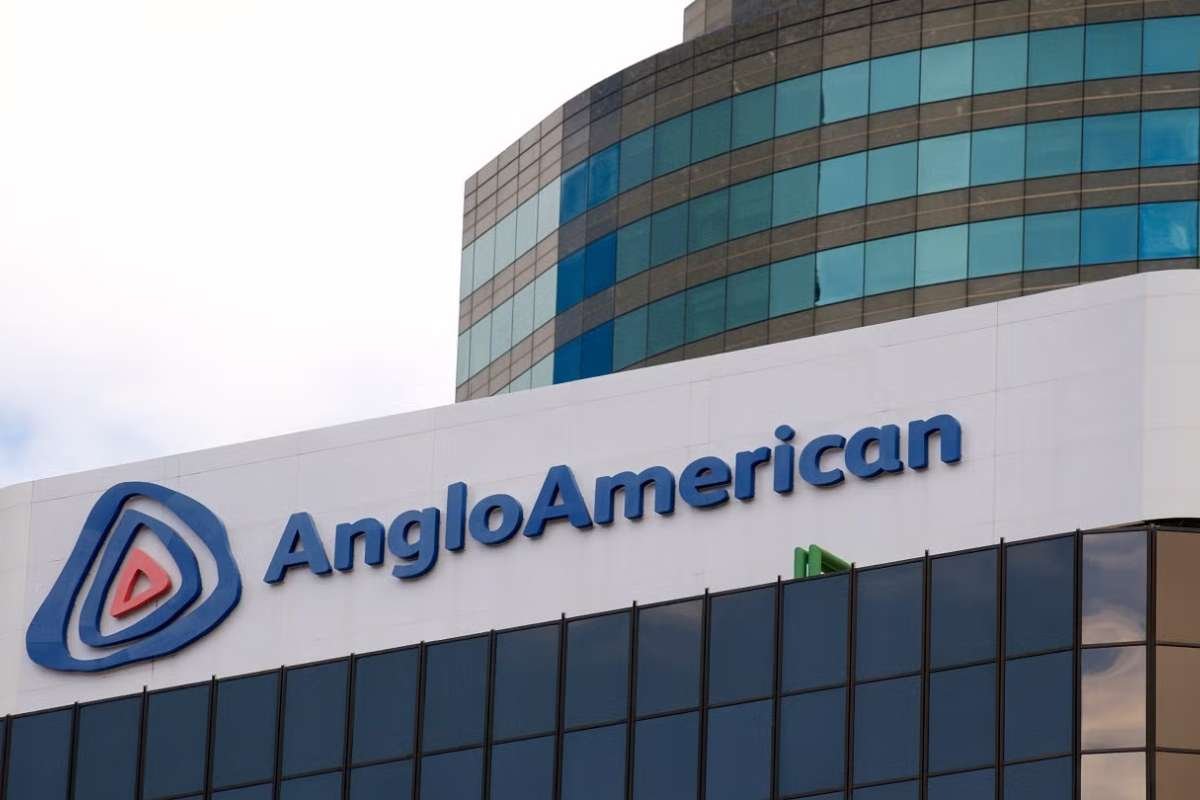
BHP has announced that it will no longer pursue a takeover of Anglo American after the British mining company rejected its latest proposal. The BHP Anglo American Deal, if completed, would have created the world’s largest copper producer at a time when demand for the metal is rapidly accelerating across global industries.
BHP’s offer surfaced after reports indicated the company had approached Anglo in an effort to counter the firm’s planned merger with Teck Resources of Canada. Anglo declined the bid, and BHP later confirmed through a public statement that it had ended its pursuit. The company added that it still believed the BHP Anglo American Deal would have offered strong long-term benefits but would instead continue focusing on its own growth plans.
This marks BHP’s second unsuccessful effort to acquire Anglo in recent years. The company withdrew a $49-billion proposal last year after concerns arose over regulatory challenges and costs associated with Anglo’s assets in South Africa. That earlier proposal had involved restructuring Anglo’s portfolio, including its platinum operations, making the BHP Anglo American Deal a recurring topic of industry debate.
Rising Global Demand for Copper
Copper demand has surged as industries invest in technologies that rely heavily on the metal. It is vital for renewable energy systems, electric vehicles, and a wide range of consumer electronics. The metal is also used in aerospace and defense applications, and recent growth in artificial intelligence infrastructure and data centers has added new pressure on supply— another reason the BHP Anglo American Deal attracted global attention.
Global copper prices reached record highs last month, reflecting tight availability and strong demand forecasts. These trends have intensified industry competition, with mining companies seeking larger-scale operations to secure long-term production. The collapse of the BHP Anglo American Deal means BHP must now explore other strategies to strengthen its position.
With BHP stepping back, Anglo and Teck are expected to proceed with their planned merger. Based on the companies’ current market valuations, the combined entity would be valued at more than $50 billion. The two firms estimate the merger could be completed within 12 to 18 months, pending regulatory processes. While not related to the BHP Anglo American Deal, this merger is expected to reshape competitive dynamics in the sector.
Under the agreement, shareholders of Anglo American will hold 62.4 percent of the merged group, while Teck shareholders will own the remaining portion. Teck has stated that the new company would rank among the world’s top five producers of copper.
Recent Industry Movements
The mining sector has seen several major deals stall in recent months. In August, Peabody Energy withdrew a multibillion-dollar offer to acquire Anglo American’s steelmaking coal division. Analysts note that fluctuating commodity prices, shifting supply chains, and evolving project costs have contributed to cautious decision-making across the industry.
For business owners and entrepreneurs watching the sector, these developments highlight the competitive environment surrounding critical minerals. Companies are actively seeking scale, reliable production, and long-term access to resources that support expanding global technologies and infrastructure. The end of the BHP Anglo American Deal underscores how strategic shifts can influence global mining priorities.
As the Anglo–Teck merger advances and copper demand continues to rise, the mining industry is expected to see further strategic moves aimed at strengthening supply positions in one of the world’s most important industrial metals.