Key Takeaways:
- Nostalgia attracts attention: Familiar internet personalities help Firefox reconnect with former users.
- Privacy creates a clear message: The campaign links online tracking and unwanted AI features with the need for greater user control.
- Engagement is not enough: The campaign’s real success depends on whether viewers return to Firefox and continue using it.
1. Firefox turns internet nostalgia into a comeback campaign
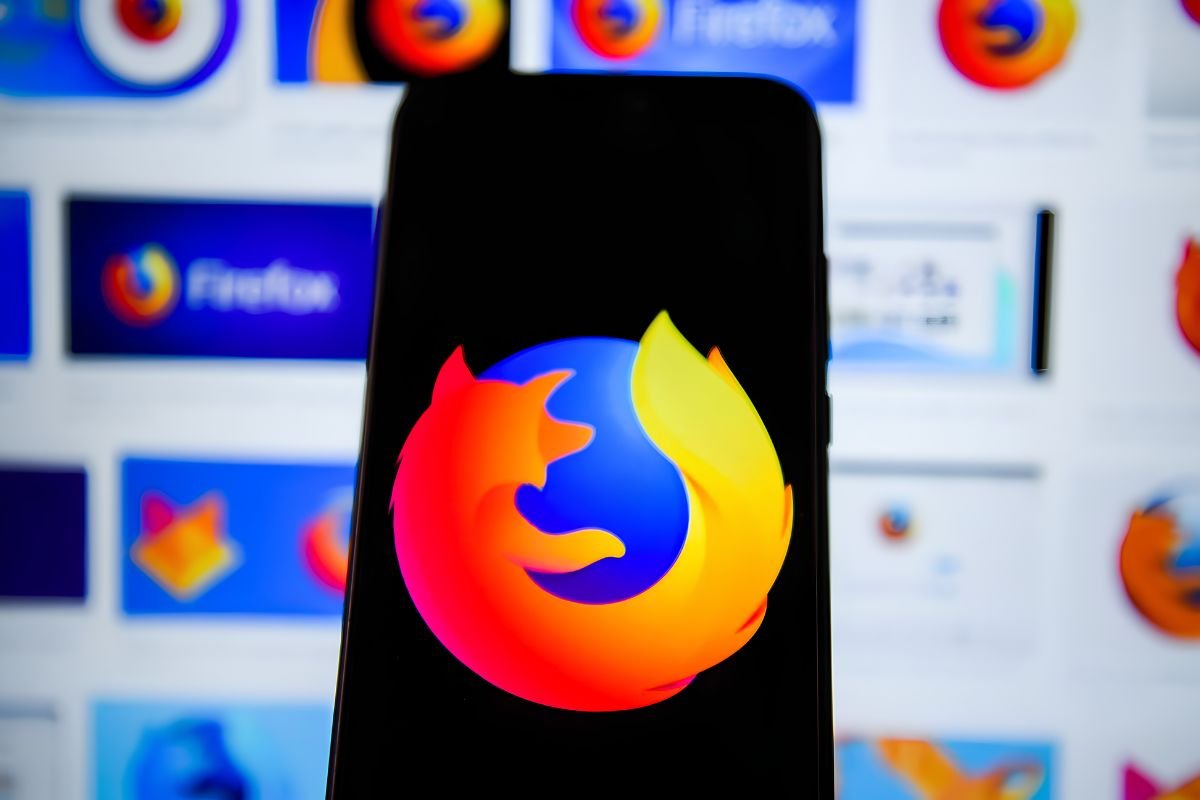
Mozilla has launched a new advertising campaign featuring 11 iconic internet personalities to encourage former users to return to its Firefox browser. Titled Come Back to Firefox, the Firefox Come Back campaign combines viral internet nostalgia with growing concerns about online tracking, unwanted artificial intelligence (AI) features, and digital privacy.
Announced on October 25, 2026, the campaign targets people who once used Firefox but later switched to other browsers. Instead of focusing only on technical features, Mozilla is using familiar internet faces to remind audiences of the early web, when viral videos and independent creators shaped online culture.
The campaign features popular personalities such as Numa Numa Guy, Overly Attached Girlfriend, Annoying Orange, Bad Luck Brian, Success Kid, and Tay Zonday. These creators became internet sensations through humorous videos and memorable performances long before short-form video platforms became mainstream.
Mozilla’s strategy goes beyond bringing back old jokes. The company connects these familiar characters with today’s browsing concerns, encouraging users to rethink how technology affects their online experiences.
2. Eleven internet icons bring modern problems into focus
The campaign features 11 internet personalities and characters, including Numa Numa Guy, Overly Attached Girlfriend, Annoying Orange, Bad Luck Brian, Kelly from Shoes, Where the Hell Is Matt?, Apparently Kid, Tay Zonday, Chuck Testa, Success Kid, and Evolution of Dance.
The advertisements recreate elements of their original performances while giving the characters a new purpose. Each reference connects familiar humour with a modern digital concern.
For example, Overly Attached Girlfriend’s obsessive personality becomes a humorous representation of websites that track users across the internet. Annoying Orange highlights the frustration people may feel when AI features appear without their permission.
The Firefox Come Back campaign includes two 30-second television commercials scheduled to air on NBC in the United States from October 25. Mozilla also plans to extend the campaign to Germany, France, and the United Kingdom. Independent creative agency We Believers developed the campaign alongside directing collective Sunny Sixteen and production company nobodys.
This approach allows Mozilla to turn internet memories into a conversation about the future of browsing. However, the campaign also faces a challenge: younger audiences who do not recognise the original memes may miss some of the humour. The message must remain clear even without the nostalgic connection.
3. Privacy and AI controls take centre stage
Beyond nostalgia, Mozilla is positioning Firefox as a browser that gives users greater control over their online experiences. Its Firefox Come Back campaign highlights tracking protection, customisation options, and controls over AI features as reasons for former users to return.
The message comes as browsers compete on privacy, convenience, security, and AI-powered tools. While some users welcome AI integration, others prefer to decide which features they use and when they use them.
Firefox uses humour to make these concerns easier to understand. Rather than presenting privacy as a technical issue, the advertisements connect it with familiar experiences, such as feeling watched online or dealing with unwanted digital interruptions.
However, nostalgia alone may not convince users to switch browsers. Firefox must deliver a browsing experience that meets their expectations. Mozilla has not disclosed campaign conversion results, so its impact on returning users remains uncertain.
For marketers, the campaign demonstrates how brands can use familiar cultural references to communicate a relevant product message. Instead of relying on nostalgia alone, Mozilla connects its internet heritage with current concerns about privacy and AI.
The campaign’s central idea is simple: the internet has changed, but users should still have control over how they experience it.