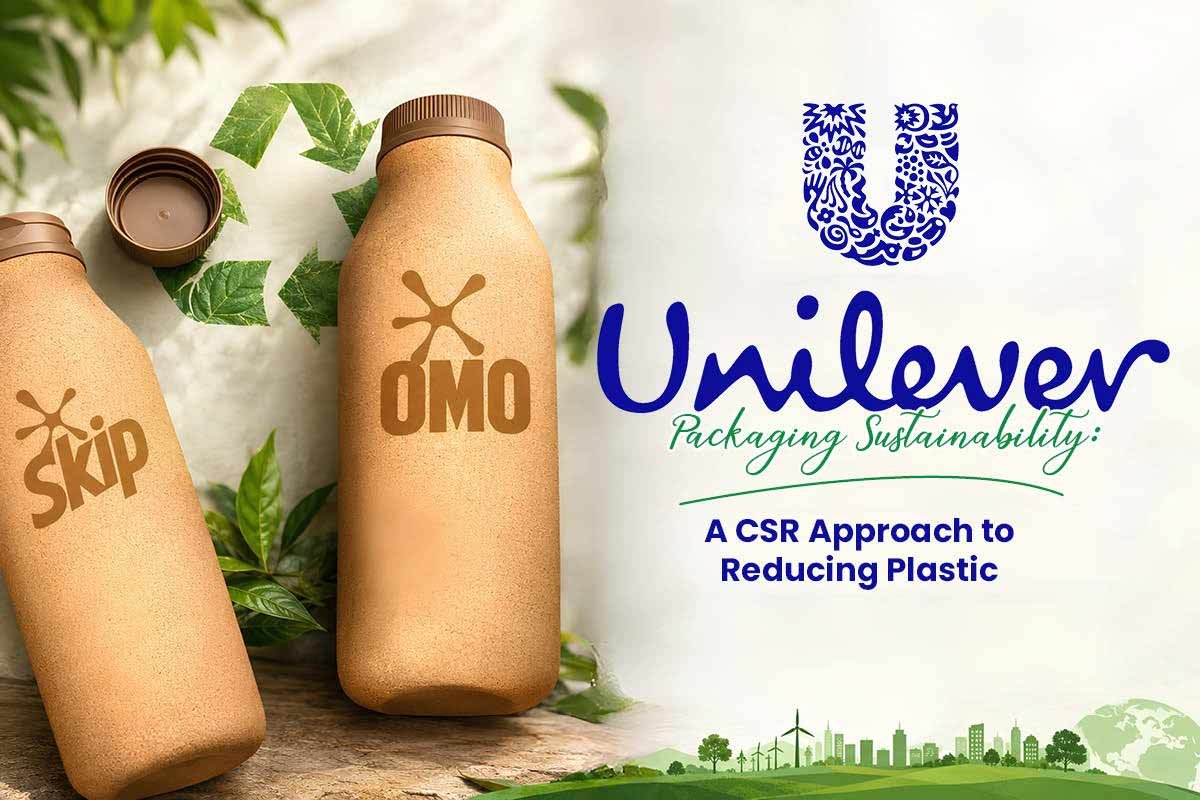
Every bottle, wrapper, and sachet a consumer throws away creates a responsibility for the company that produced it. For a global consumer-goods company like Unilever, packaging waste is therefore a major corporate social responsibility (CSR) concern. Unilever packaging sustainability reflects efforts to reduce material use, increase recycled content, expand reuse and refill models, support waste collection, and research better packaging solutions.
These actions connect environmental responsibility with product design, consumer choices, and waste management. This article examines Unilever’s measurable progress alongside concerns raised by environmental groups. In 2025, Unilever reported a 29% reduction in its virgin plastic footprint against its 2019 baseline.
Unilever’s Plastic Responsibility: The Core CSR Framework
Unilever packaging sustainability can be viewed through three simple CSR priorities: less plastic, better plastic, and no plastic.
- Less plastic: Lightweight bottles, smaller sachets, and redesigned packaging components help reduce the amount of material used for everyday products.
- Better plastic: Post-consumer recycled plastic, known as PCR, gives previously used plastic a place in new packaging. In 2025, the company reported that 25% of its plastic packaging contained recycled plastic.
- No plastic: Where practical, alternatives such as paper, metal, and glass can replace plastic packaging.
These actions address the environmental impact linked to packaging production and disposal. The company also reported that 57% of its plastic packaging was reusable, recyclable, or compostable in 2025.
Recycled Plastic: Turning Packaging Waste into a Resource
Why PCR matters: Post-consumer recycled plastic, or PCR, gives used packaging a purpose while reducing demand for virgin resin. For a consumer-goods business, this makes recycled content a CSR commitment.
How it works: Used plastic is collected, sorted, cleaned, and processed into resin for packaging applications.
The challenge: PCR quality can vary, supplies may be limited, and recycled resin can cost more than virgin plastic. Supplier partnerships and R&D testing are essential. Teams assess materials for safety, appearance, and performance before use.
Hellmann’s example: Improved processing enabled 50% to 100% PCR in bottles and jars across markets, removing about 17,000 tonnes of virgin plastic.
This approach shows that responsible packaging requires investment in recycling systems and supplier relationships, alongside changes.
Packaging R&D: Less Environmental Impact
Unilever employs packaging specialists and scientists who evaluate material selection, product protection, appearance and cost. Research focuses on paper-based barrier materials that could replace plastic in applications where flexibility and moisture resistance matter. The company has tested thousands of emerging materials and technologies, using digital prototyping and life-cycle assessments to compare environmental performance.
CSR in packaging demands careful product testing. A replacement material must protect the product, meet safety requirements, and function within existing manufacturing systems. Unilever packaging sustainability connects this R&D work with the company’s wider environmental responsibility, ensuring that innovation delivers real reductions in waste without compromising product quality or consumer trust.
Refill and Reuse: Moving Beyond Single-Use Packaging
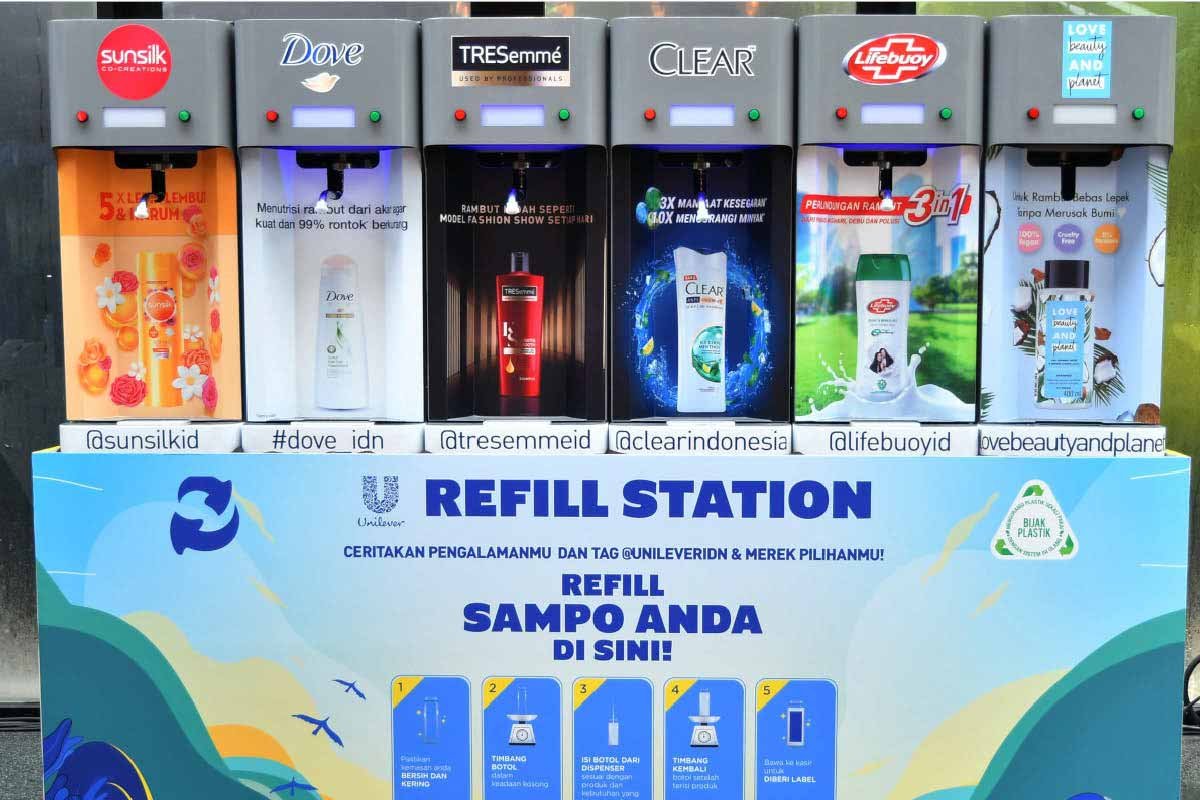
Since 2018, Unilever has conducted more than 50 pilots to test refill and reuse models that can reduce the need for new packaging.
- Indonesia: Local stores and waste banks host stations that serve an estimated 6,000 customers across about 1,000 locations, saving roughly six tonnes of plastic annually.
- Sri Lanka: To improve accessibility, machines were redesigned around consumer affordability and flexible purchase quantities.
- Bangladesh: The company introduced simpler countertop machines after earlier models proved difficult to maintain.
These trials highlight the social side of CSR. Affordability, convenience, and consumer access matter when companies introduce lower-waste shopping models. Success depends on designs that fit local retail environments and match what shoppers can afford. Unilever packaging sustainability reflects this commitment to practical, people-centred solutions.
HUL India: EPR, Recycling & Packaging Innovation
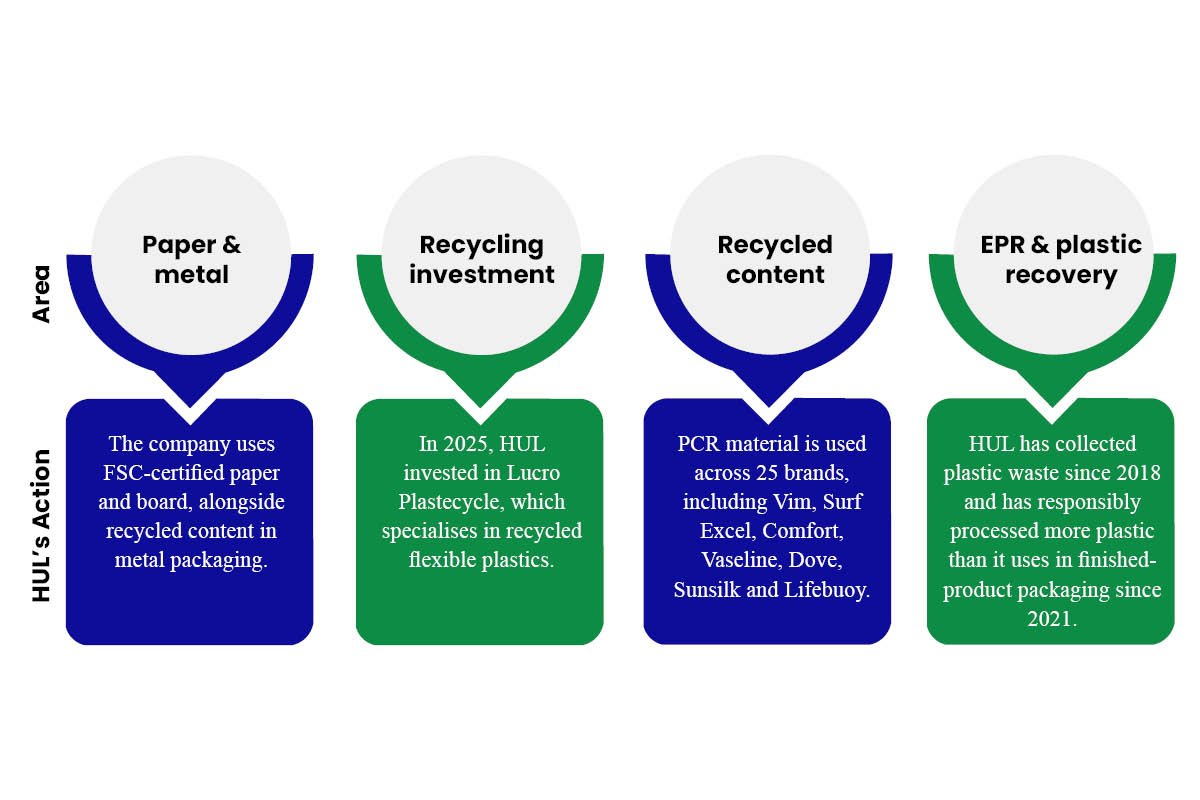
In India, HUL’s packaging efforts show how Unilever packaging sustainability can support practical waste recovery and material innovation.
| Area | HUL’s Action |
| EPR & plastic recovery | HUL has collected plastic waste since 2018 and has responsibly processed more plastic than it uses in finished-product packaging since 2021. |
| Recycled content | PCR material is used across 25 brands, including Vim, Surf Excel, Comfort, Vaseline, Dove, Sunsilk and Lifebuoy. |
| Recycling investment | In 2025, HUL invested in Lucro Plastecycle, which specialises in recycled flexible plastics. |
| Paper & metal | The company uses FSC-certified paper and board, alongside recycled content in metal packaging. |
This case shows how packaging responsibility involves manufacturers, recyclers, waste-management systems and consumers working within India’s EPR framework.
Measuring Impact: What the Numbers Tell Us
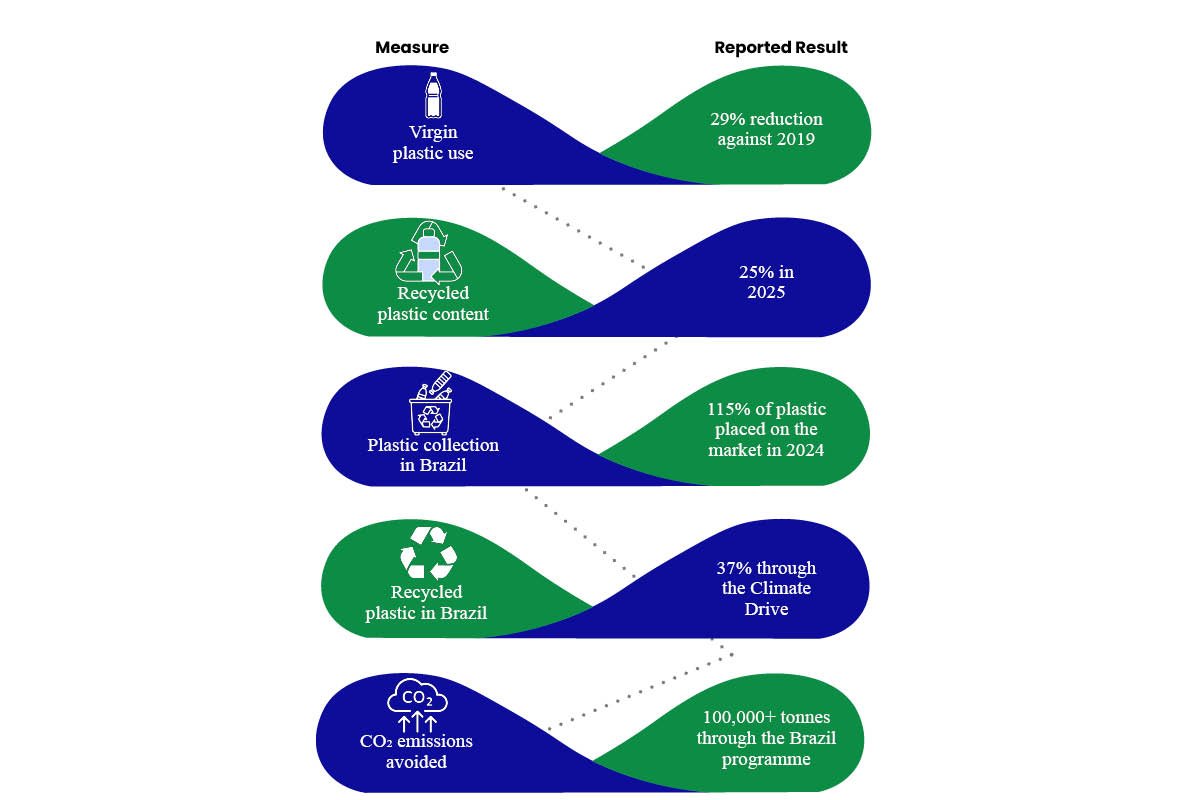
Packaging initiatives can be assessed through clear figures that show progress in material use, recycling, and emissions reduction.
| Measure | Reported Result |
| Virgin plastic use | 29% reduction against 2019 |
| Recycled plastic content | 25% in 2025 |
| Plastic collection in Brazil | 115% of plastic placed on the market in 2024 |
| Recycled plastic in Brazil | 37% through the Climate Drive |
| CO₂ emissions avoided | 100,000+ tonnes through the Brazil programme |
The takeaway: These figures show how Unilever packaging sustainability can translate CSR commitments into measurable environmental results.
Looking Beyond the Claims
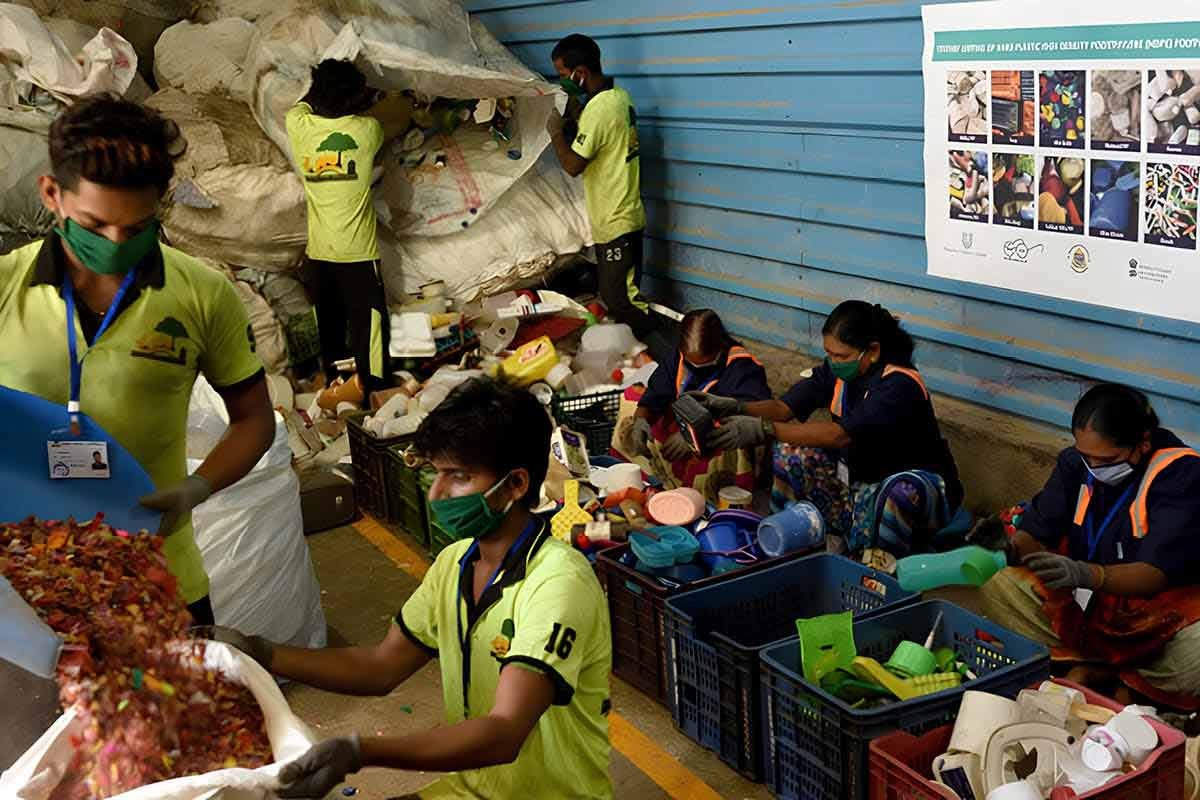
Packaging targets can show progress, but their wider environmental impact also deserves careful examination.
Greenpeace’s concern: Greenpeace has argued that cutting virgin plastic use does not automatically reduce total plastic consumption. Its assessments also question whether paper sachets and recycled plastic offer enough progress without greater investment in reuse and refill systems.
What deserves scrutiny: These points represent Greenpeace’s assessments, not facts. Clear reporting should show measurable targets and actual changes in single-use packaging. For Unilever packaging sustainability, this means judging corporate claims against real-world outcomes, with detail for readers to assess progress fairly.
Clear evidence on actual packaging reduction can help readers judge whether reported progress delivers meaningful change.
Final Perspective
Unilever’s plastic packaging initiatives show how CSR can shape practical decisions across product design, materials, recycling, and consumer use. Its progress reflects meaningful efforts to reduce environmental impact, while external criticism highlights the need for greater transparency and stronger evidence of real-world results. Continued attention to reusable systems, waste recovery, and measurable outcomes will be important for ensuring that packaging commitments create lasting environmental value