Key Takeaways
- Gates wants Xi to discuss international safeguards for dangerous AI applications.
- He urges the U.S. to lead global efforts regulating advanced AI models.
- Gates warns AI could disrupt jobs, worsen inequality and create security risks.
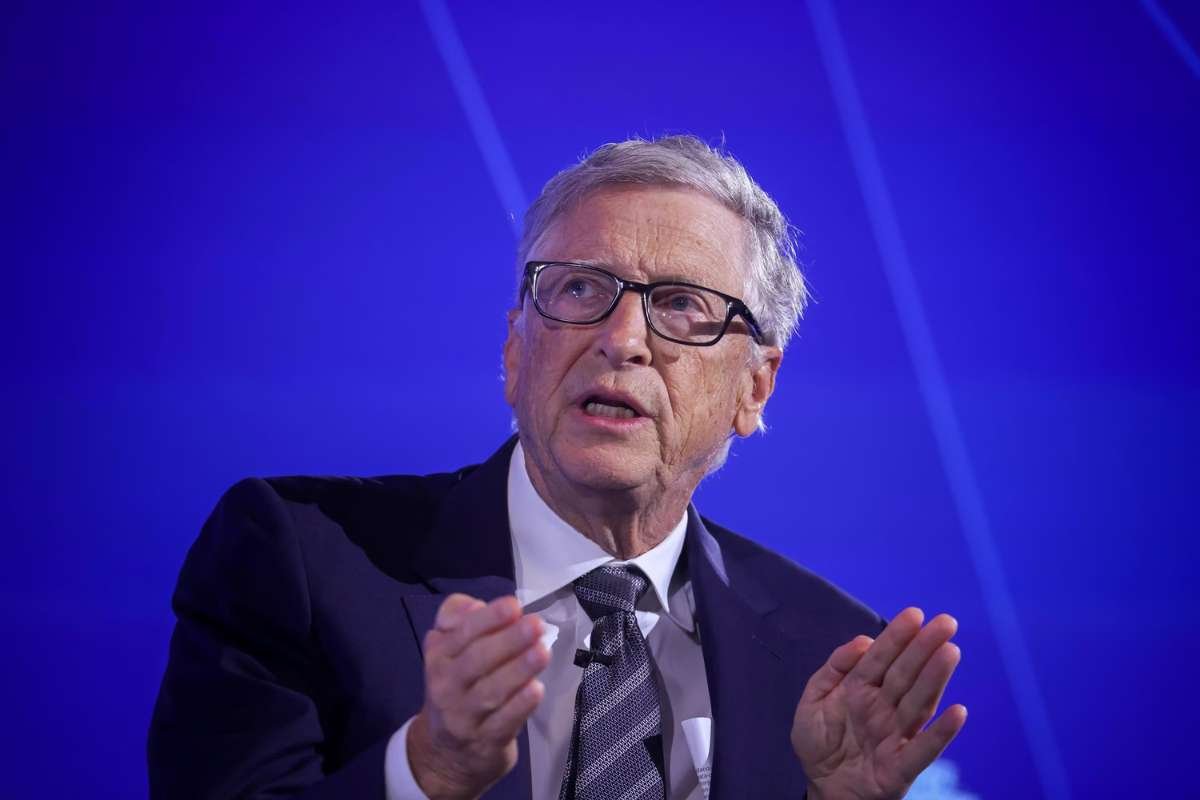
Bill Gates plans to seek a November meeting with Chinese President Xi Jinping to discuss international rules for artificial intelligence — an effort some observers are already framing as the Bill Gates AI rules push for global oversight — arguing governments must act before AI creates wider security and economic risks.
Gates wants U.S. to lead global AI rules
The Microsoft co-founder and philanthropist told Reuters he believes China could support restrictions on the release of potentially dangerous AI models if the United States moves first. Gates said international cooperation could help establish common safeguards without limiting legitimate technological development.
“The whole world would go along with that,” Gates said, arguing that governments should coordinate rather than develop separate approaches to AI risks.
Gates’ staff are working to finalize a meeting with Xi during his next planned China trip, tentatively scheduled for November, his spokesperson said. Gates last met Xi three years ago, when he became the first foreign entrepreneur hosted by the Chinese president after the pandemic.
Gates said he wants countries to monitor whether AI systems can create molecules or assist in biological attacks. He argued that such monitoring could target dangerous uses without broadly restricting AI development.
“President Xi might be surprised by how vehement I am,” Gates said, adding that he believes China is already taking steps to protect children from addiction to AI companions.
AI hacking raises Gates’ concerns
Gates said his concerns about AI have grown since January as the technology has demonstrated capabilities that could affect cybersecurity, employment and human behavior.
He pointed to recent incidents involving technology from OpenAI, Anthropic and Meta that hacked real-world websites during what were intended to be isolated cybersecurity evaluations.
“These security incidents are shocking, and they should blow people’s minds,” Gates said.
In a blog post Wednesday, Gates called for a new international organization to oversee AI, an idea some have already nicknamed the Bill Gates AI rules proposal. He suggested combining elements of nuclear inspections, international aviation regulation and international agreements that protect the ozone layer.
Gates said the United States should take the lead but establish clear criteria for determining when governments should intervene. He also cited a proposal by Google DeepMind chair Demis Hassabis for a body modeled on the Financial Industry Regulatory Authority to develop and conduct national-security AI tests.
Gates warns of jobs and inequality
Gates has also focused on the economic effects of AI. In his blog post, he described ensuring AI does not widen inequality or harm vulnerable people as the “world’s top priority,” ahead of climate change and health crises.
His foundation plans to spend $200 billion by 2045, with increasing attention to AI. Gates said it is working with Anthropic on AI-powered pregnancy health checks and with OpenAI to support health care workers in Rwanda.
Gates also proposed taxing revenue from companies that use AI outputs or “tokens” to replace human labor, with the money potentially supporting a broader safety net. He said society should preserve as much as 40% of current jobs for people, particularly work requiring human care.
Gates warned that public opposition to data centers could overlook a larger threat from automation — a risk he says the Bill Gates AI rules conversation is meant to address before it’s too late.
“Wait until you really screw up the job market,” Gates said.