The days of packed gyms and strict schedules are long gone. Nowadays, millions of people use fitness apps to work out whenever and wherever they choose. These applications combine remote learning, wearable technology such as Fitbit or Apple Watch, and AI coaching. From quick yoga sessions to home runs, they fit into hectic lives.
However, there are hundreds of options, making it difficult to choose the best fitness app. Which one is best for beginners? What about sophisticated users pursuing PRs? Top categories like strength, cardio, and mindfulness have been tested in international markets. Get our tried-and-true selections to get off to a great start right now.
How We Chose the Best Fitness App?
Finding the Best Fitness App is a big deal for your health. To help you choose, we did the hard work for you. We looked at many apps just like expert reviewers do. Here is our simple guide on how we tested each one.
Here is how we picked our winners:
Our Testing Methodology:
- Easy to Use: We checked how fast you can start a workout. We love apps that feel simple and fun from day one.
- Smart Coaching: We looked for AI that learns about you. The best fitness app should change as you get stronger.
- Lots of Moves: We tested apps with yoga, lifting, and cardio. Having many choices keeps you from getting bored.
- For Everyone: We made sure the apps work for true beginners and pro athletes alike.
- Works with Gear: We checked if the apps talk to your watch or heart monitor.
- Fair Prices: We looked for clear costs. No one likes hidden fees or tricky billing.
- Real Science: We chose apps built by experts. These moves are safe, and they really work.
- Group Fun: We looked for ways to cheer on friends. Working out is better when you have a team.
- Everywhere You Are: We made sure these apps work on your phone, tablet, and the web.
Why Fitness Apps are Dominating Global Wellness?
Fitness apps rule the wellness world today. More people skip gyms for apps that fit their lives. This hybrid era blends home workouts with gym visits. You train on your terms, couch to treadmill. Remote coaching explodes in popularity. Top coaches guide you via video, no travel needed. Apps connect you to experts worldwide. It’s like having a trainer in your pocket. Data-driven workouts make training smart. Apps track your heart rate, steps, and reps. They spot weak spots and push your gains. Wearables like Fitbit feed real-time info for better results. AI personalization is the game-changer. The best fitness app learns your goals, fitness level, and schedule. It crafts custom plans.
Need quick HIIT? Done. Crave yoga flow? Ready. It evolves as you do. Busy lifestyles demand flexibility. Parents, pros, students, all juggle chaos. Apps offer short bursts or full sessions anytime. No contracts. Pause when life hits. Structured programs keep you hooked. Apps build habits with progress trackers and streaks. They fight boredom with fresh challenges. Community chats add fun and support.
Global stats show the boom. Over 500 million downloads last year. Users report 30% better consistency than gyms. Retention soars with gamified rewards. In short, the best workout apps deliver results without hassle. They top charts for a reason. Pick the best workout apps, and transform your routine today.
Here Are the Top 15 Best Fitness App You Must Try:
These are the top 15 best workout apps in 2026, chosen for real‑world use, smart coaching, and global accessibility.
| Rank | Name | Price (approx.) | Best for | Available on |
| 1 | Nike Training Club | Free (with optional premium content) | Free global all‑rounder with strength, yoga, and HIIT | Android, iOS |
| 2 | Fitbod | Subscription (free trial available) | AI‑driven strength‑training plans for gym lifters | Android, iOS |
| 3 | Apple Fitness+ | Subscription (bundled with Apple services) | Studio‑style workouts for Apple ecosystem users | iOS, Apple TV, web (via Apple ID) |
| 4 | MyFitnessPal | Free + premium subscription | Combined nutrition and fitness tracking for lifestyle change | Android, iOS, web |
| 5 | Centr | Subscription (often with a trial) | Holistic fitness, nutrition, and mindset programs | Android, iOS, Apple TV |
| 6 | Strava | Free + premium subscription | Runners, cyclists, and outdoor sports enthusiasts with social features | Android, iOS, web |
| 7 | Peloton App | Subscription | Instructor‑led classes without needing a Peloton bike or treadmill | Android, iOS, web, Apple TV |
| 8 | Hevy | Free tier + premium features | Gym strength‑training tracking and logging | Android, iOS |
| 9 | PUSH Workout & Gym Tracker | Subscription with free trial options | Science‑based strength and power training with data‑driven programming | Android, iOS |
| 10 | Freeletics | Subscription (6–12 week plans) | AI‑guided bodyweight and minimalist‑equipment home workouts | Android, iOS |
| 11 | Future | Premium‑only subscription | 1:1 human personal‑trainer experience with flexible coaching | Android, iOS |
| 12 | Sweat | Subscription (often with a trial) | Women‑focused structured programs and community support | Android, iOS |
| 13 | Ladder | Subscription (coach‑led plans) | Coach‑led strength‑training programs with daily guided workouts | Android, iOS |
| 14 | Caliber | Free tier + premium options | Free but customizable strength‑training and coaching | Android, iOS |
| 15 | Obé Fitness | Subscription (often with a trial) | Energetic studio‑style live and on‑demand classes at home | Android, iOS, web, Apple TV. |
1. Nike Training Club
- Best for: People who want a free, globally accessible all-rounder app.
- Available on: Android, iOS
- Rating (approx.): 4.7–4.9 globally
Pros:
- Completely free, no paywall for core workouts.
- Huge library of strength, yoga, HIIT, and mobility for all levels.
- Beginner-friendly cues and short-duration options.
Cons:
- Fewer deep progress-tracking tools than premium apps.
- Nutrition and community features are limited.
Nike Training Club is a fully free app that feels like the best fitness app for anyone starting or staying balanced. It offers hundreds of workouts in strength, yoga, HIIT, and mobility, with short options for busy days. The app guides you step‑by‑step, so you feel confident even if you have never worked out before. It is easy to use on Android and iOS, works offline, and fits users all over the world.
2. Fitbod
- Best for: Strength-training lifters who want AI-driven gym plans.
- Available on: Android, iOS
- Rating (approx.): 4.6–4.8
Pros:
- AI adapts workouts to your progress, goals, and available equipment.
- Strong focus on progressive overload and recovery tracking.
- Great for both gym and home setups.
Cons:
- Core features locked behind a subscription.
- Interface can feel data-heavy for casual users.
Fitbod is like a smart coach that builds your gym plan for you. It learns your goals, how sore you are, and what equipment you have, then creates a custom workout every day. The app tracks your progress, suggests when to lift more or rest, and keeps your training safe and effective. It is great for lifters who want structure without guessing what to do next.
3. Apple Fitness+
- Best for: Apple-ecosystem users who like studio-style workouts.
- Available on: iOS, Apple TV, web (via Apple ID)
- Rating (approx.): 4.6+
Pros:
- High-production, instructor-led classes in HIIT, strength, yoga, and more.
- Tight integration with Apple Watch for real-time metrics.
- New workouts added weekly.
Cons:
- Only fully shines if you own Apple devices.
- Priced as a premium subscription with no standalone free tier.
Apple Fitness+ is a polished, studio‑style workout service built for the Apple world. It delivers guided classes in cycling, HIIT, strength, yoga, and more, all synced with your Apple Watch in real time. The guided time and metrics make it easy to push harder or stay steady based on your effort. For iPhone and Apple TV owners, this is a Best Fitness App choice if you want a clean, all‑in‑one experience.
4. MyFitnessPal
- Best for: Users who want a combined nutrition + fitness tracker.
- Available on: Android, iOS, web
- Rating (approx.): 4.5–4.7
Pros:
- Huge food-logging database and calorie-tracking tools.
- Syncs with many wearables and fitness apps.
- Helps build long-term habits and lifestyle change.
Cons:
- Premium features feel paywalled over time.
- UI can feel cluttered compared to newer apps.
MyFitnessPal helps you see the full picture of your health by tracking food and activity together. You log meals from a huge food database and connect steps, runs, or gym sessions from other apps and wearables. Over time, it shows trends in calories, macros, and habits, so you can make smarter choices. It works well for people who want to build long‑term habits, not just short‑term “diets.”
5. Centr
- Best for: Holistic lifestyle users (workouts + nutrition + mindset).
- Available on: Android, iOS, Apple TV
- Rating (approx.): 4.6–4.8
Pros:
- Combines workouts, meal plans, and wellness content in one app.
- Programs for strength, HIIT, boxing, yoga, and more.
- Strong celebrity-brand appeal and structured plans.
Cons:
- Subscription is on the pricier side.
- Nutrition focus may be too structured for flexible eaters.
Centr is the best workout apps if you care about the whole lifestyle, movement, food, and mindset. It offers guided workouts, meal plans, and wellness content from real coaches and trainers. The programs are structured for different goals, like building strength, losing fat, or staying active during pregnancy. Users like that everything lives in one place, and the app feels well‑designed on Android, iOS, and Apple TV.
6. Strava
- Best for: Runners, cyclists, and outdoor-sports enthusiasts.
- Available on: Android, iOS, web
- Rating (approx.): 4.6–4.8
Pros:
- Deep activity tracking for 30+ sport types.
- Powerful social features, challenges, and route discovery.
- Highly motivating, community-driven competition.
Cons:
- Premium features are locked behind a paid tier.
- Less focused on structured -gym or guided workouts.
Strava turns your runs, rides, and walks into tracked journeys you can share and compare. It records distance, pace, elevation, and route, then lets you join segments and challenges with friends. The app shines with its community feel: you cheer others, get feedback, and stay motivated race after race. It is ideal for people who enjoy outdoor sports and social competition.
7. Peloton App
- Best for: Users who love instructor-led classes without buying a Peloton bike.
- Available on: Android, iOS, web, Apple TV
- Rating (approx.): 4.5–4.7
Pros:
- Huge catalog of live and on-demand workouts (strength, yoga, HIIT, etc.).
- Energetic, personality-driven coaching.
- Works without equipment.
Cons:
- Subscription costs can add up if you already pay for other services.
- Feels less “personalized” than AI-driven apps.
The Peloton App gives you access to thousands of live and on‑demand classes without needing a Peloton bike or treadmill. You can follow energetic instructors in strength, yoga, HIIT, meditation, and more from your phone or TV. The real‑time feel, beat‑driven workouts, and frequent new content keep users engaged. It suits people who like guided, “class‑room” energy at home.
8. Heavy
- Best for: Gymgoers who want a simple, powerful lifting tracker.
- Available on: Android, iOS
- Rating (approx.): 4.7–4.8
Pros:
- Very clean UI and no ads on the free plan.
- Detailed 1-rep max and volume graphs for tracking strength gains.
- Unlimited routines and easy sharing with friends.
Cons:
- Primarily a tracker, not a full program-builder.
- Less holistic (nutrition, recovery, etc.).
Hevy is a simple, powerful tool for logging your gym workouts. You tap each set, rep, and weight, and the app creates graphs that show your strength gains over time. It supports custom routines, notes, and sharing with friends, so you can train smarter and stay consistent. It works best for lifters who want clean tracking without a high monthly cost.
9. PUSH Workout & Gym Tracker
- Best for: Science-oriented strength and power athletes.
- Available on: Android, iOS
- Rating (approx.): 4.5–4.7
Pros:
- Builds plans around research-based strength parameters (volume, frequency, intensity).
- Adjusts based on sleep, stress, and recovery data.
- Strong focus on long-term performance, not fads.
Cons:
- Can feel technical for beginners.
- Smaller brand and community than giants like Nike or Peloton.
PUSH is the best fitness app for people who want evidence‑based strength training. It uses real research on volume, frequency, and intensity to build your programs. The app also adjusts for your recovery, sleep, and daily stress, so you can train hard without burning out. It suits serious lifters, athletes, and anyone who values data over “just follow along” style workouts.
10. Freeletics
- Best for: Bodyweight-training fans who want AI-guided home workouts.
- Available on: Android, iOS
- Rating (approx.): 4.4–4.6
Pros:
- Strong AI-coach experience focused on bodyweight, weights, and running.
- Minimal equipment needed; great for home or travel.
- Structured 6–12 week journeys.
Cons:
- Intensity can feel too hard for true beginners.
- Premium subscriptions are required for the core plans.
Freeletics focuses on short, intense bodyweight workouts you can do anywhere. Its AI coach builds 6– to 12‑week journeys suited to your fitness level and goals. The sessions use minimal equipment, which makes them great for home, travel, or small spaces. It is best for users who like fast, challenging workouts and clear structure.
11. Future
- Best for: Users who want a real human coach experience.
- Available on: Android, iOS
- Rating (approx.): 4.6–4.8
Pros:
- 1:1 coaching with a dedicated trainer who adjusts plans weekly.
- Flexible scheduling and adjustments based on your real-life routine.
- Syncs with many wearables and health apps.
Cons:
- Premium-only; one of the most expensive personal-trainer-style apps.
- Limited group-class or community-style content.
Future matches you with a real human coach who plans your workouts and replies to your messages. The coach checks your progress, adapts your plan, and fits it around your schedule. You get guidance on form, rest, and intensity, which feels like a virtual personal trainer. It suits people who want hands‑on coaching but cannot afford in‑person sessions.
12. Sweat
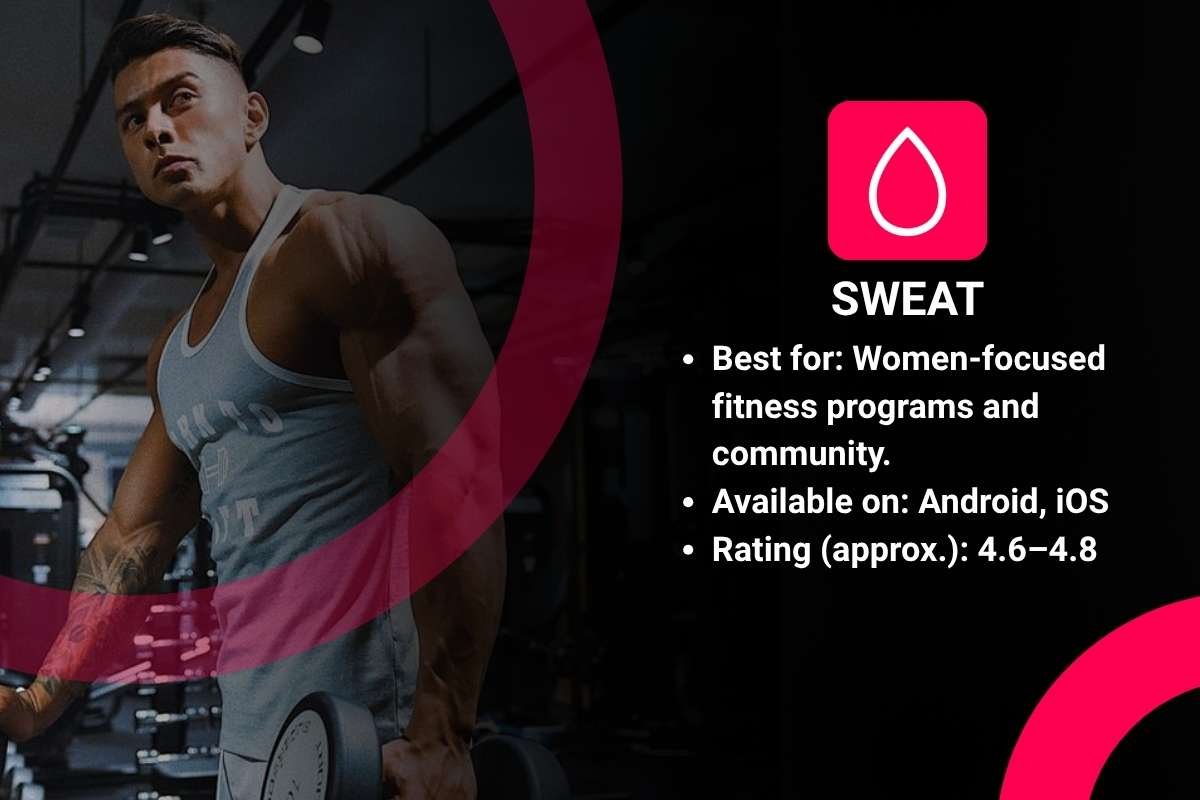
- Best for: Women-focused fitness programs and community.
- Available on: Android, iOS
- Rating (approx.): 4.6–4.8
Pros:
- Large library of structured programs (strength, HIIT, pregnancy-safe, etc.).
- Strong in-app community, challenges, and accountability tools.
- Clear video demos and progress planner.
Cons:
- Primarily marketed toward women; some male users feel less priority.
- Most features require a paid subscription.
Sweat offers structured programs designed with women’s goals in mind, from strength and HIIT to pregnancy‑safe and post‑partum training. The app includes video demos, progress checks, and a supportive community. Users post wins, share tips, and join challenges to stay accountable. It works well for women who want clear, staged plans and like social motivation.
13. Ladder
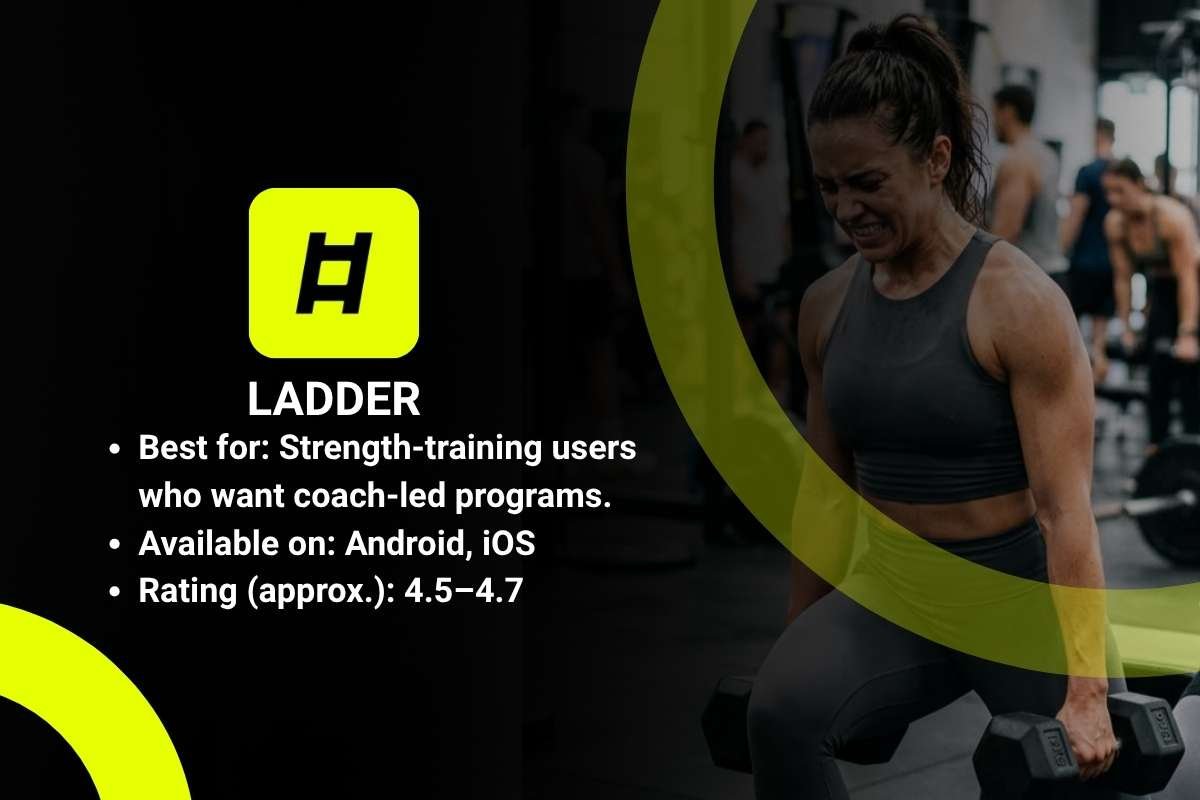
- Best for: Strength-training users who want coach-led programs.
- Available on: Android, iOS
- Rating (approx.): 4.5–4.7
Pros:
- Daily, pre-programmed workouts created by real coaches.
- Strong focus on progressive overload and strength fundamentals.
- Active group chats where coaches interact directly.
Cons:
- Less “freestyle” or custom-programming than tracker-style apps.
- Program selection is smaller than some giants.
Ladder is the best fitness app if you want daily, coach‑created strength programs. Each day, you get a simple workout with clear instructions, and many plans slowly increase weight and volume over time. The app also includes coach‑led group chats where users ask questions and get feedback. It shines for people who do not want to design their own plans but still want expert guidance.
14. Caliber
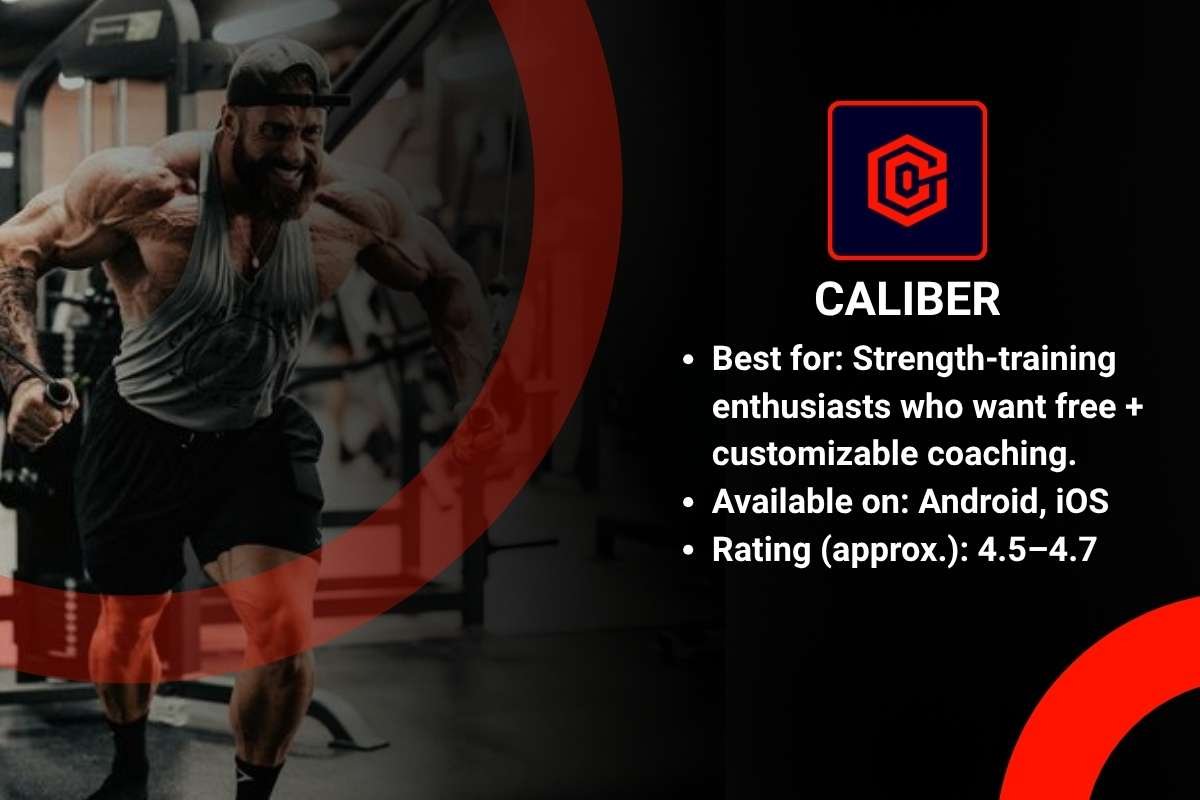
- Best for: Strength-training enthusiasts who want free + customizable coaching.
- Available on: Android, iOS
- Rating (approx.): 4.5–4.7
Pros:
- Offers a robust free tier with unlimited workouts and 600+ exercises.
- Science-based strength + cardio + nutrition approach.
- Free group-training and social features.
Cons:
- Premium tiers stack several paywalls over time.
- UI is functional but less polished than Apple-branded apps.
Caliber is a strong choice if you want serious strength training without a big price tag. The free tier gives you access to science‑based programs, hundreds of exercises, and tracking tools. You can explore different styles of training, from strength to hypertrophy, and still stay in the app long‑term. It is great for budget‑conscious lifters who want depth, not just hype.
15. Obé Fitness
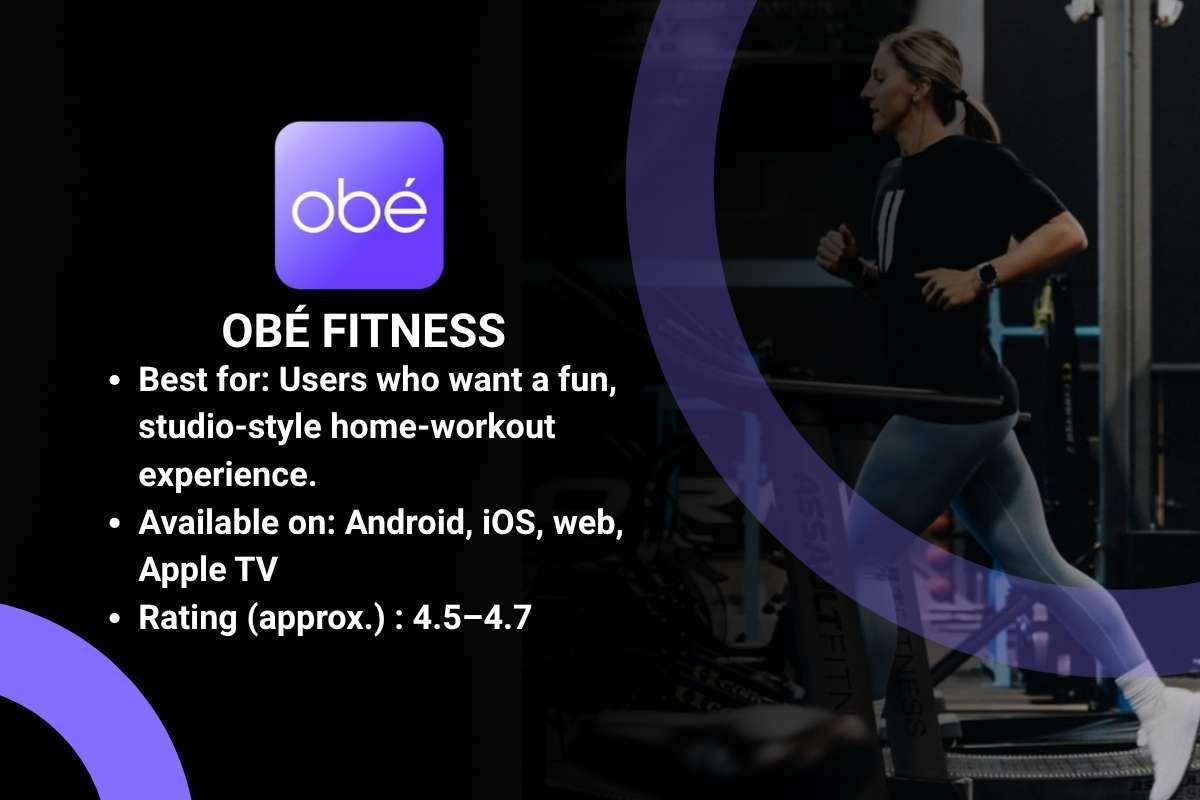
- Best for: Users who want a fun, studio-style home-workout experience.
- Available on: Android, iOS, web, Apple TV
- Rating (approx.):): 4.5–4.7
Pros:
- Thousands of live and on-demand classes (HIIT, dance cardio, strength, sculpt, etc.).
- Energetic instructors and “class-feels” at home.
- Offers short-format “Express” options for busy days.
Cons:
- Class variety is more entertainment-oriented than hardcore strength-science.
- Subscription overlaps with other big platforms (Peloton, Apple Fitness+).
Obé Fitness is the best fitness app for users who miss the energy of a studio class. It streams hundreds of live and on‑demand workouts in dance cardio, sculpt, yoga, and HIIT, all led by enthusiastic instructors. The app offers short “Express” classes for busy days and full‑length sessions for deeper sweat. It suits people who enjoy fun, music‑driven workouts in a bright, welcoming environment.
Best Workout Apps by Goals:
| Goal | Best Fitness App | Why It Fits |
| Weight Loss | Nike Training Club | Free, beginner‑friendly workouts in HIIT, strength, and yoga that help create a calorie burn without needing a gym. |
| Muscle Gain | Fitbod | AI‑driven strength plans that adjust sets, reps, and weights to support progressive overload for muscle growth. |
| Running | Strava | Excellent GPS tracking, route maps, and social motivation for runners and outdoor sports lovers. |
| Home Workouts | Freeletics | Bodyweight‑focused, minimal‑equipment programs that fit in tight spaces and tight schedules. |
| Beginners | Apple Fitness+ | Step‑by‑step guided classes, clear cues, and tight Apple Watch integration make it a safe starting point for new exercisers. |
| Busy Professionals | Hevy | Simple strength tracking you can use in 20–30 minutes, with flexible workouts that fit before or after work. |
| Holistic Wellness | Centr | Combines workouts, nutrition guidance, and mindset content for people who want a full‑lifestyle approach. |
Emerging Trends in Fitness Apps:
Best workout apps are moving fast, and the new leaders look less like simple trackers and more like smart training partners. The Best Fitness App today uses technology to guide, adapt, and support you in real time, not just count your steps.
1. AI Personal Trainers
More apps now use AI to act like a virtual coach. Instead of a one-size-fits-all plan, the app learns your pace, goals, and how you recover. It tweaks your workouts week after week so you do not hit plateaus or burn out too quickly. This is why many top apps now feel more like the best workout Apps for long-term progress.
2. Chat-Style Coaching
Some apps now offer chat-style coaching where you can ask questions, report how you feel, or check technique. The system replies with simple cues, form tips, or motivation. This makes training feel more personal and less like an automated routine.
3. Adaptive Workouts
Instead of the same plan for 30 days, leading apps use adaptive workouts. They change your sets, reps, or intensity based on your performance, energy, and feedback. If you feel strong, the app pushes you a bit harder; if you feel tired, it backs off and helps you recover.
4. Wearable Ecosystem Integration
Fitness apps now plug into your Apple Watch, Garmin, Fitbit, or other wearables. They sync heart rate, steps, calories, and even heart-rate variability (HRV). This lets the app adjust your training load and suggest when to rest, making it feel like a true best workout apps that “knows” your body.
5. Data-Driven Recovery & Sleep Tracking
Top apps do not just track your workouts. They track your recovery and sleep, too. They use data like sleep quality, resting heart rate, and daily stress to decide whether you should push hard or take it easy. This data-driven approach helps you train smarter, stay consistent, and avoid overtraining.
Common Mistakes When Choosing a Fitness App:
Picking the wrong app can waste time, money, and motivation. Many people think the most popular option is automatically the best fitness app. But that is not always true for their real‑life needs.
1. Choosing based on popularity only
Just because an app is trending or has a famous brand does not mean it fits your goals or schedule. A viral app might focus on dance classes, but you may need strength training or rehab. Always match the app to your goal, not the hype.
2. Ignoring training style compatibility
Some apps push intense HIIT every day, while others focus on slow, mindful movement. If your style is relaxed or you have joint pain, a high-intensity-only app can feel stressful and unsustainable. The Best Fitness App matches how you like to move, not how someone else trains.
3. Overpaying for unused features
Premium plans often bundle extras like meal plans, advanced analytics, or extra classes. If you only use basic workouts, you are paying for tools you never touch. Look for a plan that covers what you actually need, not every shiny add-on.
4. Not checking device ecosystem compatibility.
An app may look great on your phone, but what if it does not sync with your Apple Watch, Garmin, or Android Wear device? If key features like heart-rate tracking or automatic logging are missing, the experience falls short. Always check that the app works smoothly with your phone, watch, and any other tools you use.
How to Choose the Best Fitness App for You?
Picking the best fitness app is less about which one is most popular and more about which one fits your real life. Use this simple checklist to narrow your choice quickly.
1. Your fitness goal
Ask: Are you training for weight loss, muscle gain, endurance, mobility, or general health?
An app that excels at HIIT for weight loss may not be the best choice if your main goal is strength or rehab. Match the app’s core focus to your primary goal.
2. Training environment
Where will you mostly train, at home, in the gym, outdoors, or a mix?
If you rely on gym equipment, look for apps that build smart strength plans around machines and free weights. If you are mostly at home with little gear, choose bodyweight-friendly programs or minimal-equipment options.
3. Budget
Decide how much you are willing to spend per month (or if you prefer a free app).
Many apps offer free tiers with basic workouts and paid upgrades for advanced features. Start with a budget that feels comfortable, then upgrade only if you actually use the extra tools.
4. Coaching preference
Do you want a human coach, an AI coach, or mostly self-guided training?
If you like feedback and structure, choose an app with 1:1 or chat-style coaching. If you enjoy freedom and data, an AI or tracking-focused app might be the best workout apps for you.
5. Motivation style
Are you driven by challenges and friends, by solo progress charts, or by fun, energetic classes?
Some users thrive on social features and competitions; others prefer quiet, progress-based tracking. The right app should match how you naturally stay motivated, not force you into a style that feels fake.
Best Fitness App for Different Users Worldwide:
Choosing the right fitness app depends on your lifestyle and starting point. Here’s how different global users can pick the most suitable option.
1. Travelers
Look for lightweight apps that work without strong Wi-Fi and do not require heavy equipment. Focus on bodyweight or hotel-room workouts, offline mode, and easy progress sync. Apps that adjust to short time blocks (10–20 minutes) are ideal for people always on the move.
2. Remote workers
Remote workers need flexibility between video calls and tight schedules. The best pick is a Best Fitness App that offers short, effective workouts you can slot in before or after meetings. Look for apps that let you log in quickly, track effort, and remind you to stand or stretch between sessions.
3. Beginners
New exercisers should choose an app with clear cues, low-intensity options, and structure. Simple onboarding, guided programs, and low-pressure progress tracking help avoid burnout. The Best Fitness App for beginners feels encouraging, not intimidating.
4. Athletes
Serious athletes need science-based programming, data tracking, and recovery tools. Look for apps that use adaptive workouts, track performance trends, and adjust load based on your effort. The right app should feel like a coach that helps you avoid plateaus and stay race-ready.
5. Seniors
Older adults benefit most from low-impact, balance-focused, and mobility-driven apps. Choose one that offers gentle yoga, strength with light resistance, and clear form guidance. The best workout apps for seniors should prioritize safety, joint comfort, and steady progress over intensity.
6. Home workout users
If you train at home, focus on apps that design workouts for small spaces and minimal gear. Look for strong video demos, equipment options (or no-equipment modes), and weekly plans that keep you from repeating the same moves. The best choice is a Best Fitness App that turns your living room into a safe, structured gym.
Conclusion:
Fitness apps have revolutionized the way people maintain an active lifestyle, but the true benefit is that the best fitness app should fit your life, not the other way around. With so many options, it’s helpful to keep in mind consistency. Rather than flawless features. This is what leads to progress. Whether you are a novice, a busy professional, or an experienced athlete, the apps that you actually use every week are the ones that perform the best.
Exercise becomes a habit rather than a chore when your goal, schedule, and style are matched with the appropriate app. Use this guide to find the best workout apps that feels unique, adaptable, and enjoyable while avoiding hype and hidden costs. Start modestly, maintain consistency, and let the app help you rather than cause you anxiety. In the long run, this is how fitness apps truly succeed.
FAQ:
1. What is the best fitness app overall?
The best fitness app depends on your personal goal, fitness level, and preferred workout style. Apps like Nike Training Club offer free structured workouts, while platforms such as Fitbod or Apple Fitness+ provide personalized training experiences supported by data and coaching.
2. Which fitness app is best for beginners?
Beginners should look for apps that offer guided workouts, clear instructions, and gradual progressions. Apps with beginner programs, video demonstrations, and daily reminders help users build confidence without feeling overwhelmed.
3. Are free fitness apps good enough?
Many free fitness apps provide excellent workouts and tracking tools. Paid versions typically unlock advanced analytics, personalized coaching, nutrition plans, and deeper customization, but beginners can still achieve results using free options.