The global pharmaceutical industry is now valued at over $1.5 trillion, and the race to become the largest pharmaceutical company has intensified like never before. In 2025–2026, market capitalization reflects more than revenue; it signals pipeline strength, innovation speed, and investor confidence.
Eli Lilly’s surge beyond $900 billion has been powered by next-generation diabetes and obesity treatments. Novo Nordisk’s GLP-1 portfolio has reshaped metabolic care worldwide. Roche and AstraZeneca dominate oncology with blockbuster immunotherapies generating billions annually. Meanwhile, Johnson & Johnson leverages diversification across pharmaceuticals and medical technology to maintain long-term stability.
In today’s market, the biggest pharmaceutical company is defined not just by scale, but by scientific breakthroughs, R&D intensity, and the ability to deliver transformative therapies at a global scale.
Top 10 Largest Pharmaceutical Companies by Market Cap (Least to Most):
The global pharmaceutical industry is now worth $1.5 trillion, with competition fiercer than ever. Eli Lilly, Johnson & Johnson, Roche, and others lead through innovation and breakthrough therapies. Market cap reflects not just size, but pipeline strength and R&D investment. These companies are shaping the future of medicine worldwide.
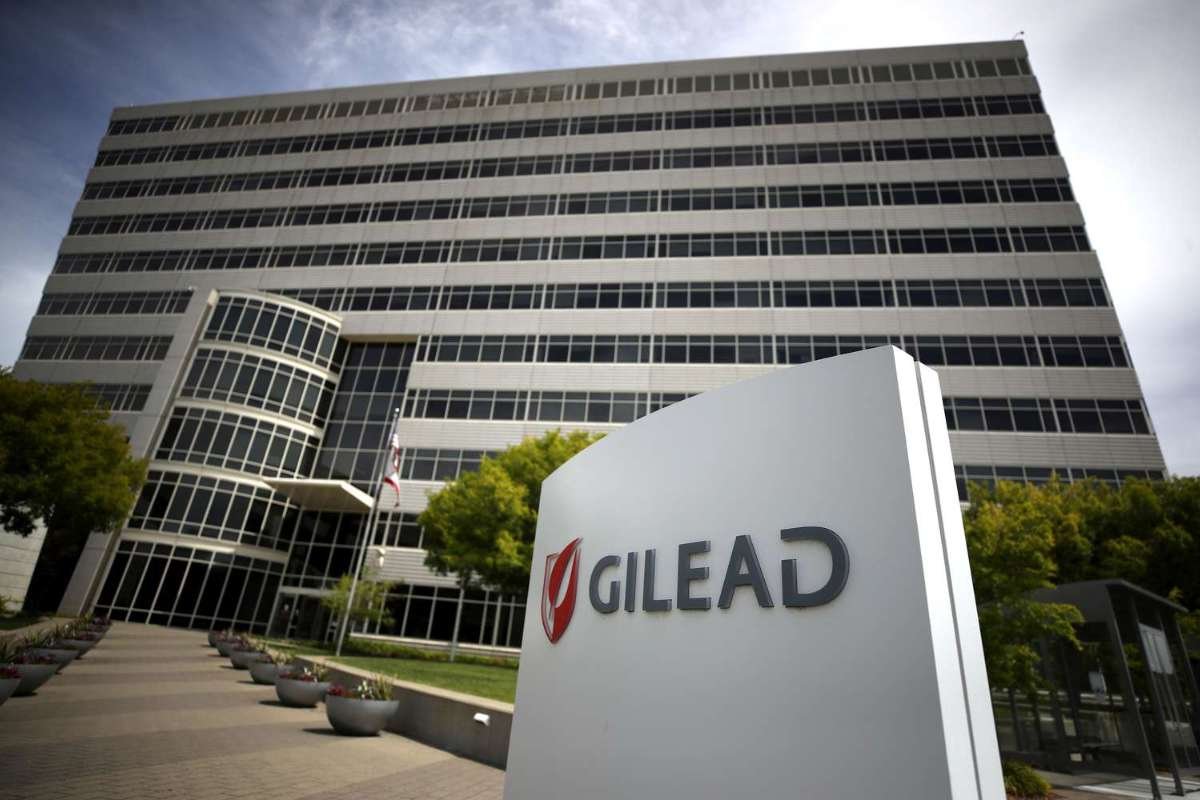
1. Gilead Sciences, Inc.
| Founded | 1987 |
| Founder | Michael L. Riordan |
| Headquarters | Foster City, California, USA |
| Approx. Market Cap | $193.34 B |
| Industry | Pharmaceuticals / Biotechnology |
Gilead generates the majority of its revenue from HIV treatments, where it remains a global market leader with combination therapies widely adopted across North America and Europe. The company transformed hepatitis C care with curative antiviral drugs that reshaped treatment protocols worldwide. In recent years, it has expanded aggressively into oncology through acquisitions and pipeline development. Its strategy centers on high-margin specialty medicines rather than mass-market products.
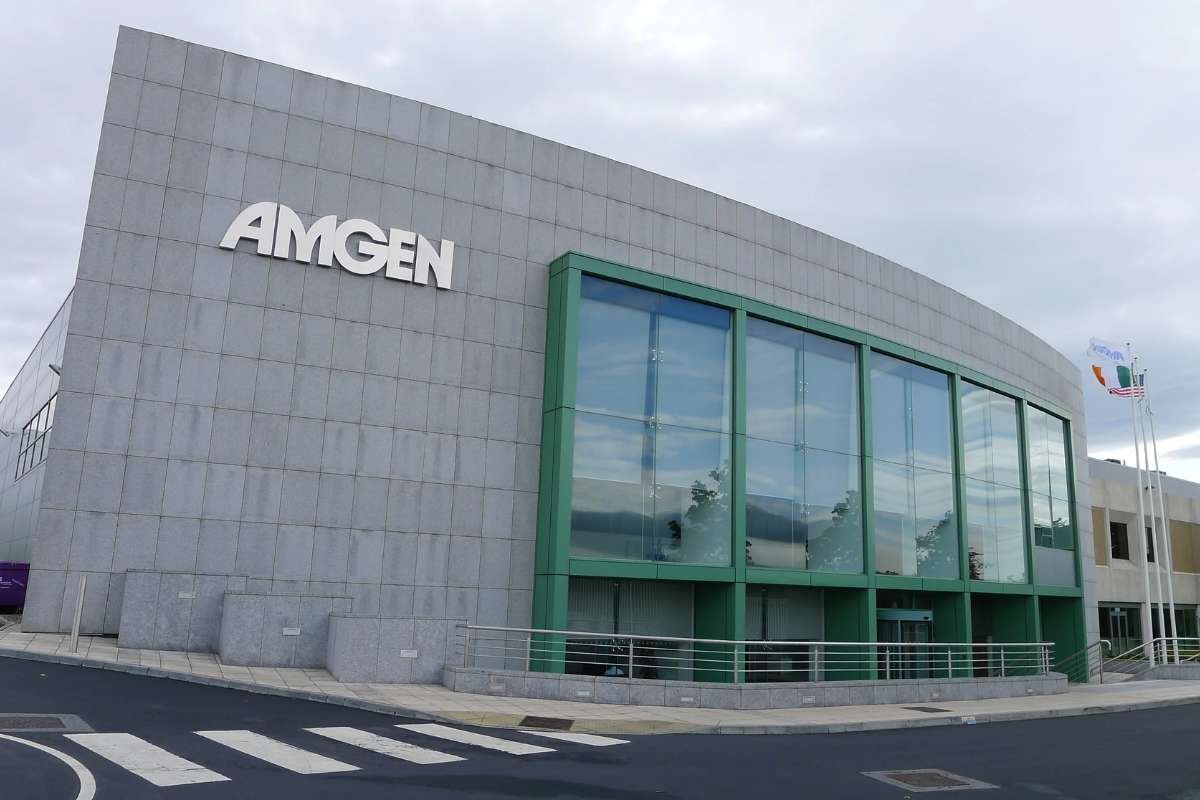
2. Amgen
| Founded | 1980 |
| Founder | George B. Rathmann |
| Headquarters | Thousand Oaks, California, USA |
| Market Capitalization | $197.58 B |
| Industry | Pharmaceuticals / Biotechnology |
When discussing the largest pharmaceutical company by market cap, Amgen is often highlighted for being one of the first biotech firms to commercialize recombinant DNA-based therapies. Its portfolio includes biologic medicines that treat cancer, inflammatory diseases, osteoporosis, and cardiovascular conditions. The company consistently invests billions annually in research, particularly in genetic and protein-based therapeutics. Strategic acquisitions have strengthened its rare disease and biosimilars pipeline. Amgen’s focus on advanced biologics keeps it competitive in high-growth specialty segments.
3. Novo Nordisk A/S
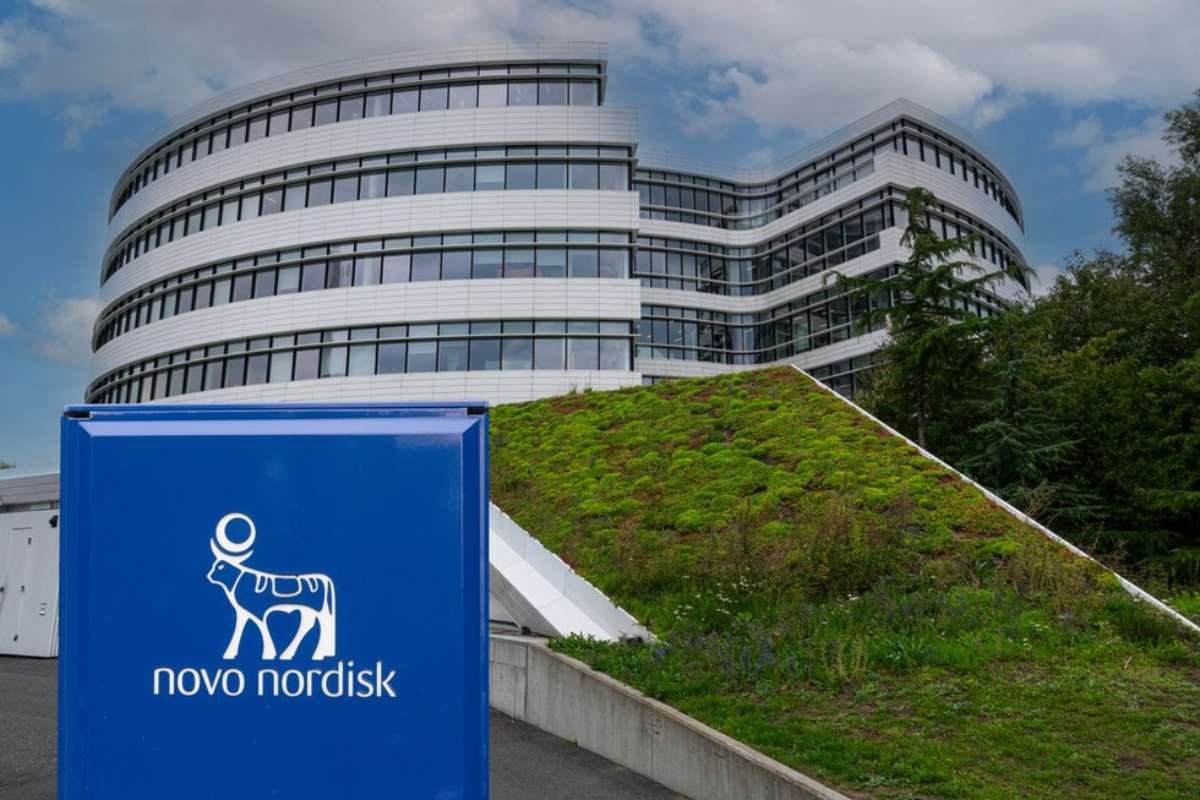
| Founded | 1923 (merged 1989) |
| Founders | August Krogh & Hans Christian Hagedorn (origins) |
| Headquarters | Bagsværd, Denmark |
| Approx. Market Cap | $216.73 B |
| Industry | Pharmaceuticals |
Novo Nordisk dominates the global diabetes care market and has rapidly expanded into obesity management. Demand for GLP-1 receptor agonists has significantly accelerated revenue growth in recent years. The company maintains strong pricing power due to clinical effectiveness and brand recognition. It reinvests heavily in metabolic disease research and next-generation delivery systems. Its focused therapeutic strategy has driven exceptional valuation growth compared to diversified peers.
4. Merck & Co., Inc.
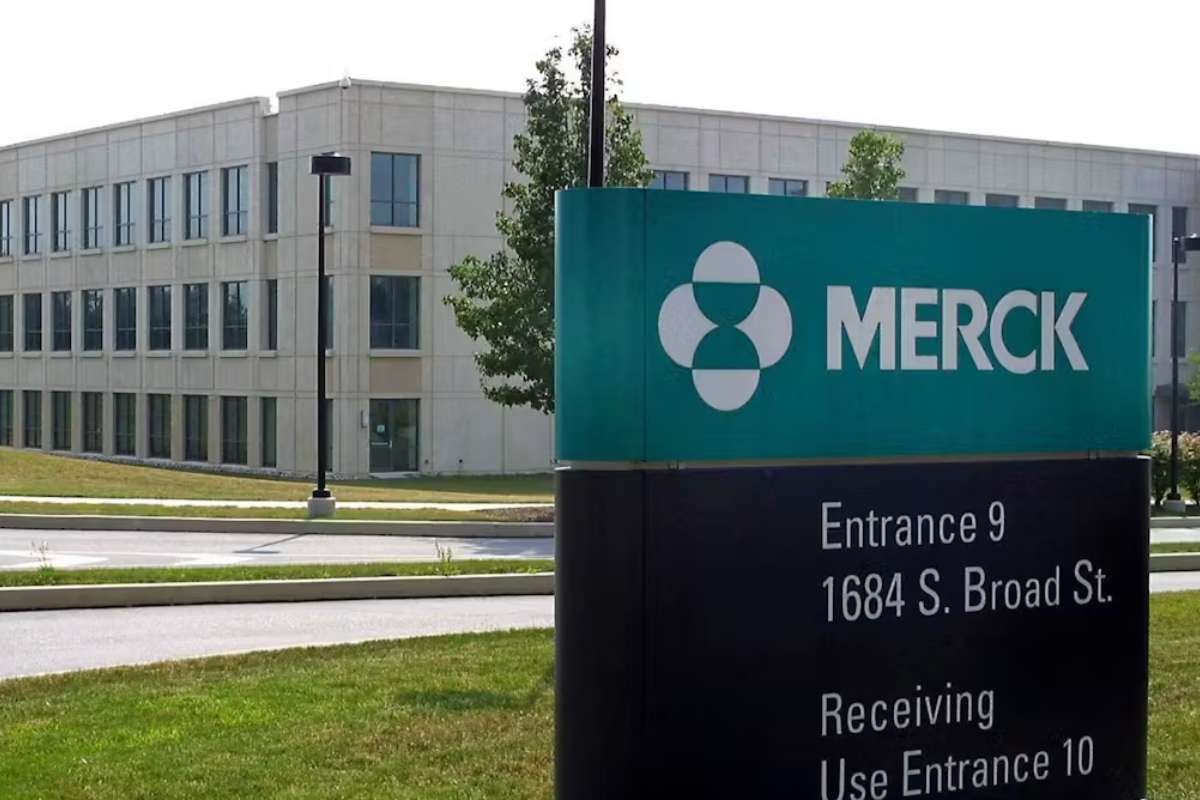
| Founded | 1891 |
| Founder | George Merck (U.S. branch of German Merck’s operations) |
| Headquarters | Kenilworth, New Jersey, USA |
| Approx. Market Cap | $298.01 B |
| Industry | Pharmaceuticals |
Merck’s oncology portfolio, led by its immunotherapy treatments, represents one of the most successful drug franchises in the industry. The company also holds a strong position in vaccines, serving both pediatric and adult populations worldwide. This consistent performance keeps Merck firmly positioned in discussions around the largest pharmaceutical company by market cap. Its animal health division contributes meaningful diversification to overall revenue streams.
5. Novartis AG
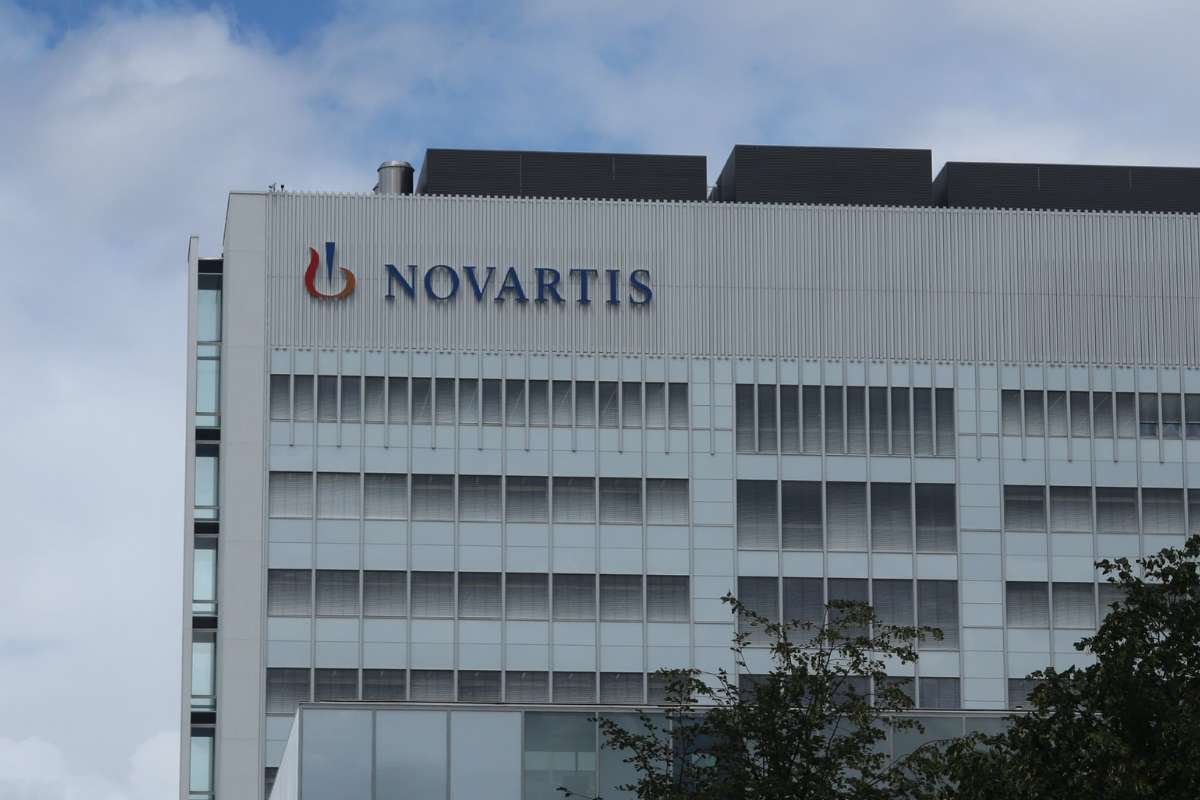
| Founded | 20 Dec 1996 |
| Founders | Merger of Ciba-Geigy & Sandoz |
| Headquarters | Basel, Switzerland |
| Approx. Market Cap | $309.40 B |
| Industry | Pharmaceuticals |
Novartis has strategically streamlined its operations to focus entirely on innovative medicines and high-growth therapeutic areas. The company has delivered strong performance in cardiovascular and immunology treatments. It also invests heavily in advanced therapy platforms, including gene and cell therapies. Its restructuring efforts have improved operating margins and sharpened R&D efficiency. With a strong global distribution footprint, Novartis remains highly competitive in specialty pharmaceuticals.
6. AstraZeneca plc
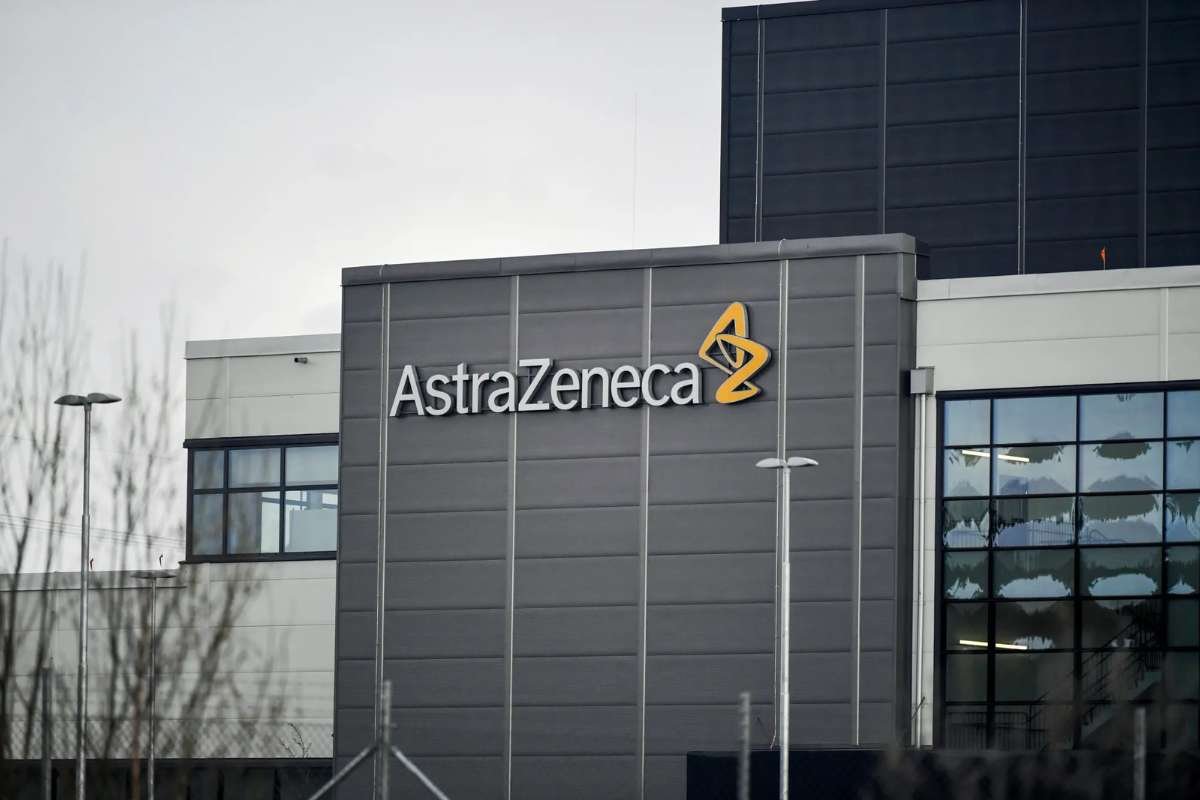
| Founded | 1999 |
| Founder | Merger of Astra AB and Zeneca Group |
| Headquarters | Cambridge, United Kingdom |
| Approx. Market Cap | $317.43 B |
| Industry | Pharmaceuticals |
AstraZeneca derives a significant portion of its revenue from oncology drugs, with several therapies achieving blockbuster status globally. This sustained innovation and commercial success have strengthened its position as the largest pharmaceutical company by market capitalization. Beyond oncology, it maintains a strong cardiovascular, renal, and respiratory portfolio. Strategic partnerships and global expansion have accelerated its presence in emerging markets, while its emphasis on precision medicine has driven revenue diversification.
7. Roche
| Founded | 1896 |
| Founder | Fritz Hoffmann-La Roche |
| Headquarters | Basel, Switzerland |
| Approx. Market Cap | $368.58 B |
| Industry | Pharmaceuticals & Diagnostics |
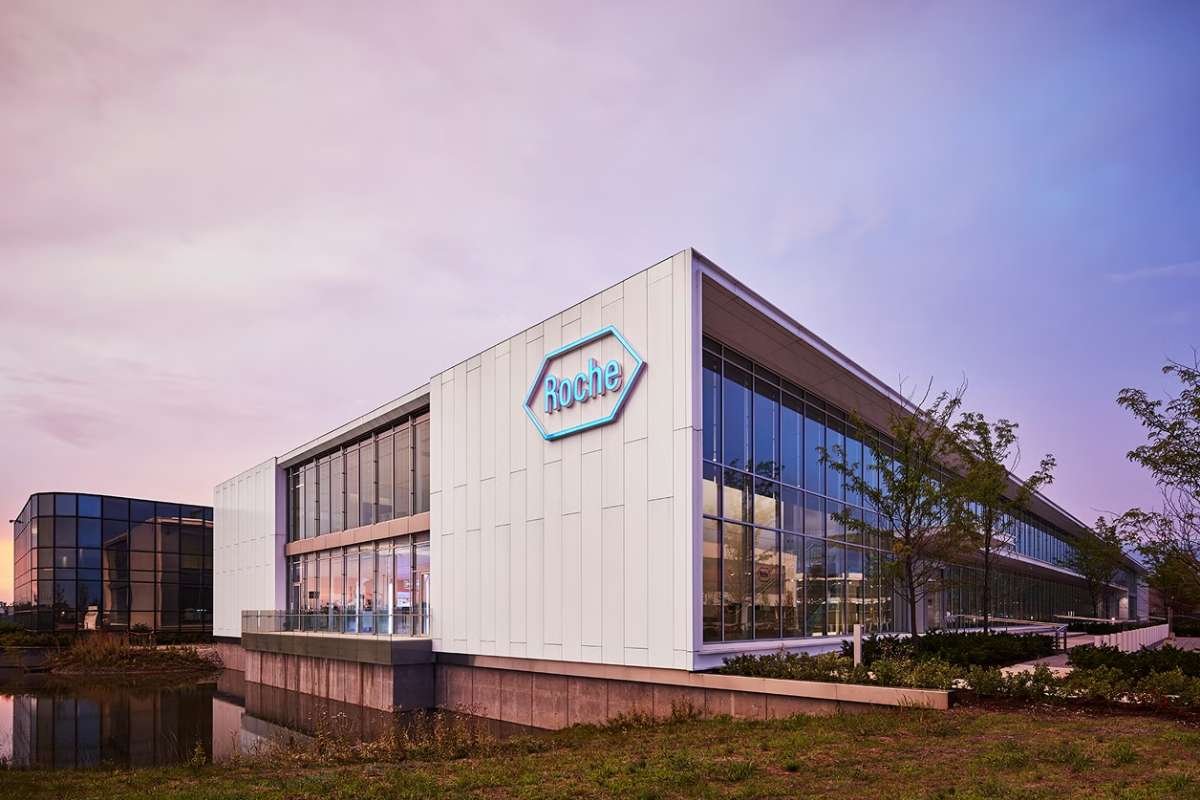
Roche differentiates itself through its combined strength in pharmaceuticals and diagnostics, enabling integrated healthcare solutions. It dominates several oncology treatment categories with biologic and targeted therapies. The company has been a pioneer in personalized medicine, using diagnostic tools to tailor treatments. Its immunology and neurology pipelines are expanding steadily. Consistent reinvestment into research supports its long-standing scientific leadership.
8. AbbVie Inc.
| Founded | 2013 (spin-off from Abbott) |
| Founder | Spin-off from Abbott Laboratories |
| Headquarters | North Chicago, Illinois, USA |
| Approx. Market Cap | $390.39 B |
| Industry | Biopharmaceuticals |
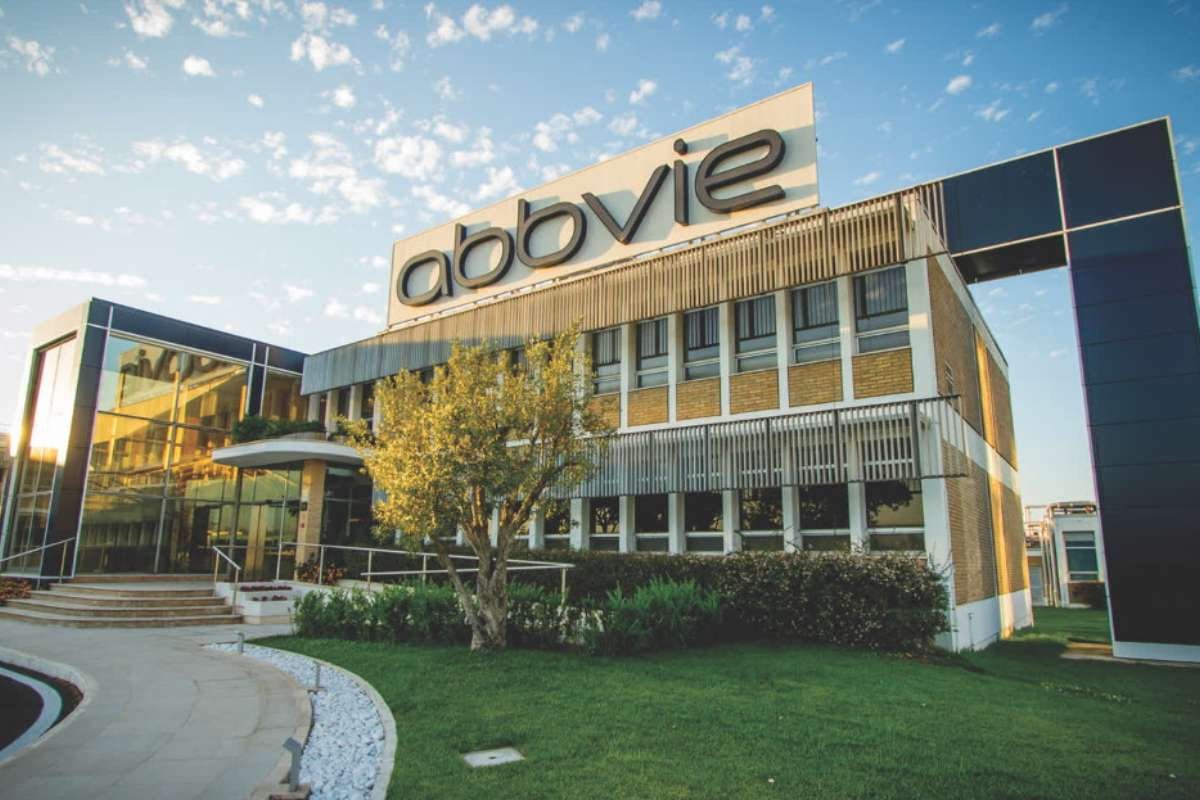
AbbVie successfully transitioned beyond reliance on a single blockbuster drug by expanding into oncology, aesthetics, and neuroscience. Strategic acquisitions have significantly strengthened its diversified product base. The company maintains high operating margins due to its focus on specialty therapies. New immunology treatments are driving continued growth in key global markets. Its disciplined capital allocation strategy supports both innovation and shareholder returns, reinforcing its standing as the largest pharmaceutical company by market cap rankings.
9. Johnson & Johnson
| Founded | 1886 |
| Founders | Robert Wood Johnson I, James Wood Johnson, Edward Mead Johnson |
| Headquarters | New Brunswick, New Jersey, USA |
| Approx. Market Cap | $580.30 B |
| Industry | Healthcare & Pharmaceuticals |
Johnson & Johnson operates across pharmaceuticals and medical technology, creating a diversified revenue structure. Its innovative medicine segment focuses on oncology, immunology, and neuroscience therapies with strong global demand. The company consistently ranks among the highest healthcare R&D spenders worldwide. Its medical device business provides resilience during pharmaceutical patent cycles. This balanced portfolio supports stable long-term financial performance.
10. Eli Lilly & Company
| Founded | 1876 |
| Founder | Colonel Eli Lilly |
| Headquarters | Indianapolis, Indiana, USA |
| Approx. Market Cap | $910.09 B |
| Industry | Pharmaceuticals |
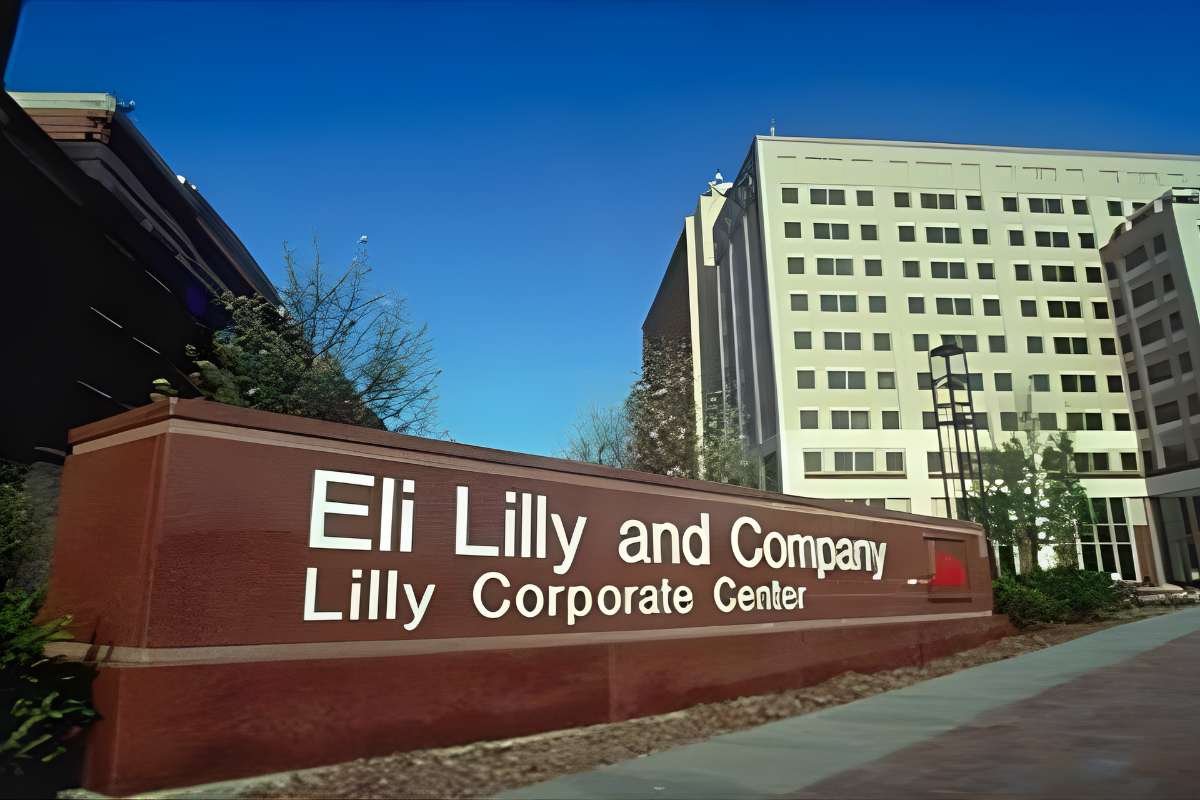
As the largest pharmaceutical company by market cap, Eli Lilly has experienced unprecedented growth driven by next-generation diabetes and obesity treatments. Its metabolic disease portfolio has reshaped the competitive landscape in the GLP-1 drug category. The company is also advancing major therapies in neuroscience, oncology, and immunology. Strong clinical trial outcomes and regulatory approvals have boosted investor confidence. Its rapidly expanding pipeline continues to position it at the forefront of pharmaceutical innovation.
Conclusion:
The battle for the largest pharmaceutical company title is driven by innovation, strategic acquisitions, and sustained R&D investment. These pharmaceutical giants collectively invest tens of billions of dollars annually into clinical trials, advanced biologics, and next-generation therapies.
Eli Lilly’s rapid valuation growth highlights the commercial power of metabolic breakthroughs. Johnson & Johnson’s diversified model ensures resilience. Roche and AstraZeneca continue to lead in precision oncology, while companies like AbbVie, Merck, and Novartis strengthen specialty portfolios through focused innovation.
As global healthcare demand rises, leadership will increasingly favor companies that combine scientific excellence with scalable execution. The largest pharmaceutical company of tomorrow will not just lead in valuation, it will shape the future of medicine itself.
FAQs
1. Which company is currently the biggest pharmaceutical company by market capitalization?
As of 2025–2026, Eli Lilly holds the top position by market cap, surpassing $900 billion, largely driven by strong demand for its diabetes and obesity treatments.
2. How is the size of a pharmaceutical company measured?
Company size is typically measured by market capitalization, which represents total company value based on stock price and outstanding shares. Revenue, R&D investment, global reach, and therapeutic impact are also important indicators.
3. Which therapeutic areas are driving the most growth in the pharmaceutical industry?
Oncology, diabetes, obesity, immunology, neuroscience, and rare diseases are currently the fastest-growing segments. Breakthrough biologics, GLP-1 drugs, and precision medicine are fueling major valuation increases.
4. How much do leading pharmaceutical companies invest in research and development?
Top pharmaceutical firms collectively invest tens of billions of dollars annually in R&D, funding large-scale clinical trials, gene therapies, biologics, and next-generation treatment platforms.
5. Can pharmaceutical company rankings change over time?
Yes. Rankings frequently shift due to drug approvals, patent expirations, mergers and acquisitions, clinical trial outcomes, and changes in investor confidence. Market dynamics in healthcare can significantly impact valuations.