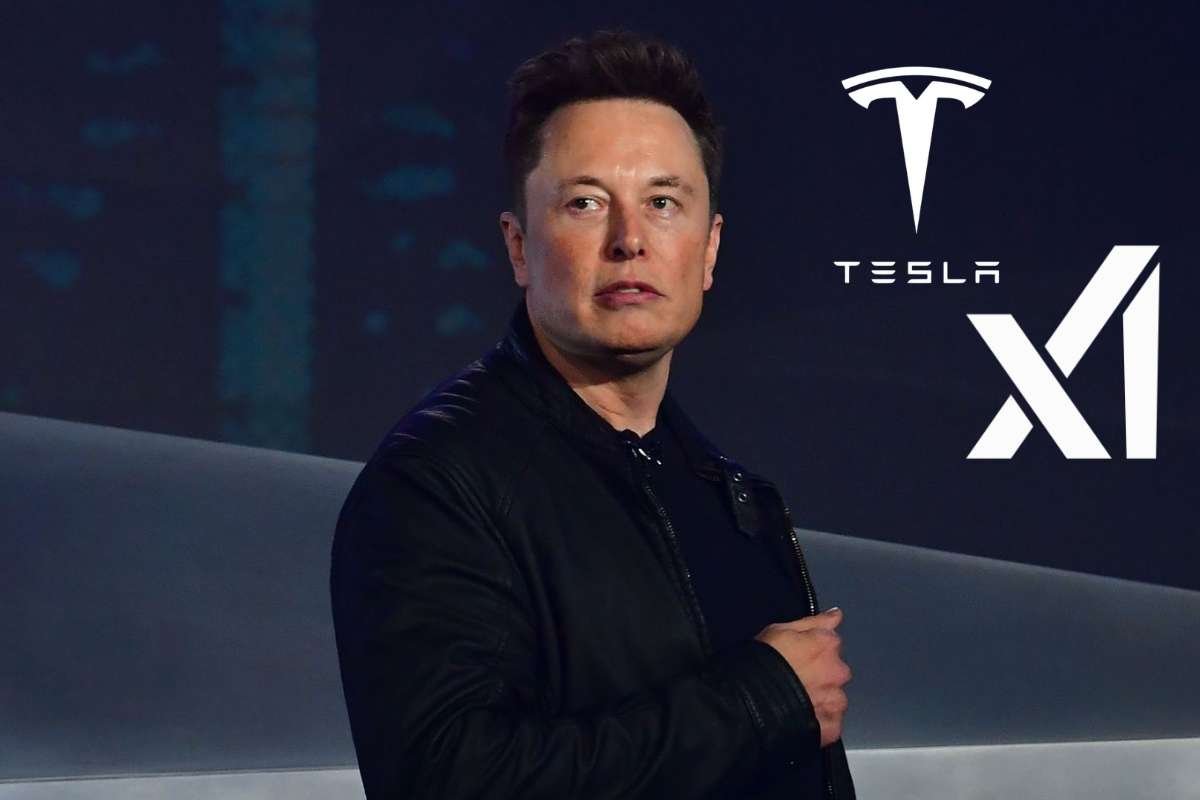
Tesla entered the new year with a series of decisions that point to a deeper transformation of the company’s future business direction. Chief Executive Officer Elon Musk announced a two billion dollar Tesla Invests in xAI, his artificial intelligence company, alongside the decision to discontinue two of Tesla’s longest-running vehicle lines, the Model S and the Model X. Together, these moves highlight Tesla’s growing focus on artificial intelligence, robotics, and autonomous systems rather than traditional vehicle production.
The announcements were made during the company’s latest earnings call, where Musk framed the changes as responses to shareholder priorities and future growth opportunities. Tesla shares rose about 1.8 percent in after-hours trading following the disclosures, reflecting cautious optimism from investors.
Tesla reallocates capital and manufacturing capacity
Tesla executives explained that the Tesla Invests in xAI is intended to strengthen internal capabilities rather than create duplication. By aligning closely with xAI, Tesla expects to reduce the need for parallel spending on artificial intelligence development. Musk said the partnership would support the management of large fleets of autonomous vehicles and future robotics operations.
At the same time, Tesla confirmed that production of the Model S and Model X will come to an end. These vehicles have played a significant role in the company’s history, but Musk described their discontinuation as a necessary step toward a future centered on autonomy. The factory space freed by ending these models will be used to manufacture Optimus humanoid robots, a product line still in development but positioned as a major growth driver.
According to Tesla, repurposing the Fremont facility will allow production of up to one million Optimus robots per year. Musk has previously stated that these robots are designed to perform a wide range of tasks, from household assistance to complex industrial functions. Tesla plans to begin selling Optimus robots by the end of next year, signaling confidence in the commercial potential of the project.
Financial performance and evolving mission
Tesla reported revenue of 24.9 billion dollars for the fourth quarter, slightly above Wall Street estimates of 24.8 billion dollars. Revenue declined 3 percent compared with the same period last year, a slowdown some analysts attribute to softer electric vehicle demand following the expiration of federal tax credits. Despite the decline, Tesla exceeded expectations, offering reassurance to investors during a period of market pressure.
Musk also outlined a broader shift in Tesla’s mission. The company has moved from its original goal of accelerating the transition to sustainable energy to what Musk described as building a world of abundance. He emphasized the role of artificial intelligence in enabling higher income levels and improved access to healthcare over time.
Tesla continues to expand its autonomous driving efforts. Musk said the company is operating 500 robotaxis across Austin and San Francisco, with paid rides underway in Austin without a safety driver. However, the company has not disclosed how many fully unsupervised rides have been completed.
For the first time, Tesla shared data on its Full Self Driving software adoption. The company reported 1.1 million subscriptions in 2025, up from 800,000 in 2024, indicating growing customer interest in advanced driver assistance features.
Chief Financial Officer Vaibhav Taneja cautioned that robotaxi financial metrics remain too early to evaluate, citing ongoing validation and testing. He also confirmed that Grok, the chatbot developed by xAI, is already integrated into Tesla vehicles, reinforcing the operational link between the two companies.
For entrepreneurs and business leaders, Tesla’s latest moves illustrate a deliberate pivot toward high technology platforms with scalable potential, signaling how capital, manufacturing, and vision are being aligned for the company’s next phase of growth.
Sources: