Key points-
- Xi Jinping pushes renminbi to become a global reserve currency.
- Renminbi remains a minor player in global reserves.
- China favors gradual reforms over rapid change.
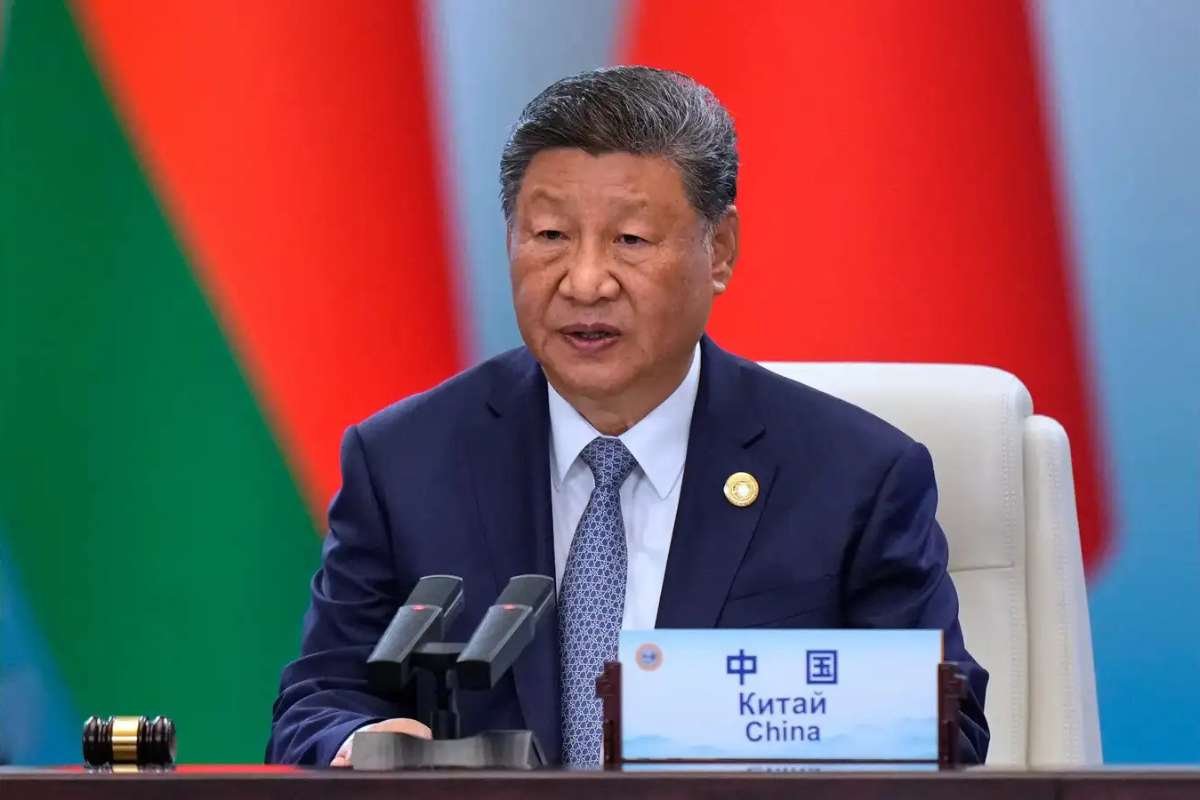
Renminbi to Gain Global Reserve status remains a central goal as China’s leadership has renewed its focus on expanding the global role of the renminbi, signaling long term ambitions for the currency to be more widely used in trade, investment, and reserves. Remarks made by President Xi Jinping in 2024, and made public on Saturday, outline a vision for the Chinese currency to evolve into a stronger international unit as global financial conditions shift and confidence in existing reserve currencies faces pressure.
The comments were shared through Qiushi, the journal of China’s ruling party, and provide insight into how Chinese leadership views the future of its financial system. The remarks come at a time when currency movements and trade balances are closely watched by business leaders and investors across global markets, as discussions around the Renminbi to Gain Global Reserve status gain renewed attention.
Vision for a Stronger Global Currency Role
In the published remarks, Xi emphasized the need to upgrade the renminbi into what he described as a powerful currency. He stated that the currency should be widely used in international trade, cross border investment, and foreign exchange markets, with the long term goal of achieving reserve currency status. For entrepreneurs and business owners, this signals continued efforts to make the renminbi more relevant in global transactions.
Xi also highlighted the importance of building a strong central banking system that can attract global capital and influence international pricing. This focus reflects a broader strategy to strengthen financial infrastructure alongside currency usage. A more widely accepted currency could reduce transaction costs for firms trading with Chinese partners and reshape how contracts and payments are structured.
The remarks were originally delivered during a closed door address to senior officials in 2024 by Xi Jinping. Their release now provides a clearer picture of the leadership’s priorities as global currency markets adjust to economic uncertainty and shifting trade flows.
Current Position of the Renminbi in Global Finance
Despite China’s size as a trading nation, the renminbi still plays a limited role in global reserves. As of September 2025, the U.S. dollar accounted for about 57 percent of global currency reserves. The euro followed at roughly 20 percent. The renminbi ranked sixth, representing about 1.93 percent of total reserves, according to international financial data, underscoring the long path ahead for the Renminbi to Gain Global Reserve status.
The currency has made progress in trade finance. Following the Russia Ukraine conflict in 2022, the renminbi rose to become the second most used currency in global trade finance. Even with this advance, its use in official reserves has remained modest, highlighting the gap between trade usage and reserve adoption.
Financial analysts have long debated the valuation of the renminbi. Some argue that it remains undervalued, pointing to China’s significant trade surplus, which reached about 1.2 trillion dollars last year. These discussions often focus on how currency levels affect global trade balances and competitiveness, especially for European economies that trade heavily with China.
China’s manufacturing sector continues to play a central role in global supply chains. Businesses across Africa, including Nigeria, source goods in bulk from Chinese factories, shipping products across oceans to meet local demand. Digital commerce has also expanded this reach. Shopping platforms such as Temu have entered multiple markets, offering low priced goods that attract a wide customer base.
For business owners, the push to expand the renminbi’s global role could influence future trade practices, payment options, and currency risk management. While reserve status remains a distant goal, the leadership’s stated direction suggests ongoing efforts to integrate the renminbi more deeply into international commerce. As these efforts continue, companies engaged in global trade may need to monitor how currency usage evolves and what it means for pricing, contracts, and long term financial planning.