Mobile gaming is now the biggest part of the games industry, worth an estimated $134 billion in 2026. This guide covers the top trends for 2026, from hybrid-casual games and AI-driven design to cloud gaming and fast-growing markets like India and Brazil. Read it to understand where the industry is headed and which trends are worth watching.
Open any smartphone today. You’ll likely find at least one game on it. Mobile gaming now brings in more money than console and PC gaming combined. This rapid takeover took the industry by surprise. In 2026, mobile games are expected to make an estimated $134 billion worldwide.
This shift started with a simple black-and-white snake chasing dots on a Nokia screen. It grew into a global industry bigger than the movie box office and streaming music combined. Understanding today’s trends means looking at how we got here and what’s coming next.
This article covers the history of the industry, the trends shaping it in 2026, the challenges developers still face, and where things are headed. If you’re a player, developer, or investor, these trends can help you make smart decisions with your time or money.
How did mobile gaming start?
The story goes back to 1997. Nokia shipped “Snake” pre-installed on its phones. It was basic, but it proved something important: people would play games on a device meant for calls and texts.
Everything changed in 2007. The iPhone launched. Android followed soon after. App stores gave developers a direct line to millions of players. Touchscreens replaced physical buttons. Processors got faster. Phones could finally handle real games, not just distractions. Titles like Angry Birds, Temple Run, and Candy Crush Saga turned mobile gaming into a daily habit for millions of people.
By the 2010s, mobile esports had arrived. Games like PUBG Mobile, Mobile Legends, and Clash Royale built competitive scenes with prize pools and global tournaments. They drew audiences that matched traditional console esports. This was a turning point for the industry. Phones stopped being a casual side platform. They became a serious home for competitive play.
Streaming helped too. Platforms like YouTube Gaming and Twitch gave mobile esports players a way to build fans. Tournament organizers began offering prize pools worth millions of dollars for top mobile titles.
What are the biggest mobile gaming trends in 2026?
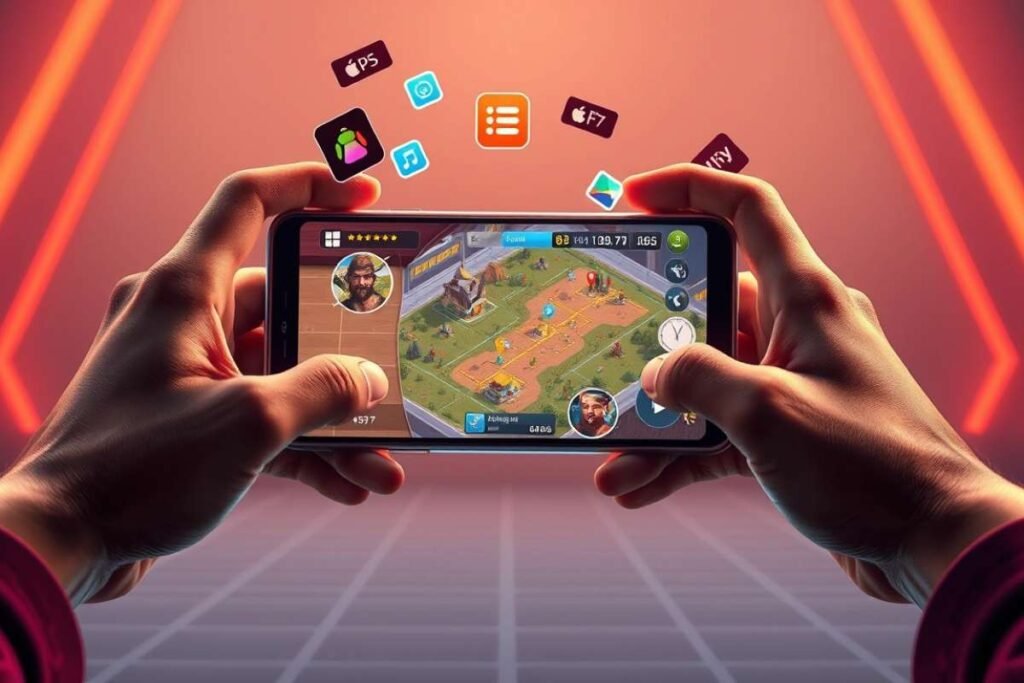
These trends look different from even three years ago. The market has matured. Growth today comes less from new downloads. It comes more from existing players spending more time and money in games they already love.
1. Spending per player keeps climbing
New downloads have slowed down a bit. But that’s not bad news for the industry. Developers are earning more from each player instead. Average revenue per user hit roughly $94 in 2026, up from about $89 in 2021. Games are shifting focus from finding new users to keeping current ones engaged longer.
2. Hybrid-casual games are exploding
Hybrid-casual games mix the easy, pick-up-and-play style of hypercasual games with deeper progression and better monetization. It’s a smaller slice of the market than casual or midcore games. But it’s grown fast from almost nothing a few years ago, and studios now take it seriously for 2026.
3. Live-service and “evergreen” titles dominate
Honor of Kings pulled in $1.6 billion in in-app purchase revenue in 2025. It shows how long-running titles with regular updates can keep earning for years. Instead of a constant stream of new hit games, a smaller group of long-lasting titles now leads the market.
4. Cross-platform play is the norm, not the exception
Titles like Fortnite and Minecraft let players jump between phone, console, and PC without losing progress. This used to be a selling point. Now it’s simply expected. The majority of new game roadmaps reportedly include cross-platform support as a baseline feature.
5. AI is reshaping game design
AI tools now help studios create art, write dialogue, test levels, and adjust difficulty for each player. Adaptive characters that react differently based on how you play are becoming more common. This makes single-player mobile games feel less repetitive.
6. Cloud gaming is finally gaining traction
Services that stream console-quality games to your phone, without needing powerful hardware, are growing again after a rocky start. Cloud gaming revenue is projected to grow in 2026. Faster 5G networks are helping by cutting down on lag.
Which regions are driving growth in mobile gaming?
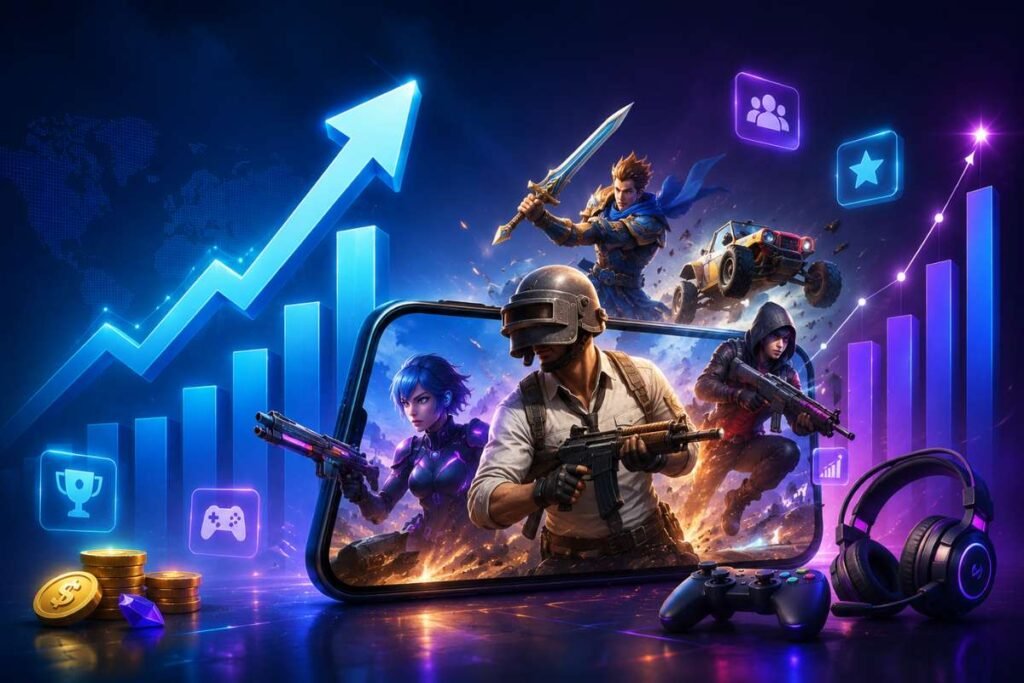
Not every market grows the same way. China, the US, and Japan still bring in the most revenue. They earned an estimated $40 billion, $25 billion, and $18 billion in 2025. But the fastest growth is happening elsewhere.
- India: About $5 billion in 2025 revenue. Growth comes from a huge user base, local-language content, and more casual games.
- Middle East (MENA): About $4 billion in 2025 revenue. Government support and culturally relevant content are helping it grow.
- Brazil: About $2.5 billion in 2025 revenue. A young player base, 5G expansion, and esports are fueling growth.
- Indonesia: Over $2 billion in 2025 revenue. Fast phone adoption, social gaming, and live streaming are driving it.
These regions don’t lead in total revenue yet. But they’re where the next generation of players is coming from. Studios are adjusting pricing and game design to match.
Why do developers still struggle to keep players?
Even with rising revenue, current trends show that keeping players around is harder than ever.
- Monetization Fatigue: Players get frustrated when in-app purchases feel forced. Studios now lean on cosmetic items and battle passes instead of pay-to-win mechanics.
- Device Fragmentation: Android alone runs on thousands of device models. Testing a game so it runs smoothly on all of them takes real engineering time.
- Data Privacy Rules: Laws like GDPR in Europe and CCPA in California force developers to rethink how they collect and use player data.
- Loot Box Regulation: Several countries treat loot boxes as a form of gambling. Belgium banned certain loot box mechanics outright. More governments are reviewing similar rules.
- Platform Fees: App Store and Google Play still take a big cut of in-app revenue. New antitrust rulings in the US and EU are pushing platforms to allow other payment options.
Together, these pressures mean studios can’t just focus on flashy features. They also need legal and compliance teams involved early in development.
What’s next for mobile gaming?
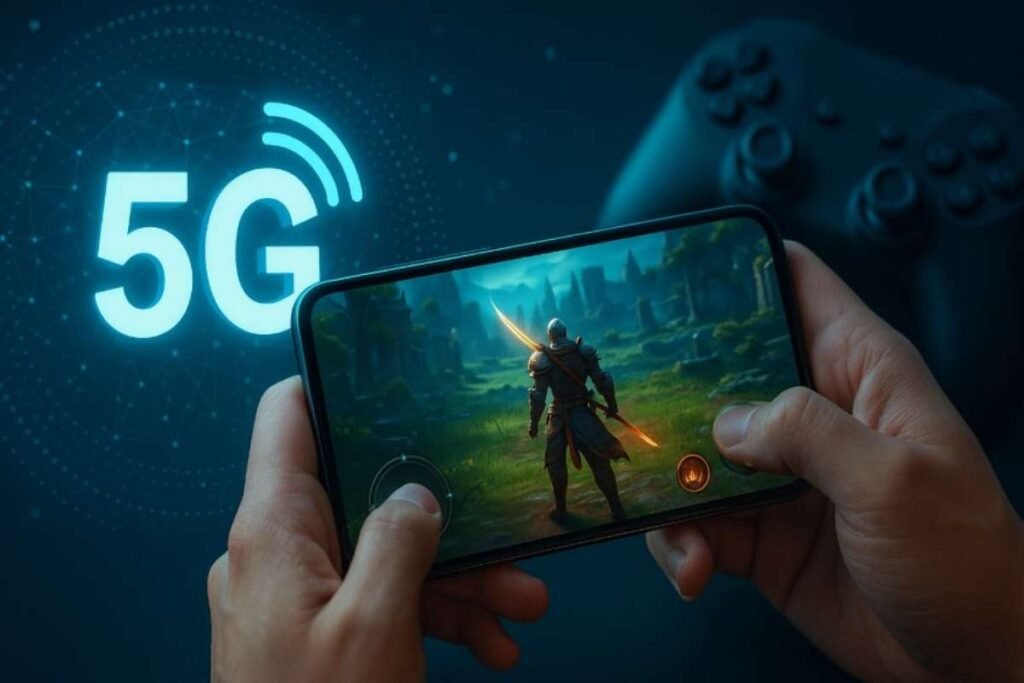
1. 5G is removing the last big barrier
Faster, more stable connections mean real-time multiplayer games run smoother, even in crowded areas. This matters most for competitive titles, where a split-second of lag can cost a match.
2. Augmented reality hasn’t peaked yet
Pokémon GO proved AR gaming could work at a massive scale. Newer AR experiments explore fitness, education, and location-based social games, not just monster-catching.
3. Blockchain gaming remains a small but watched corner
NFT-based games promised true ownership of in-game items. Adoption has been slower than early hype suggested. But some studios still test blockchain for open, trackable in-game economies.
4. Sustainability is becoming a talking point
Data centers that power cloud gaming and always-online titles use a lot of energy. Some studios are now looking at cleaner code and greener servers to cut that down.
Conclusion
Mobile gaming has moved past its phase of chasing downloads. New users are harder to find, so studios now focus on the players already in their games. Hybrid-casual titles, live-service updates, AI-driven personalization, and cross-platform play are the tools they’re using to do it. The next real test is regulation and player trust, not growth.
For players, that means sharper, more personalized games with fewer rough edges. For developers, it means standing out takes more work than it did five years ago. One thing is certain: the games on your phone are only going to get bigger, smarter, and more competitive from here.
FAQs
1. Is mobile gaming bigger than console gaming?
Yes. Mobile gaming brings in more yearly revenue than console and PC gaming combined, making it the largest part of the global games industry.
2. What is the most profitable mobile game genre?
Strategy and midcore games currently lead in-app purchase revenue, though hybrid-casual games are growing the fastest.
4. Why are mobile game downloads dropping while revenue rises?
The market has matured, so growth now comes from existing players spending more, not from a flood of new downloads.
5. Are loot boxes illegal in mobile games?
Not everywhere, but several countries, including Belgium, have restricted or banned certain loot box mechanics by treating them like gambling.