Key Takeaways:
- Lego reported a 21% sales surge in early 2026, reaching £4.8 billion.
- Major growth was driven by World Cup, Formula One, and botanical sets.
- Rising demand among adult collectors helped boost overall net profit by 32%.
Lego sales rise 21% in the first half of 2026 as World Cup, Formula One, K-pop Demon Hunters and botanical sets boost global demand.
Lego reports strong sales across major markets
The Danish toymaker reports revenue of 41.9 billion Danish kroner, or about £4.8 billion, for the first six months of 2026. Sales to consumers through Lego’s retail partners rise 22% during the period.
Lego sales growth remains strong across the Americas, Europe and Asia Pacific. The company also reports a 32% increase in net profit to 8.6 billion Danish kroner, or about £1 billion.
The company launches 330 new products during the period as it expands its range across entertainment, sports, technology and lifestyle categories. Its new Smart Play products add sound and light features to Lego bricks.
Niels B. Christiansen, chief executive of Lego Group, says the company is pleased with its strong start to the year and growing global interest in the brand.
“Our portfolio of products offers something for everyone,” Christiansen says. He adds that culturally relevant brand experiences continue to support demand worldwide.
Sports and entertainment tie-ups lift demand
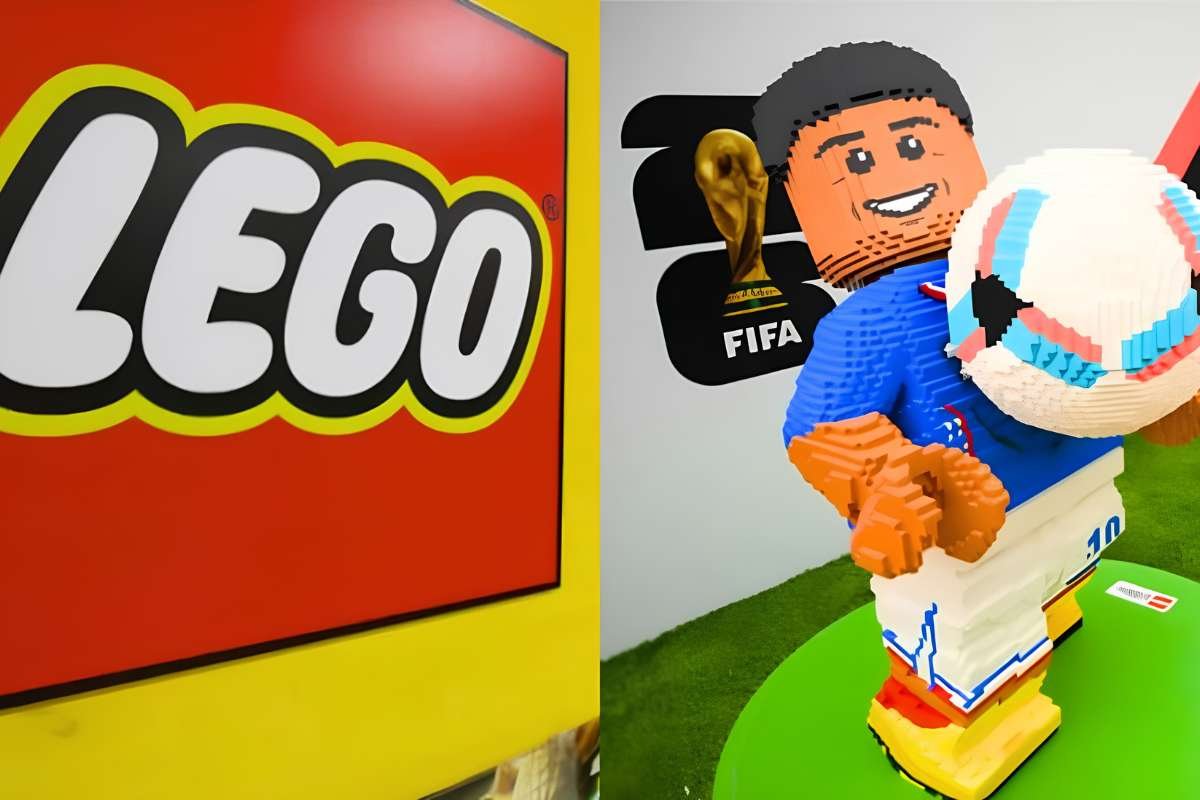
Lego benefits from products connected to major cultural and entertainment trends, including the football World Cup and Formula One. Products linked to K-pop Demon Hunters and Star Wars also contribute to demand.
The company continues to expand products based on broader interests, including botanical sets. The strategy allows Lego to reach children, families and adult collectors across different markets.
The British Toy and Hobby Association says toys are becoming increasingly connected to wider cultural moments. It describes an “evolving era of play,” with products attracting family audiences beyond traditional children’s toys.
Adult consumers also play a growing role in Lego’s sales. Known as kidults, buyers aged 12 and older are increasingly spending on premium Lego sets and collectible figures.
Market research company Circana says kidults account for £1 of every £3 spent on toys in the United Kingdom. The group increases its toy spending by 10% in 2025 compared with the previous year.
The trend gives Lego another source of demand as consumers seek entertainment away from phones and television.
Lego expands solar power and paper packaging
Lego also continues investing in sustainability as Lego sales grow. Christiansen says the company is expanding solar energy capacity at all of its factories.
In June, Lego begins construction of its largest solar installation at its headquarters in Billund, Denmark. The project includes 160,000 panels and is expected to produce 99 gigawatt-hours of electricity annually when it begins operating next year.
The installation is designed to match Lego’s electricity needs in Billund, where the company is headquartered and operates the original Legoland park.
Lego also continues its shift toward paper bags for product packaging. The company expects to complete the global transition next year.
The strong first-half results allow Lego to maintain high investment in growth and sustainability, Christiansen says.