Green technology is transforming industries in 2026 through smarter energy, cleaner transport, and circular systems. This guide explores key innovations, benefits, applications, and how businesses can build resilient, sustainable operations.
Green technology in 2026 is far more than solar and wind. It involves AI-powered grids, battery storage, electric mobility, green hydrogen, carbon capture, smart buildings, circular manufacturing, and sustainable agriculture. Regulatory pressure and efficiency goals are driving these innovations to integrate smoothly with digital transformation.
This helps reduce energy consumption, minimize waste, and strengthen operational resilience. Sustainability has emerged as a key driver of industrial innovation. Starting from smart power management to low-carbon materials.
This guide explores the leading green technologies in 2026. With the real-world benefits and challenges they face. And where they will make the biggest difference across today’s industries.
Table of Contents
What is green technology?
Green technology refers to products, systems, and processes designed to reduce environmental impact while improving resource and energy efficiency. It includes technologies that can help reduce greenhouse gas emissions, conserve natural resources, minimize waste, improve energy efficiency, and support the transition toward more sustainable economic systems.
Green tech includes:
- Renewable energy
- Battery energy storage
- Electric vehicles
- Green hydrogen
- Carbon capture technologies
- Smart grids
- Energy-efficient buildings
- Sustainable manufacturing
- Circular economy technologies
- AI-powered resource optimization
- Sustainable agriculture
- Advanced recycling systems
The important shift in 2026 is that these technologies increasingly work together. For example, AI can optimize a smart grid, batteries can store renewable electricity, and connected sensors can monitor energy use in buildings.
Why is green technology important in 2026?
By 2026, green tech is not an environmental initiative but an economic and strategic imperative. Climate risks are mounting, global regulations are tightening, and technological breakthroughs are speeding up. Green tech is changing the face of modern industries.
Here is why green technology is critical in 2026:
- Urgent Decarbonization Pressures: Governments worldwide are enforcing strict net-zero mandates, carbon taxes, and sustainability reporting requirements. Green tech provides companies with the infrastructure to track and reduce emissions to avoid heavy penalties.
- Convergence with Digital Innovation: Advances in AI, IoT, and high-performance computing allow real-time optimization of power grids, industrial manufacturing, and supply chains. Modern green tech directly drives operational efficiency and reduces cost, rather than just acting as a compliance overhead.
- Energy Security and Independence: Fluctuating fossil fuel markets have made decentralized renewable energy, high-capacity battery storage, and green hydrogen vital for energy sovereignty and power stability.
- Resource Scarcity & Circularity: Innovations in circular manufacturing and vertical farming address global supply constraints by minimizing waste and drastically lowering raw material and water intake.
- Market and Investment Advantage: Consumers and institutional investors increasingly favor sustainable organizations. Companies adopting low-carbon materials, zero-emission transport, and smart energy management gain a distinct competitive edge.
Ultimately, green technologies in 2026 bridge sustainability and profitability, allowing organizations to build resilient, future-proof operations while tackling the climate crisis head-on.
Top green technology transforming industries:
1. Renewable energy
Solar and wind remain major components of the clean-energy transition. But renewable energy is becoming more sophisticated.
Modern renewable-energy systems increasingly combine generation with energy storage, digital monitoring, forecasting, and intelligent grid management.
Key developments include:
- Utility-scale solar farms
- Offshore and onshore wind
- Floating solar
- Advanced geothermal systems
- Renewable microgrids
- Distributed energy generation
- AI-assisted renewable forecasting
AI can analyze weather and energy-demand data to help operators predict renewable generation and manage electricity supply more efficiently.
2. Battery energy storage
Renewable energy production can fluctuate depending on sunlight and wind conditions. Battery storage helps address this challenge by storing electricity when supply is high and releasing it when demand increases.
Lithium-ion batteries remain widely used, while research and commercial development continue across technologies such as sodium-ion and other advanced battery chemistries.
Applications include:
- Grid-scale energy storage
- Residential solar storage
- Electric vehicles
- Commercial backup power
- Microgrids
- Renewable-energy integration
Energy storage is increasingly important because expanding renewable electricity requires flexible systems capable of balancing supply and demand.
3. Green hydrogen
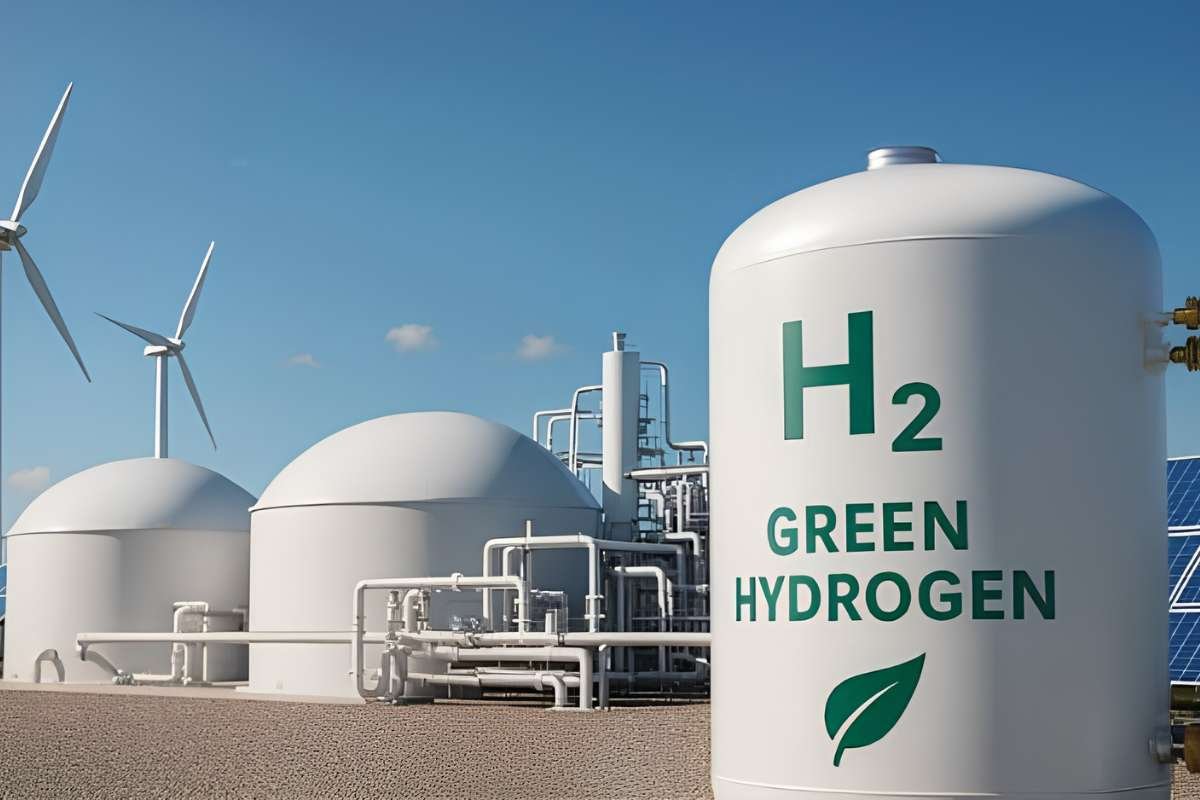
Green hydrogen is produced using renewable electricity to split water into hydrogen and oxygen through electrolysis.
Unlike hydrogen produced from fossil fuels, green hydrogen has the potential to significantly reduce emissions when renewable electricity is used throughout the production process.
It is particularly relevant to sectors that are difficult to electrify directly.
Potential applications include:
- Steel production
- Heavy transportation
- Shipping
- Chemical manufacturing
- Industrial heating
- Long-duration energy storage
However, production costs, infrastructure requirements, and the availability of low-cost renewable electricity remain important challenges.
4. Electric vehicles and sustainable mobility
Transportation is undergoing a major technological transformation as electric vehicles become increasingly integrated into passenger and commercial transportation.
Green technology in transportation now extends beyond EVs to include charging infrastructure, battery management, electric buses, fleet optimization, and smart transportation systems.
Examples include:
- Electric cars
- Electric buses
- Electric delivery vehicles
- Electric two-wheelers
- Smart charging
- Vehicle-to-grid systems
- Battery recycling
Vehicle-to-grid technology could eventually allow compatible EVs to supply electricity back to the grid when needed, turning vehicle batteries into flexible energy resources.
5. Smart grids
Traditional electricity grids were designed primarily for one-way electricity distribution. Modern smart grids use sensors, communication networks, automation, and analytics to manage increasingly complex energy systems.
Smart grids can coordinate renewable generation, energy storage, EV charging, and changing consumer demand.
Benefits include:
- Better demand management
- Faster fault detection
- Improved grid reliability
- Renewable-energy integration
- Reduced energy losses
- More efficient electricity distribution
Smart grids demonstrate how digital technology and green tech increasingly overlap.
6. AI-Powered energy management
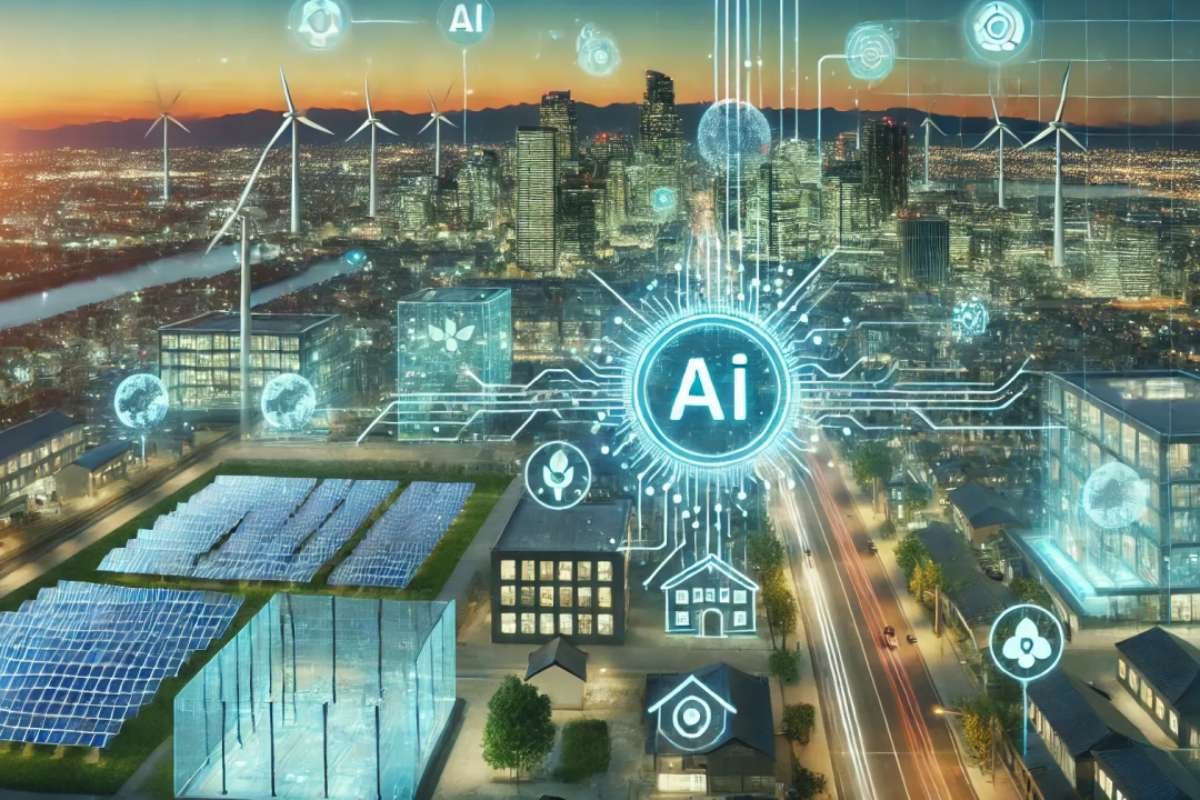
Artificial intelligence is becoming an important tool for improving sustainability.
AI systems can analyze large volumes of energy and operational data to identify inefficiencies and predict demand.
Businesses can use AI to:
- Optimize building energy consumption
- Forecast electricity demand
- Predict equipment failures
- Improve renewable-energy output
- Reduce industrial energy waste
- Optimize logistics routes
The combination of AI, sensors, IoT devices, and automation can make energy management more responsive and data-driven.
7. Green buildings and smart buildings
Buildings account for substantial energy use, making energy-efficient construction and operation an important area for green technologies.
Modern green buildings can combine efficient materials with sensors, automation, renewable energy, and intelligent heating and cooling systems.
Technologies include:
- Smart HVAC systems
- Energy-efficient lighting
- Building automation
- Smart meters
- Heat pumps
- Solar integration
- Energy monitoring systems
- Low-carbon construction materials
Digital building management systems can automatically adjust lighting, heating, cooling, and ventilation based on occupancy and environmental conditions.
8. Carbon capture and removal
Reducing emissions remains the priority, but technologies designed to capture carbon dioxide are also developing.
Carbon capture systems can capture CO₂ from industrial processes or power facilities before it reaches the atmosphere. Carbon removal approaches aim to remove CO₂ that is already present in the atmosphere.
Potential applications include:
- Cement manufacturing
- Steel production
- Chemical industries
- Industrial facilities
- Direct air capture
- Carbon storage
These technologies face challenges involving cost, energy requirements, infrastructure, and the need to demonstrate long-term environmental effectiveness.
9. Circular economy and advanced recycling
The traditional model of producing, using, and discarding products is increasingly being replaced by circular approaches.
Circular economy technologies aim to keep materials and products in use for longer through reuse, repair, remanufacturing, and recycling.
Examples include:
- Advanced plastics recycling
- Electronic waste recovery
- Battery recycling
- Product remanufacturing
- Material tracking
- AI-powered waste sorting
Digital product passports and connected supply-chain systems may also improve visibility into where materials come from and how products can be recovered at the end of their useful lives.
10. Sustainable agriculture
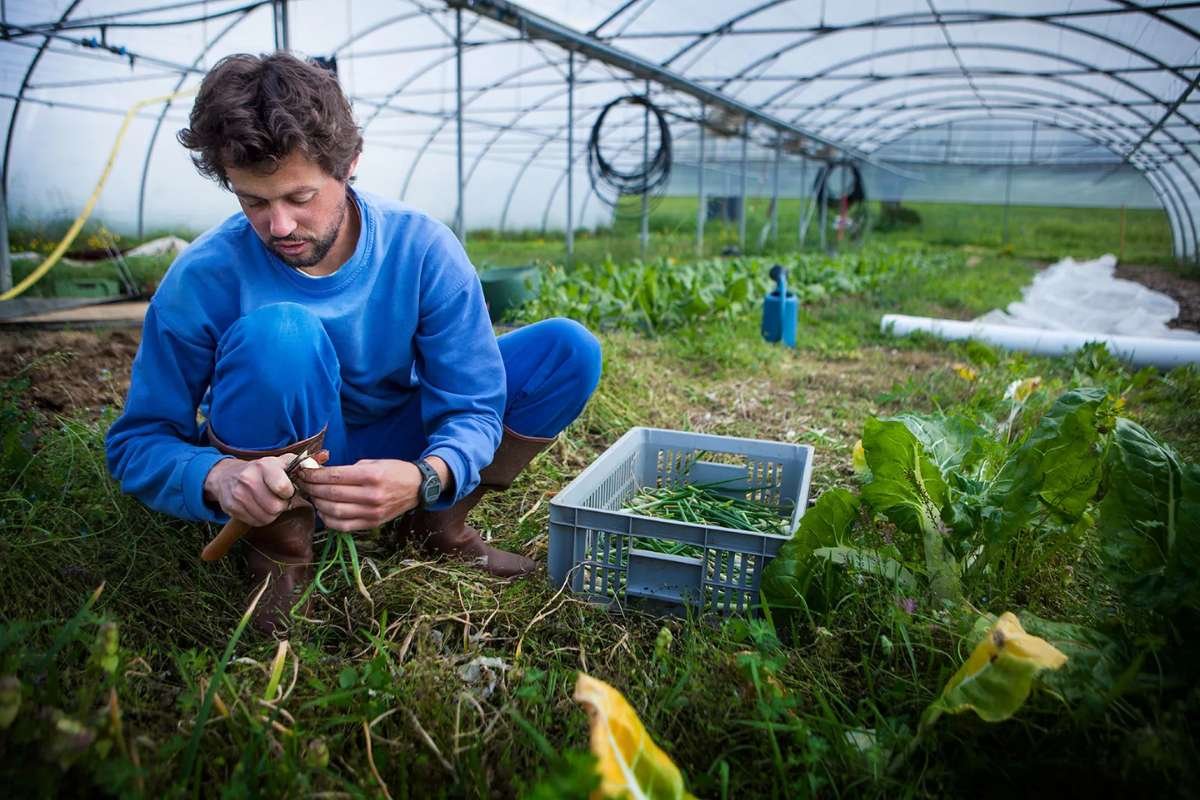
Agriculture is another area where technology can reduce resource consumption and environmental impact.
Precision agriculture uses sensors, satellite imagery, connected equipment, analytics, and automation to help farmers make more targeted decisions.
Applications include:
- Precision irrigation
- Soil monitoring
- Smart fertilization
- Agricultural drones
- Crop monitoring
- Autonomous farm equipment
- Controlled-environment agriculture
These systems can help farmers use water, fertilizers, and other inputs more efficiently while improving productivity.
Benefits of green technology:
Green technologies can provide environmental, economic, and operational benefits.
- Reduced Environmental Impact
Renewable energy, electrification, efficient manufacturing, and recycling can reduce emissions and resource consumption.
- Lower Energy Costs
Energy-efficient equipment and intelligent energy-management systems can reduce unnecessary electricity use.
- Better Resource Management
Sensors, analytics, and automation help organizations monitor water, energy, materials, and waste more precisely.
- Greater Energy Resilience
Distributed renewable generation, batteries, and microgrids can help organizations maintain access to electricity during disruptions.
- Business Innovation
Sustainability-focused technologies can create new products, services, business models, and market opportunities.
- Regulatory Readiness
Investing in cleaner technologies can help businesses prepare for evolving environmental regulations and reporting requirements.
Applications across major industries:
Green technology is no longer restricted to the energy industry.
| Industry | Green Technologies Applications |
| Energy | Renewable power, batteries, smart grids |
| Automotive | EVs, battery technology, smart charging |
| Manufacturing | Energy efficiency, automation, circular production |
| Construction | Smart buildings, efficient materials, heat pumps |
| Agriculture | Precision farming, smart irrigation, sensors |
| Retail | Energy management, sustainable packaging, waste reduction |
| Healthcare | Efficient facilities, digital systems, sustainable equipment |
| Logistics | EV fleets, route optimization, alternative fuels |
| IT | Energy-efficient data centers and cooling systems |
| Finance | Climate-risk analytics and sustainable investment tools |
Conclusion:
Green technology in 2026 is not a trend anymore. It’s the backbone of modern, resilient industries. By mixing digital innovation with green systems like smart grids, AI energy management, and circular manufacturing. Companies can dramatically reduce emissions and increase profits. By implementing these sophisticated solutions, businesses can continue to comply with regulations. Along with reducing waste, and benefit from a long-term competitive edge in a constantly growing low-carbon economy.
What green innovations is your organization working on this year? Leave your thoughts.
FAQs:
1. What is meant by green technology?
Green technologies, or green tech, means using science and new ideas to create products and systems that protect the natural environment.
2. What are five types of green tech?
Five major types of green technologies include renewable energy (solar and wind), energy-efficient smart systems, sustainable transportation (electric vehicles), waste management and recycling systems, and carbon capture and storage technologies.
3. What are the 7Rs of green technologies?
Getting started with the 7Rs: Rethink, Refuse, Reduce, Reuse, Repair, Regift, and Recycle.
4. Which country is leading in green tech?
In 2025, China produced 32% of global renewable electricity, followed by the United States (11%), Brazil (7.0%), Canada (4.7%), and India (4.3%).
5. Is Gen Z more eco-friendly?
Yes, data from groups like First Insight and Deloitte show that Gen Z is more eco-conscious in their attitudes and intent than older generations.
Links and Sources:
In an era defined by environmental challenges and the pursuit of sustainable solutions, green technology has emerged as a transformative force. This article explores the significance of Green technology, its impact on various industries, and how it is contributing to a more sustainable future.