Key Takeaways
- TV operating systems are becoming the new battleground in streaming competition.
- Fox’s planned Roku acquisition expands control over discovery, advertising, and audiences.
- Platform visibility increasingly influences streaming success beyond content alone.
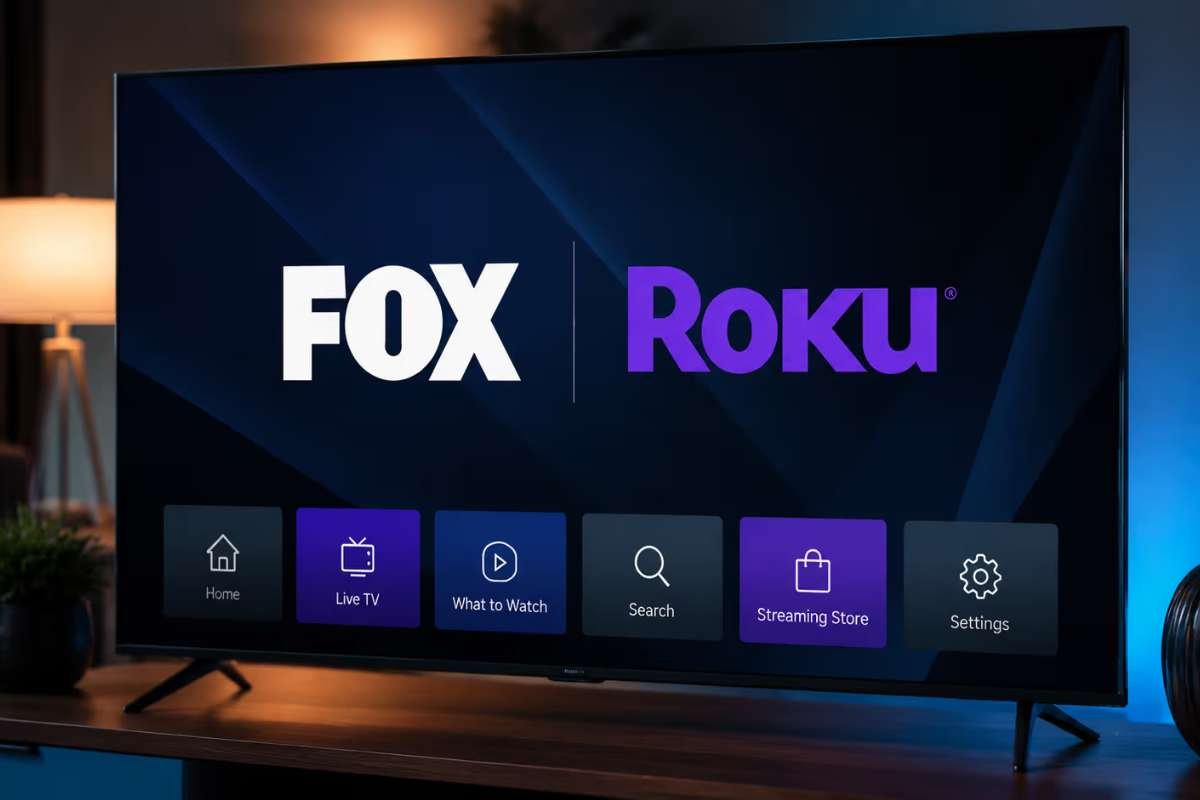
The Fox Roku acquisition highlights a growing shift in the streaming industry toward control of television operating systems, where content discovery, advertising, and viewer engagement increasingly influence market competition.
The proposed Fox Roku acquisition would give Fox access to one of the most widely used television operating systems in the United States, along with Roku’s connected TV advertising business and more than 100 million streaming households, according to industry analysis published Saturday by marketing executive Francesca Pezzoli.
Fox targets viewer discovery and advertising
Pezzoli, vice president of marketing at Looper Insights, said the Fox Roku acquisition represents more than a traditional media acquisition focused on content libraries or subscriber growth.
“Controlling what viewers see before they open an app may become as valuable as controlling what they watch once they are inside one,” Pezzoli wrote.
The analysis argues that streaming companies are facing mounting pressure as subscriber growth slows and content costs remain high. Operating systems offer additional revenue opportunities through advertising inventory, platform fees, commerce, and viewer data.
Roku’s position in the connected TV market could allow Fox app to influence visibility, title promotion, and audience traffic across its platform, according to the analysis.
Deal strengthens fox’s streaming position
Fox already holds significant assets in live sports, news programming, broadcast television, and its free streaming service, Tubi.
A combination with Roku would add platform infrastructure, including The Roku Channel, advertising technology, and direct consumer relationships, Pezzoli said. The deal could create a more integrated business spanning content creation, distribution, and monetization.
The transaction also could strengthen Fox’s position in the ad-supported streaming market, where visibility and audience engagement are becoming increasingly important.
Pezzoli noted that services such as Tubi and The Roku Channel compete in a market where content volume alone may not guarantee success. Platform-level promotion can play a major role in attracting viewers and generating advertising revenue, she said.
Industry faces questions about platform power
The Fox Roku acquisition could have implications beyond Fox and Roku, affecting advertisers, agencies, studios, and device manufacturers.
According to the analysis, television operating systems are emerging as a critical commercial layer that helps determine which streaming services gain visibility and attract audiences.
The shift also raises new questions about measurement and competition. Traditional metrics such as ratings and advertising impressions may not fully capture the value of app placement, title prominence, and promotional visibility on connected TV platforms.
Pezzoli warned that Roku’s success has partly depended on its reputation as an open platform serving many streaming providers, including companies that compete with Fox.
“If the platform is perceived as favoring Fox properties too heavily, it could create tension with partners and consumers,” she wrote.
The analysis concludes that future streaming competition will depend not only on content ownership but also on the ability to connect content, advertising, consumer data, and platform access.
“The future of streaming will not only be fought over what appears on the screen,” Pezzoli wrote. “It will be fought over who controls the screen before the viewer decides.”