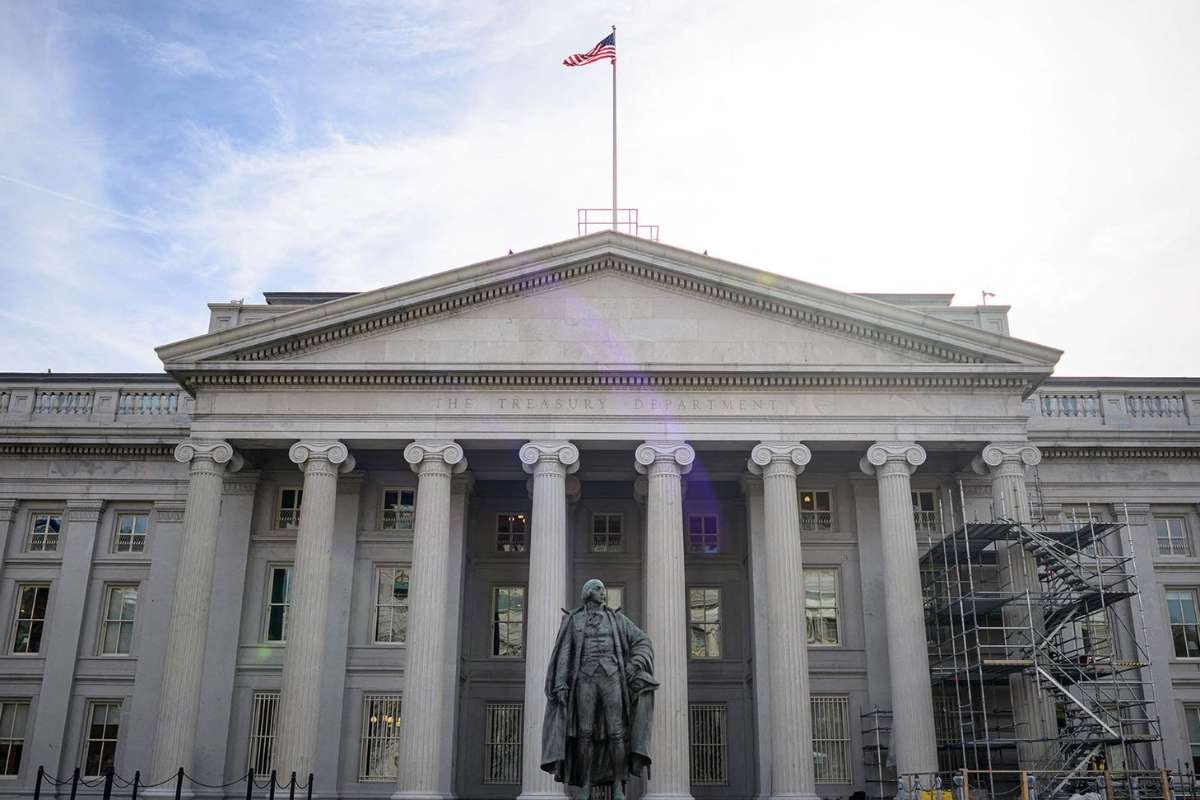
The Danish Pension Fund Exit from U.S. Treasurys was announced by AkademikerPension, citing concerns over U.S. government finances and long‑term debt sustainability. The decision comes as global investors closely monitor capital flow shifts and evolving risk management strategies among major institutions.
Debt Levels Drive Portfolio Reassessment
Anders Schelde, the fund’s chief investment officer, explained that the Danish Pension Fund Exit was driven by concerns over weak U.S. government finances and a mounting debt burden. AkademikerPension, which holds about $100 million in U.S. Treasurys, plans to fully divest from the position by the end of the month, according to a spokesperson.
Schelde said the United States’ rising debt and persistent budget deficits prompted the fund to rethink how it manages liquidity and financial risk. The U.S. posted a budget shortfall of $1.78 trillion last year, reflecting decades of fiscal imbalance and the rising cost of servicing debt at higher interest rates. While the deficit narrowed slightly from the previous year, it remains historically elevated.
In May, Moody’s Ratings downgraded the United States’ sovereign credit rating to Aa1 from its top tier level, pointing to ongoing deficits and increased borrowing costs. For long term investors such as pension funds, credit quality and debt dynamics play a critical role in determining where capital is allocated.
Schelde noted that the fund has identified alternative strategies for liquidity and risk management that better align with its long‑term objectives. With those measures in place, the Danish Pension Fund Exit from U.S. government bonds is now being carried out by AkademikerPension.
Market Reaction Highlights Broader Investor Concerns
The Danish Pension Fund Exit comes amid heightened market sensitivity to geopolitical and economic developments. Rising tensions between the United States and several European countries have added uncertainty, prompting some investors to reassess exposure to U.S. assets. Schelde emphasized that while broader international disputes were not the primary driver, they did not make the decision any less complex.
Market movements earlier this week reflected growing caution. Treasury yields in the United States and other regions moved higher, while the U.S. dollar and equity markets declined. Gold prices climbed to record levels, signaling increased demand for perceived safe assets. Some analysts described the session as reflecting a pullback from U.S. focused investments.
Industry observers have also raised questions about whether sovereign funds and large institutional investors may gradually reduce exposure to U.S. debt if confidence in fiscal stability weakens. Bridgewater Associates founder Ray Dalio said that shifts in trade and capital relationships could influence future demand for U.S. government securities.
He noted that capital flows are closely linked to perceptions of economic reliability and stability. If those perceptions change, the willingness of global investors to hold U.S. debt could also change. Such adjustments would have implications for borrowing costs and global financial markets.
For entrepreneurs and business owners, these developments highlight the importance of monitoring macroeconomic trends and institutional investor behavior. Changes in demand for government bonds can influence interest rates, currency values, and overall market liquidity, all of which affect business financing conditions.
The Danish Pension Fund Exit is relatively small compared with the scale of the U.S. Treasury market, yet it highlights how fiscal metrics and credit assessments are increasingly influencing investment choices. As more investors scrutinize sovereign balance sheets, capital allocation strategies may continue to shift in response to evolving risk calculations and global economic signals.
Visit Enterprise Wired for the latest information.