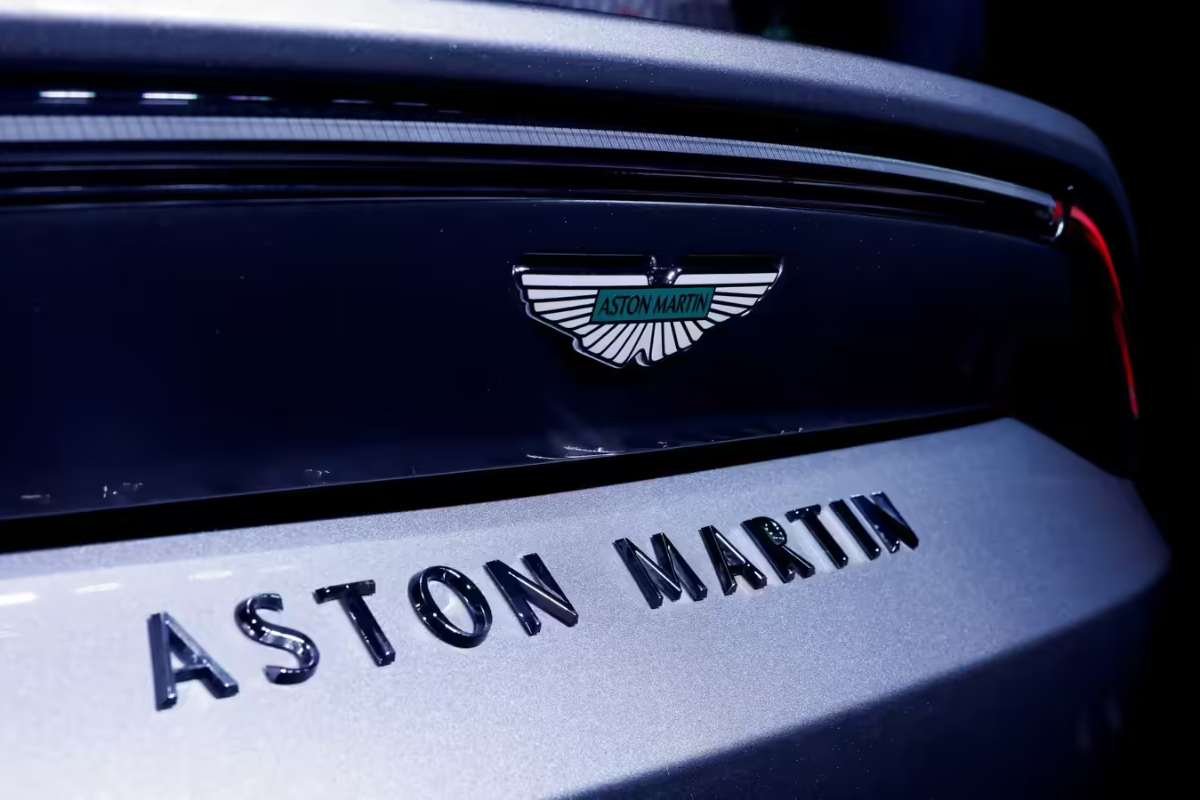
British luxury carmaker Aston Martin announced plans to cut up to 20 percent of its workforce as rising tariffs regulatory pressure and weaker global demand continue to strain business performance.
Workforce reduction and savings plan
The company said the planned job reductions will deliver annual savings of about 40 million pounds. Most of these savings are expected to be realized within the current financial year. Aston Martin currently employs around 3,000 workers across its operations. The company did not provide a specific timeline for when the reductions will take place.
The announced figure includes a previously disclosed workforce reduction of about 5 percent from last year. Management positioned the move as part of broader efforts to control operating costs and improve financial stability. Businesses across the automotive sector have faced similar cost pressures linked to supply chain expenses and changing demand patterns. The decision reflects a focus on maintaining liquidity while managing ongoing investments.
Aston Martin continues to manage debt levels that stand at roughly 1.38 billion pounds. The company has faced challenges in generating consistent cash flow in recent years. Capital support from Chairman Lawrence Stroll and strategic funding agreements have helped sustain operations. However leadership remains focused on improving internal efficiency rather than relying on external funding.
Production activity remains centered on premium models including the Aston Martin DBX, which plays an important role in sales volumes. Manufacturing costs and market uncertainty have placed pressure on margins. Workforce adjustments are intended to align operational capacity with current demand expectations. The company stated that cost discipline remains a key priority moving forward.
Spending changes and market demand
Alongside workforce reductions Aston Martin confirmed changes to its capital spending plans. The company reduced its planned investment allocation to 1.7 billion pounds from an earlier target of 2 billion pounds over five years. The revision mainly comes from delaying certain investments linked to electric vehicle technology. Management indicated that timing adjustments would help balance spending with near term financial needs.
Executives said tariffs have created significant disruption across the global automotive industry. Export costs and trade related expenses have affected pricing flexibility for luxury manufacturers. Demand conditions in China have also remained weak compared with previous years. China continues to represent one of the most important markets for premium vehicle sales worldwide.
The company expects additional cash outflows during 2026 as product development and operational adjustments continue. Despite this outlook Aston Martin projected improvement in financial performance supported by stronger product deliveries. Management aims to achieve gross margins in the high thirty percent range. Adjusted earnings before interest and taxes are expected to move closer to breakeven levels.
A key contributor to future performance will be deliveries of the new Aston Martin Valhalla hybrid model. Around 500 units are expected to reach customers, supporting revenue growth and brand positioning. The company views upcoming launches as central to improving profitability. For entrepreneurs and business leaders the announcement highlights how legacy manufacturers continue to adjust workforce size spending priorities and production strategy in response to evolving market conditions.