Key takeaways:
- KFC will switch to Coca-Cola across 3,718 U.S. restaurants by spring 2027.
- The move ends KFC’s roughly 40-year beverage partnership with PepsiCo.
- PepsiCo retains beverage agreements with Taco Bell and KFC International stores.
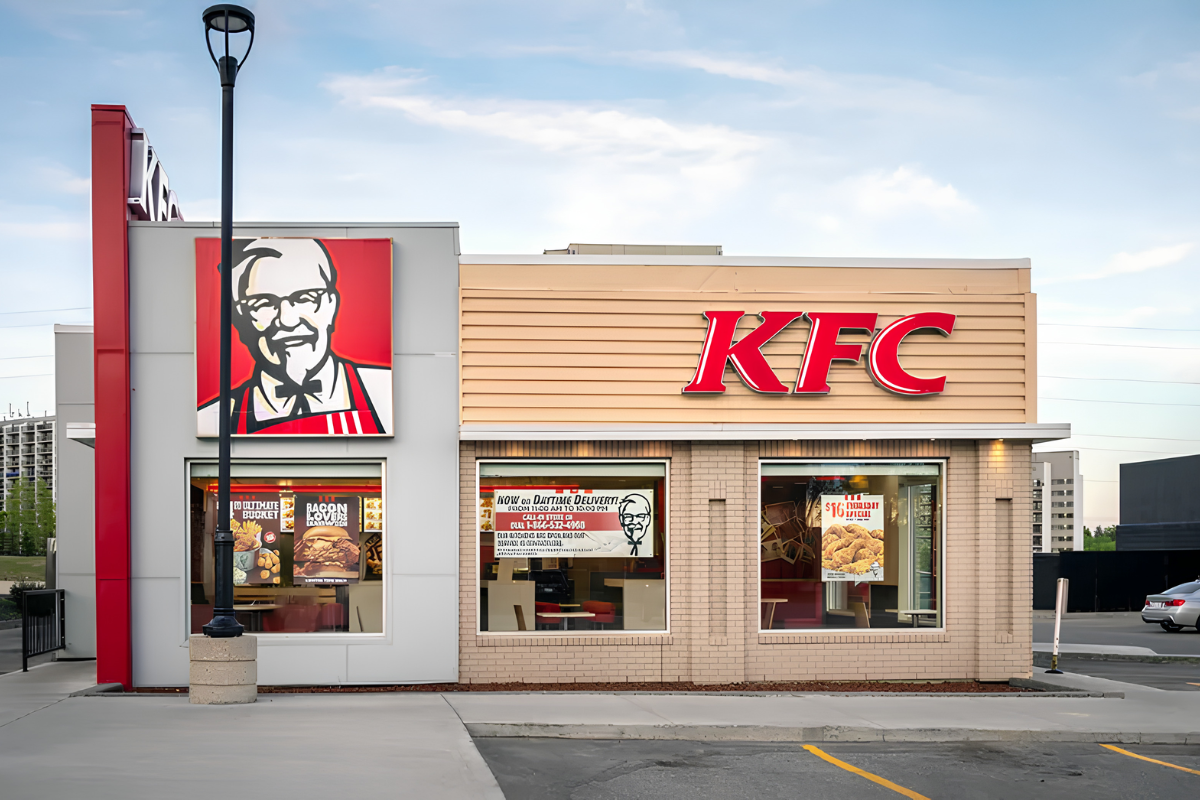
KFC will replace PepsiCo with Coca-Cola as its beverage supplier at 3,718 U.S. restaurants by spring 2027, ending a roughly 40-year partnership as PepsiCo faces pressure to revive soda sales and improve its North American business.
KFC chooses Coca-Cola for U.S. restaurants
KFC, owned by Yum Brands, announced Thursday that Coca-Cola will become its beverage partner in the United States. The companies did not disclose the financial terms of the agreement.
The KFC Coca-Cola partnership ends a longstanding relationship between KFC and PepsiCo that began when the beverage company acquired the fast-food chain to expand its food and snack business. PepsiCo later spun off KFC in 1997 but continued supplying beverages to the restaurant through Yum Brands.
Coca-Cola products are expected to reach KFC’s U.S. locations by spring 2027, according to the announcement. The transition applies to KFC’s U.S. restaurants, while PepsiCo will retain its beverage partnership with KFC International stores.
The KFC Coca-Cola partnership gives Coca-Cola another major restaurant customer as it competes with PepsiCo for beverage distribution agreements across the fast-food industry.
PepsiCo faces pressure from market challenges
The loss of KFC’s U.S. business comes as PepsiCo works to strengthen soda sales amid changing consumer preferences, higher prices and growing interest in healthier options.
Chief Executive Ramon Laguarta said earlier this month that the company’s growth and margin recovery were taking longer than planned. PepsiCo is also facing pressure from activist investor Elliott Investment Management, which disclosed a stake in the company last year and has pushed for the sale of underperforming assets and improved North American performance.
Jay Woods, chief market strategist at Freedom Capital Markets, said losing a prominent restaurant partner could further damage investor confidence in PepsiCo.
“It is just a bad look for PepsiCo … when you lose a big-name brand partner like that,” Woods told Reuters.
He added that the move highlights the contrasting strategies of two major beverage companies. Freedom Capital Markets holds shares in Coca-Cola, according to Reuters.
The financial impact on PepsiCo will depend partly on the value of the KFC Coca-Cola partnership and whether the company can offset the lost business through other partnerships. Neither company disclosed the agreement’s financial details.
PepsiCo retains other major restaurant partnerships
Despite losing KFC’s U.S. beverage business, PepsiCo will continue supplying drinks to other major restaurant chains.
A PepsiCo spokesperson told Reuters that the company and Yum Brands had renewed agreements covering Taco Bell and KFC International stores. The Taco Bell agreement runs for 10 years, the spokesperson said.
PepsiCo also supplies beverages to sandwich chains Subway and Jersey Mike’s Subs. It operates the soda fountain business at Pizza Hut, which left the Yum Brands umbrella in 2026 after previously switching from Coca-Cola to PepsiCo in 2011.
The company has lost other restaurant accounts to Coca-Cola in the past. In 2012, Dunkin ended its five-year PepsiCo partnership and switched to Coca-Cola.
Coca-Cola already has long-standing beverage partnerships with major burger chains, including McDonald’s and Wendy’s. Adding KFC’s U.S. restaurants expands its presence in the quick-service restaurant market.
The Wall Street Journal first reported the KFC partnership change Thursday, citing people familiar with the matter.