Key takeaways:
- Amazon launched the $75 Frontier bracelet and $100 Eclipse accessory for AI-powered reminders.
- Bee devices collect daily information and retain data for 14 days by default.
- Amazon faces privacy concerns and competition from Meta and AI wearable startups.
Amazon has introduced two portable AI listening devices under its Bee brand, offering calendar reminders and task summaries by collecting daily information, as the company expands its AI-powered hardware lineup.
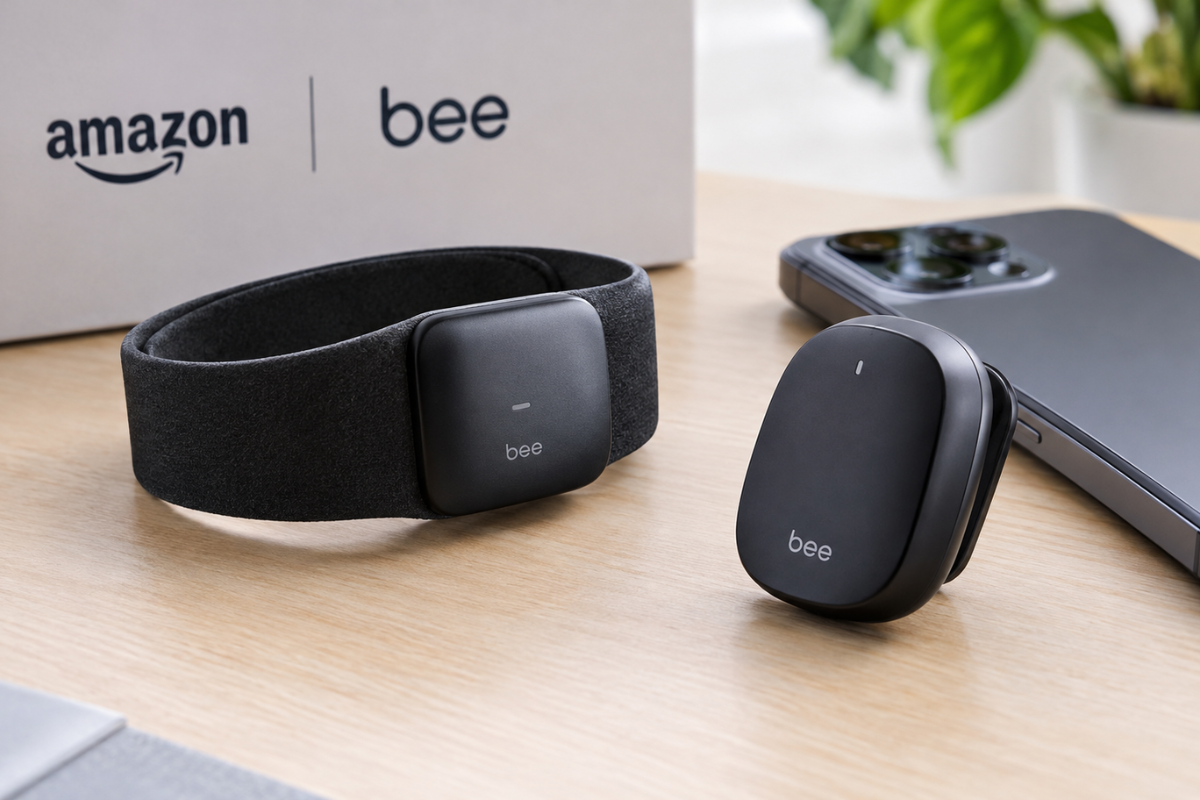
The Amazon AI wearables, a $75 Frontier bracelet and a $100 Eclipse smartphone accessory, are designed to capture information throughout the day and turn it into actionable insights. Amazon says users control when the devices listen and can delete stored insights and previous conversations.
Amazon targets everyday tasks with AI wearables
The devices use information from calendars, apps and other daily activities to remind users of conversations, commitments and pending tasks, Amazon said Thursday.
“They listen to your whole day,” Panos Panay, Amazon’s devices chief, said at the TechCrunch Disrupt conference in San Francisco.
The technology aims to reduce the need for users to manually record reminders and commitments. Panay said the devices can recall conversations, highlight tasks users agreed to complete and help them remain focused on the present.
The Frontier is a bracelet, while the Eclipse is a compact device resembling a portable magnetic charger that attaches to a smartphone. Both connect users with Amazon’s AI services, including Alexa+, the company’s subscription-based generative AI voice assistant.
Amazon has not disclosed additional technical specifications in its announcement. The launch follows the company’s acquisition of Bee, an AI wearable startup, in 2025.
Amazon emphasizes privacy as listening concerns persist
Amazon says users can decide when to activate the devices and delete insights or previous conversations. The company also says it does not store audio.
Bee retains data for 14 days under its standard offering. Users can extend the retention period through a $12 monthly subscription, according to Amazon.
The launch comes amid continued scrutiny of privacy risks associated with voice-enabled technology. Amazon faced criticism in 2019 after reports that workers and contractors reviewed recordings captured by its Alexa voice assistant.
The company also faces a U.S. class action lawsuit over alleged privacy violations involving Alexa users. Amazon has denied wrongdoing in the case.
The new Amazon AI wearables raise similar questions about consent and recording in everyday settings, particularly when conversations involve people who may not know a device is listening. Amazon’s stated controls give users options to manage their own data, but the company’s announcement does not detail how the devices handle every situation involving other people’s conversations.
Amazon have being facing competition in a growing wearables market
Amazon AI wearables enter a market where technology companies and startups are developing AI-powered accessories that record conversations, organize information and perform tasks for users.
Meta is among its competitors, with its Muse Charm pendant and smart glasses equipped with cameras and other sensors. These products reflect a broader push to make AI available through wearable devices rather than relying solely on smartphones and computers.
The launch is also part of a wider effort by Amazon to expand its hardware business with higher-priced products. In recent weeks, the company has announced new tablets that cost as much as three times more than previous versions, despite slowing global tablet sales.
The strategy suggests Amazon is seeking customers willing to pay more for devices offering additional features, improved durability and integrated AI services.
The success of its Bee products will depend in part on whether consumers find the convenience of automated reminders worth the privacy trade-offs associated with devices that listen throughout the day.