Why do many organizations invest millions in sophisticated enterprise systems yet continue to struggle with inefficient processes, delayed financial closures, and underutilized technology? The answer often lies not in the tools themselves, but in the gap between business understanding and technical implementation. Bridging this divide requires a rare combination of financial expertise, strategic thinking, and deep knowledge of enterprise applications—an approach that has transformed how several organizations leverage technology to drive efficiency, transparency, and long-term digital sustainability in line with modern economic visions.
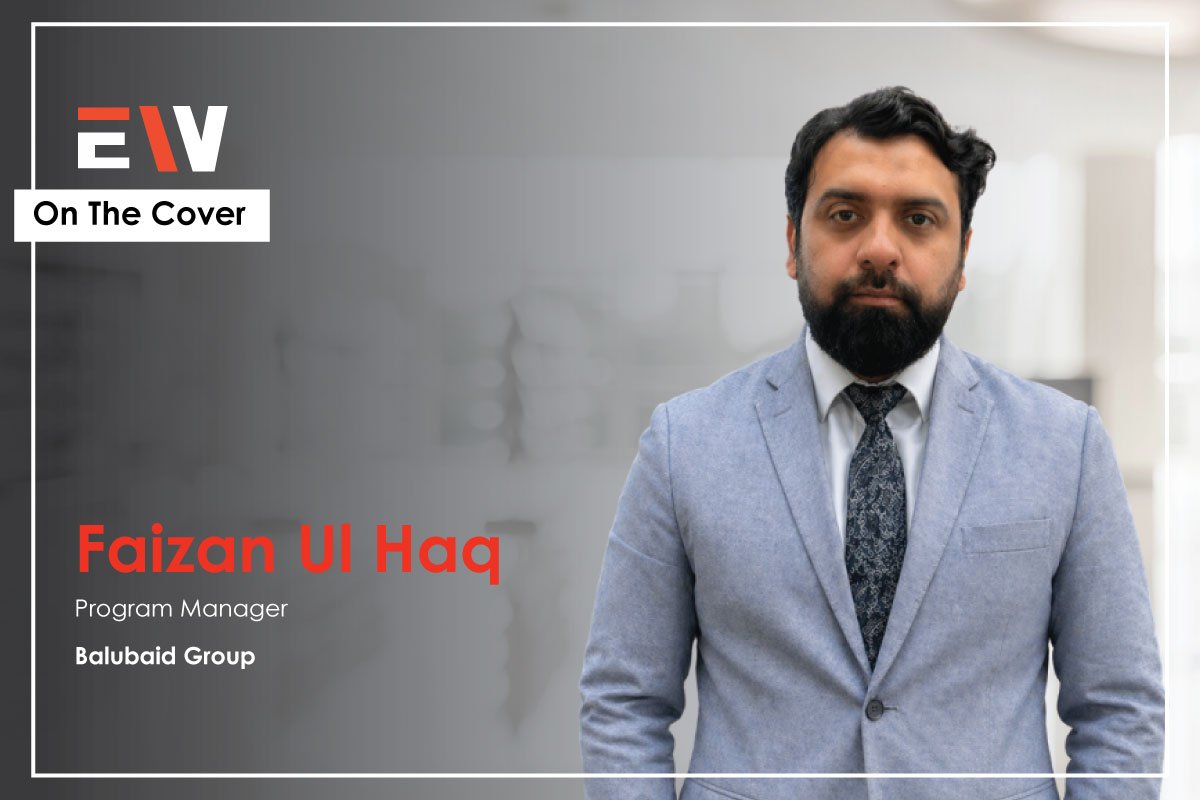
From optimizing complex ERP ecosystems to leading large-scale digital transformation programs, this solution-oriented mindset has helped companies unlock the true value of their technology investments while contributing to broader digital transformation agendas. At Balubaid Group, where multiple subsidiaries operate across diverse industries, such initiatives have played a critical role in modernizing enterprise systems, executing multi-ERP implementations, and preparing the organization for an AI-enabled future aligned with Saudi Arabia’s Vision 2030. Driving these efforts is Faizan Ul Haq, recently promoted to program manager at Balubaid Group, whose career has been shaped by an uncommon ability to connect finance, operations, and technology—guiding organizations toward smarter systems, empowered teams, and more resilient digital ecosystems that support national transformation goals.
Foundations in Finance and an Unplanned Path into Technology
Faizan Ul Haqs academic journey is armed with strong credentials, including an ACCA qualification and an MBA in finance. His educational journey was firmly rooted in financial management and business analysis. At the outset, his career path seemed destined to remain within the finance domain. However, the early stages of his professional life introduced him to a rapidly growing area of enterprise technology, “Business Applications and ERP Systems.” This intersection between finance and enterprise software would eventually define his career and position him to contribute meaningfully to the evolving IT landscape.
He began his professional journey in Pakistan, working with Jeffer Brothers, a well-known consulting firm in the region. During this period, he gained early exposure to enterprise system implementation projects, particularly within industries such as healthcare and trading. These assignments provided valuable insight into how organizations rely on enterprise systems to manage financial operations, supply chains, and business processes. Although his time with the firm lasted only about a year and a half, it laid the groundwork for what would become a long-term specialization in ERP consulting and enterprise systems—skills that are increasingly critical in digitally transforming economies.
Early ERP Experience and the Move to the Middle East
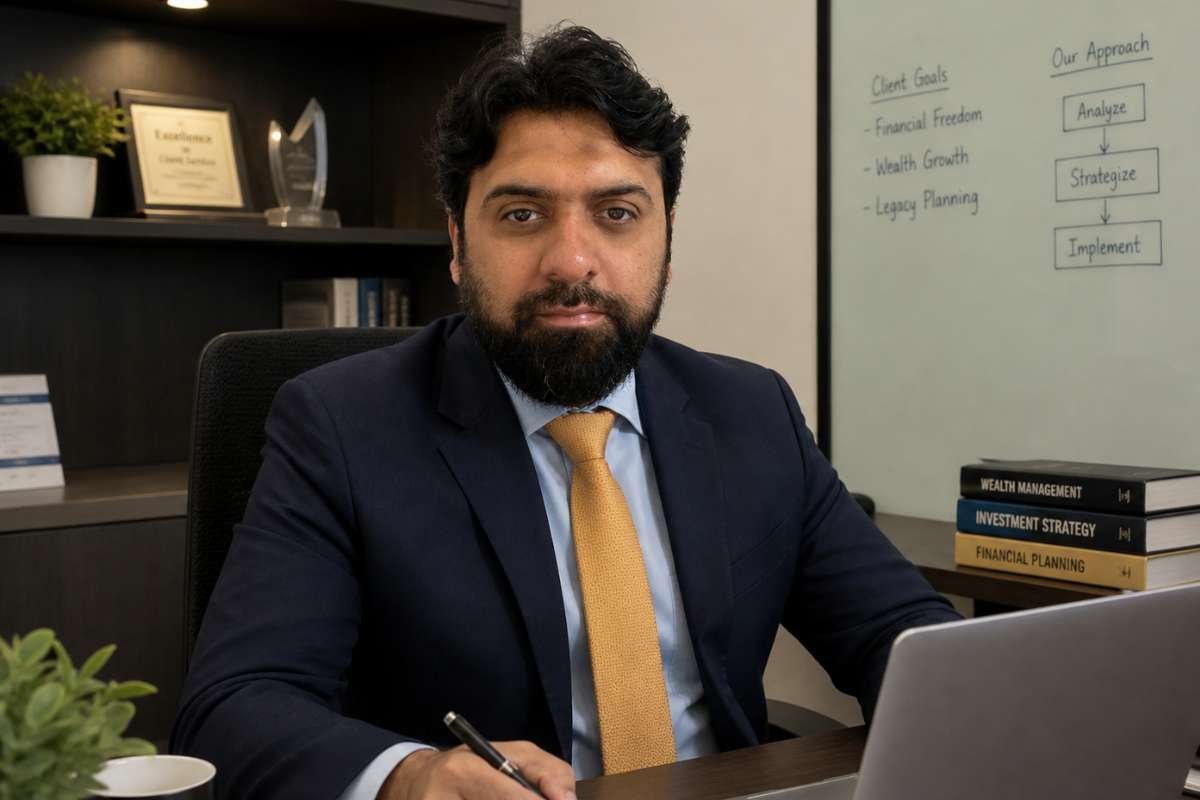
Faizan’s next opportunity came when he joined Hepworth, a manufacturing company specializing in PVC pipes and related industrial products. Serving as an ERP Coordinator, he began working more deeply with the enterprise system, particularly Oracle E-Business Suite.
This role also marked a geographical shift in his career, as he moved to Abu Dhabi. Over nearly three years with the organization, Faizan gained hands-on experience supporting ERP operations, troubleshooting system issues, and ensuring that business processes were aligned with enterprise software capabilities. He began noticing a critical gap that existed within many organizations: the disconnect between technical ERP consultants and finance professionals responsible for business processes. Many system implementers possessed strong technical knowledge but lacked a deep understanding of accounting principles, financial controls, and compliance requirements. For organizations relying on ERP systems to manage financial reporting, this knowledge gap often leads to inefficient implementations and suboptimal processes—challenges that modern digital economies aim to eliminate.
Faizan Ul Haq’s background in finance placed him in a unique position. He could communicate effectively with finance teams, understand their requirements in depth, and translate those requirements into system configurations and technical implementations, thereby improving system adoption and overall enterprise efficiency.
Consulting Growth and Expanding Functional Expertise
After gaining valuable experience in Abu Dhabi, Faizan Ul Haq joined Arowana Consulting, an IT services firm in the UAE. As a Senior Oracle EBS Applications Consultant, he focused on financial and supply chain modules, supporting organizations in implementing and optimizing enterprise applications.
Working across multiple industries, he expanded his expertise beyond finance systems and began working extensively with supply chain processes. While his core background remained financial, the demands of ERP implementation required him to understand procurement, inventory management, logistics, and operational workflows.
Rather than remaining confined to a single functional area, Faizan embraced this challenge. By integrating finance expertise with operational processes, he developed a holistic understanding of how enterprise systems support end-to-end business operations—an approach that aligns closely with modern enterprise digitization frameworks.
His ability to challenge existing business practices also proved valuable. In many organizations, processes had evolved in ways that diverged from standard accounting practices or industry best practices. Faizan’s combined knowledge of finance and ERP systems allowed him to guide organizations toward more efficient, standardized, and scalable processes.
The True Power of Enterprise Platforms
One of Faizan’s most formative professional experiences came when he joined Najran Cement Company, operating in Saudi Arabia. The implementation was limited to a standard configuration, resulting in underutilization of the system’s full capabilities.
Despite having a sophisticated enterprise platform, many of the system’s features and modules remained underutilized. Business processes were not aligned with system capabilities, and the organization faced significant challenges, particularly with financial reconciliation and timely period closures.
Faizan Ul Haq approached the challenge with a clear strategy: unlock the full potential of the existing system. He often describes the situation using a powerful analogy. The company possessed a “luxury car,” but it was operating only a fraction of its capabilities.
Through process redesign, reporting improvements, and system optimization, Faizan helped the organization significantly improve financial operations. One of the most notable outcomes was the ability to complete financial period closures within three to four days—an achievement that greatly enhanced operational efficiency, financial transparency, and organizational agility. This project reinforced a key leadership philosophy that continues to guide his work today: technology investments deliver value only when organizations fully adopt and optimize them—an essential principle in achieving national digital transformation objectives.
Leadership Growth at Abdul Latif Jameel Electronics
Faizan advanced his career at Abdul Latif Jameel Electronics in Jeddah, part of one of Saudi Arabia’s largest conglomerates with over 50 companies. Starting as a Senior Oracle EBS Consultant managing financial and supply chain systems, he quickly broadened his role to include vendor management, system evaluation, software selection, and project management. His leadership led to a promotion as IT Manager, overseeing teams in infrastructure, database administration, and application development.
A key achievement was introducing mobility into enterprise systems. Sales teams previously had to visit the office for system access before customer meetings, causing delays. Faizan Ul Haq introduced a cross-platform approach and led a first-of-its-kind implementation, i.e. integration of Salesforce with Oracle E-Business Suite, enabling sales reps to access real-time inventory, pricing, and customer data on mobile devices, allowing instant quote generation and faster customer engagement.
This initiative transformed how technology empowered the sales force while contributing to the Kingdom’s broader push toward digital-first, agile business environments. Later, to reduce costs, Faizan led the swift transition from Salesforce to Oracle CX, completing the implementation in just three months—the second-fastest Oracle CX rollout in Saudi Arabia—demonstrating both execution excellence and commitment to efficient technology adoption.
A Strategic Leap into Enterprise-Wide Technology Leadership
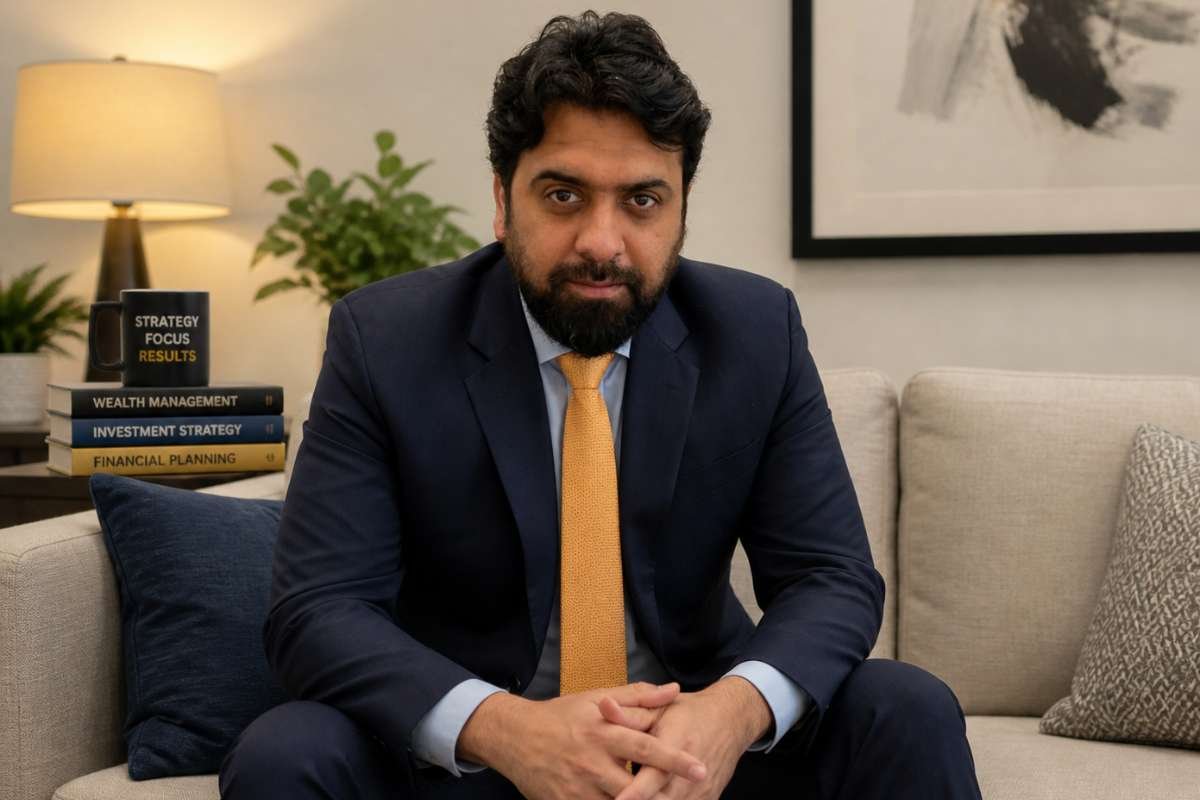
After years of experience across consulting and enterprise leadership roles, Faizan sought a new challenge—one that would allow him to shape technology strategy at a broader organizational level and contribute to large-scale digital transformation.
Approximately three years ago, he joined Balubaid Group as Head of Application Development. Unlike previous roles where he operated within a subsidiary organization, this position placed him at the group headquarters, supporting multiple companies across the organization.
Balubaid Group includes nine subsidiary companies operating across diverse sectors. In this role, Faizan Ul Haq became responsible for managing enterprise applications, overseeing new IT initiatives, and driving project management for major technology implementations—playing a critical role in strengthening enterprise IT capabilities within the Kingdom’s private sector.
One of his earliest successes at the group was leading the implementation of Oracle Fusion ERP for one of the organization’s major subsidiaries. At the time, the IT department faced credibility challenges due to earlier project failures.
By successfully delivering the Oracle Fusion implementation, Faizan Ul Haq helped restore confidence in the organization’s IT capabilities and demonstrated the strategic value of well-executed technology initiatives in enabling business transformation.
Successful Cloud Migration of a Legacy Oracle System
Faizan’s leadership soon extended into highly complex projects, including a critical cloud migration initiative—an important step toward modern IT infrastructure, scalability, and alignment with Saudi Arabia’s Vision 2030 digital transformation agenda.
The organization was operating on an obsolete version of Oracle E-Business Suite version 11i, which no longer had official vendor support. Migrating such a system to the cloud presented significant technical and operational challenges.
Many vendors declined to participate due to the complexity of the project. Eventually, a partner was identified, and over the course of nearly a year, Faizan Ul Haq led the team through the intricate process of lifting and shifting the legacy system from on-premises infrastructure to the cloud.
Despite the absence of vendor support, the project was successfully completed, marking another major milestone and reinforcing the importance of resilience and innovation in enterprise IT transformation. More importantly, this initiative left a lasting footprint within the organization by modernizing its technology landscape and directly contributing to its digital transformation journey, in line with the broader objectives of Vision 2030 to build a robust, cloud-enabled, and future-ready digital economy.
A Complex Multi-Company ERP Implementation
Most recently, Faizan stepped into the role of Program Manager, overseeing one of the most ambitious initiatives within the group.
The project involved implementing two ERP platforms, Oracle Fusion and ERPNext, across multiple subsidiary companies simultaneously. Managing multiple vendors, stakeholders, and system environments required careful coordination and strong leadership.
Complicating the effort was limited business readiness and inconsistent process documentation across the subsidiaries. In response, Faizan leveraged deep institutional knowledge within the IT team, many of whom had been with the company for decades.
By empowering the IT department to take a more proactive role in defining processes and resolving bottlenecks, the team successfully delivered the program.
The systems went live on January 1, 2026, across five to six subsidiary companies—an achievement that demonstrated both technical capability and organizational resilience while contributing to large-scale enterprise digitalization in line with Vision 2030 objectives.
The Shift Toward an Intelligent, AI-Enabled Organization
Today, Faizan continues to play a central role in shaping the organization’s digital transformation journey. Recently nominated as an IT champion for the company’s transformation initiative, he is responsible for aligning technology initiatives with broader business objectives and national innovation priorities.
His current projects include developing a management reporting platform that will consolidate data from multiple subsidiaries and implementing AI capabilities within enterprise systems.
With Oracle Fusion now stabilized and upgraded to the Redwood interface, the organization is preparing to activate advanced AI features across finance, supply chain, and human resources.
For Faizan, the goal is not simply to adopt new technology but to build a truly AI-enabled organization—one where automation and intelligent systems optimize daily operations, enhance decision-making, and contribute to the Kingdom’s vision of a knowledge-based, technology-driven economy.
A Vision for Empowered Technology Partnerships
Looking ahead, Faizan Ul Haq envisions a different model for technology consulting and enterprise transformation. Too often, he believes, consulting firms prioritize selling products rather than understanding the real challenges organizations face. His vision emphasizes collaboration, solution alignment, and long-term empowerment.
Rather than locking customers into ongoing service dependencies, he advocates empowering internal teams with the knowledge and tools they need to manage systems independently. By focusing on genuine partnership and capability building, organizations can achieve sustainable technological growth while supporting national goals of self-sufficiency and local talent development.
Building an AI-Enabled Enterprise Legacy
As Faizan reflects on the future, his ambitions extend beyond successful projects or system implementations. His goal is to help position Balubaid Group as a leader in AI-enabled enterprise operations within the Kingdom. Over the next four to five years, he envisions an organization where AI-powered processes streamline routine operations, improve decision-making, and enhance efficiency across departments.
For Faizan Ul Haq, technology leadership is not merely about implementing systems. It is about transforming how organizations operate, empowering teams with knowledge, and building digital ecosystems capable of supporting long-term innovation. Through a career defined by adaptability, strategic thinking, and cross-functional expertise, he continues to demonstrate how visionary leadership can turn enterprise technology into a powerful driver of business success—while contributing meaningfully to Saudi Arabia’s Vision 2030 and the evolution of its digital economy.