The Environmental Protection Agency on Thursday temporarily waived gasoline regulations nationwide, in a move described as EPA Waives Fuel Rules, allowing broader E15 and E10 sales from May 1 to May 20 to ease supply disruptions and rising fuel prices during the ongoing Iran conflict. The action is intended to address shortages during the crisis.
EPA Expands Fuel Options to Stabilize Supply
The Environmental Protection Agency says the move aims to increase fuel availability and reduce pressure on consumers facing sharp price hikes. The action called EPA Waives Fuel Rules lifts seasonal restrictions on E15 gasoline, a 15% ethanol blend typically limited in summer months due to air quality concerns.
The agency also removes federal barriers to E10 gasoline distribution, enabling broader access to the more commonly used 10% ethanol blend. Officials say the combined measures are designed to keep fuel flowing smoothly across the country.
EPA Administrator Lee Zeldin says the decision prioritizes energy stability during a volatile period. “These waivers are intended to provide immediate relief by expanding supply options and preventing disruptions,” Zeldin says at an energy conference in Houston.
Iran Conflict Drives Sharp Fuel Price Increases
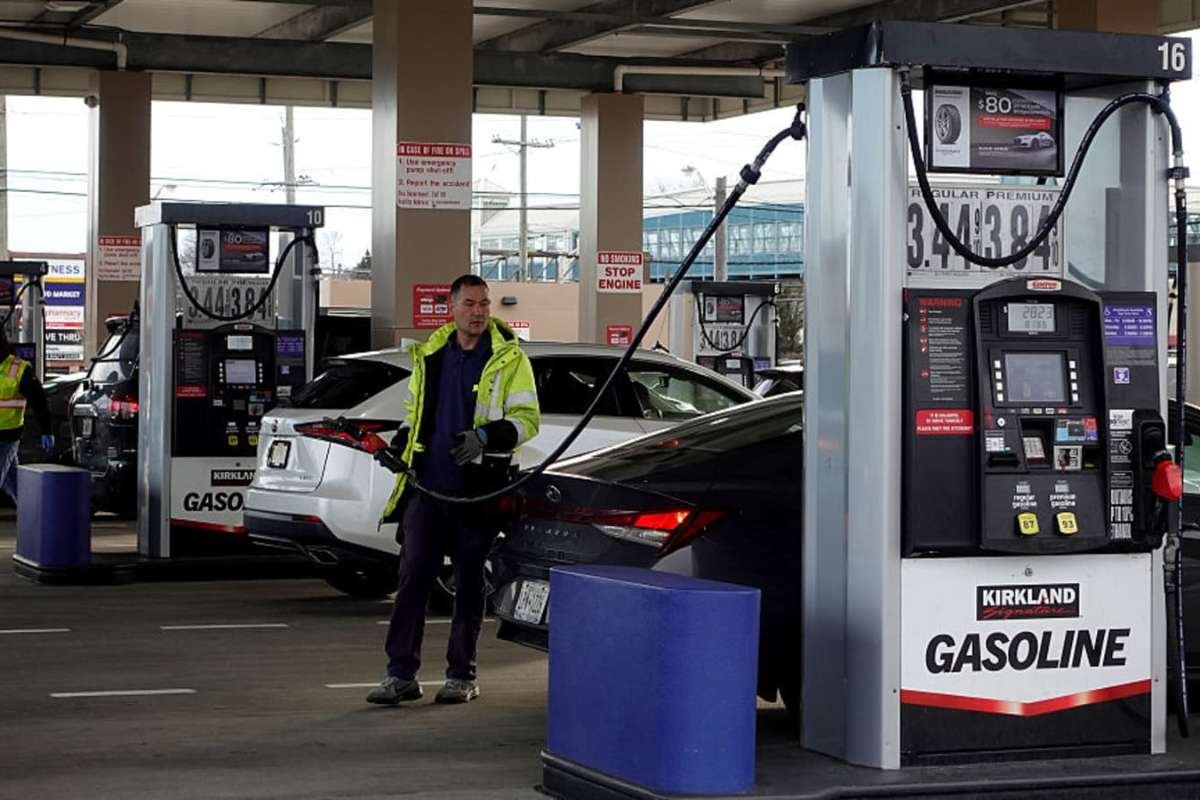
Fuel prices surge as geopolitical tensions intensify following U.S. military involvement in Iran. Gasoline prices have risen more than 30% in recent weeks, reaching an average of $3.98 per gallon, the highest level since 2022.
Diesel prices climb even faster, increasing over 40% to $5.37 per gallon. Analysts say the spike reflects supply chain disruptions and reduced global oil flows tied to the conflict, even as EPA Waives Fuel Rules focuses mainly on gasoline supply relief. Higher diesel costs raise concerns across the transportation sector, where trucks and freight systems depend heavily on the fuel. Industry groups warn that prolonged price increases could ripple through supply chains, affecting goods and services nationwide.
Officials Signal Possible Extension of Waivers
The waivers take effect May 1 and remain in place through May 20, with the possibility of extension depending on market conditions. Officials say they are closely monitoring supply levels and pricing trends.
Energy Secretary Chris Wright says the administration is working to address diesel shortages. Officials note that while EPA Waives Fuel Rules may provide short-term relief, broader efforts are underway to stabilize supply. “We recognize the urgency of increasing diesel supply and are actively developing solutions to stabilize the market,” Wright says in a recent interview. Federal agencies say continued assessment of the energy market will guide further action. The administration indicates it is prepared to extend emergency measures if fuel disruptions persist.