Security sounds boring until your data leaks, and suddenly your phone won’t stop ringing. One moment, everything feels safe. Next moment, customers want answers, regulators want reports, and your coffee tastes like stress.
Encryption exists to stop this drama before it starts. But choosing the wrong type of encryption is like wearing a helmet to a swimming pool. Useful, but not for that job.
This guide breaks down P2PE vs E2EE in a simple, friendly way. No tech headaches. No buzzwords. Just clear answers so you can protect your business without losing sleep.
What Is P2PE?
P2PE stands for Point-to-Point Encryption. It is a security method used mainly for card payments. Its main job is to keep card details safe during a payment.
When a customer taps, swipes, or inserts a card into a payment machine, P2PE starts working immediately. The card data gets encrypted right inside the payment device. From that moment, the information stays locked until it reaches the payment processor, where it is safely decrypted.
This means card numbers are never exposed while traveling through networks, systems, or servers. Even if someone tries to intercept the data, they will only see unreadable code.
Key Characteristics of P2PE
- Instant encryption at the device: Card data locks itself inside the payment terminal. Hackers see only scrambled text.
- No exposure inside your systems: Your servers never touch raw card numbers. That reduces risk fast.
- Designed for payments only: P2PE focuses on card transactions, not emails or messages.
- Compliance-friendly: Many P2PE systems reduce PCI DSS scope, which saves time and money.
P2PE works best in stores, restaurants, fuel stations, and anywhere card payments happen daily.
What Is E2EE?
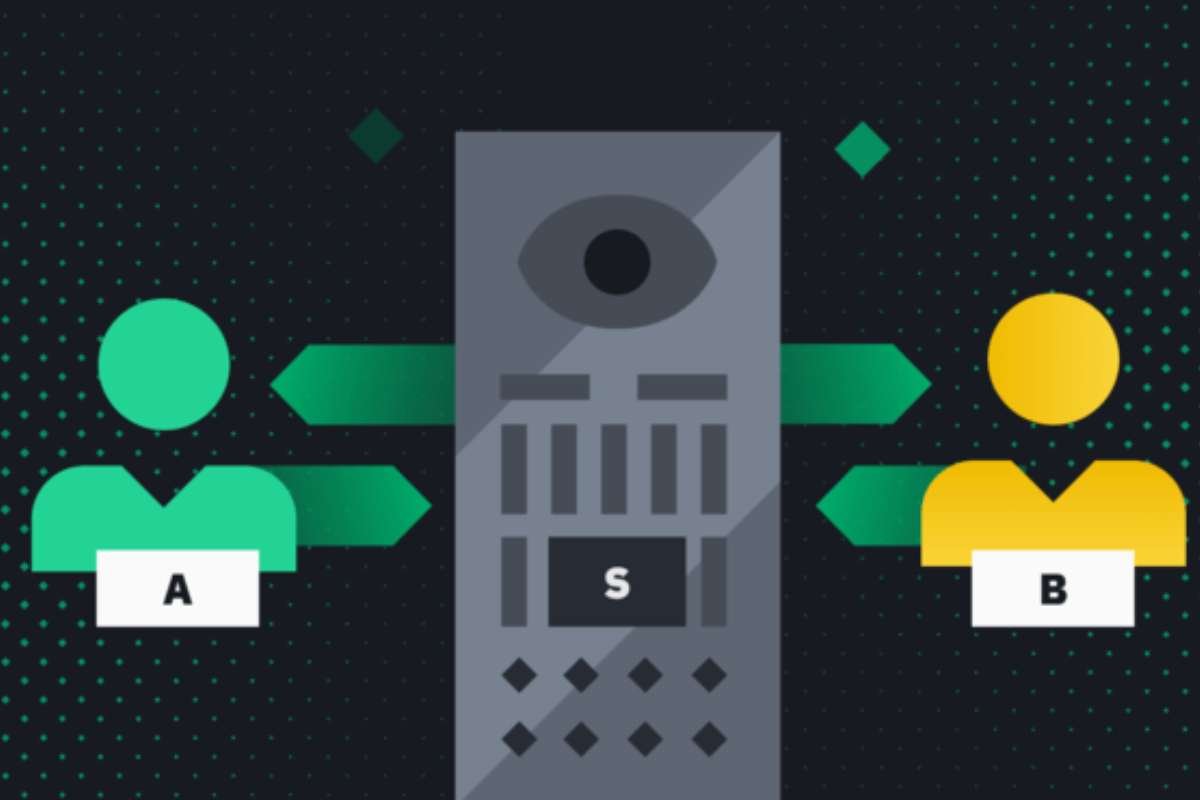
E2EE stands for End-to-End Encryption. It protects communication data, not payments.
With E2EE, messages, files, or calls get encrypted on the sender’s device. They stay encrypted while traveling across the internet and only unlock on the receiver’s device.
No middle system can read the content. Even the service provider that delivers the message cannot see what is inside.
Key Characteristics of E2EE
- Only endpoints can read data: Not even the service provider can see the content.
- Strong privacy protection: Messages stay private even if servers get breached.
- Used beyond payments: Messaging apps, video calls, and cloud chats rely on E2EE.
- Keys stay with users: Encryption keys never sit on central servers.
E2EE fits communication tools, remote teams, and apps where privacy matters more than transactions.
Standards of P2PE vs E2EE
Standards are the backbone of security. They act like rulebooks that everyone must follow. When encryption follows clear standards, businesses and users know the protection is real. Without standards, encryption is just a claim with no proof behind it.
When we talk about P2PE vs E2EE, both use encryption, but their standards are very different because they solve different problems.
P2PE Standards
P2PE standards are strict, formal, and tightly controlled. These rules exist mainly to protect payment card data and to reduce fraud.
Governed by PCI SSC: P2PE standards are managed by the PCI Security Standards Council (PCI SSC). This global body sets rules for how card data must be protected. Businesses cannot create their own versions. They must follow PCI rules exactly.
Requires Certified Hardware: P2PE only works on approved payment devices. Card readers, terminals, and PIN pads must pass official testing. If the device is not certified, it cannot be used for true P2PE.
Audited Key Management: Encryption keys act like secret passwords that lock and unlock data. In P2PE, these keys are closely monitored, stored safely, and regularly audited. Independent auditors check whether keys are handled correctly at every step.
Strict Validation Programs: P2PE solutions must go through formal validation programs. This includes inspections, documentation checks, and regular reviews. Only approved solutions can claim P2PE compliance.
E2EE Standards
E2EE standards work more flexibly and openly. The goal here is privacy, not payment compliance.
Based on Cryptographic Protocols: E2EE relies on well-known encryption methods like AES, RSA, or modern key exchange systems. These methods are widely studied by security experts around the world.
No Single Global Authority: Unlike P2PE, E2EE does not have one governing body. Different companies and developers choose how to implement encryption. This freedom allows innovation but also requires responsibility.
Relies on Open Algorithms: Most E2EE systems use open algorithms. These algorithms are public and tested by the security community. Anyone can review them, which increases transparency.
Trust Depends on Implementation: Strong algorithms alone are not enough. If E2EE is implemented poorly, security weakens. Trust depends on how well developers handle encryption keys, updates, and device security.
P2PE vs E2EE: Key Differences
Here’s the plain truth about P2PE vs E2EE:
| Aspect | P2PE (Point-to-Point Encryption) | E2EE (End-to-End Encryption) |
| Purpose | Protects card payment transactions | Protects communication data |
| Data Type | Card numbers and payment details | Messages, files, calls, and chats |
| Compliance Needs | Follows strict payment security rules | Supports privacy and data protection laws |
| Risk Exposure | Reduces risk for merchants | Reduces visibility of data |
| Primary Use | Payment terminals and POS systems | Messaging apps and communication tools |
| Main Benefit | Safer card payments | Strong user privacy |
How Does P2PE and E2EE Work?
Both P2PE and E2EE protect data by locking it with encryption. The big difference is when the data gets locked and who can unlock it. Timing matters because it decides where data stays safe and where it could be exposed.
P2PE Flow:
Card tapped → encrypted instantly → stays locked → decrypted only by the processor.
- The moment a customer taps, inserts, or swipes a card, the payment device encrypts the card data right away.
- This happens inside the payment terminal itself, before the data touches the store’s network or system.
- Once encrypted, the data becomes unreadable. Even if someone steals it, it looks like random characters.
- The encrypted data travels through the internet and internal systems without ever being opened.
- Only the approved payment processor has the key to unlock the data at the very end.
- The business never sees the real card number, which lowers fraud risk and compliance pressure.
P2PE keeps payment data protected from the start to the finish of the payment process.
E2EE Flow:
Message typed → encrypted on device → travels safely → decrypted by receiver.
- When a person types a message or sends a file, the data gets encrypted directly on their device.
- The encryption happens before the message leaves the phone or computer.
- The message stays encrypted while moving across servers and networks.
- Service providers cannot read the content, even if they store or deliver it.
- Only the receiver’s device has the key to decrypt and read the message.
- If someone intercepts the message, they cannot understand it.
E2EE keeps conversations private from sender to receiver.
What This Means
In P2PE vs E2EE, the goal is the same: keep data safe.
The focus is different.
- P2PE protects the full journey of a payment.
- E2EE protects the full journey of a conversation.
- One guards money. The other guard’s words. Both work quietly in the background, doing their job without slowing life down.
Choosing Between P2PE vs E2EE for Your Business

Choosing P2PE vs E2EE depends on what you protect.
Factors to Consider
- Type of data you handle
- Legal and compliance needs
- Customer privacy expectations
- Infrastructure and budget
When to Choose
- Choose P2PE for card payments.
- Choose E2EE for chats and files.
- Use both if you handle payments and communication.
Security improves when tools match purpose.
What Is the Right Solution for the Company?
The right solution depends on clarity, not trends. If your company accepts cards, P2PE reduces financial risk. If your company communicates sensitive data, E2EE protects trust. In P2PE vs E2EE, smart companies don’t pick sides. They pick correctly.
Conclusion
Security should feel calm, not confusing. Just like the introduction promised, this guide keeps things real. P2PE vs E2EE is not a battle. It is a choice of fit. One guards money. One guards words. Both guards trust.
Pick wisely, sleep better, and let encryption do its quiet job while your business grows without fear.